Wildlife. Updated November 2026. 4 min read.
Ask a Kenyan guide which animal they have never seen, and the answer is often one of these two. Many guides with years on the plains can count their aardvark sightings on one hand, and some have never seen a wild pangolin at all. Yet every drive passes their signs: the big, fresh burrows of the aardvark, muhanga in Kiswahili, and, for those who know what to look for, the neat tracks and scratched termite mounds of the ground pangolin, kakakuona. Seeing either is a privilege, and this page is honest about how rare it is.
Both are nocturnal, so your only realistic chance is a night drive. Night drives are not allowed in KWS national parks or in the Maasai Mara National Reserve, but they are allowed in many private conservancies, including those around the Mara and in Laikipia, such as Ol Pejeta, Lewa, Loisaba and Borana. Several nights of night drives in one of these areas give you a chance at an aardvark. A pangolin is rarer still, and no one can promise either.
The two at a glance
| Feature | Aardvark | Ground pangolin |
|---|---|---|
| Kiswahili | Muhanga | Kakakuona |
| Looks like | A pig-sized animal with a long snout, rabbit-like ears and a thick tail | A small armored animal covered in overlapping brown scales |
| Size | About 40 to 65 kg | About 5 to 15 kg |
| Eats | Ants and termites, dug out with powerful claws | Ants and termites, licked up with a very long tongue |
| Signs to look for | Large fresh burrows and dug-out termite mounds | Small scratch holes in mounds and a two-legged track |
| IUCN status | Least Concern | Vulnerable |
The aardvark: the great digger
The aardvark is the only living member of its own order of mammals, with no close relatives at all. It forages at night over long distances, nose to the ground, and digs into termite mounds and ant nests with claws strong enough to break sun-baked earth, then laps up insects with a long, sticky tongue. Its burrows are the reason it matters so much. Abandoned aardvark holes become homes for warthogs, hyenas, porcupines, jackals, bat-eared foxes, mongooses, snakes, owls and many more, which makes the aardvark one of the most important engineers of the savanna. Its name comes from Afrikaans and means earth pig.
The ground pangolin: an animal in armor
Pangolins are the only mammals covered in scales, which are made of keratin, the same material as your fingernails. The ground pangolin, also called Temminck's pangolin, walks mostly on its hind legs, with its front claws and tail held off the ground, and breaks into ant and termite nests with those claws. It has no teeth. When threatened, it rolls into a tight ball that even a lion struggles to open. Kenya's forests in the far west also have records of tree-living pangolins, but on safari the ground pangolin is the one guides hope for.
Pangolins and trafficking
Pangolins are often described as the most trafficked mammal in the world. Their scales are used in traditional medicine in parts of Asia, and their meat is sold as a luxury, so pangolins are poached and smuggled across Africa, often through major ports and airports. Since 2017, all eight pangolin species have been listed under Appendix I of CITES, which bans international commercial trade, and Kenya treats wildlife trafficking as a serious crime with heavy penalties. Never buy any product made from pangolin scales or any other wildlife part, anywhere.
Three things most people do not know
- In soft ground an aardvark can dig itself out of sight in a matter of minutes, and it often blocks the tunnel behind it.
- A pangolin's tongue can be longer than its body, anchored deep inside its chest when not in use.
- Pangolins have no teeth. They swallow small stones and grit, and a muscular part of the stomach grinds the ants and termites, much as a bird's gizzard does.
Night drives: how to give yourself a chance
- Stay three or four nights in a conservancy that offers night drives, and book a drive on most of them.
- Tell your guide early that aardvark and pangolin are on your list, so they can focus on the right habitat.
- Dress warmly: Laikipia nights can be cold, and you will be in an open vehicle.
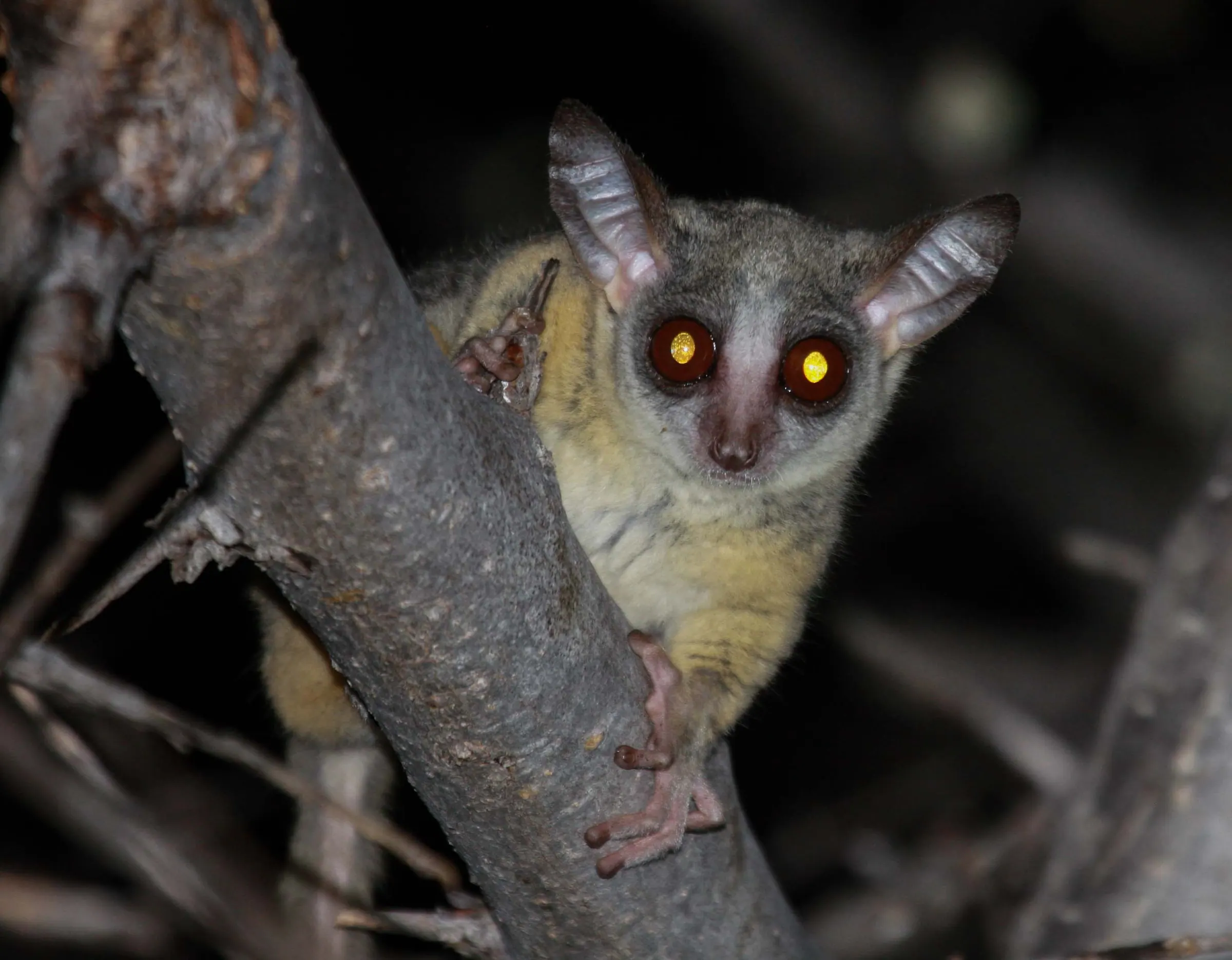
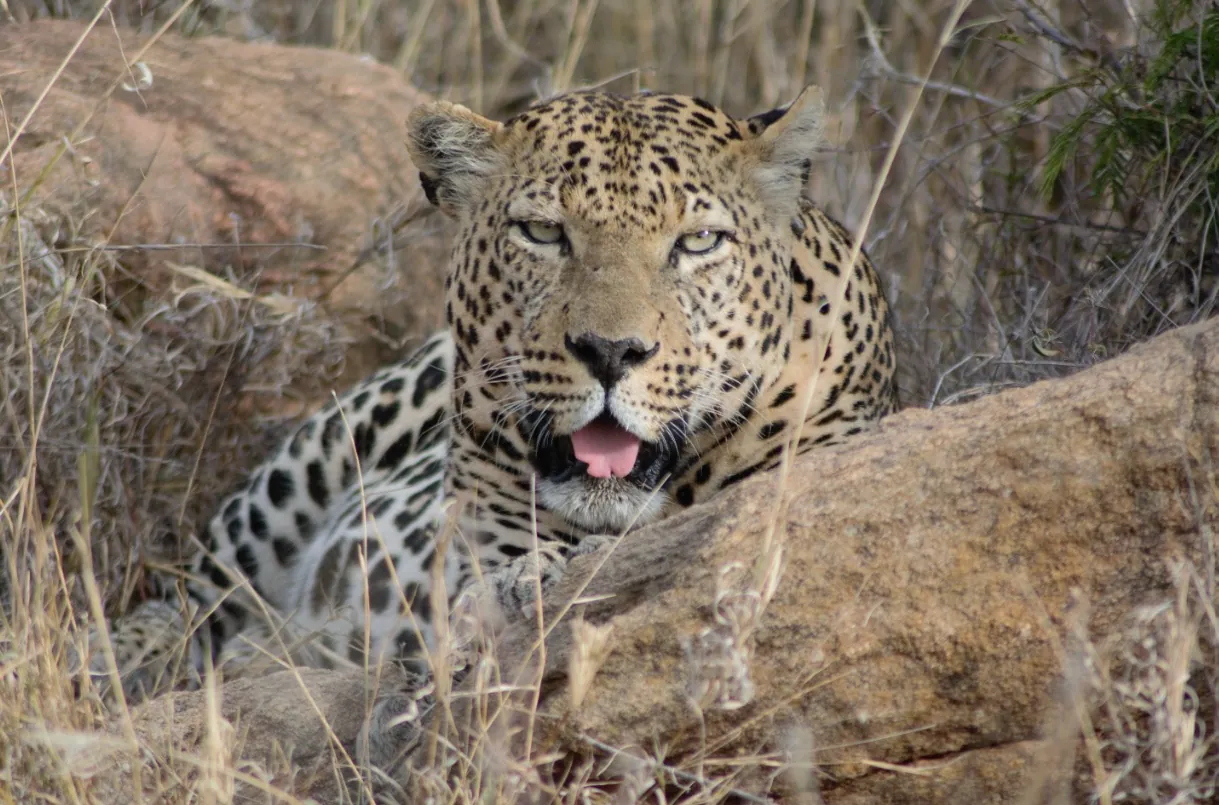
- Expect plenty else: bushbabies, genets, springhares, hyenas and sometimes lions and leopards hunting.
- Guides use dimmed or red-filtered spotlights, and keep them off animals' eyes as much as possible.
How to photograph night animals
If you do find one, you will have seconds. Set up before the drive: a high ISO, the widest aperture your lens allows, and a shutter of about 1/250 of a second, braced on a beanbag. A lens of about 70 to 200 mm is often enough, because night sightings tend to be close. Never use flash, and never ask the guide to hold a bright light on an animal to help your picture. Even a grainy record shot of an aardvark is a photo most safari guides would be proud of.
Conservation status
The IUCN lists the aardvark as Least Concern and the ground pangolin as Vulnerable at the time of writing. Aardvarks lose habitat to farming and are sometimes killed by farmers who see their burrows as damage. Pangolins are threatened by poaching and trafficking, electric fences, which they curl around when shocked, and road traffic. Organizations working on pangolins include the IUCN pangolin specialist group, and Kenyan conservancies increasingly monitor and protect them. Supporting conservancies with your stay is one practical way to help.
Trips where you have a chance
Spend part of your safari in Laikipia or a Mara conservancy rather than only in the national reserve, and include several night drives. You may not see an aardvark or pangolin, but you will see the night side of the bush, and you will understand why guides talk about these two in the same hushed way.