
Wildlife. Updated November 2026. 3 min read.
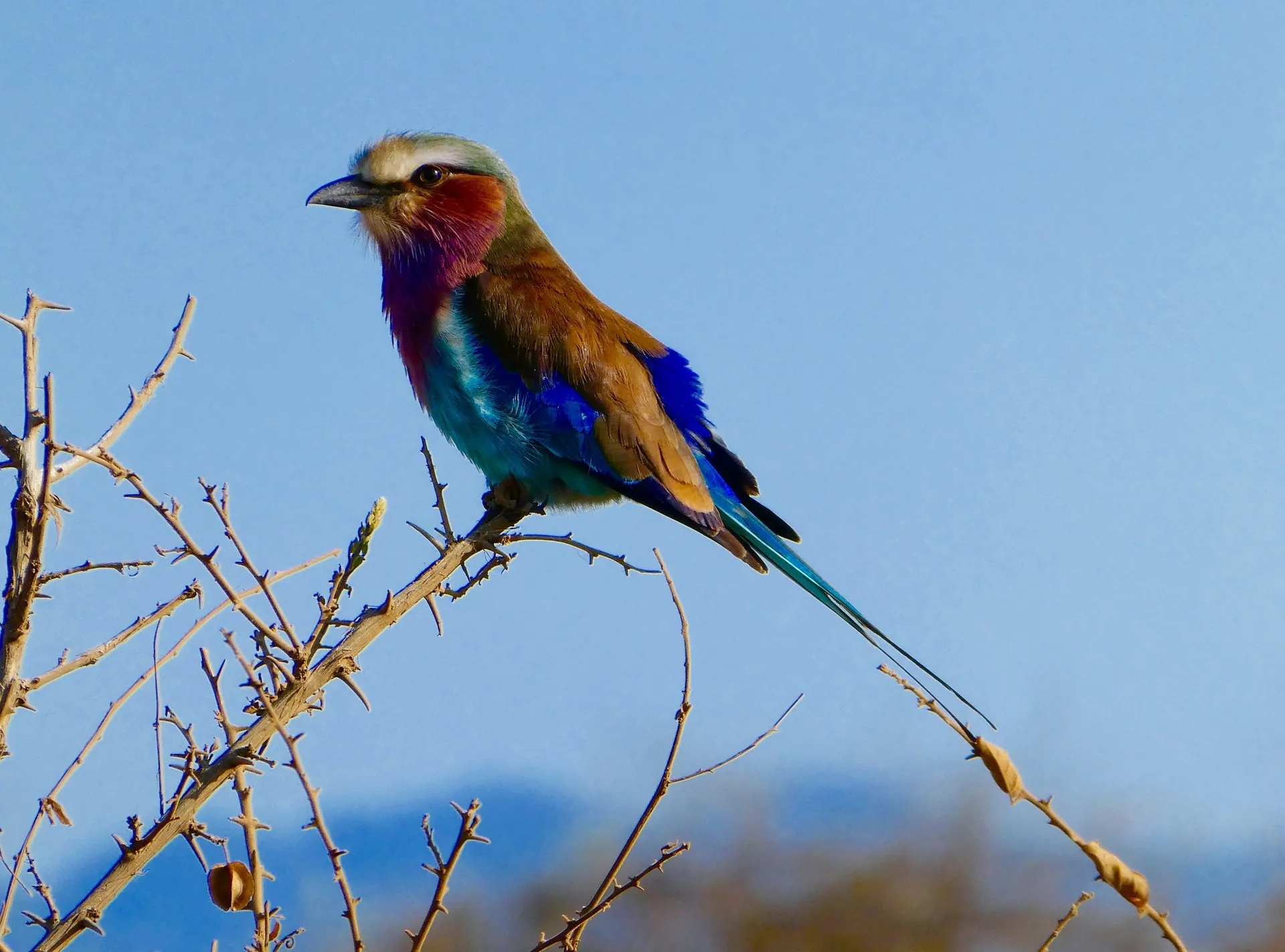
A tiny owl with white spots and false eyes on the back of its head. Pearl-spotted owlet (Glaucidium perlatum) is 19 cm long and common and not threatened. Its whistle is one of the signature sounds of dry bush.
Where to see Pearl-spotted owlet
- Samburu: The dry north: the Samburu Special Five, elephants on the Ewaso Nyiro and the red-robed Samburu people.
- Tsavo East: Kenya's largest park: red elephants, the Yatta plateau and huge skies, an easy add-on to the coast.
- Maasai Mara: Kenya's most famous reserve: the Great Migration from July to October and the densest big-cat country in Africa all year.
- Amboseli: Big-tusked elephants crossing dry lakebeds under Kilimanjaro, clearest at dawn.
Hunts by day as well as night; mobbed by small birds that give it away. It is widespread enough that a standard safari finds it without trying; the best months are Jan, Feb, Mar, Jun, Jul, Aug, Sep, Oct.
How to identify it
A tiny owl with white spots and false eyes on the back of its head. Size: about 19 cm, small. Family: owls. Hunts by day as well as night; mobbed by small birds that give it away.
Status and conservation
Pearl-spotted owlet is common and not threatened. No special measures are needed to see it, and your park fees support the habitats it uses.
On a Kenya Experience trip
Our guides carry binoculars and the East African field guide in every vehicle, and our birding itineraries put a specialist bird guide in the front seat. For Pearl-spotted owlet we would start at Samburu and Tsavo East. Tell us the species on your list and we build the days around them.