Comparisons. Updated November 2026. 5 min read.
The rains are Kenya's best-kept deal: camp rates often 30 to 50 percent lower, half the Mara fee from January to June, newborn animals, migrant birds, dramatic skies and tracks with almost no other vehicles. They also bring mud, long grass that hides the cats, a few closed camps and, in April and May, no migration in the Mara. Our verdict: if the river crossings are the reason for your trip, go in the dry season, from late July to October. If value, space and photography matter more, the green season, and especially its edges, is often the better trip.
This page is the decision between the two, with the prices and trade-offs side by side. For the month-by-month picture, see our seasons overview and the month pages, which go into the weather, the wildlife and where to go in each month of the year.
Kenya's seasons in one table
| Season | Roughly | Weather | Mara reserve fee | Camp rates | Crowds |
|---|---|---|---|---|---|
| Long dry season | Late June to October | Dry, cool mornings, dusty by September | $100 in June, $200 from July 1 | Peak from about July | The busiest of the year, especially August |
| Short rains | November to early December | Afternoon showers and storms, green plains | $200 | Often lower in November | Quiet until the holidays |
| Festive peak | Mid-December to early January | Drying out; hot on the coast | $200 to December 31, then $100 | Peak | Busy with holiday travelers |
| Short dry season | January to February, often into March | Hot, dry and clear | $100 | High, but below July to October | Moderate |
| Long rains | About late March to May | Heavy showers, often in the afternoon and at night; wettest in April and May | $100 | The lowest of the year; some camps close | Very quiet |
What the green season gives you
- Lower prices: many camps and lodges drop their rates by about 30 to 50 percent in the long rains, and some offer deals in November
- Half the Mara fee: $100 per adult per day from January to June, against $200 from July to December
- Space: sightings with one or two vehicles instead of a crowd, and better availability at the small camps that sell out a year ahead for August
- Babies: many plains animals give birth as the grass flushes after the rain, and the predators follow them
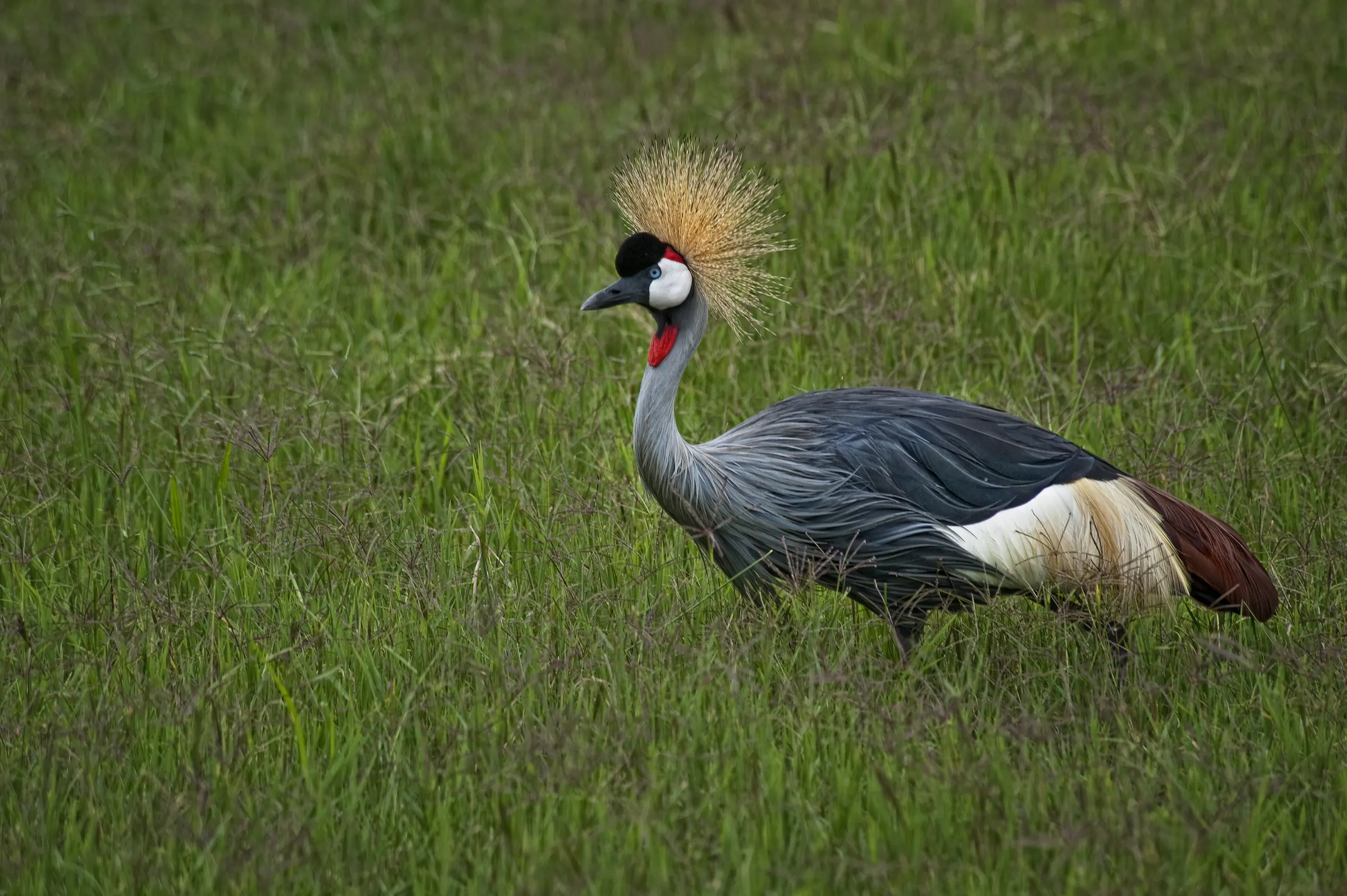
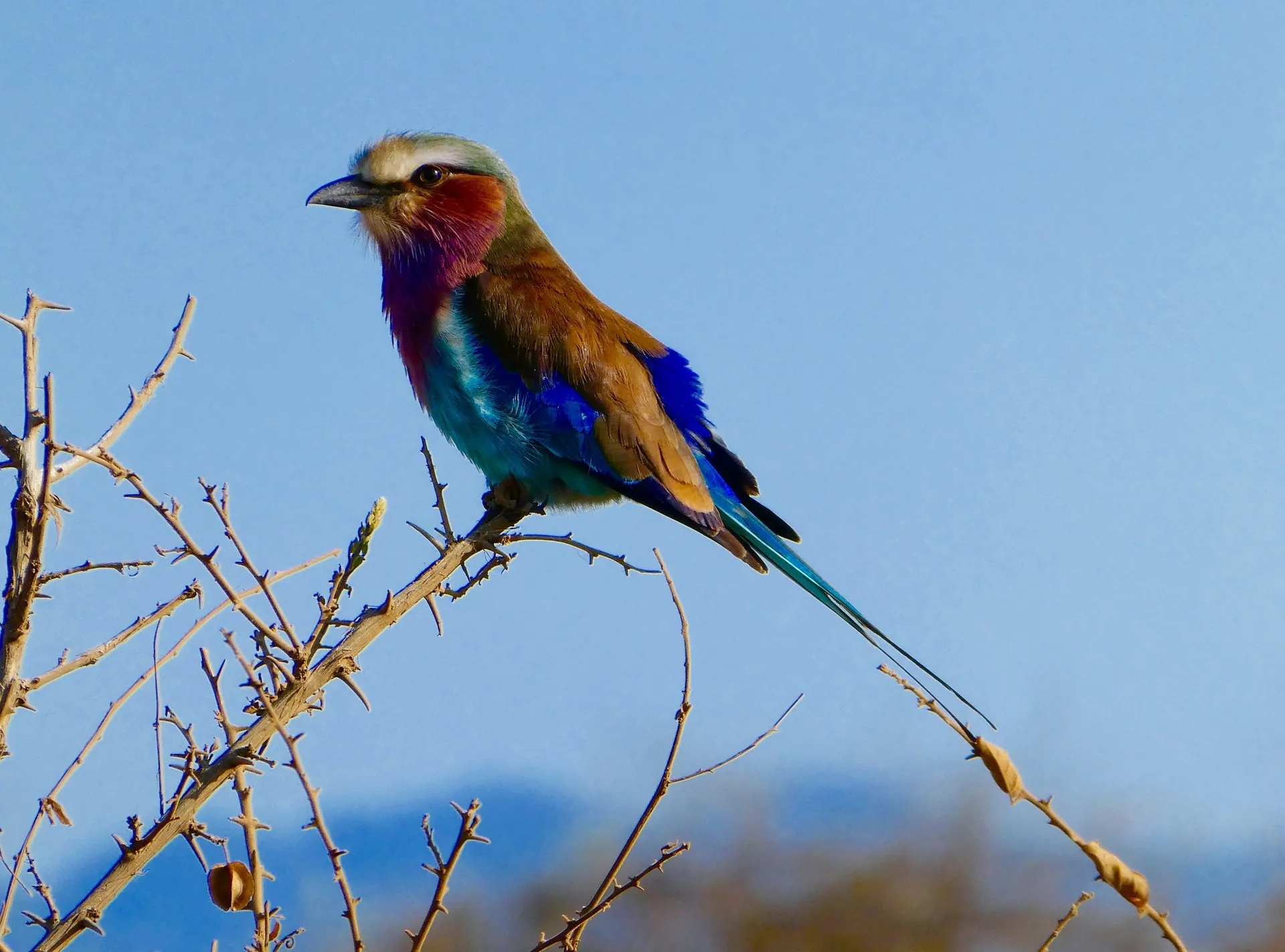
- Birds: migrant species from Europe and Asia are in Kenya from about November to April, and many resident birds breed in their brightest colors
- Light: the dust settles, the air clears and storm clouds build over green plains, which photographers love
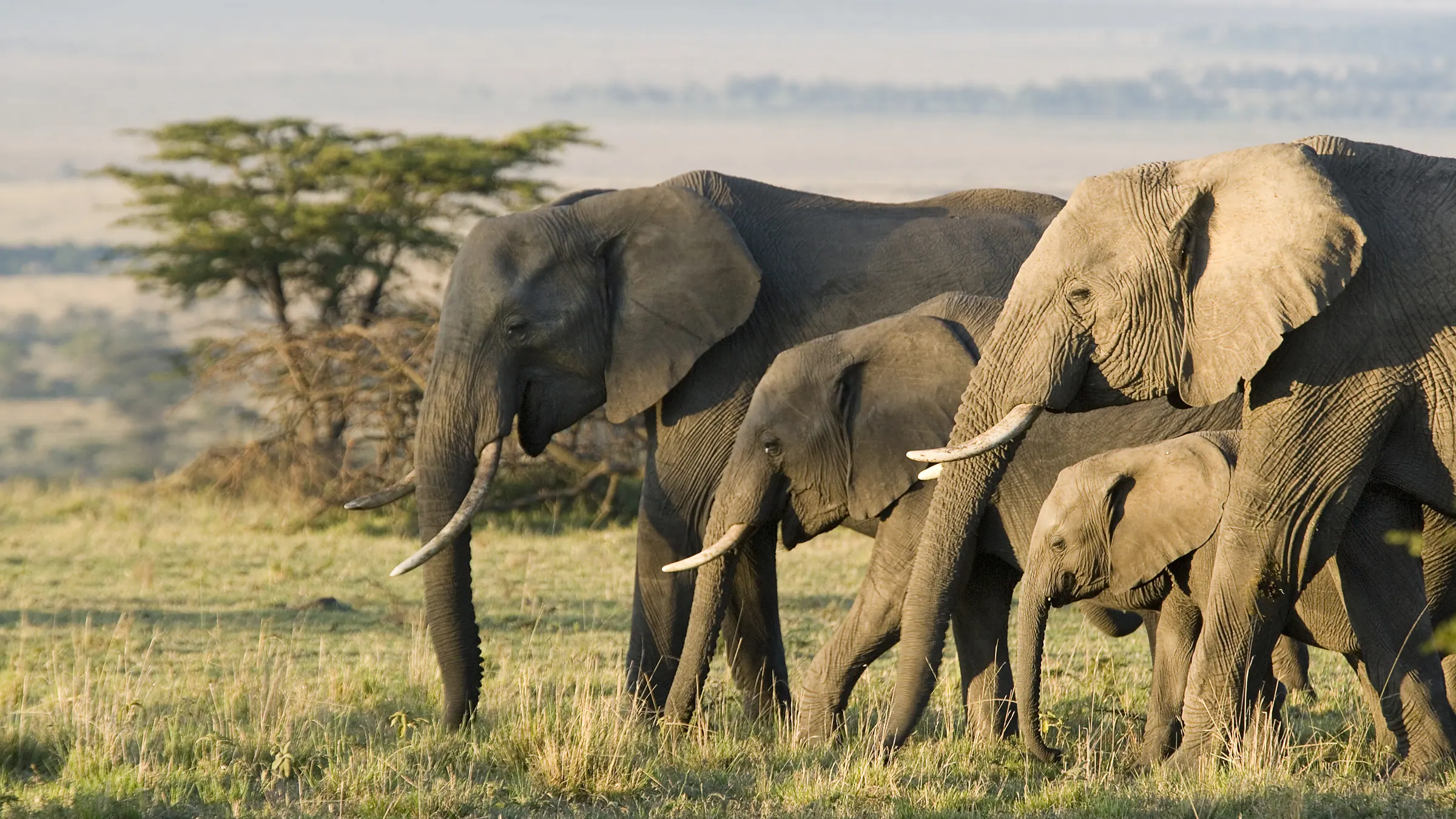
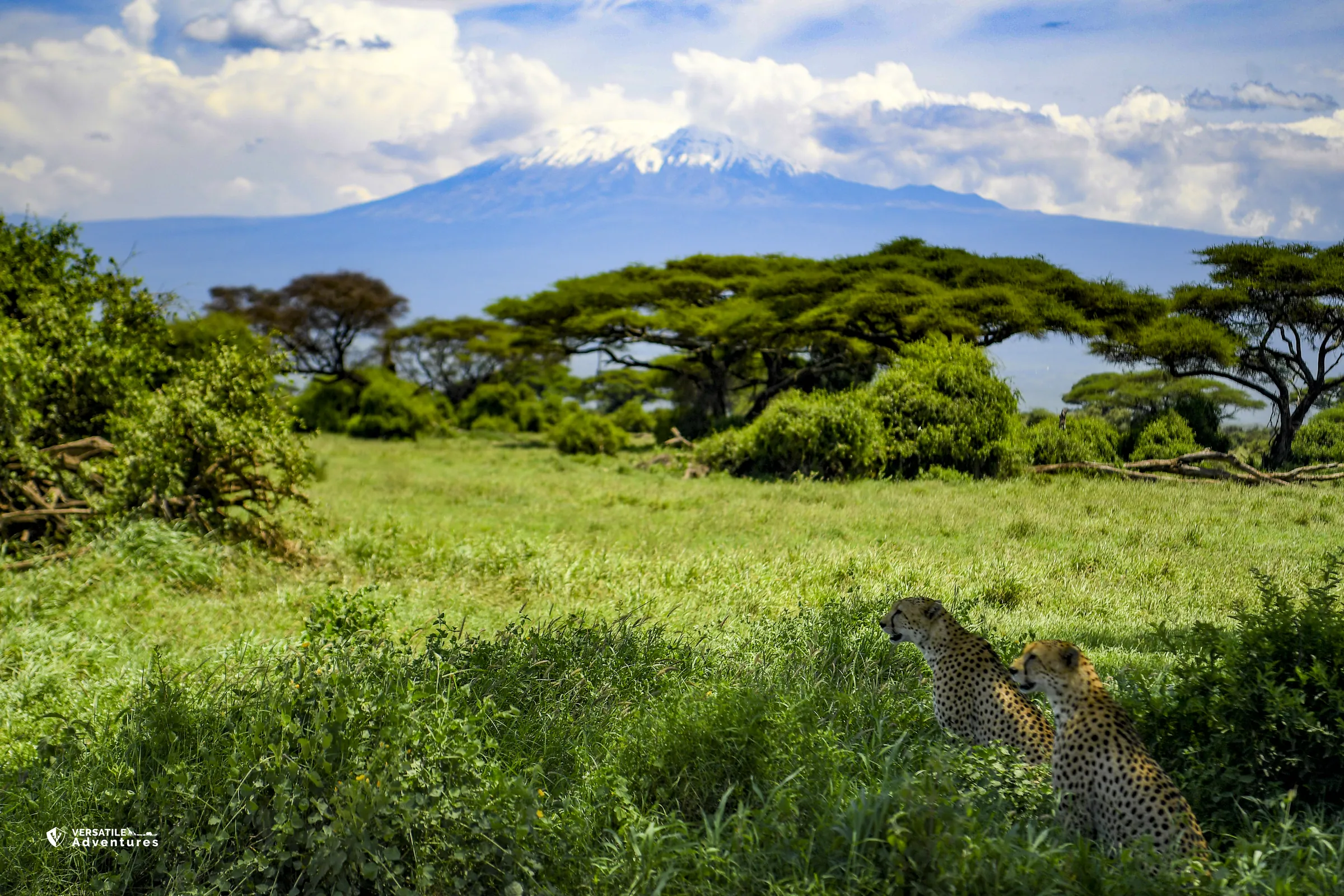
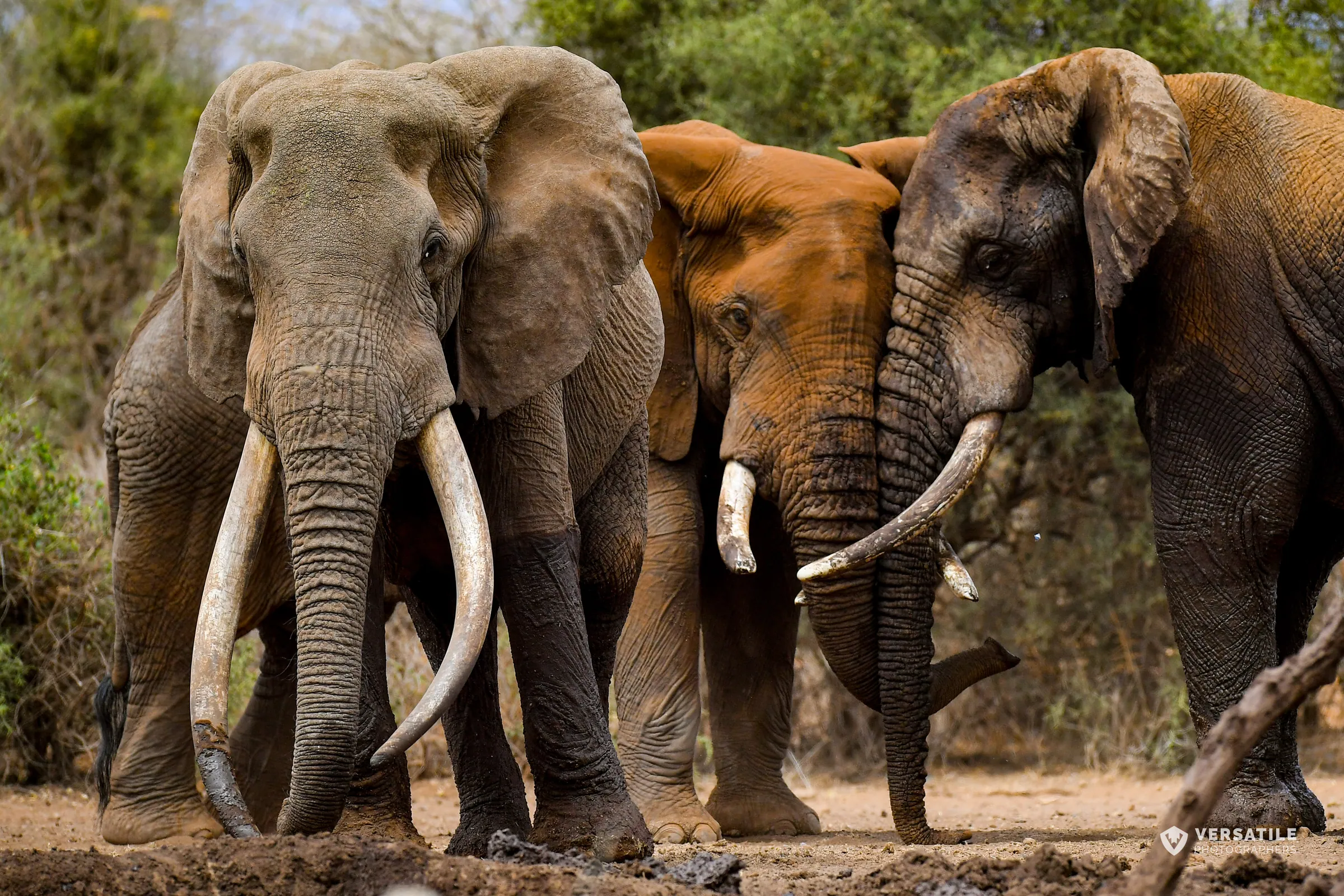
- The resident animals stay: the Mara's lions, cheetahs, leopards and elephants do not leave when the herds do
What it takes away
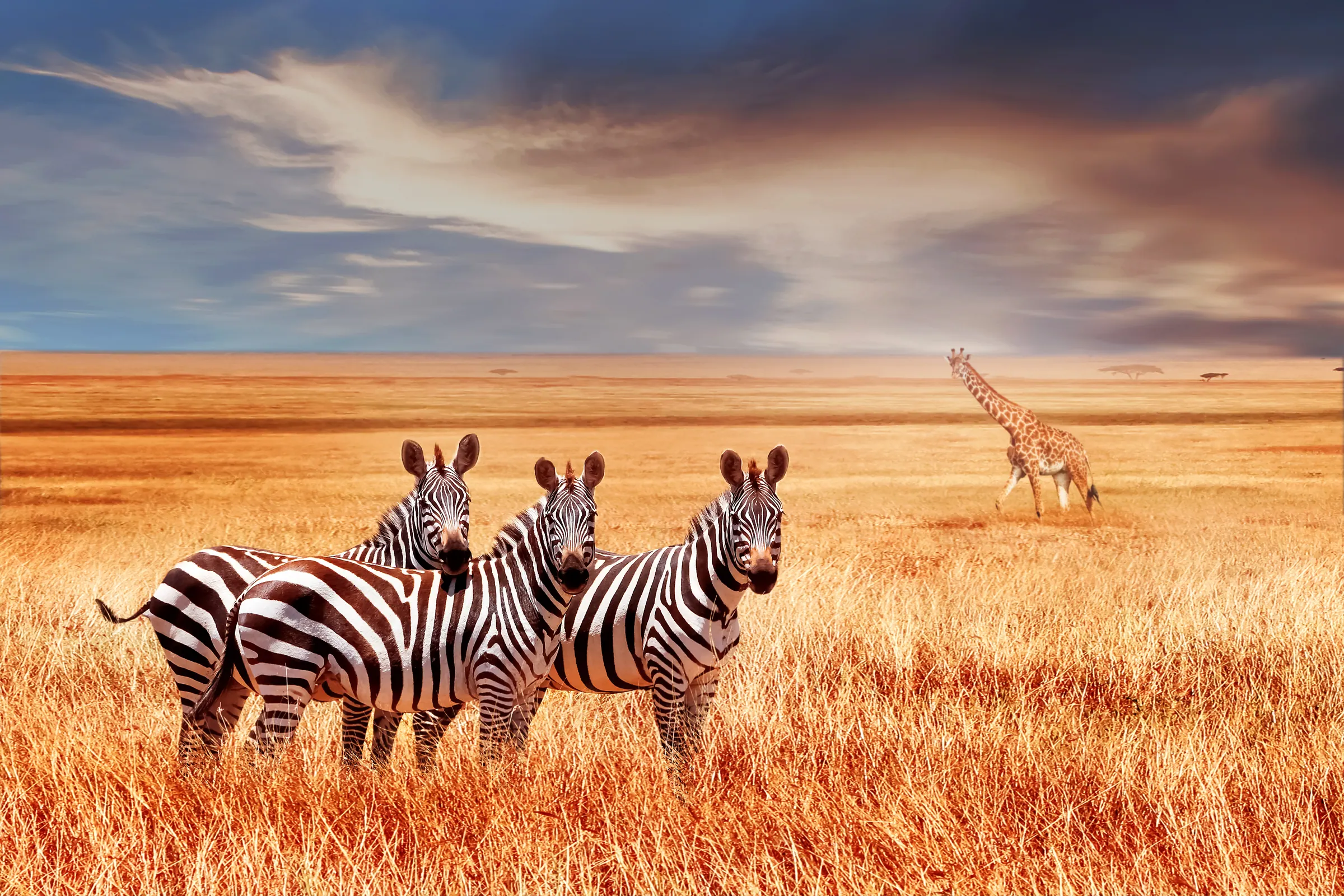
- The migration: from about December to June the wildebeest herds are in Tanzania's Serengeti, so there are no Mara River crossings
- Easy spotting: after the long rains the grass grows tall, and cats are harder to find until it is grazed down
- Dry roads: the Mara's black cotton soil turns to deep mud, some tracks close after heavy rain, and road journeys take longer
- Some camps: a number of camps and lodges close for part of April and May for maintenance, and some coast hotels close or scale back from about April to June or July
- Beach weather: May is the wettest month on the coast, and the long rains are the worst time for a beach week
- Certainty: rain usually falls in the afternoon or at night, but in a wet week it can fall for most of a day
- Mosquitoes: there are more after rain, so keep up your malaria prevention and sleep under a net
What the difference costs
The fee saving is fixed, and the camp saving depends on the camp. Here is a worked example for two adults spending three nights in the Mara reserve. The camp rate is an illustration of how a 30 to 50 percent green-season discount plays out, not a quote for a particular camp.
| Two adults, three nights in the Mara reserve | August | May |
|---|---|---|
| Reserve fees | 3 x $200 x 2 = $1,200 | 3 x $100 x 2 = $600 |
| Illustrative camp at $800 per person per night in August | $4,800 | About $2,400 to $3,360 at 30 to 50 percent less |
| Total for fees and camp | About $6,000 | About $3,000 to $3,960 |
Flights from the U.S. follow a similar pattern: late January to March and May to early June are usually the cheapest months to fly, while July, August and December are the dearest. Our flights guide covers fares and routes, and our park fees page has every fee in one table.
The sweet spots
- January and February: dry, warm and clear, with the Mara fee at $100; the best of both worlds for many trips, though camps charge high-season rates
- Early June: the rains have eased, the fee is still $100 until June 30, and some camps still charge green-season or shoulder rates
- Late March: hot and green, with prices starting to fall before the heaviest rain
- Early November: the short rains usually come as afternoon showers, the parks are quiet and rates are often lower, though the Mara fee is $200
Where to go in the rains
- The Mara conservancies: the resident predators and smaller camps, with walks and night drives; check which camps are open
- Lake Nakuru and Lake Naivasha: easy access on good roads, rhinos at Nakuru and boats on Naivasha, rain or shine
- Nairobi National Park: a half-day safari from the city that works in any weather
- Samburu and Amboseli: the drier parks green up quickly after rain, and Samburu stays relatively dry in the long rains
- Avoid: a long beach stay in May, climbing Mount Kenya in the long rains, and long road transfers on dirt after heavy rain
Choose the dry season if
- The migration and the river crossings are the reason for your trip: go from late July to October
- You are on a first safari and want the easiest game viewing, with short grass and animals at the water
- You are combining the safari with a beach week or a Mount Kenya climb
- You can only travel in the U.S. summer, which falls in the long dry season anyway
Choose the green season if
- Value matters: you want a better camp or more nights for the same budget
- You dislike crowds and want sightings to yourself
- You are a photographer, a birder or someone who loves baby animals
- You have been on safari before and want to see the Mara's residents properly
Our advice
Pick your season by what you most want to see, then pick your camps. For crossings, late July to October, booked early. For value with dry weather, January and February. For the deepest discounts, April and May in the Mara conservancies and the Rift Valley lakes, with the beach saved for another trip. We check which camps are open for your dates and show you the price difference in writing, so you can decide with real numbers.
Why plan with us: Kenya Experience is Kenyan-led, with two U.S. companies behind it, GCK Travel and Roundtrip Safaris, and Kenyan guides on the ground. You can pay in full or monthly with no deposit, and a specialist replies within two business days.