Wildlife. Updated November 2026. 3 min read.
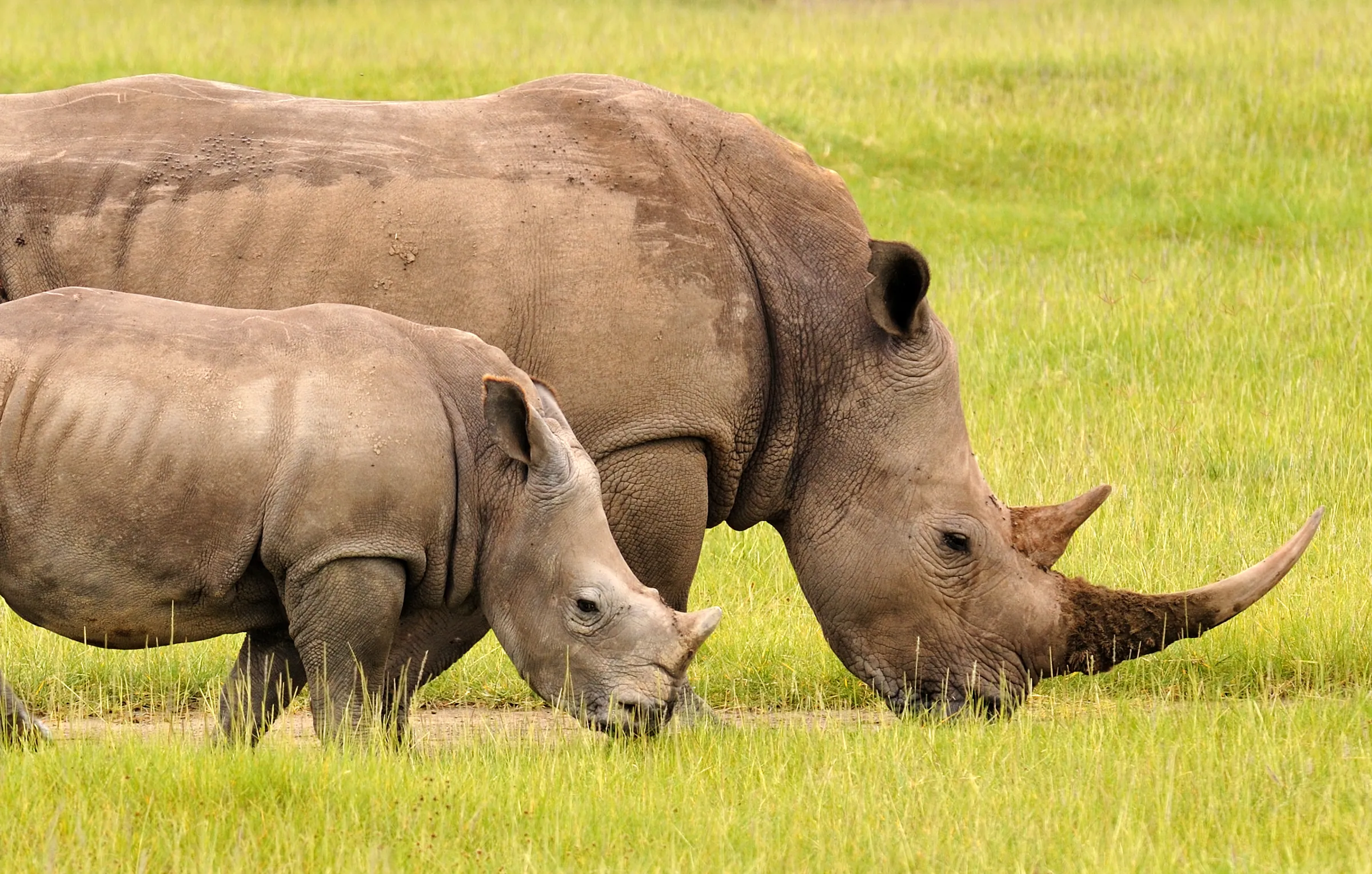
White rhinos in Borana: a sanctuary population, closely guarded and reliably seen. Black rhinos shared with Lewa, horses, mountain bikes and Mount Kenya filling the southern sky. A square-lipped grazer of open grassland, calmer and more sociable than the black rhino, seen in small groups on short grass.
Where to find white rhinos in Borana
- Rhinos on horseback.
Easy: the sanctuaries' open grassland shows them from a distance, and the rangers know where each group grazes. In Borana the best time of day is all day on open plains; they graze through the morning and rest in the shade at midday. Because this is a conservancy, your guide can leave the track at a sighting and stay out after dark, which doubles your chances with the nocturnal animals.
When to see white rhinos in Borana
The best months in Borana are January, February, March, June, July, August, September, October. Rhinos are seen year round in the sanctuaries; the dry months and short grass make it easier. The month pages for Borana have the detail for your dates.
Photographing white rhinos in Borana
The easiest rhino to photograph; a mother and calf on green grass after the rains, or against Mount Kenya at Ol Pejeta. Mount Kenya on the horizon at dawn is the background to work for.
Also in Borana
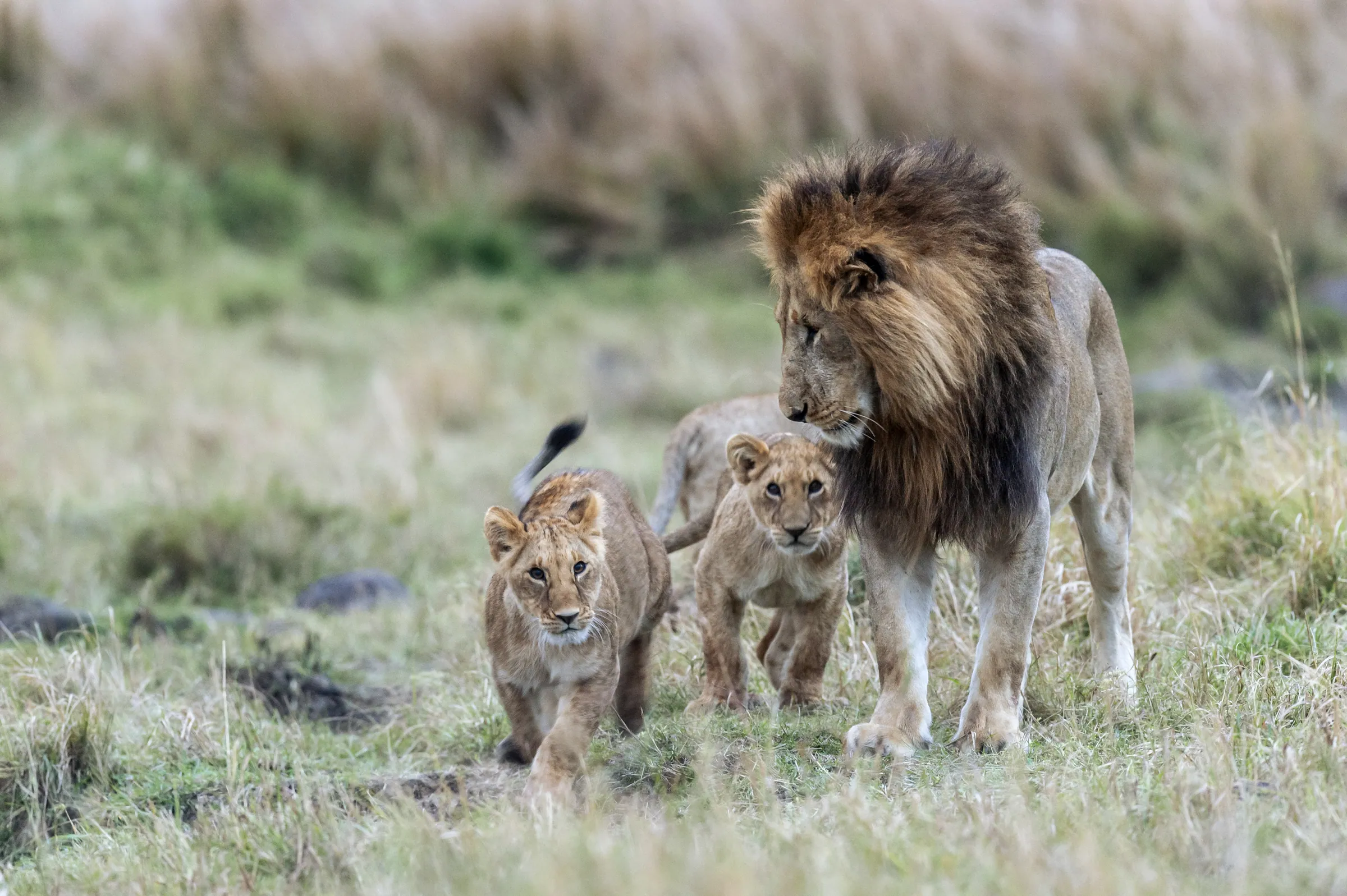
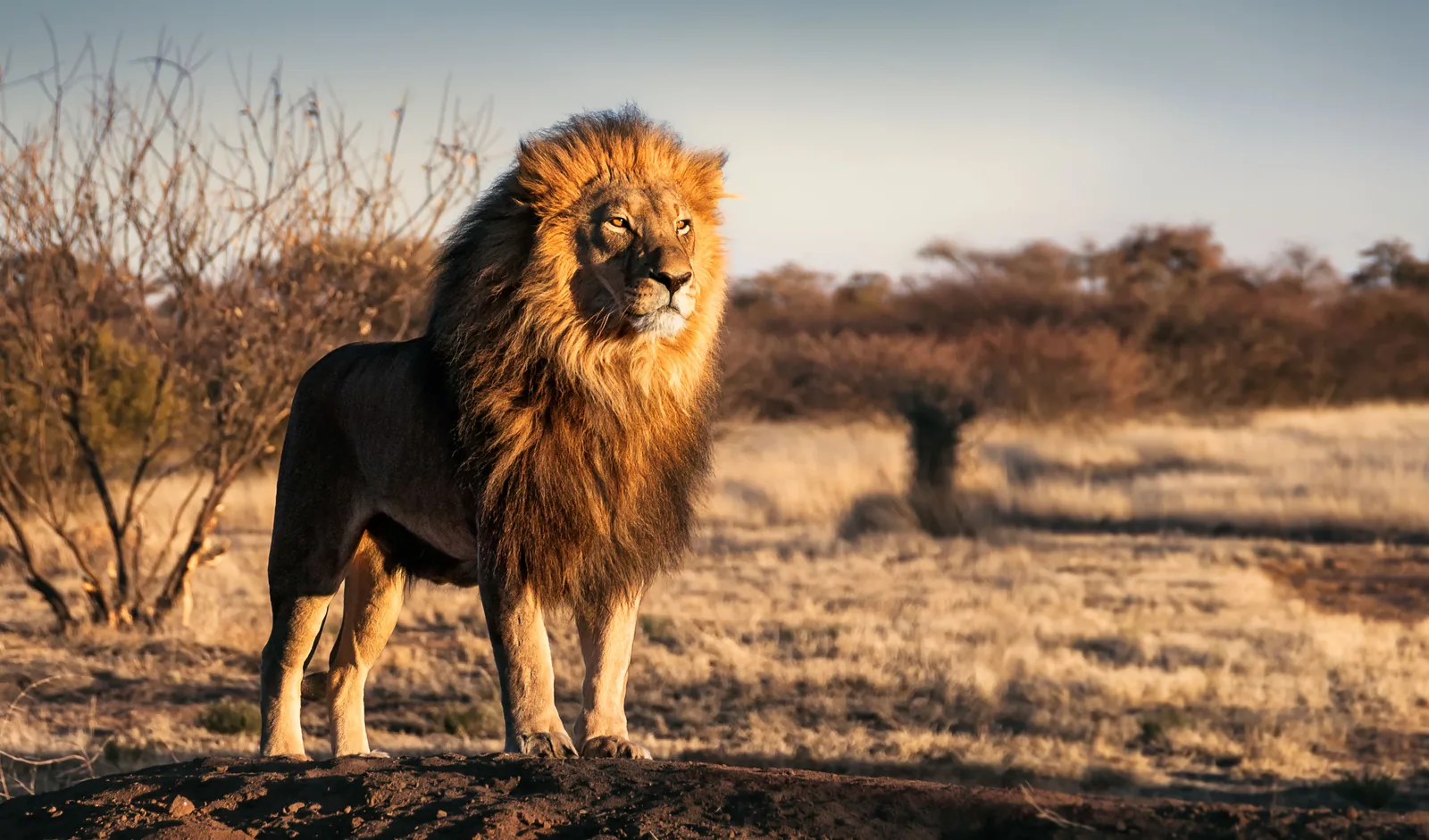
- Lions: Prides of related females with cubs and a coalition of males hold territories around water and prey.
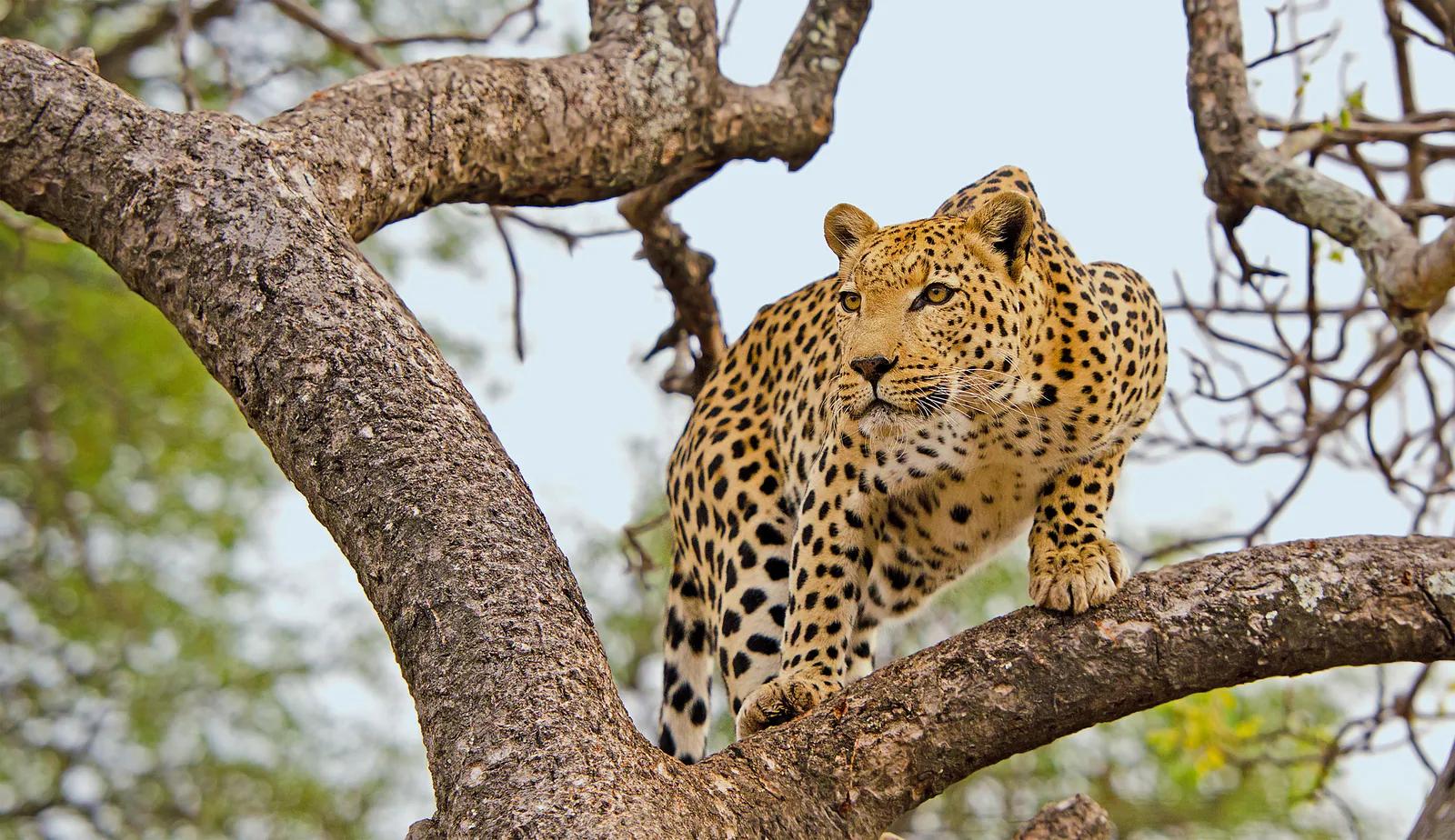
- Leopards: Solitary.
- Cheetahs: Daytime hunters of open plains.
- Elephants: Family herds led by a matriarch walk 20 km a day between feeding grounds and water.
- Black rhinos: A browser of thickets with a hooked.
Status
White rhino (Ceratotherium simum): Near Threatened (southern); the northern subspecies is down to two animals, at Ol Pejeta. Najin and Fatu, the last two northern white rhinos on Earth, live under armed guard at Ol Pejeta. Your fees in Borana (Conservancy fee of about $130 per adult per day, built into the lodge rate (verify)) pay the rangers who protect them.