Wildlife. Updated November 2026. 3 min read.
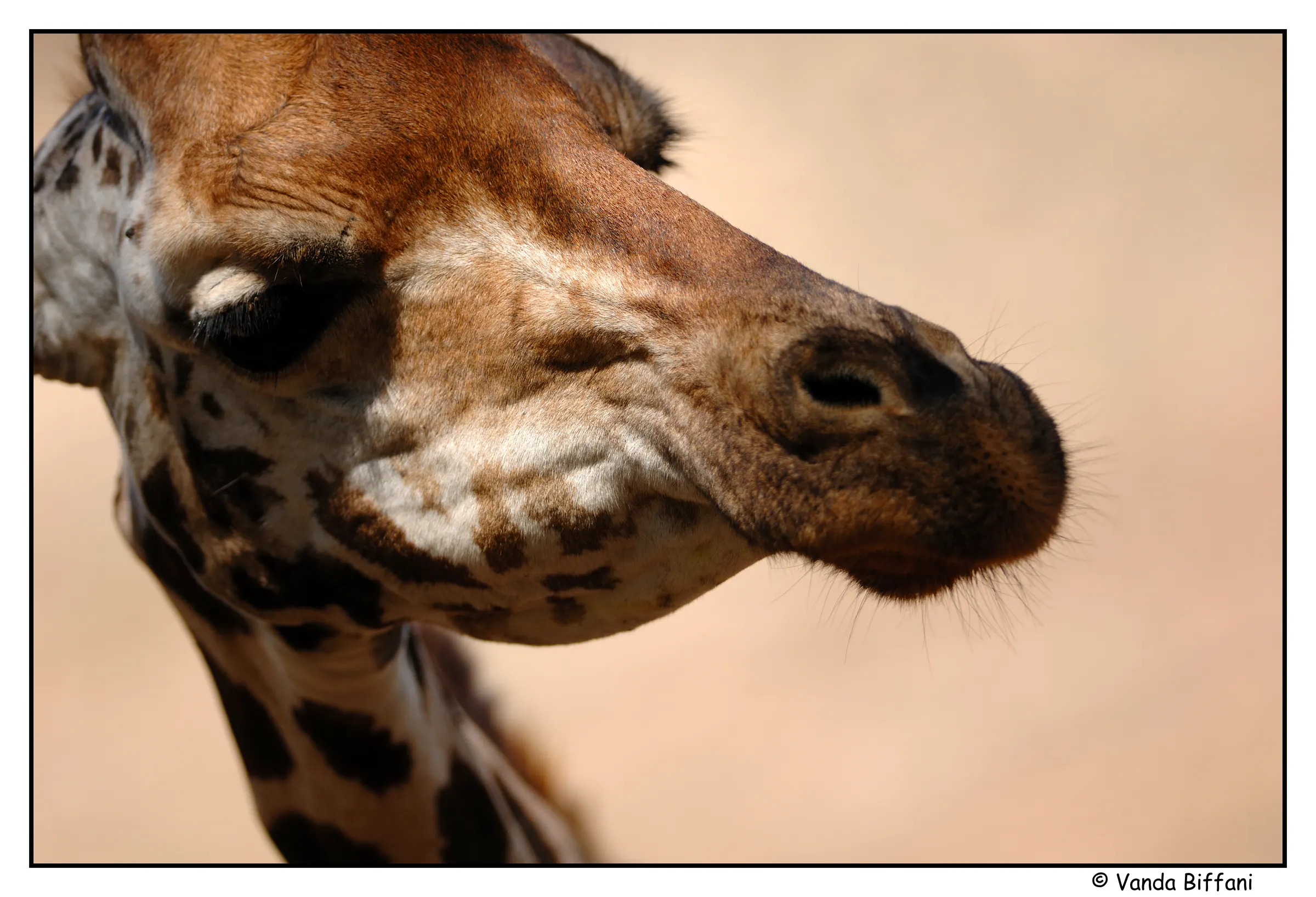
Giraffes in Tsavo East: a healthy population. Kenya's largest park: red elephants, the Yatta plateau and huge skies, an easy add-on to the coast. Browsers of acacia tops that walk in loose herds and can go days without drinking; they splay their legs to reach water and are most vulnerable then.
Where to find giraffes in Tsavo East
- Red-dusted elephants at the Galana River.
- The Aruba dam waterhole.
Hard to miss on open savanna; guides look for the heads above the acacia canopy. In Tsavo East the best time of day is all day; they feed in the cool hours and stand in the shade at noon. Park rules keep vehicles on the tracks and inside the 6 am to 6 pm day, so the dawn start matters.
When to see giraffes in Tsavo East
The best months in Tsavo East are January, February, June, July, August, September, October. The dry season is easiest, but this species is seen in every month. The month pages for Tsavo East have the detail for your dates.
Photographing giraffes in Tsavo East
Silhouettes at sunset, a head among acacia thorns, the splayed drink at a waterhole. Kilimanjaro or the red Tsavo earth give the backgrounds here.
Also in Tsavo East
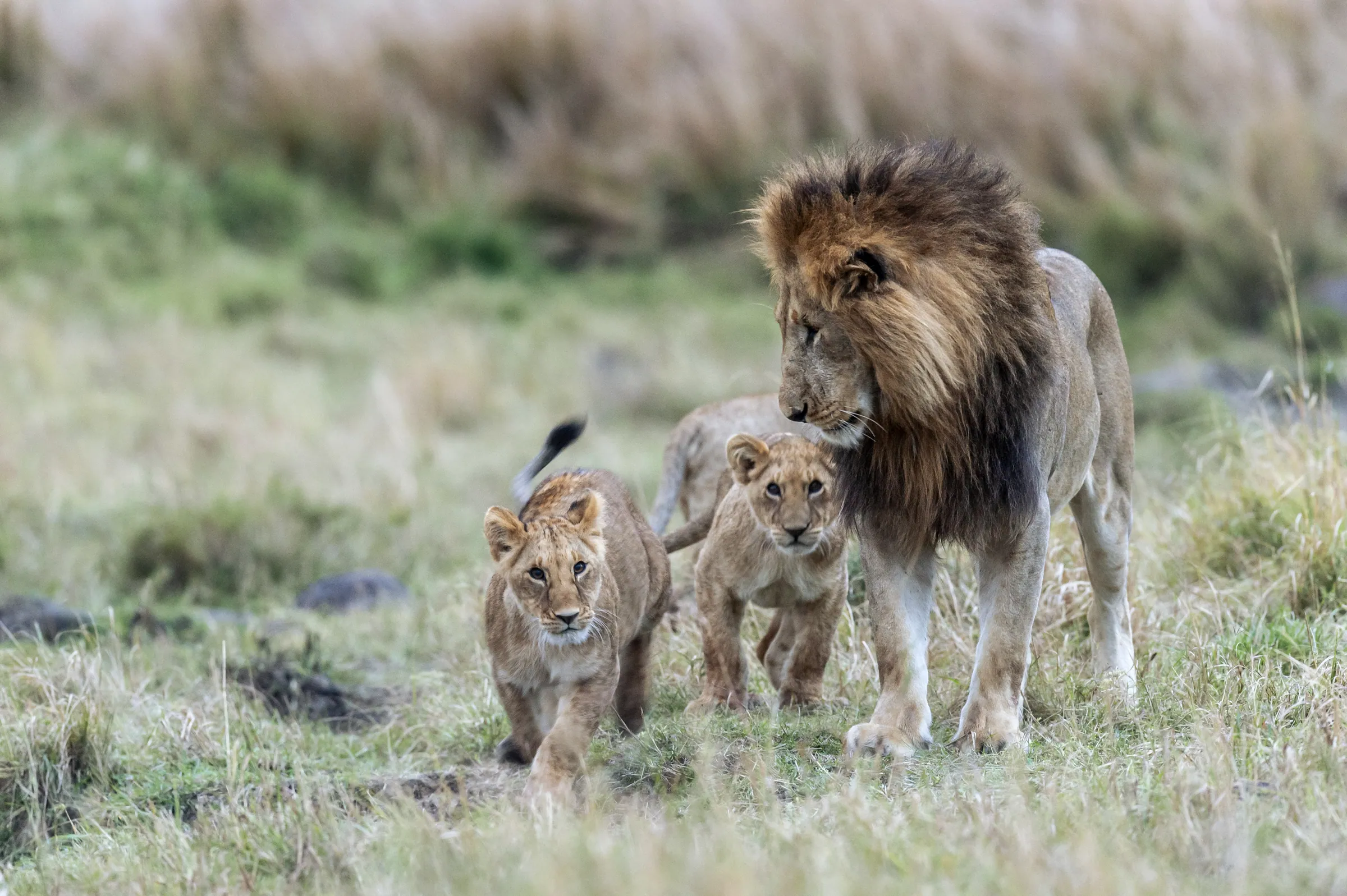
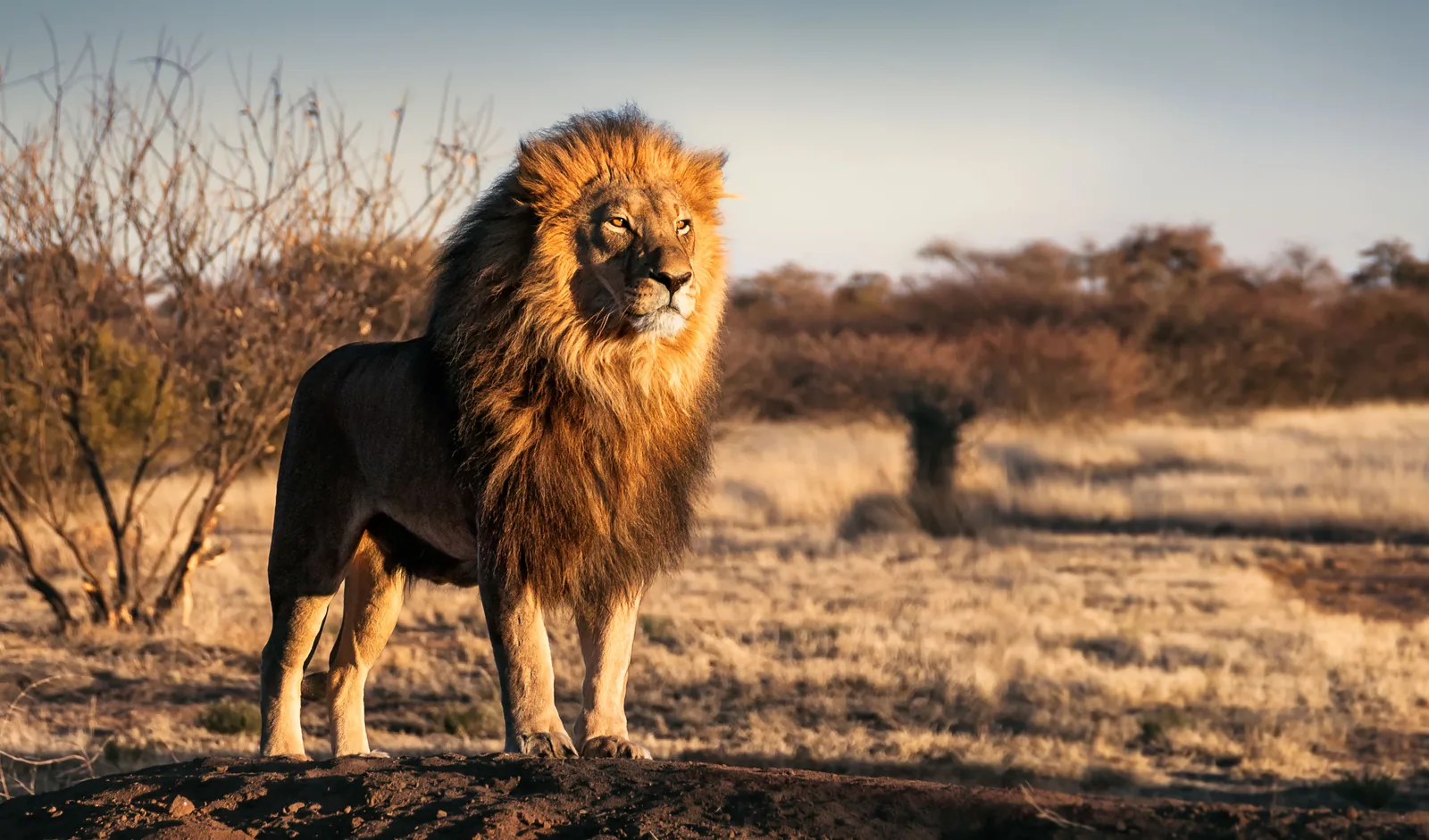
- Lions: Prides of related females with cubs and a coalition of males hold territories around water and prey.
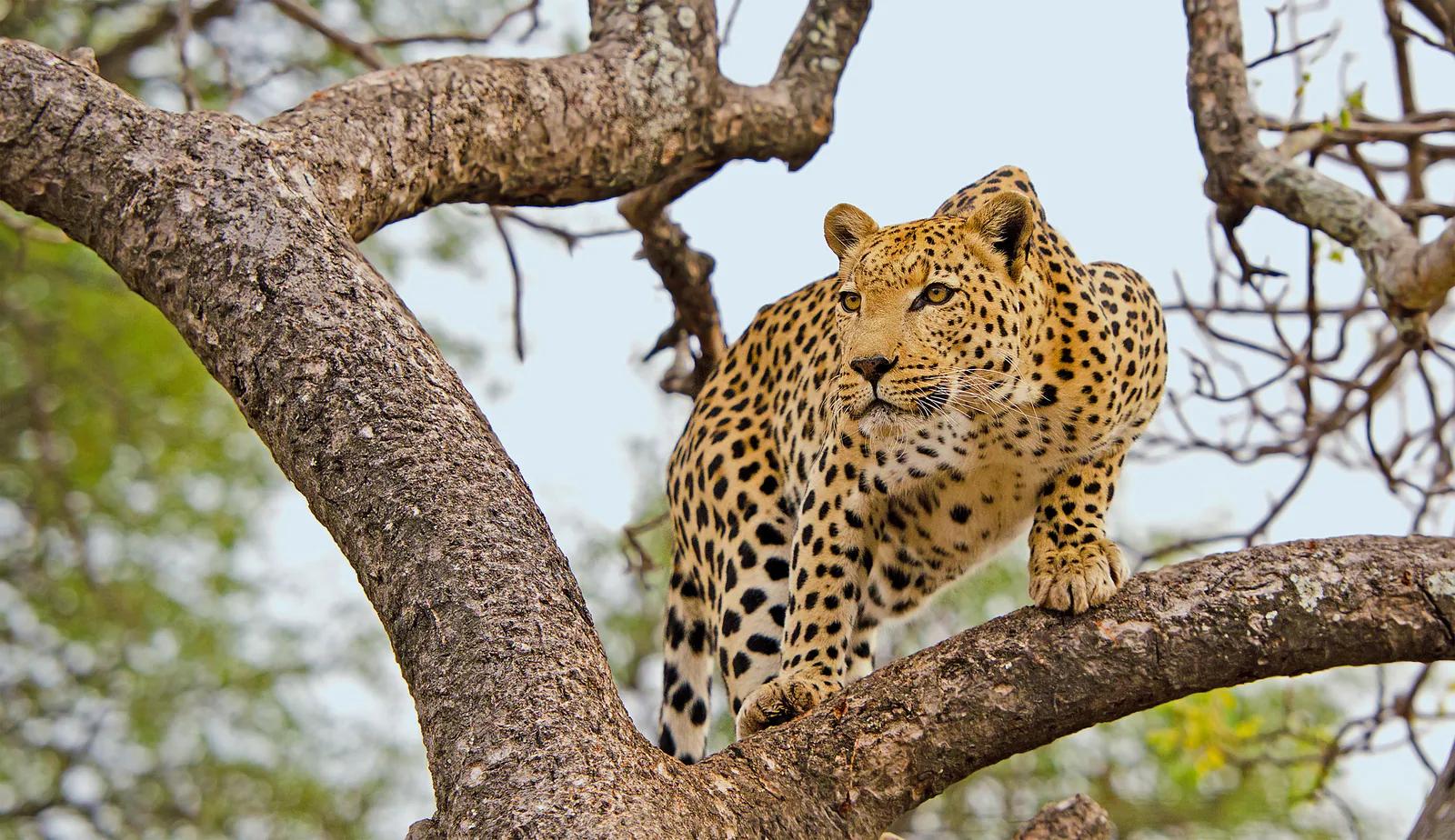
- Leopards: Solitary.
- Cheetahs: Daytime hunters of open plains.
- Elephants: Family herds led by a matriarch walk 20 km a day between feeding grounds and water.
- Buffalo: Herds of hundreds graze open grassland and drink daily.
Status
Giraffe (Giraffa camelopardalis): Vulnerable; Kenya has three kinds: Maasai, reticulated and Rothschild's. Which giraffe you see tells you where you are: Maasai giraffes in the south, reticulated in the north, Rothschild's at Lake Nakuru and Ruma. Your fees in Tsavo East ($80 per adult per day) pay the rangers who protect them.