Wildlife. Updated November 2026. 3 min read.
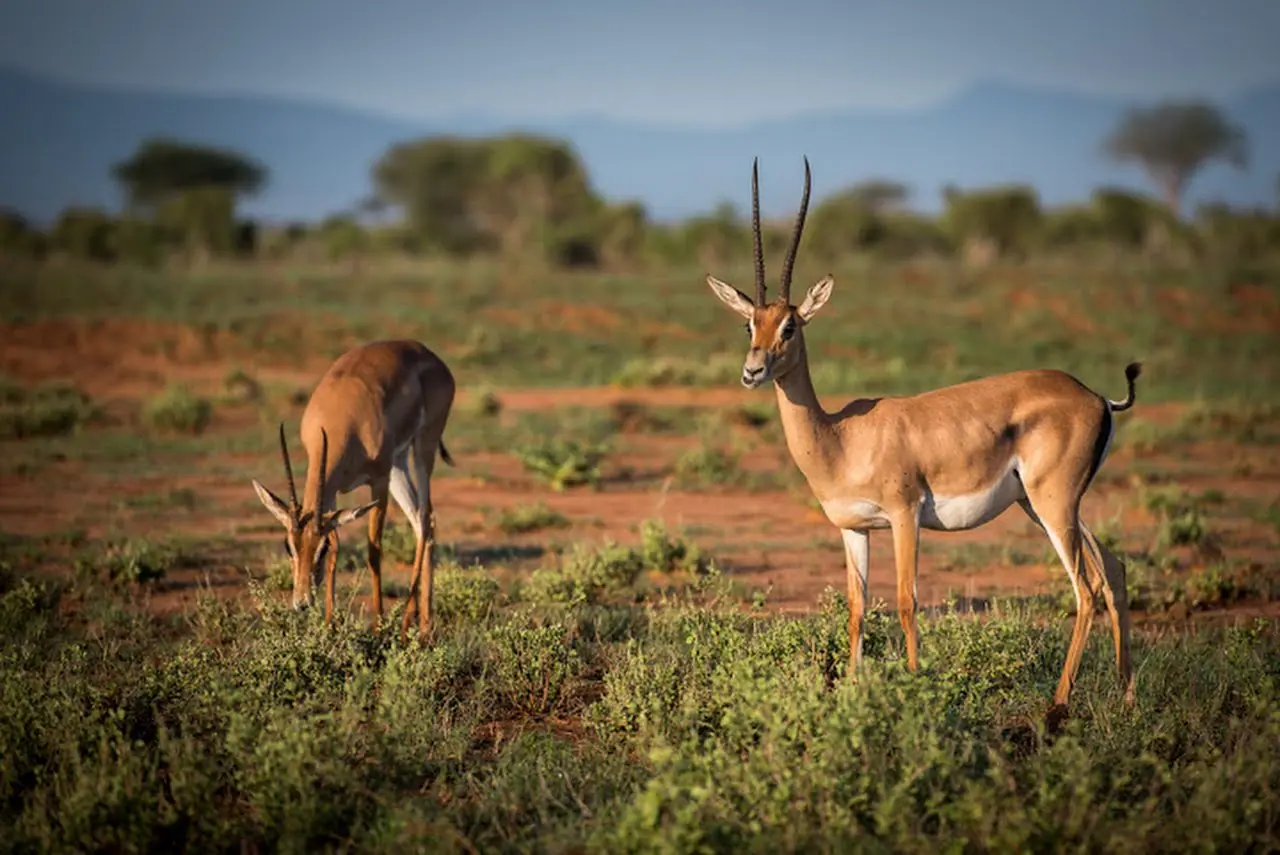
Gerenuks in Samburu: a northern stronghold. The dry north: the Samburu Special Five, elephants on the Ewaso Nyiro and the red-robed Samburu people. A long-necked gazelle that stands on its hind legs to browse acacias two metres up; it never needs to drink.
Where to find gerenuks in Samburu
- Grevy's zebra, reticulated giraffe, beisa oryx, gerenuk and Somali ostrich.
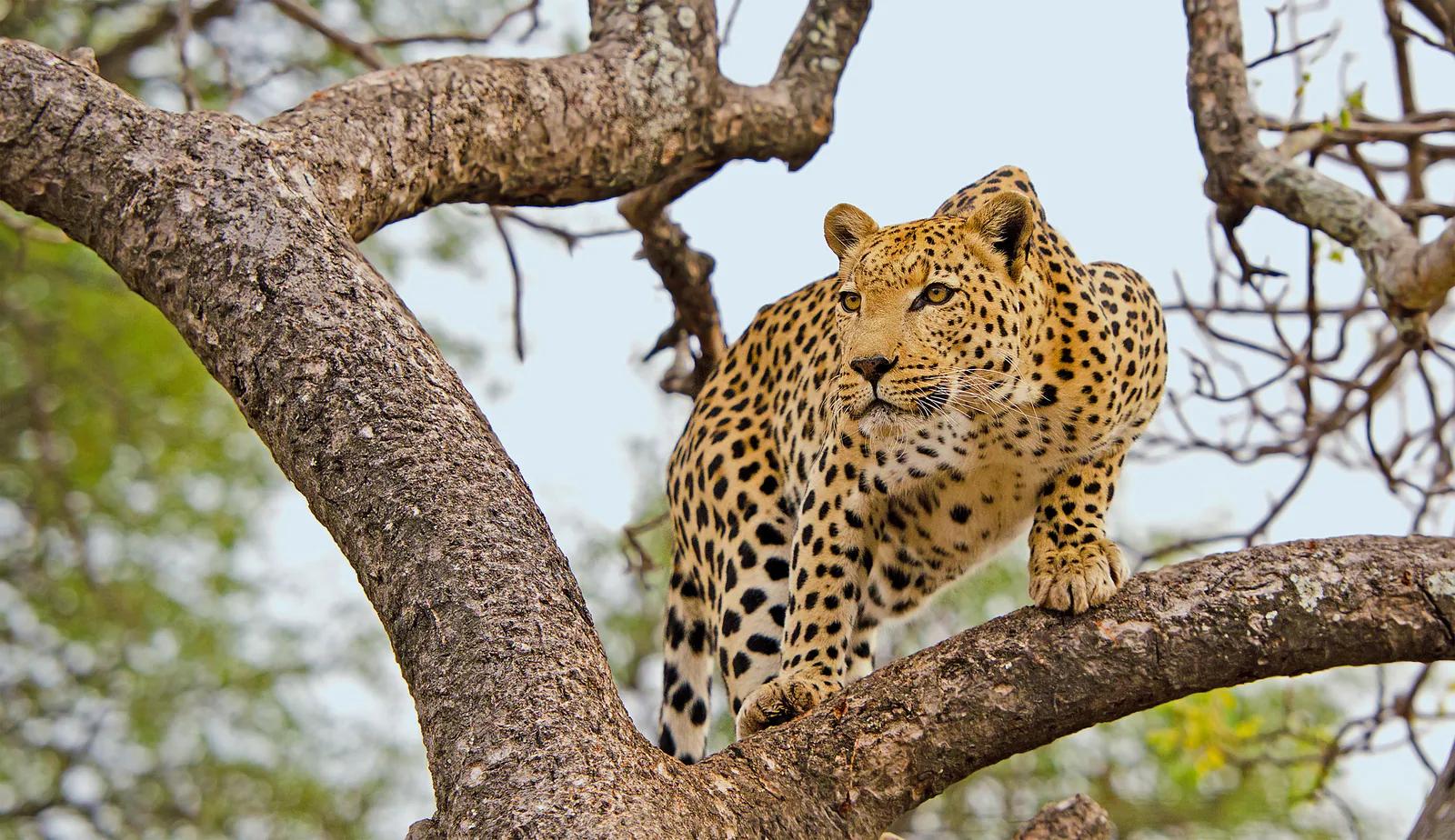
- Leopards along the river.
- Buffalo Springs and Shaba across the river.
Guides look for the upright silhouette in the thorn scrub, often in pairs or small groups. In Samburu the best time of day is early and late in dry bush; it freezes behind a bush and stares rather than running. Your guide will know the territories and the week's sightings.
When to see gerenuks in Samburu
The best months in Samburu are January, February, March, June, July, August, September, October. The dry months bring the northern game to the river every day. The month pages for Samburu have the detail for your dates.
Photographing gerenuks in Samburu
The standing-up feeding pose is the shot; wait beside a feeding animal and it will rise again. The red earth, doum palms and the river give the north its look.
Also in Samburu
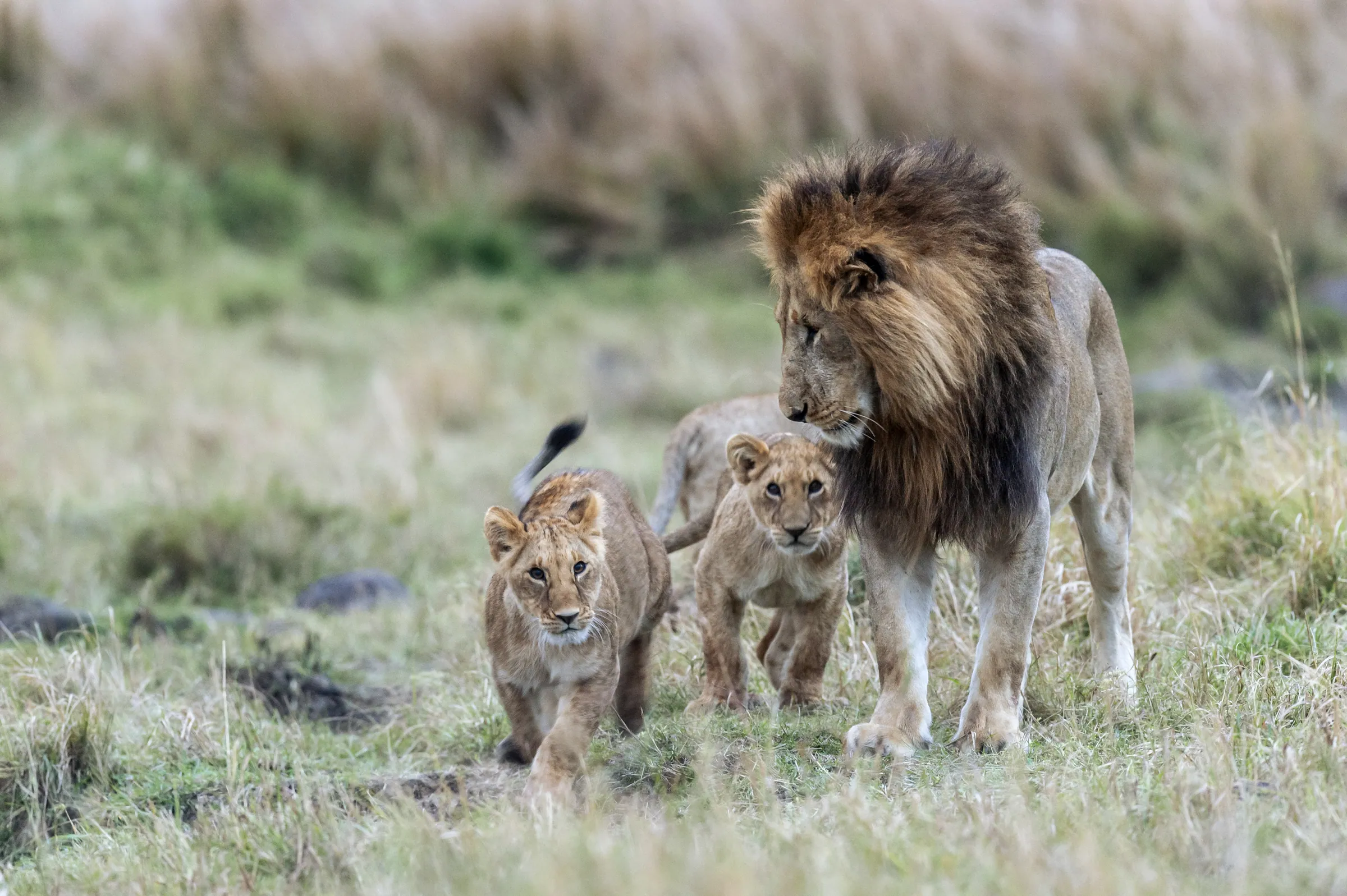
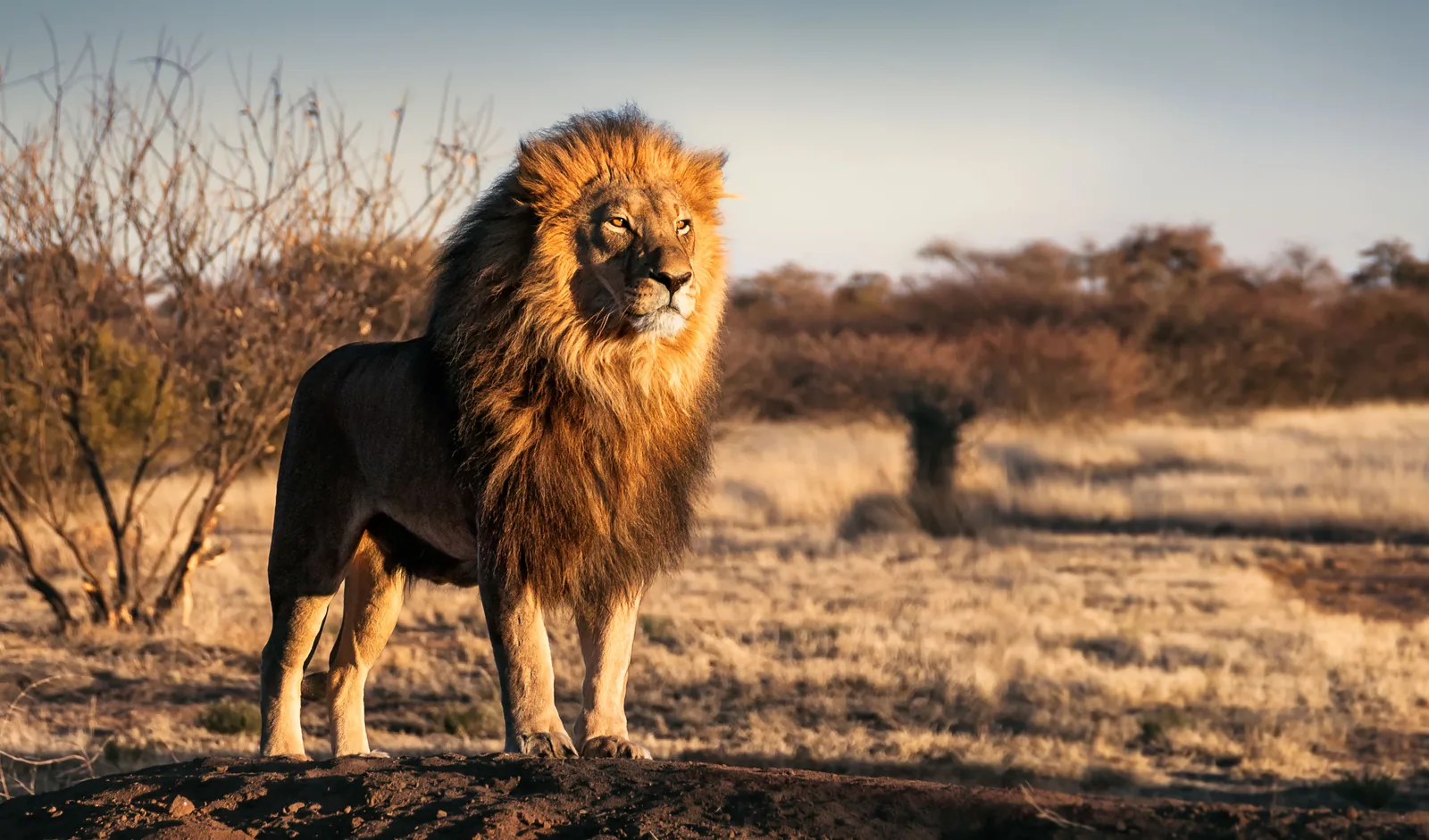
- Lions: Prides of related females with cubs and a coalition of males hold territories around water and prey.
- Leopards: Solitary.
- Cheetahs: Daytime hunters of open plains.
- Elephants: Family herds led by a matriarch walk 20 km a day between feeding grounds and water.
- Giraffes: Browsers of acacia tops that walk in loose herds and can go days without drinking.
Status
Gerenuk (Litocranius walleri): Near Threatened. Its name is Somali for giraffe-necked. Your fees in Samburu ($70 per adult per day (county reserve)) pay the rangers who protect them.