Wildlife. Updated November 2026. 3 min read.
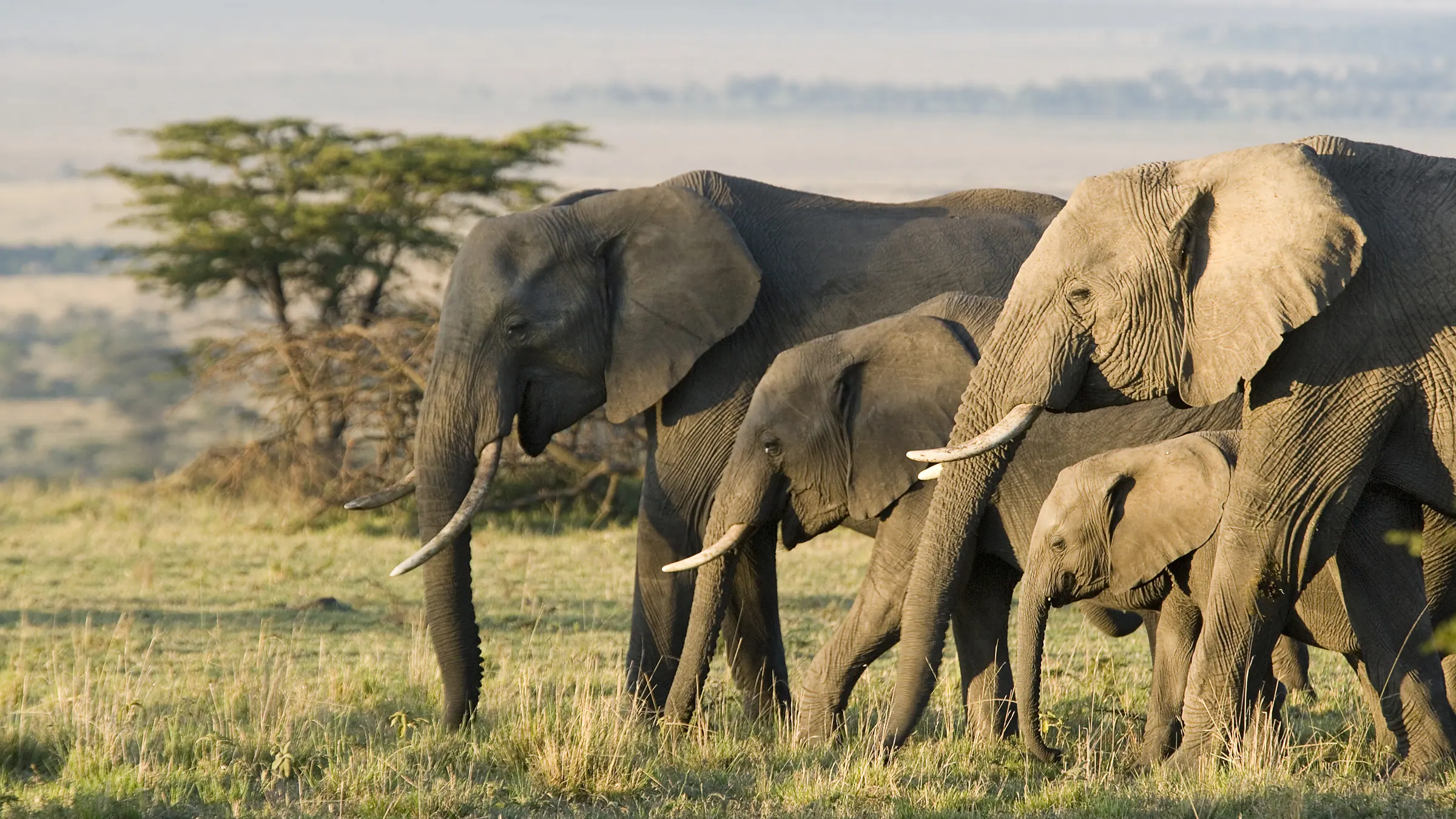
Elephants in Tsavo West: some of the biggest herds in the country. Volcanic hills, the Mzima Springs underwater hide and the Ngulia rhino sanctuary. Family herds led by a matriarch walk 20 km a day between feeding grounds and water, drinking up to 200 litres; bulls range alone or in bachelor groups and join the herds in musth.
Where to find elephants in Tsavo West
- Mzima Springs and its hippo-viewing tank.
- The Shetani lava flow and Chaimu crater.
- Ngulia rhino sanctuary.
Fresh dung, broken branches and the great flattened paths tell a guide where a herd passed; the swamps, rivers and springs are the daily meeting points in the dry season. In Tsavo West the best time of day is late morning and midday at water, dawn and dusk on the move. Park rules keep vehicles on the tracks and inside the 6 am to 6 pm day, so the dawn start matters.
When to see elephants in Tsavo West
The best months in Tsavo West are January, February, June, July, August, September, October. The dry months pull the herds to permanent water, where they are easiest to see; the rains scatter them. The month pages for Tsavo West have the detail for your dates.
Photographing elephants in Tsavo West
Wide lenses work as well as long ones: a herd walking towards you across open ground, dust at sunset, calves under their mothers' bellies. Kilimanjaro or the red Tsavo earth give the backgrounds here.
Also in Tsavo West
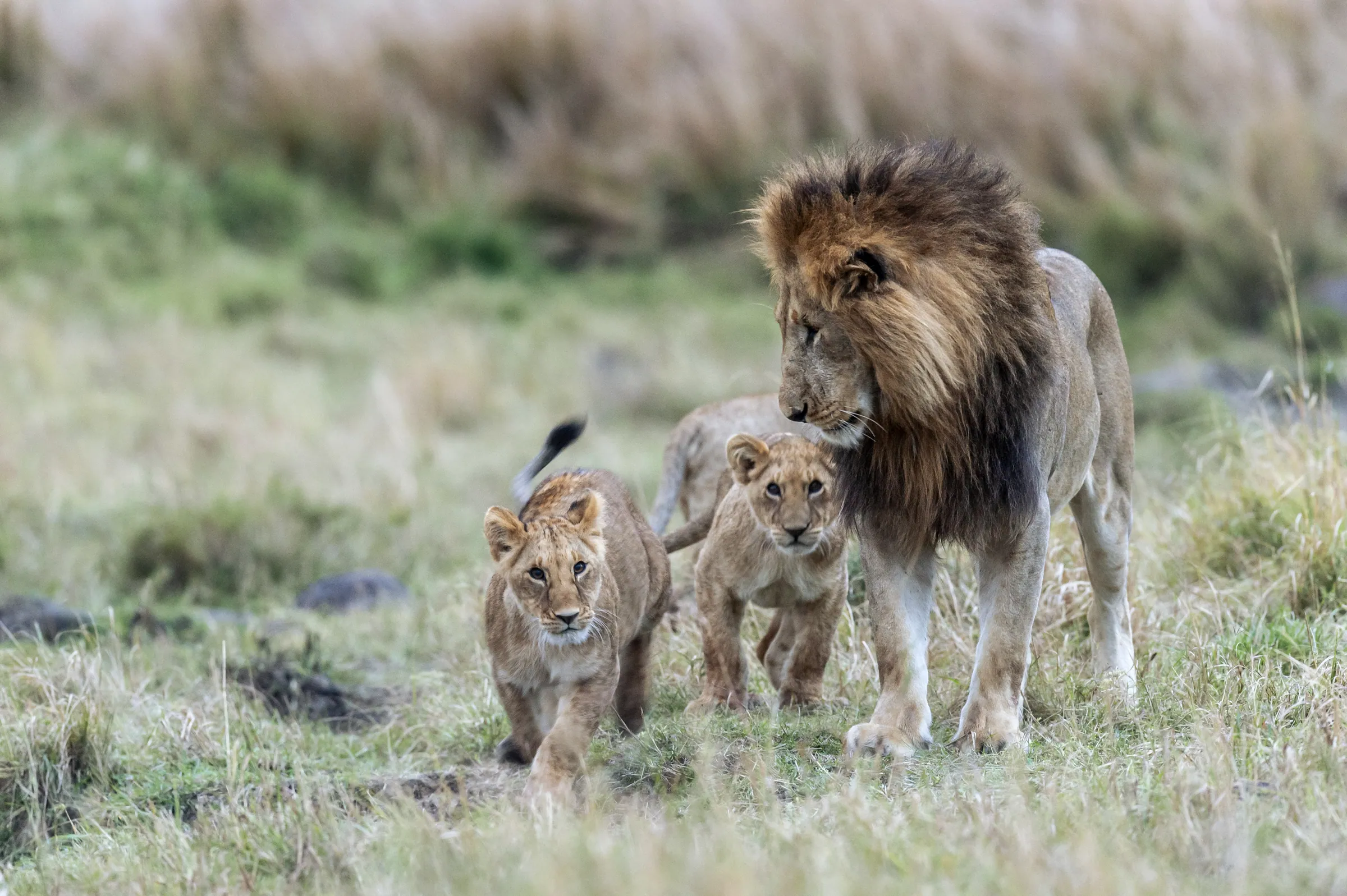
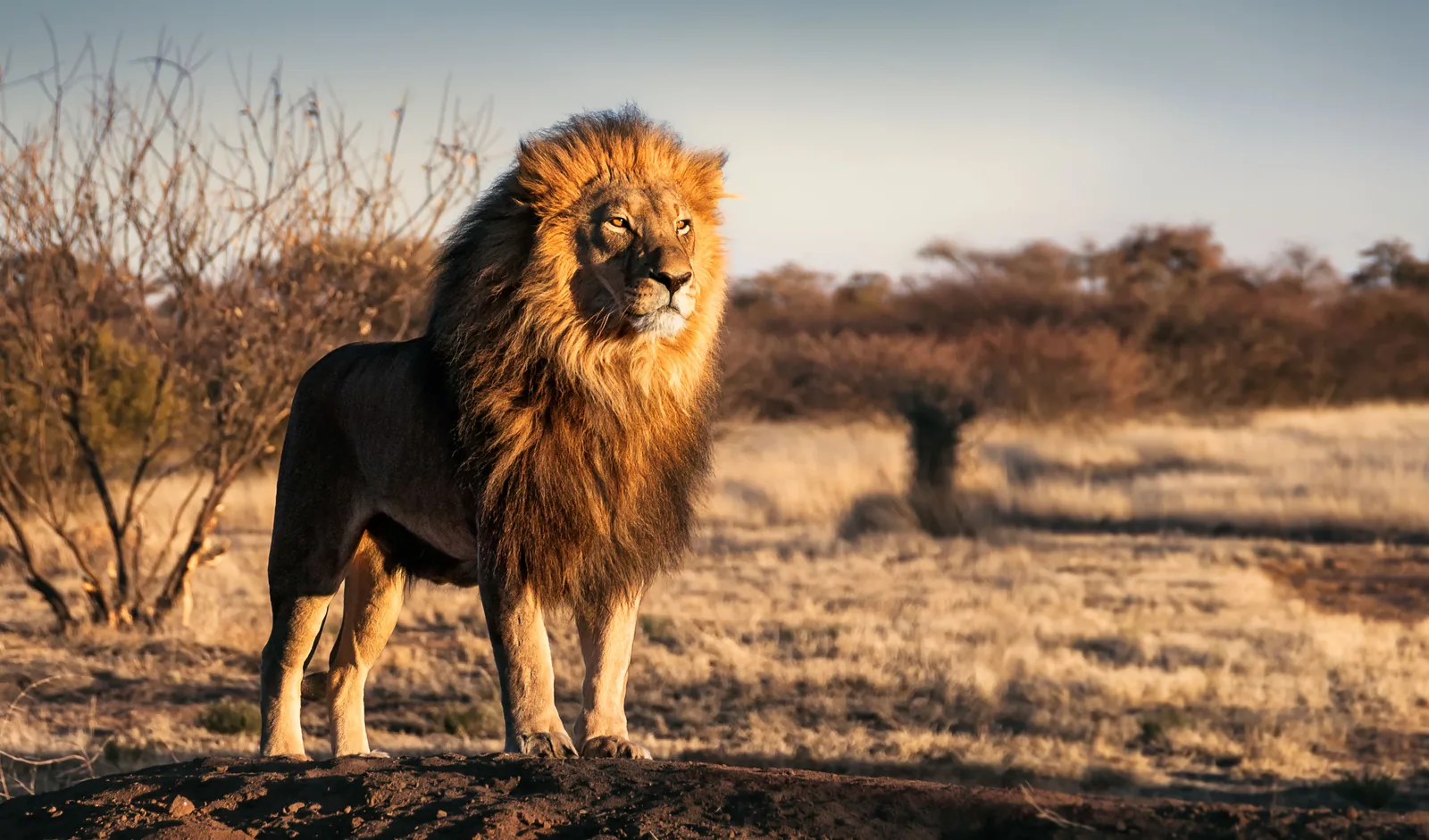
- Lions: Prides of related females with cubs and a coalition of males hold territories around water and prey.
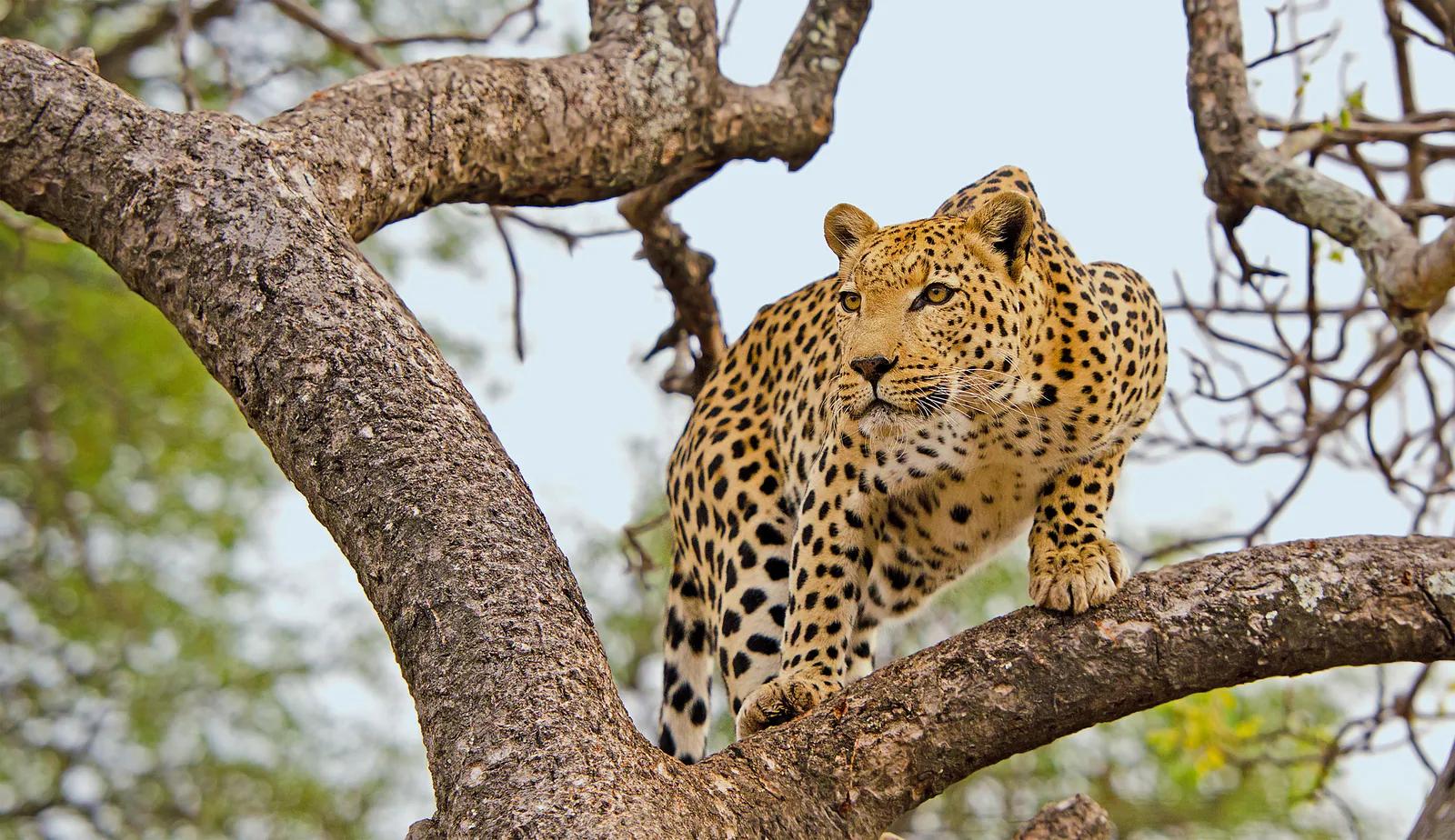
- Leopards: Solitary.
- Cheetahs: Daytime hunters of open plains.
- Black rhinos: A browser of thickets with a hooked.
- Giraffes: Browsers of acacia tops that walk in loose herds and can go days without drinking.
Status
Elephant (Loxodonta africana): Endangered globally; Kenya's population has grown to about 42,000 (2025 census). Kenya's elephants include the last of Africa's 'big tuskers', bulls with tusks over 45 kg a side, in Amboseli and Tsavo. Your fees in Tsavo West ($80 per adult per day) pay the rangers who protect them.