Wildlife. Updated November 2026. 3 min read.
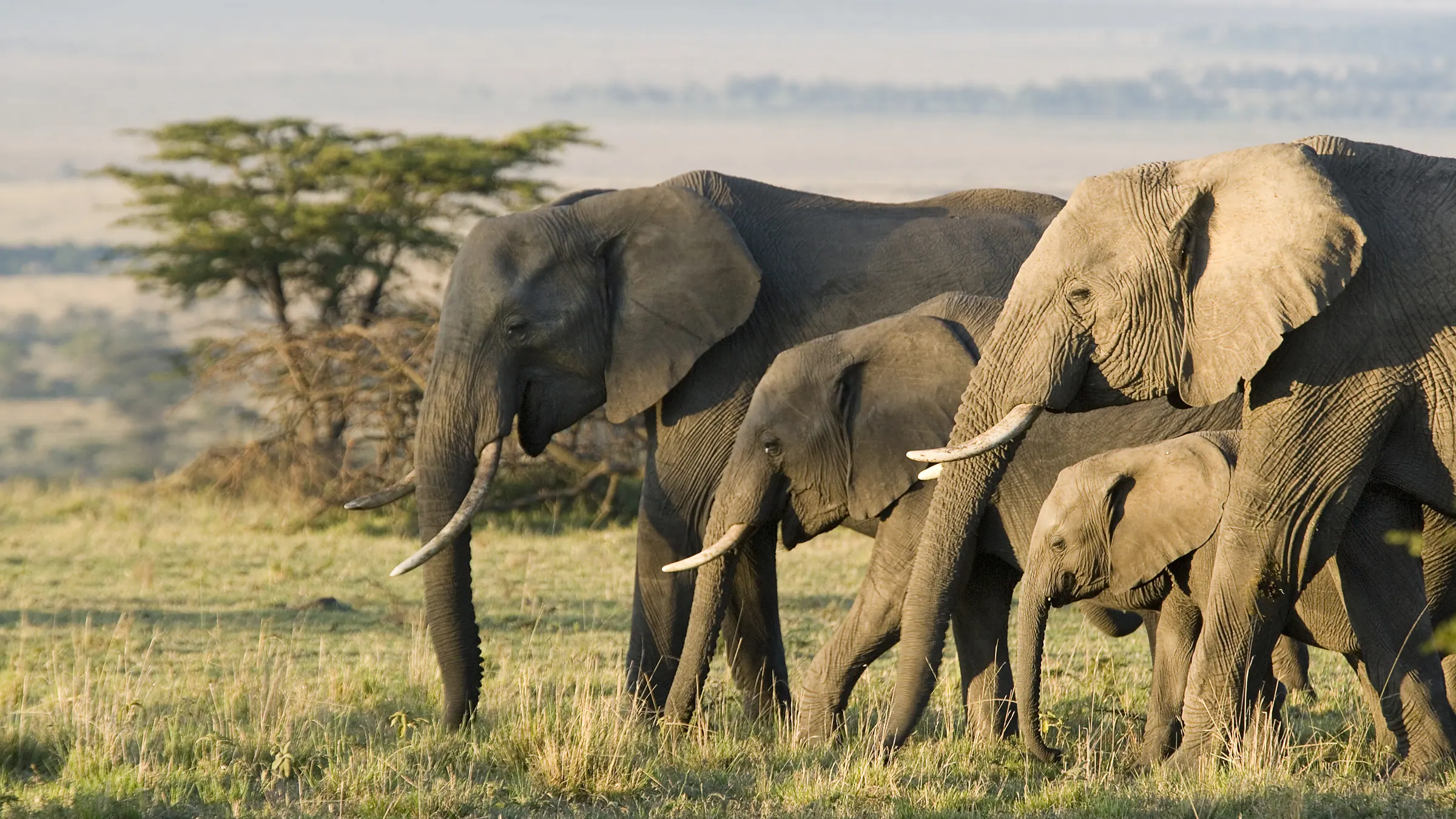
Elephants in the Shimba Hills: a healthy population. Sable antelope, elephants and Sheldrick Falls in the cool hills above Diani, an hour from the beach. Family herds led by a matriarch walk 20 km a day between feeding grounds and water, drinking up to 200 litres; bulls range alone or in bachelor groups and join the herds in musth.
Where to find elephants in the Shimba Hills
- The Mwaluganje elephant sanctuary.
Fresh dung, broken branches and the great flattened paths tell a guide where a herd passed; the swamps, rivers and springs are the daily meeting points in the dry season. In the Shimba Hills the best time of day is late morning and midday at water, dawn and dusk on the move. Your guide will know the territories and the week's sightings.
When to see elephants in the Shimba Hills
The best months in the Shimba Hills are January, February, March, June, July, August, September, October. The dry months pull the herds to permanent water, where they are easiest to see; the rains scatter them. The month pages for Shimba Hills have the detail for your dates.
Photographing elephants in the Shimba Hills
Wide lenses work as well as long ones: a herd walking towards you across open ground, dust at sunset, calves under their mothers' bellies.
Also in the Shimba Hills
- Giraffes: Browsers of acacia tops that walk in loose herds and can go days without drinking.
- Buffalo: Herds of hundreds graze open grassland and drink daily.
- Colobus monkeys: Black-and-white leaf-eaters of the canopy.
Status
Elephant (Loxodonta africana): Endangered globally; Kenya's population has grown to about 42,000 (2025 census). Kenya's elephants include the last of Africa's 'big tuskers', bulls with tusks over 45 kg a side, in Amboseli and Tsavo. Your fees in the Shimba Hills ($26 per adult per day) pay the rangers who protect them.