Wildlife. Updated November 2026. 3 min read.
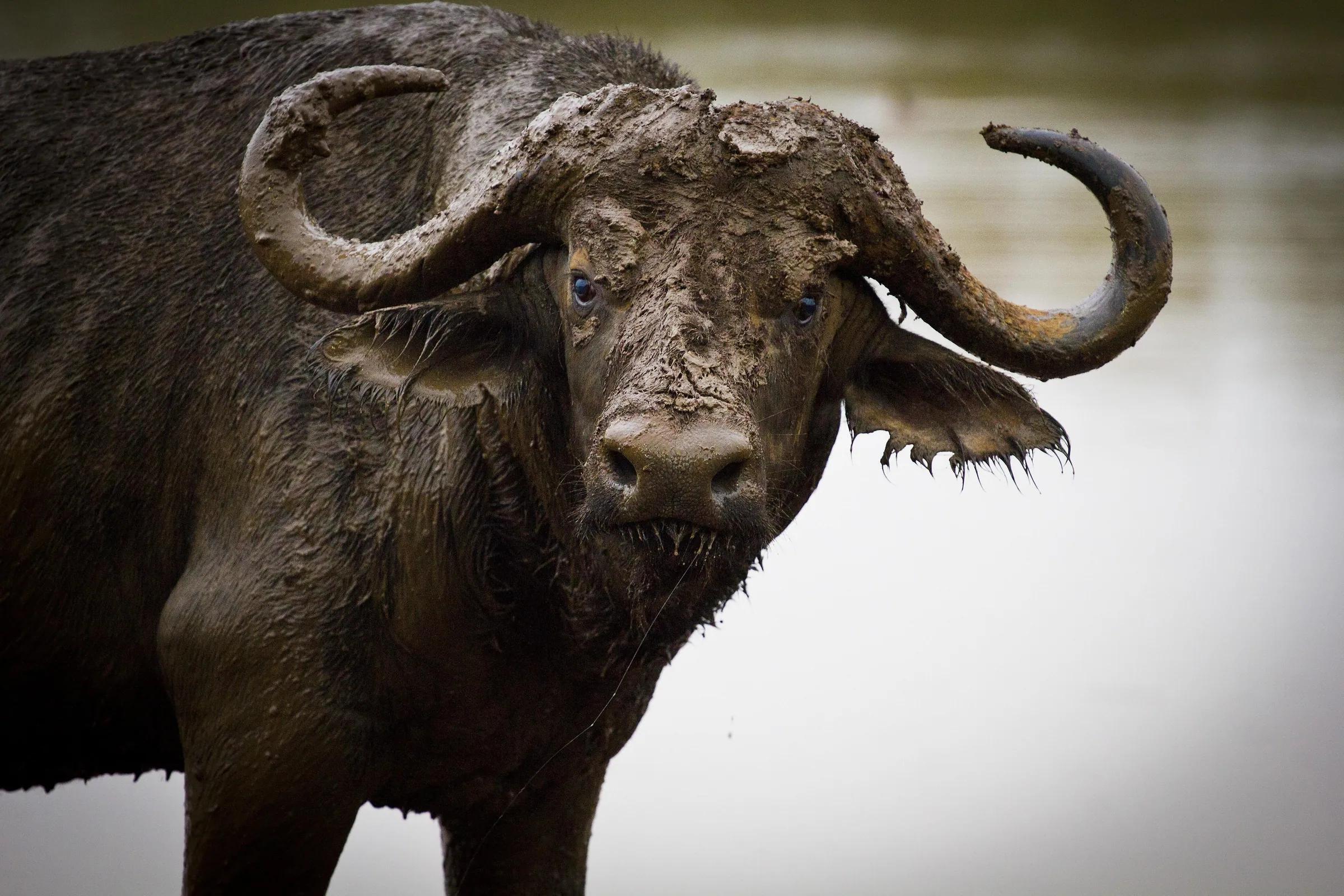
Buffalo in the Shimba Hills: a healthy population. Sable antelope, elephants and Sheldrick Falls in the cool hills above Diani, an hour from the beach. Herds of hundreds graze open grassland and drink daily; old bulls, the 'dagga boys', live apart in the mud wallows and are the dangerous ones.
Where to find buffalo in the Shimba Hills
- The walk to Sheldrick Falls.
- Sable antelope on the glades.
- The Mwaluganje elephant sanctuary.
Herds are visible from far off by the dust and the oxpeckers; guides give the lone bulls a wide berth on walks. In the Shimba Hills the best time of day is morning and late afternoon on open ground; midday in the shade and water. Your guide will know the territories and the week's sightings.
When to see buffalo in the Shimba Hills
The best months in the Shimba Hills are January, February, March, June, July, August, September, October. The dry season is easiest, but this species is seen in every month. The month pages for Shimba Hills have the detail for your dates.
Photographing buffalo in the Shimba Hills
The stare: a bull head-on with oxpeckers on its back, mud-caked, at 300 mm.
Also in the Shimba Hills
- Elephants: Family herds led by a matriarch walk 20 km a day between feeding grounds and water.
- Giraffes: Browsers of acacia tops that walk in loose herds and can go days without drinking.
- Colobus monkeys: Black-and-white leaf-eaters of the canopy.
Status
Cape buffalo (Syncerus caffer): Near Threatened; abundant in Kenya's parks. One of the Big Five for its reputation as the most dangerous animal to hunt on foot. Your fees in the Shimba Hills ($26 per adult per day) pay the rangers who protect them.