Wildlife. Updated November 2026. 3 min read.
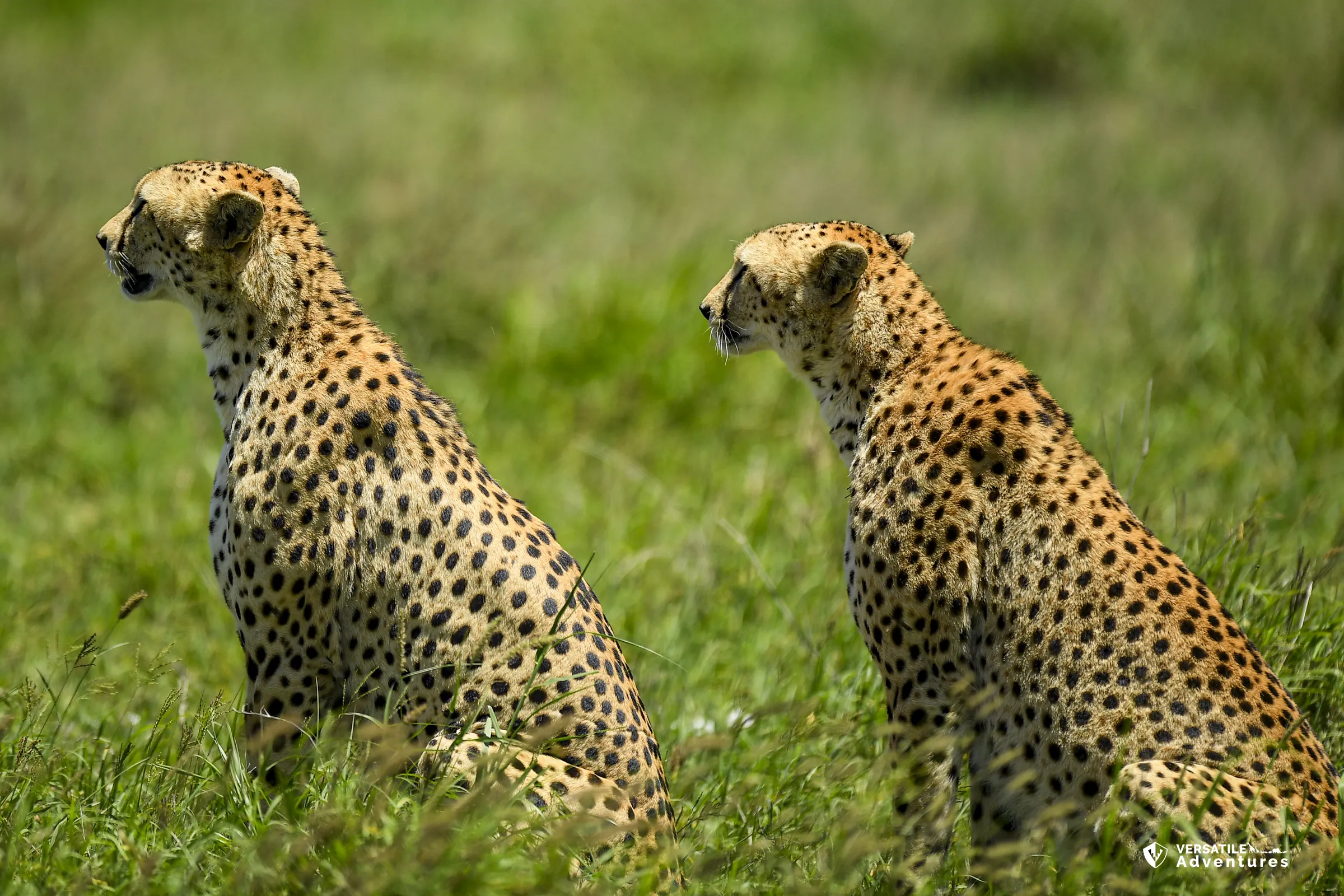
Cheetahs in Ol Kinyei: among the highest densities in Africa. The small conservancy that began the Mara model in 2005: two camps, cheetahs and almost nobody else. Daytime hunters of open plains, cheetahs run down gazelles at 100 km/h in sprints of a few hundred metres; mothers raise cubs alone, males form coalitions of brothers.
Where to find cheetahs in Ol Kinyei
- Cheetahs on open plains.
Guides scan termite mounds and fallen trees, the cheetah's lookout posts, and the horizon of short-grass plains where Thomson's gazelles graze. In Ol Kinyei the best time of day is mid-morning and late afternoon, when they hunt; they avoid the midday heat and the night, when lions and hyenas rule. Because this is a conservancy, your guide can leave the track at a sighting and stay out after dark, which doubles your chances with the nocturnal animals.
When to see cheetahs in Ol Kinyei
The best months in Ol Kinyei are January, February, July, August, September, October. Short grass after the rains and the dry-season concentration of prey both help; the long rains (April and May) make the cats harder to find. The month pages for Ol Kinyei have the detail for your dates.
Photographing cheetahs in Ol Kinyei
Open plains give clean backgrounds; a mother with cubs on a mound at 8 am is the shot. Keep your distance during a hunt: vehicles that crowd a cheetah cost it its meal. The Mara's open plains and big skies give clean backgrounds and the best light in Kenya.
Also in Ol Kinyei
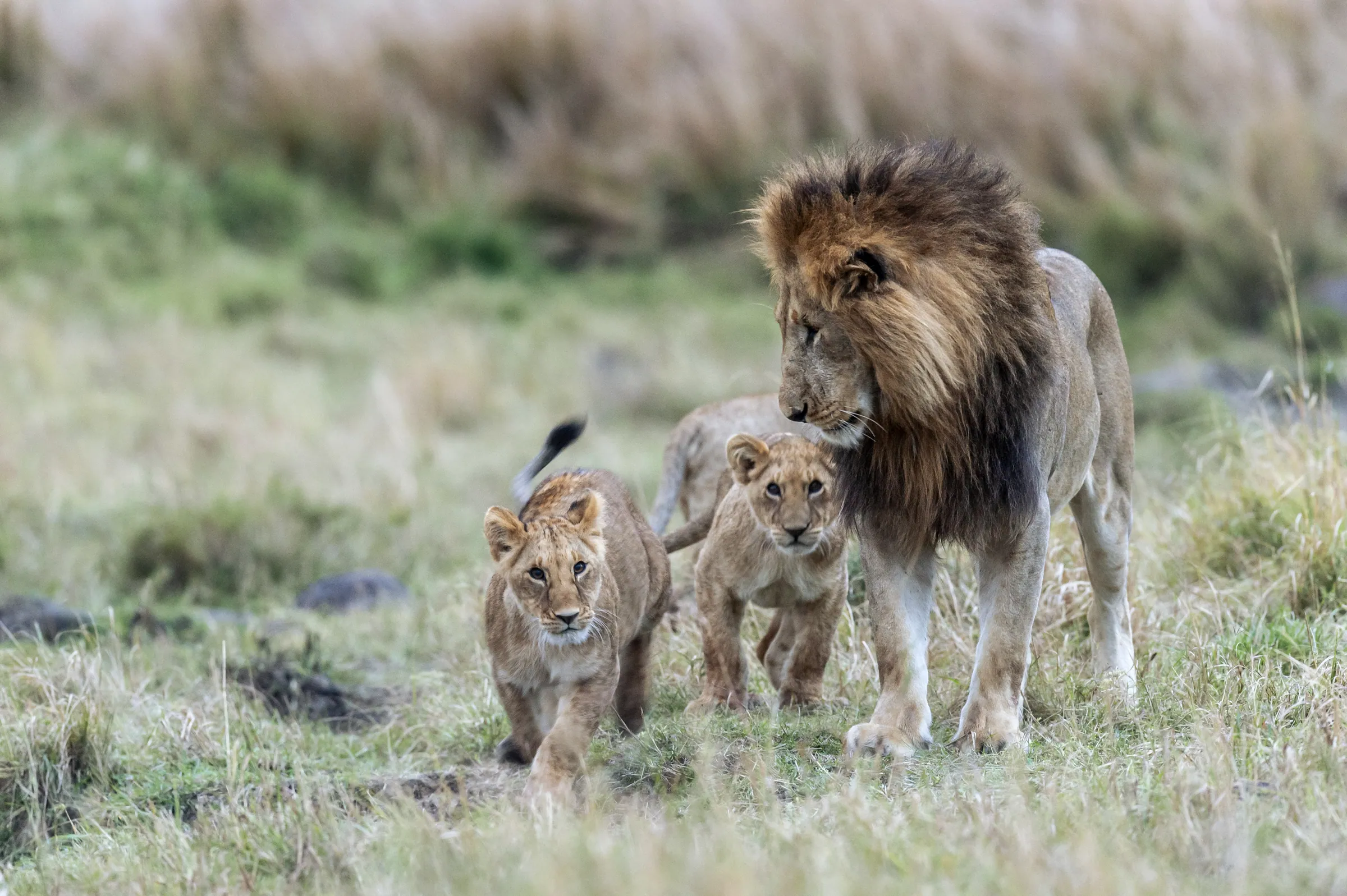
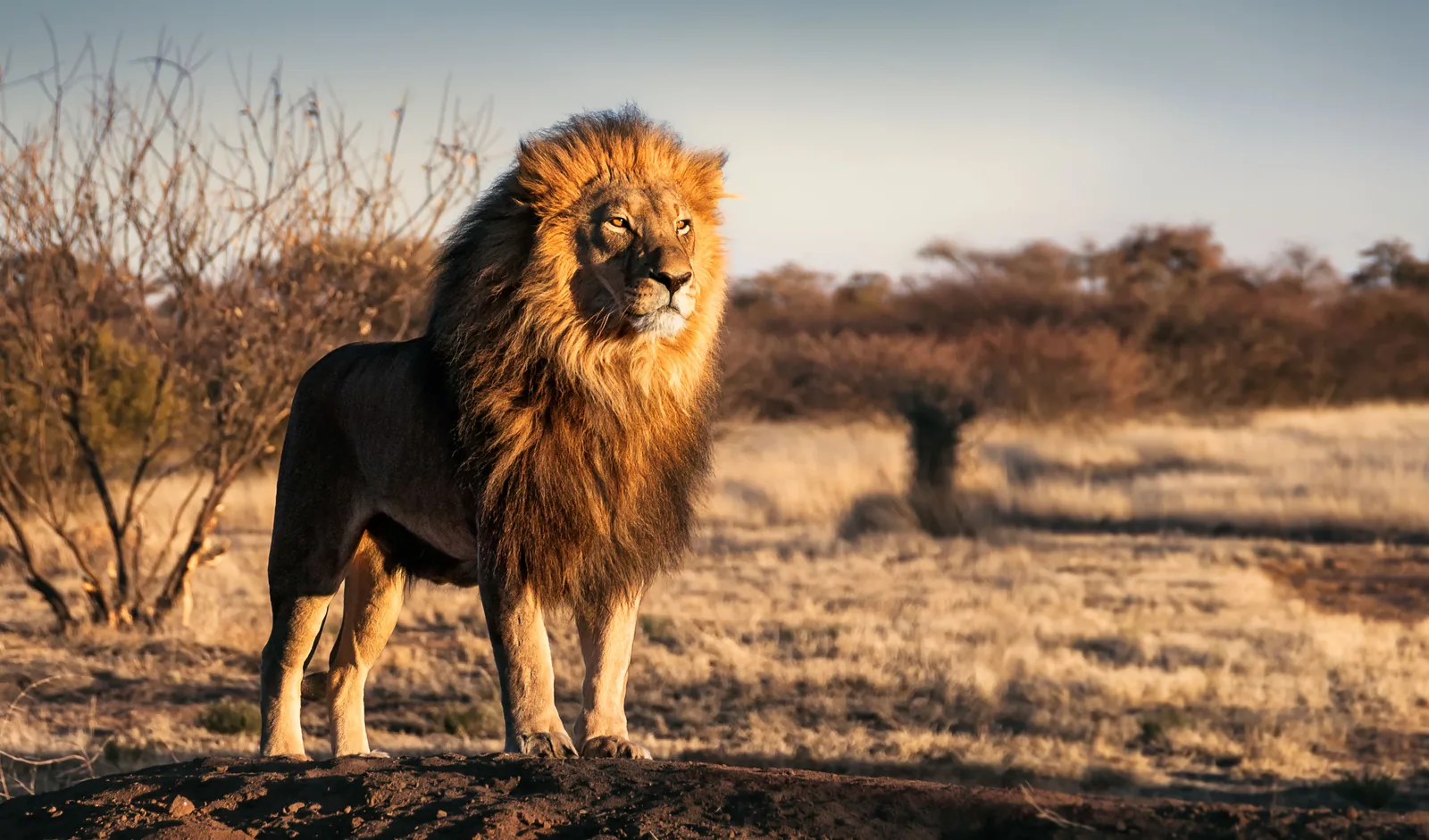
- Lions: Prides of related females with cubs and a coalition of males hold territories around water and prey.
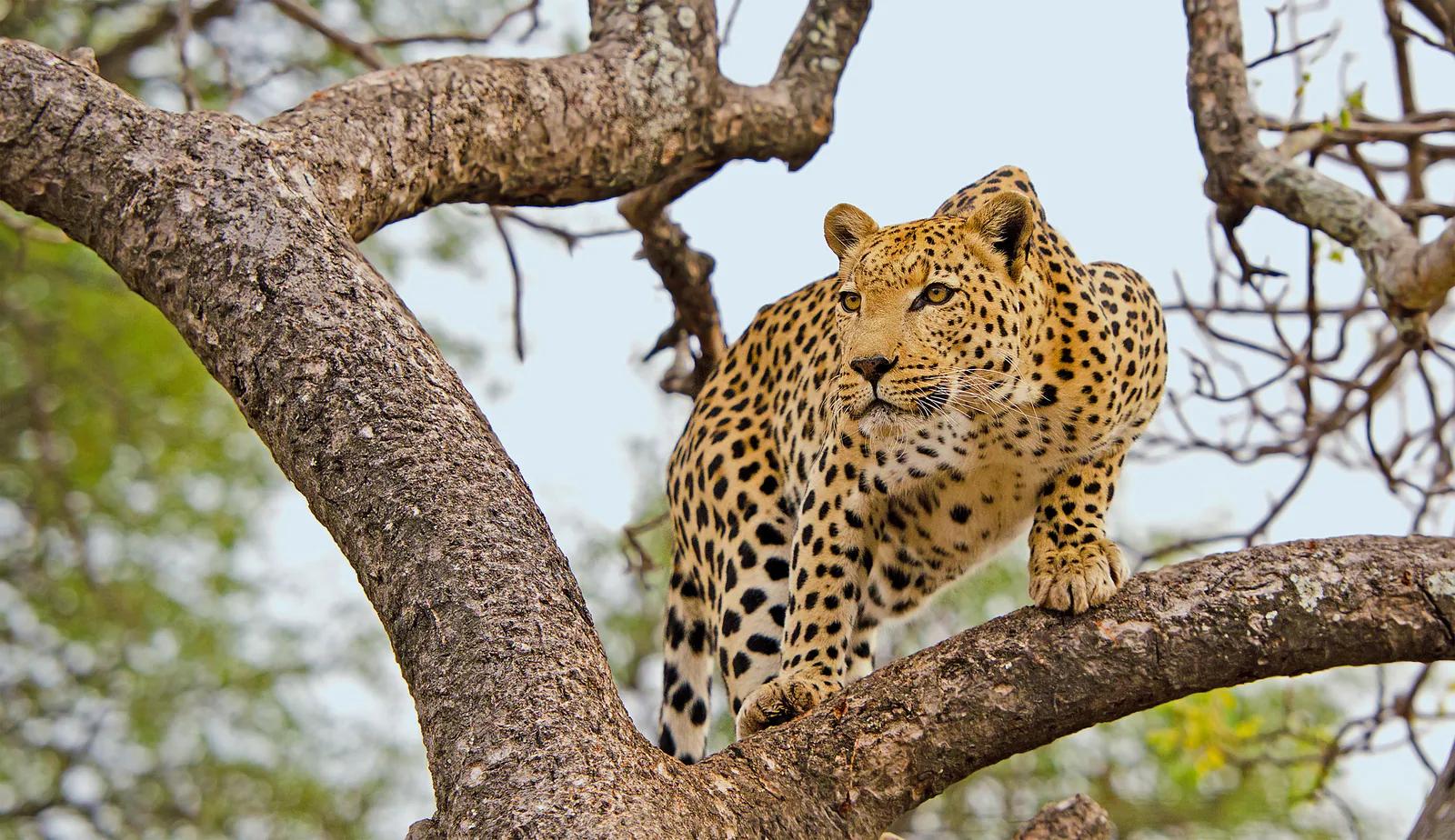
- Leopards: Solitary.
- Elephants: Family herds led by a matriarch walk 20 km a day between feeding grounds and water.
- Giraffes: Browsers of acacia tops that walk in loose herds and can go days without drinking.
- Buffalo: Herds of hundreds graze open grassland and drink daily.
Status
Cheetah (Acinonyx jubatus): Vulnerable; around 1,000 in Kenya. Cheetahs cannot roar; they chirp and purr. Your fees in Ol Kinyei (Conservancy fee of about $100 per adult per day, built into the camp rate) pay the rangers who protect them.