
Month by month. Updated November 2026. 3 min read.
January in Ol Kinyei is the warm dry season in Kenya: typically warm days around 82°F, chilly nights near 55°F and some afternoon showers, about 2.5 inches over the month. For Ol Kinyei that makes January one of the best months.
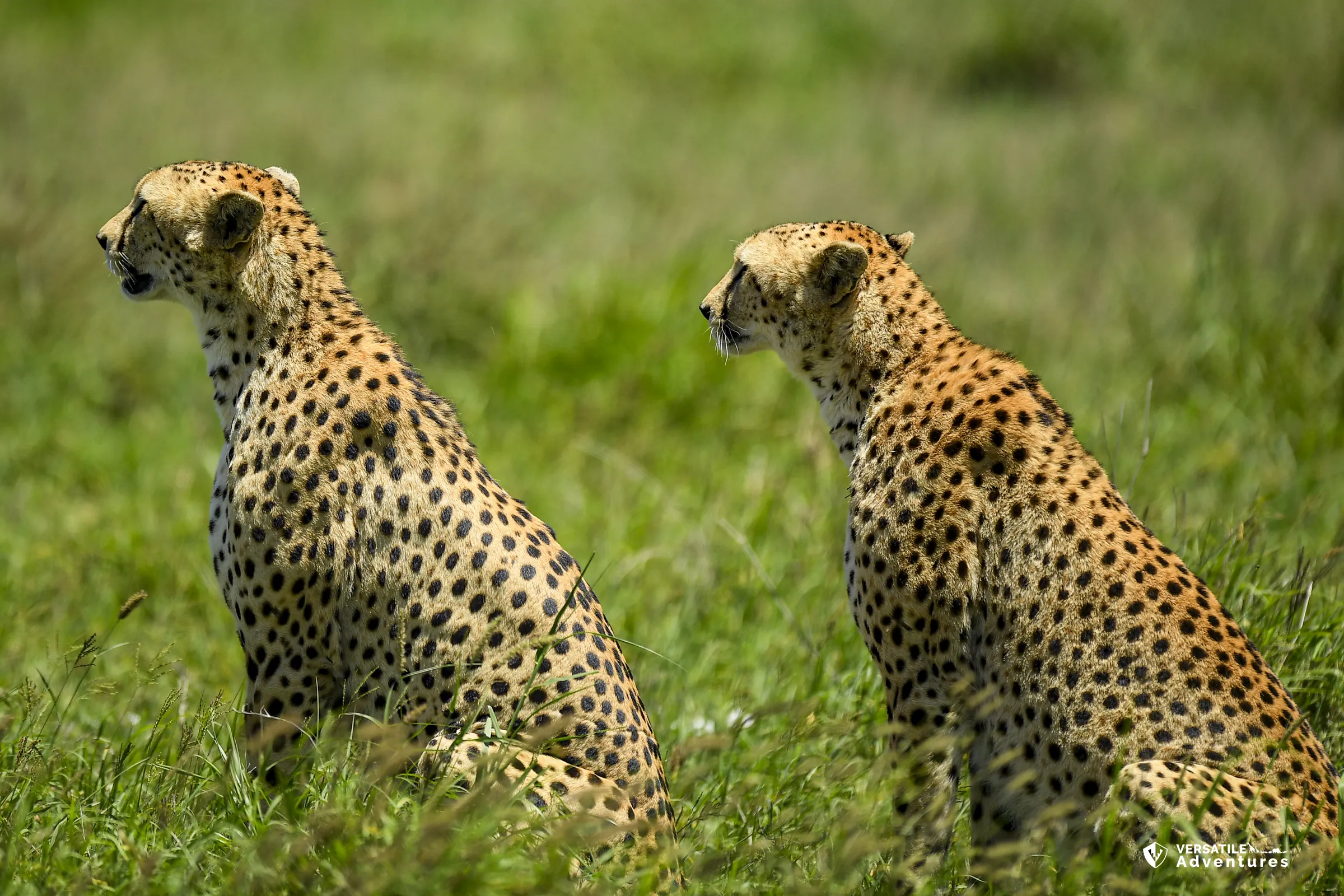
The small conservancy that began the Mara model in 2005: two camps, cheetahs and almost nobody else. January sits inside the place's best window, so this page covers the weather you will actually get, what the wildlife is doing, how busy and expensive it is, what to pack and whether a different month or a different place would serve you better.
Weather in Ol Kinyei in January
The Maasai Mara sits at about 5,300 ft, mild and often cloudy, with showers possible in any month and cold dawns from June to August. In January the typical daytime high is 82°F and the night low 55°F, with roughly 7 days that see rain, mostly brief. Day-to-night swings are moderate. Roads are generally good.
| January | December (before) | February (after) | |
|---|---|---|---|
| Daytime high | 82°F | 80°F | 83°F |
| Night low | 55°F | 56°F | 55°F |
| Rainfall | 2.5 in | 3.6 in | 2.8 in |
| Wet days | about 7 | about 9 | about 7 |
| Crowds | moderate | busy | quiet |
| Lodge rates | mid | high | low |
Wildlife and what to do in Ol Kinyei in January
Short grass after the rains and plenty of young prey make this one of the best months for lions, cheetahs and leopards.
Dry conditions pull the elephant herds to permanent water, so sightings are reliable and the dust makes for red-gold light.
- Cheetahs on open plains.
- Walks and night drives.
- Two camps only.
- Maasai landowner visits.
Crowds and prices in January
Across Kenya, January is a moderate month with mid-season rates. Entry in Ol Kinyei: Conservancy fee of about $100 per adult per day, built into the camp rate. Booking two to three months ahead is usually enough, except over public holidays.
For the full cost picture, including flights from your city, see the Kenya safari cost guide and the cost calculator. Malaria risk in Ol Kinyei is moderate; most doctors recommend prophylaxis, especially in and after the rains.
What to pack for Ol Kinyei in January
- A warm fleece or down jacket and a beanie for dawn game drives; open vehicles feel colder than the thermometer says
- Malaria prophylaxis started before you travel, repellent with DEET or picaridin and long trousers at dusk
- Binoculars (8x42 is the safari standard), a headlamp for camp paths and a power bank
Is January the right month for Ol Kinyei?
Yes. January is one of the months we recommend for Ol Kinyei. If you want the same weather with fewer people, February is the quieter neighbour.