Wildlife. Updated November 2026. 3 min read.
Black rhinos in Ol Pejeta: a sanctuary population, closely guarded and reliably seen. East Africa's largest black rhino sanctuary, the last two northern white rhinos and the only chimpanzees in Kenya. A browser of thickets with a hooked, prehensile lip, solitary and short-sighted, quick to charge and quicker to vanish; most active at dawn, dusk and night.
Where to find black rhinos in Ol Pejeta
- Black and white rhinos, including Najin and Fatu.
- The Sweetwaters chimpanzee sanctuary.
In the sanctuaries the rangers know each animal; elsewhere guides look at the dawn tracks on soft roads and the browse line in the bush. In Ol Pejeta the best time of day is the first and last hours of the day at the edges of thickets; rangers in the sanctuaries track them continuously. Because this is a conservancy, your guide can leave the track at a sighting and stay out after dark, which doubles your chances with the nocturnal animals.
When to see black rhinos in Ol Pejeta
The best months in Ol Pejeta are January, February, March, June, July, August, September, October. Rhinos are seen year round in the sanctuaries; the dry months and short grass make it easier. The month pages for Ol Pejeta have the detail for your dates.
Photographing black rhinos in Ol Pejeta
Keep the engine off and the voices down; a 300 mm lens and the patience to let it come to you. Mount Kenya on the horizon at dawn is the background to work for.
Also in Ol Pejeta
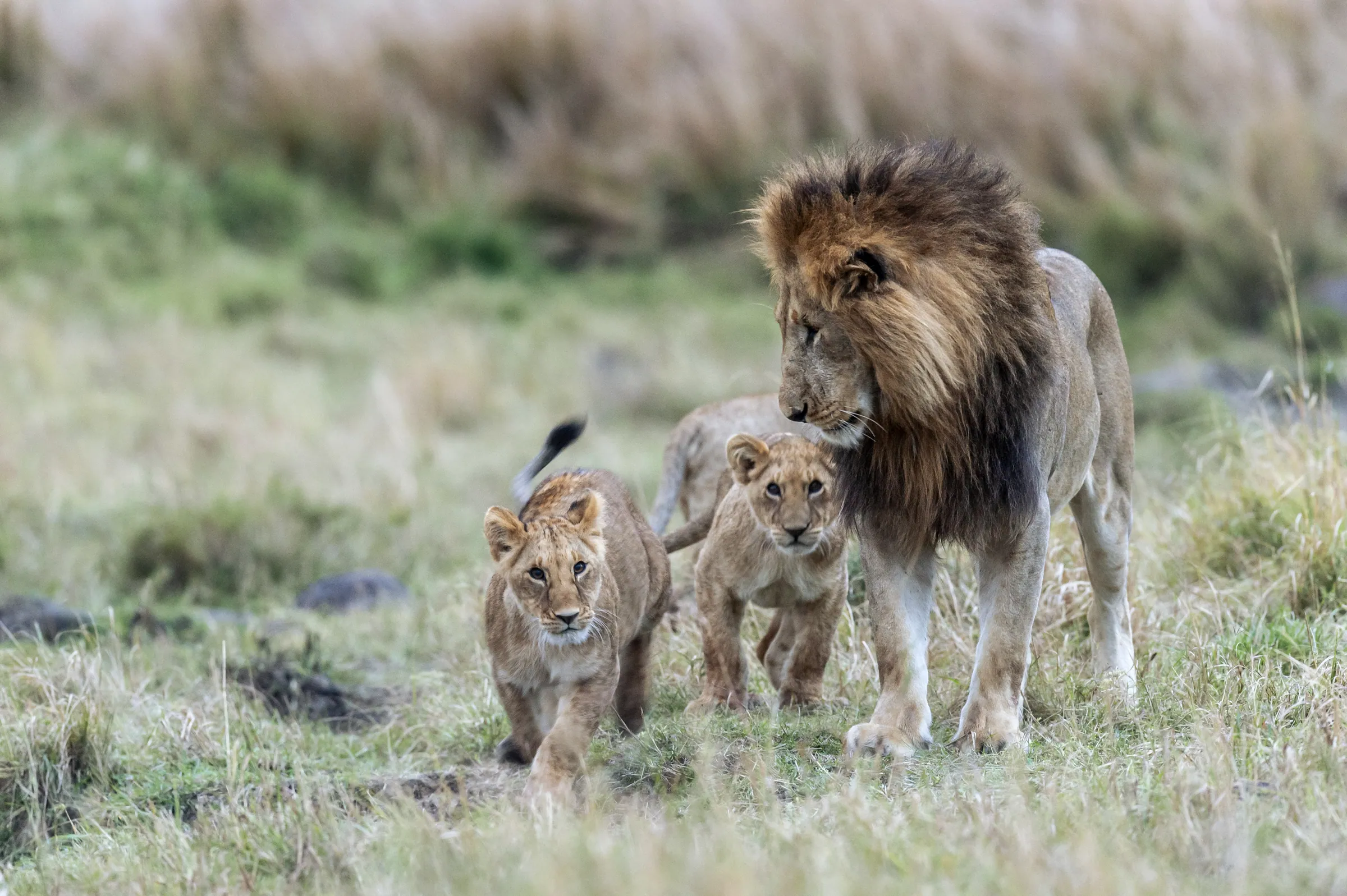
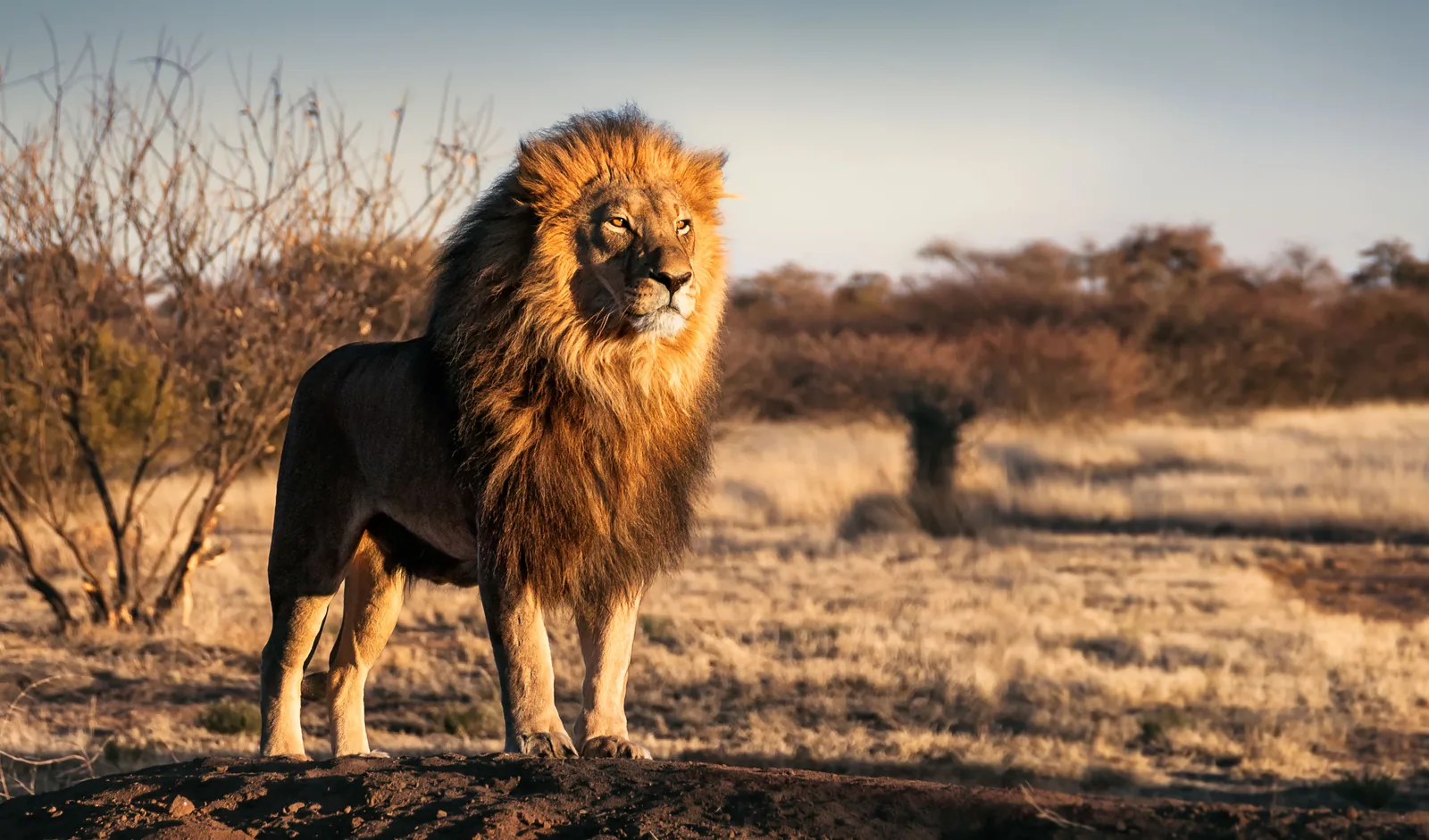
- Lions: Prides of related females with cubs and a coalition of males hold territories around water and prey.
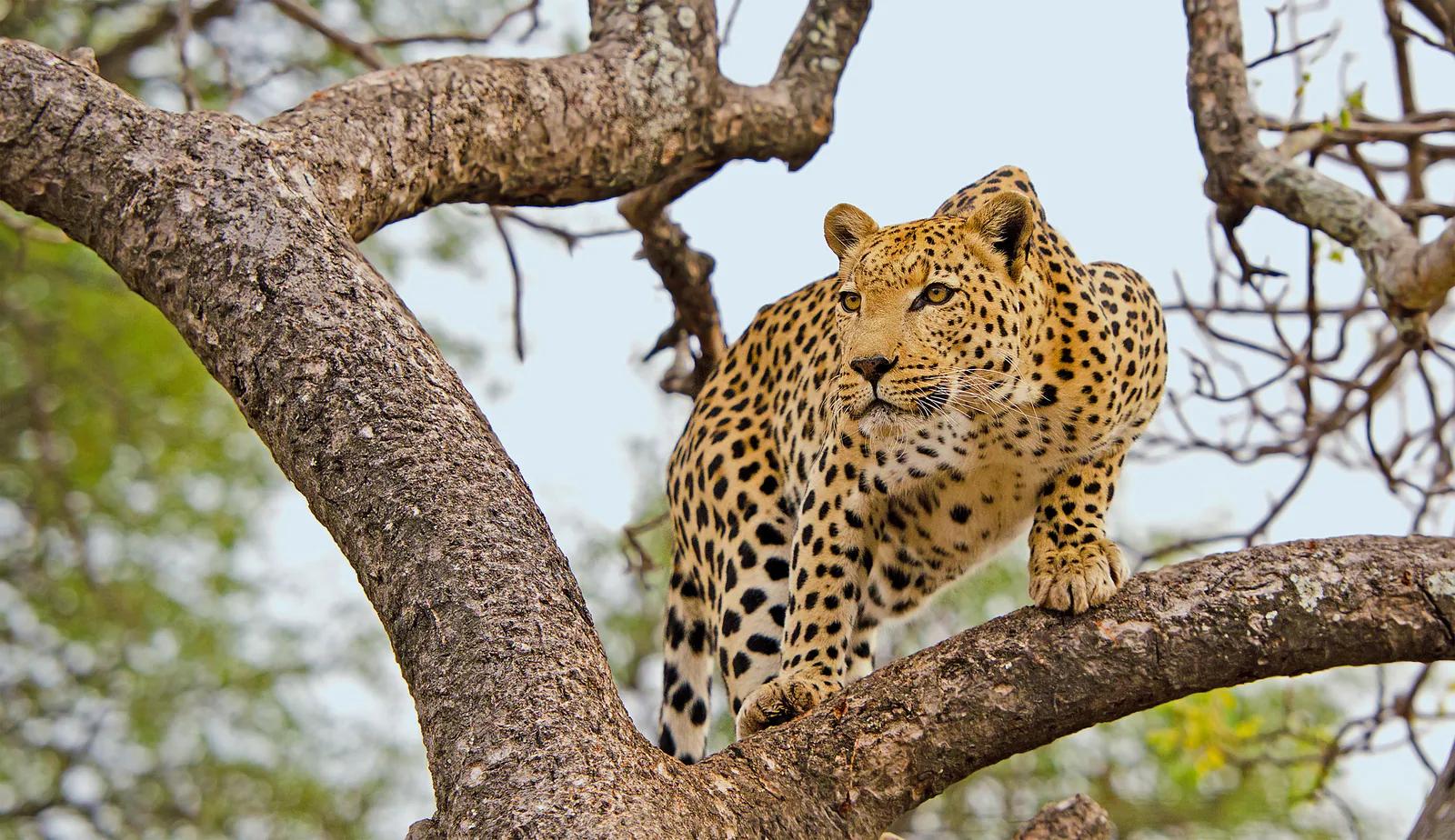
- Leopards: Solitary.
- Cheetahs: Daytime hunters of open plains.
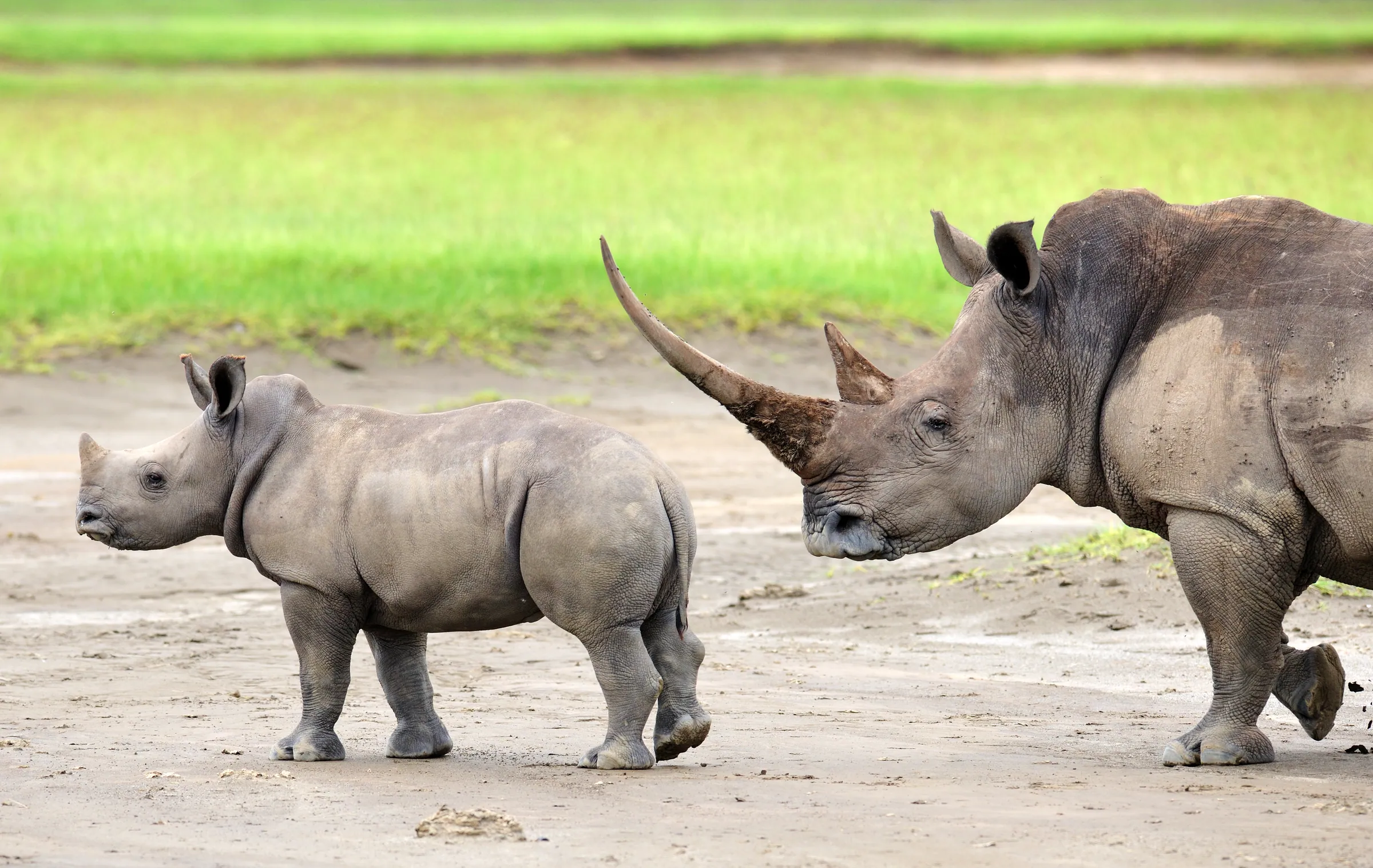
- White rhinos: A square-lipped grazer of open grassland.
- Giraffes: Browsers of acacia tops that walk in loose herds and can go days without drinking.
Status
Black rhino (Diceros bicornis): Critically Endangered; Kenya holds about 1,060, the third-largest population in Africa. Kenya's black rhinos were poached from 20,000 in 1970 to under 400 by 1990; the sanctuaries rebuilt the population. Your fees in Ol Pejeta ($110 per adult per day (conservancy fee) pay the rangers who protect them.