KESCA. Updated November 2026. 8 min read.
You are sixteen or seventeen, Kenyan-American, and every trip to Kenya so far has been with your parents: a wedding, a funeral, three weeks at your grandmother's, cousins who switch to Sheng the moment you walk in. KESCA's high school track is the other kind of trip. You go with a cohort of people your age, you meet Kenyan students on their own ground, you do real work in a village that asked for it, and you come home with a project you can talk about and a certificate that says you finished.
In short: the high school track of the Kenya Experience Summer Camp Academy is for ages 16 and 17. It starts with academy sessions in spring 2027, virtual plus in-person weekends at a partner institution, and continues with a 21-day program in Kenya in summer 2027, counting the flights, from Nairobi through the Rift Valley, Iten, Kericho and Kisii to the Maasai Mara and Mombasa. A parent or guardian gives written consent and books the place. The cohort is chaperoned, rooms are supervised, and the program fee at the time of writing is $6,900, paid in full or in equal monthly payments with no deposit.
Who the high school track is for
Most participants have at least one Kenyan parent and grew up in the United States. Some have visited Kenya often, some never. KESCA also welcomes friends of Kenya, so a classmate with no family link can come too. What the track asks for is curiosity and a willingness to be a guest: to listen to hosts, try the Swahili, eat what is served and take part in group reflection every day. You do not need to speak Swahili; the academy starts from zero.
It suits a student who wants more than a family visit and is ready for three weeks of structure. It is not a vacation with a safari on top. Days are full, travel days are long, and the program has rules on supervision and conduct that form part of the booking. If you want the heritage side without a program, our diaspora pages cover family trips home; if your school is organizing a class trip, see high school trips.
Before you fly: the academy
The academy runs in spring, before the Kenya immersion. It has three levels, and high school students spend most of their time in the first two, with the third used for the capstone.
| Level | What it covers | How the high school track uses it |
|---|---|---|
| Level 1: Basic Foundation | Kenyan history and geography, Swahili for beginners, the 47 counties and the diaspora story | The core of the spring sessions. You learn where your family's county sits, how Kenya was governed before and after 1963, and enough Swahili to greet a host |
| Level 2: Intermediate Development | Community development, civic engagement, project design and conversational Swahili | You prepare for the village service days: what a community asks visitors for, and how to plan something useful rather than something that photographs well |
| Level 3: Advanced Leadership | Entrepreneurship, cross-cultural leadership, the capstone project and conference presentation | Your capstone: a community project idea you research before you fly and present in Kenya at the end |
The 21 days, as a 16-year-old sees them
The full day-by-day plan, with every overnight and planning note, is on the itinerary page. Here is the shape, and what each stage means for a high school participant.
| Days | Where | What it is like for you |
|---|---|---|
| 1 to 3 | The flight and Nairobi | Chaperones check passports and consent forms at the airport. A light first day, then a proposed exchange with University of Nairobi students and faculty on identity and diaspora connections |
| 3 to 5 | Naivasha | A boat trip among hippos and waterbirds in correctly fitted life jackets, an afternoon with a Kenyan school or youth group, and geothermal energy at Olkaria |
| 6 to 8 | Nakuru | Archaeology at Hyrax Hill, a market budgeting exercise in small groups, Menengai Crater, civic learning and a rhino-focused game drive |
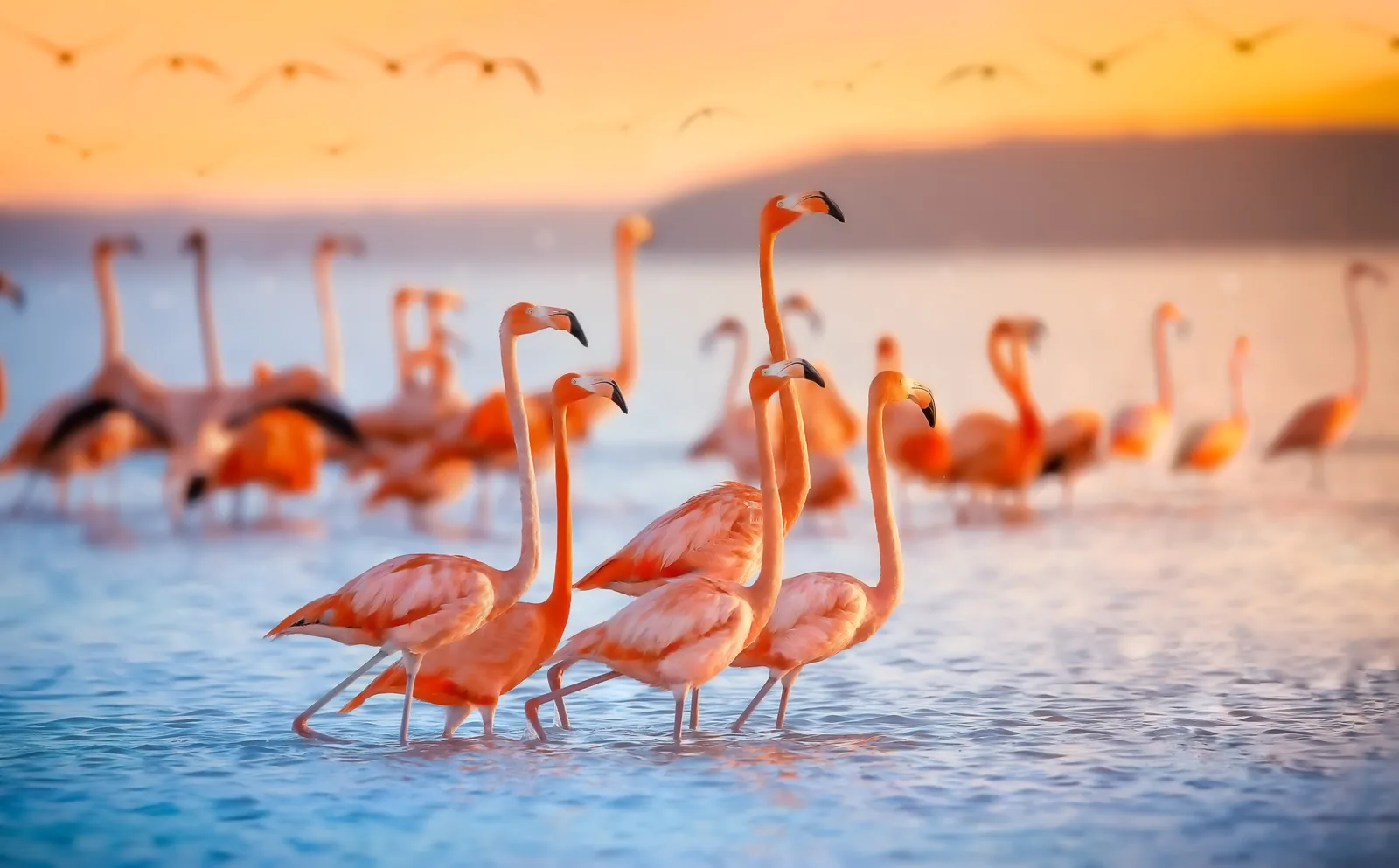
| 9 to 11 | Lake Bogoria and Iten | Flamingo lakes and hot springs from a safe distance, then Iten, home of champion runners, with an optional easy jog you can choose to watch instead |
| 12 to 14 | Kericho and Kisii | Tea country, then village days at Nyanchonori and Nyankoba with peers, a tea factory visit and a service activity the community chooses |
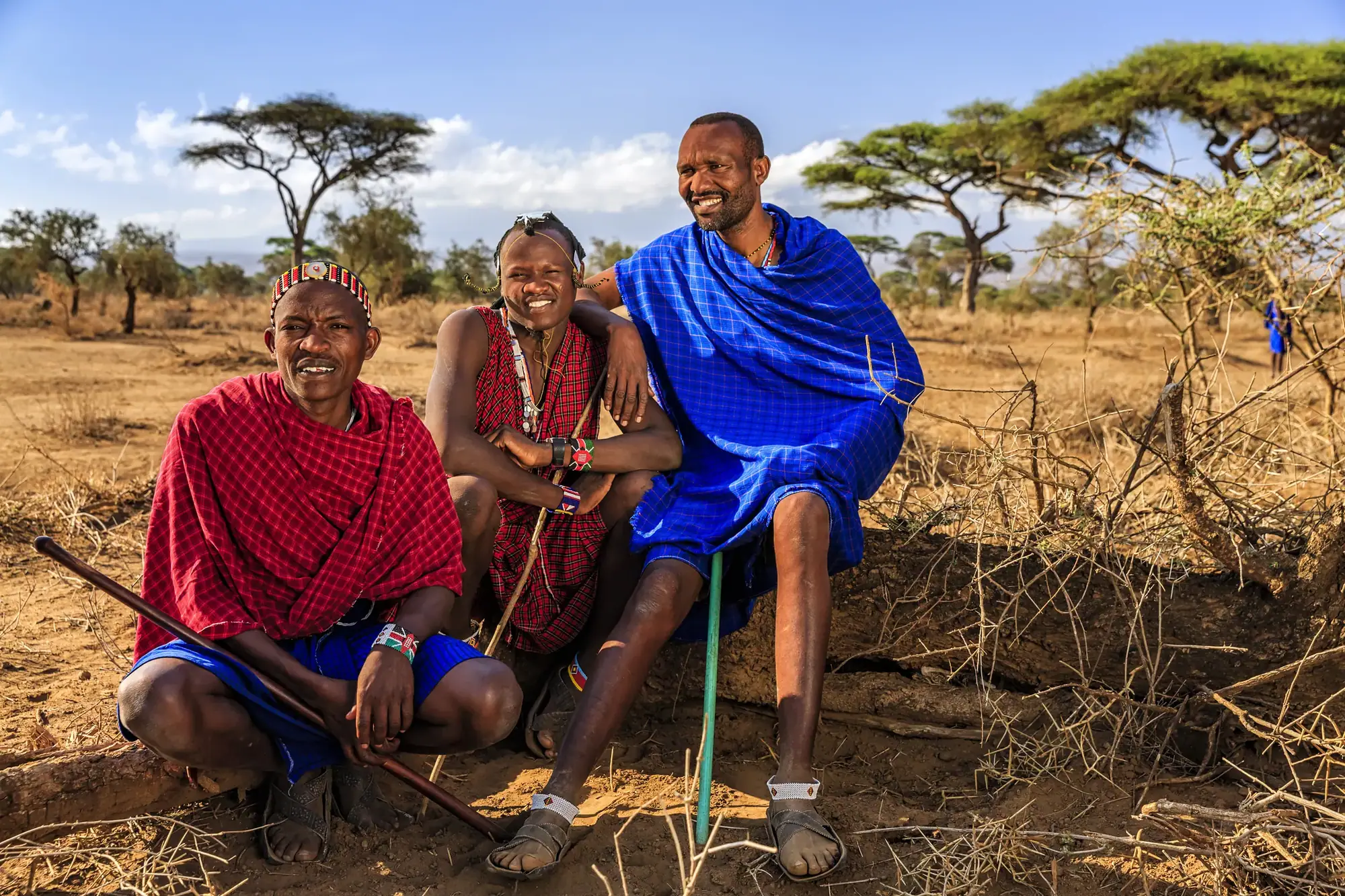
| 15 to 17 | Maasai Mara | Soapstone craft at Tabaka on the way, a half day with a Maasai community host, then game drives and a field notebook |
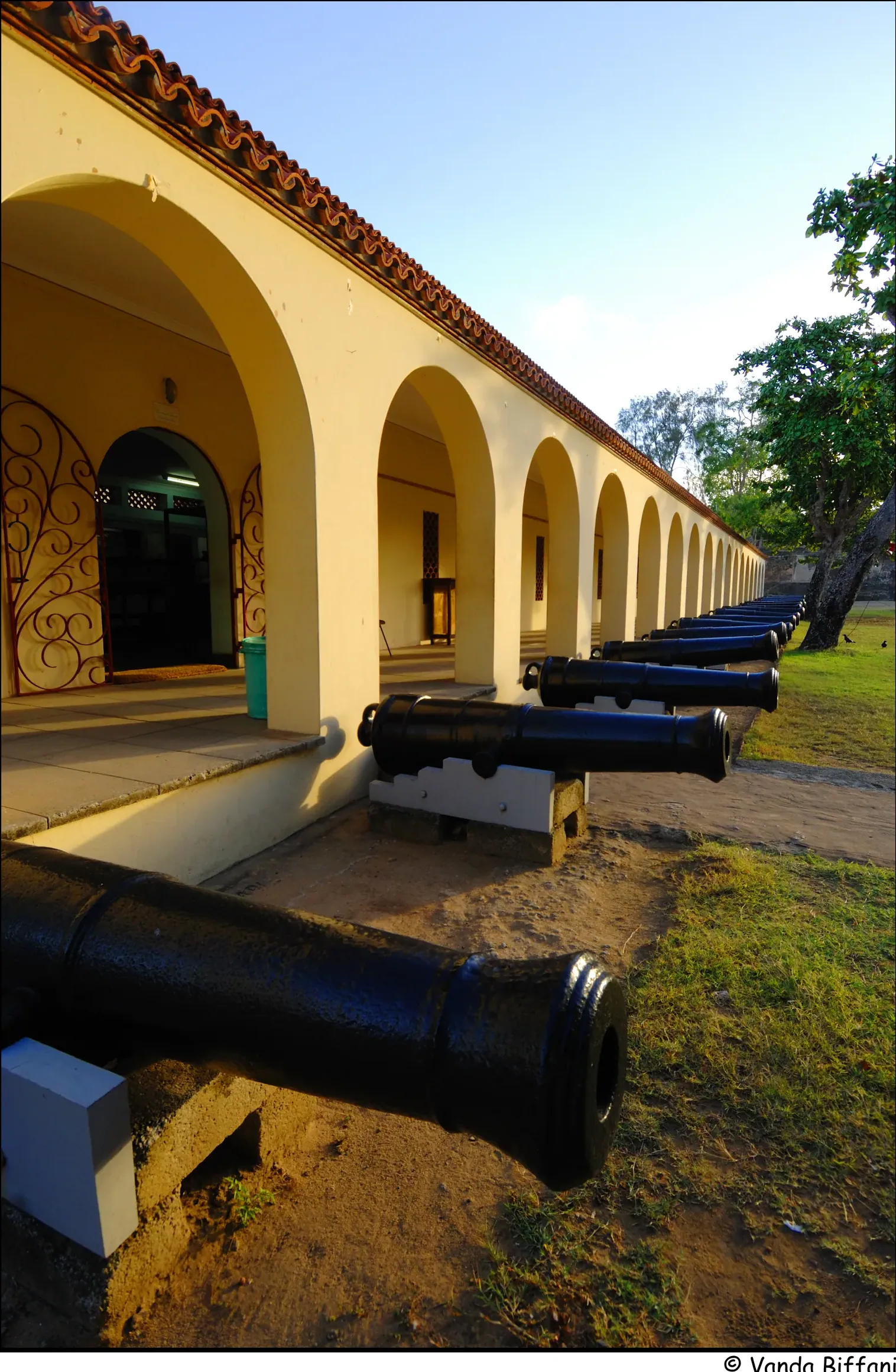
| 18 to 21 | Mombasa and Nairobi | Fort Jesus and Old Town, a Swahili cooking or language session, then back to Nairobi to share your portfolio and fly home |
A day in the life
No two days are the same, but most learning days follow a rhythm: one main activity in the morning, a second after lunch, then Swahili and reflection before dinner. Here is roughly how a Naivasha day runs. Times are illustrative.
| Time | What happens |
|---|---|
| Early morning | Wake-up and a headcount at breakfast. Your buddy group checks in with its chaperone |
| Morning | Boat excursion on Lake Naivasha with a licensed operator. You record bird species and talk about fishing, tourism and the lake's pressures |
| Midday | Lunch together at the lodge, with dietary needs already known to the kitchen |
| Afternoon | A prearranged visit to a Kenyan school or youth group: conversation, shared sports, reading or a creative project the host chooses |
| Late afternoon | 20 to 30 minutes of practical Swahili, then a short journal entry or group reflection |
| Evening | Dinner, a briefing on tomorrow, time to call home, and a curfew with room checks |
Supervision for under-18s
Participants aged 16 and 17 travel with guardian consent, supervised accommodation and chaperoning at all times. The program names a program lead and a safeguarding contact, and agrees supervision, headcounts, buddy groups, rooming, curfews, transport rosters and emergency procedures before departure. Final age bands and staff ratios are confirmed before enrolment. Host school activities follow that school's own safeguarding policy, and household visits in the village happen only by invitation. Our page for parents goes through all of it, including the advisory, health and communication.
- No free time without an adult, in town or anywhere else
- An observer or lower-exertion option for running, cycling, boating, spa use and craft work
- No swimming in lakes, no walking near hippos, and keeping clear of hot springs at Bogoria
- A managed WhatsApp group, set up with guardian and participant consent, and a family communication schedule
- No photographs of you used in marketing without your parent or guardian's consent
The service project and the capstone
In the Kisii village days, the community defines the service activity, not the visitors. It might be preparing learning materials, a school garden session, a reading exchange or an agreed improvement to a facility, done under local supervision. The group records what was completed and who will look after it. KESCA does not do construction, clinical work or child care roles, and it does not promise impact it cannot measure. That honesty is part of what you learn.
The capstone is yours. You start it in the academy, test it against what you see in Kenya, and present it at the close of the program, at the Ideas Exchange. Certificates are awarded at the Vyeti Awards; vyeti is Swahili for certificates. A strong high school capstone is small and specific: a book drive designed with a school you visited, a Swahili club at your own school, a mentoring link between your church youth group and Kenyan peers.
How it reads on a college application
We will not promise that a certificate gets anyone into college. What KESCA gives you is material. Admissions readers look for sustained commitment and reflection, and a summer program helps when you can describe what you did, what changed your mind and what you did next. The KESCA Certificate of Completion is awarded only after the academy sessions, the civic engagement and service-learning requirements and the full Kenya immersion, so it records a real commitment of several months.
- The activities list: the certificate, your capstone and any follow-up project you run in senior year
- The personal essay: identity, belonging and being Kenyan-American are subjects you will have lived, not imagined
- Recommendations: ask early whether a program lead can describe your contribution
- Interviews: a portfolio of your journal, field notes and capstone gives you something concrete to talk about
Summer timing and your school calendar
The Kenya immersion runs in summer 2027, and exact dates are confirmed to booked participants first. Most U.S. high schools finish between late May and late June and restart in mid-August or early September, so a three-week program usually fits, but check it against summer school, sports preseason, a job or a college visit week. In June and July Kenyan schools are usually in their second term, which is why school exchanges are possible. It is also the cool, dry season in the highlands: mornings in Nairobi, Iten and Kericho are chilly, so pack layers.
Cost, the payment plan and scholarships
At the time of writing the program fee is $6,900 per participant; the itinerary page always shows the current fee. It covers the academy, transport in Kenya, accommodation, meals, park fees and the conference. International flights are booked separately with our help. Not included: the Kenya eTA, Kenya's inbound health insurance, travel insurance, vaccinations, tips, drinks and personal spending, plus any optional extra such as a balloon flight. A parent or guardian books and pays, because the person booking must be 18 or over.
| If you book in | Monthly payments | Each payment |
|---|---|---|
| November 2026 | Up to 6 | $1,150 |
| December 2026 | Up to 5 | $1,380 |
| January 2027 | Up to 4 | $1,725 |
| February 2027 | Up to 3 | $2,300 |
| March 2027 | 2 | $3,450 |
| April 2027 | Pay in full | $6,900 in one payment |
The plan has no deposit, no interest and no fee, and it stops by itself after the last payment. Partial scholarships and sponsorships are matched in the winter: our scholarships page explains how families cover the fee, and the sponsor form on the KESCA page lets a church, employer or relative fund a seat or part of one.
How to join
- Open the 2027 itinerary, read every day, and choose to pay in full or start a monthly plan
- Stripe emails a receipt straight away, and we email a confirmation with your reference
- The program team contacts your parent or guardian for passport details, date of birth, health and dietary needs, an emergency contact, insurance details and the signed consent
- Winter: scholarship and sponsorship matching. Spring: the academy. Summer 2027: Kenya