KESCA. Updated November 2026. 6 min read.
You are 29, with a job, a lease and a Kenya you mostly know through WhatsApp: an uncle asking whether you have thought about buying land, a cousin with a business idea that needs a partner abroad, a church group raising money for a school back home. You want to be useful, and you want to know the country well enough to tell a good idea from a bad one. The young professionals track is three weeks of learning to do that, with people your age who are asking the same questions.
In short: the KESCA young professionals track is for ages 24 to 34. It follows the same 21-day 2027 itinerary as the other tracks, but the discussions extend into enterprise, civic leadership and professional life, and your capstone can be a venture idea rather than a community project. The academy runs in spring, virtual plus in-person weekends. The fee at the time of writing is $6,900, flights separate, paid in full or monthly with no deposit. Plan on about 15 working days of leave.
Who it is for
Kenyan-American professionals early in their careers, mostly, and friends of Kenya who work with East Africa or want to. The track is built for the kinds of people you find in any diaspora network: nurses, engineers, teachers, founders, finance and tech workers, people in ministry and nonprofits. You do not need a business plan to apply. You need an interest in how things work in Kenya and a willingness to listen before you pitch.
Where the enterprise learning sits on the route
The itinerary was not designed as a business tour, and that is its strength. Every region has a working economy, and the stops let you see it from the ground. The day-by-day detail is on the itinerary page; this is the professional thread through it.
| Stop | The business or civic question |
|---|---|
| Olkaria geothermal, Naivasha | How a public utility turns a natural resource into power, and what that means for industry and households |
| Nakuru market | How traders source and price goods, worked through in a short food budgeting exercise |
| Nakuru civic learning | A requested State House visit or a county civic learning session: how devolved government works in practice |
| Iten | The business of athletics: coaching, camps, sponsorship, and what a running economy does for a town |
| Kericho and Nyankoba | The tea value chain, from smallholder to factory, and how weather, value addition and trade set farm incomes |
| Tabaka | Soapstone craft livelihoods: making, finishing, design and selling |
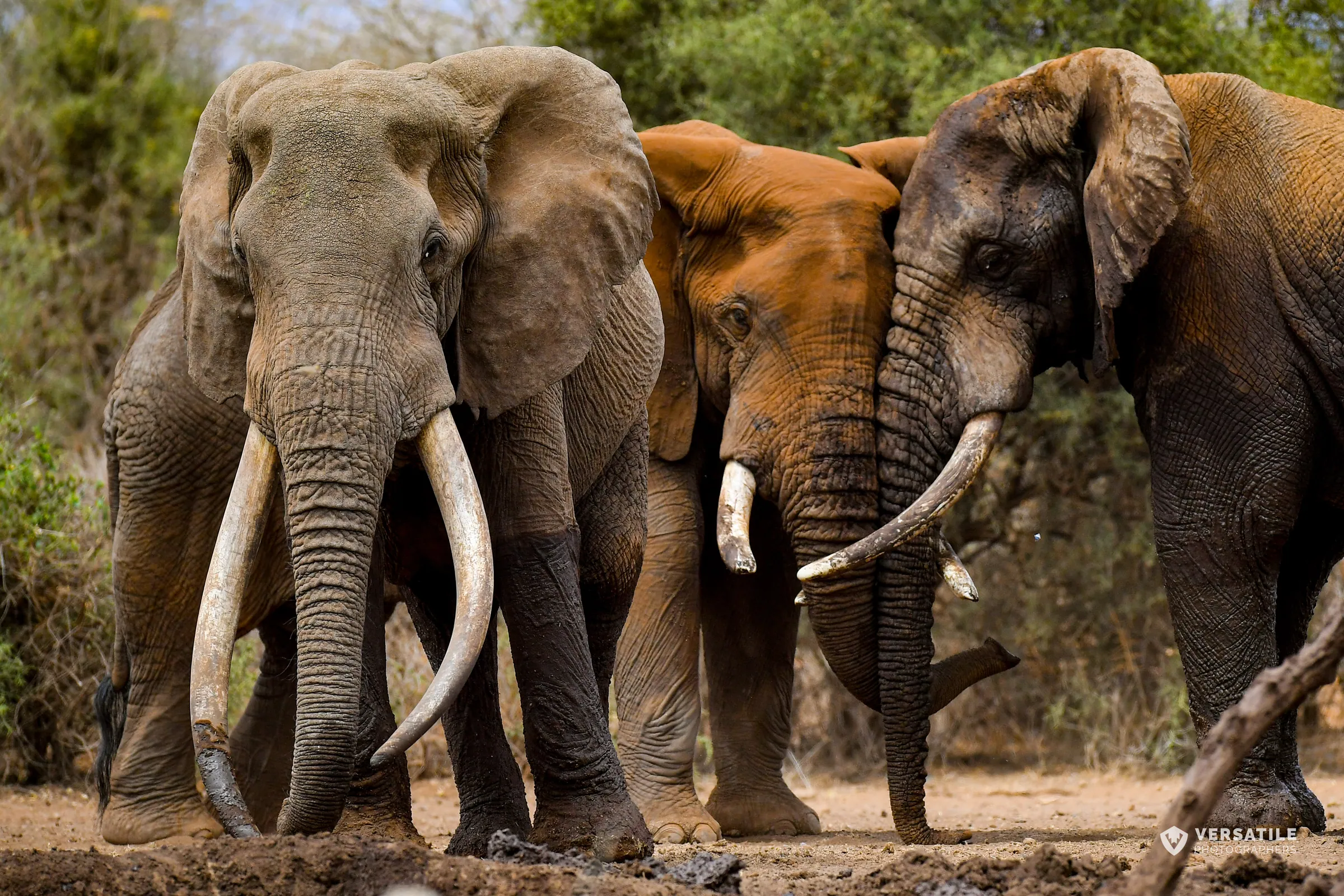
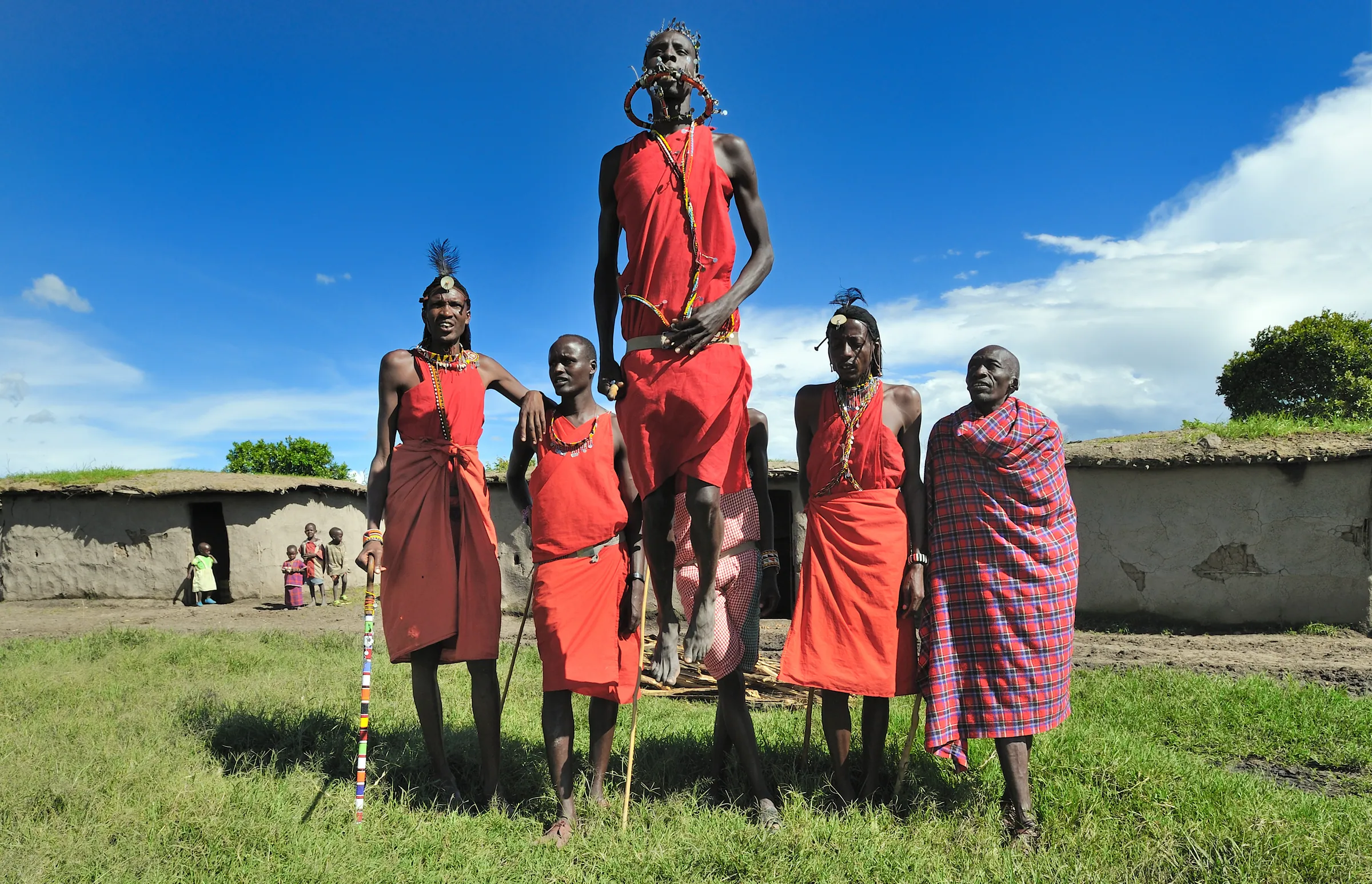
| Maasai Mara | Tourism income, employment and conservancies: who owns the land, who earns, and who decides |
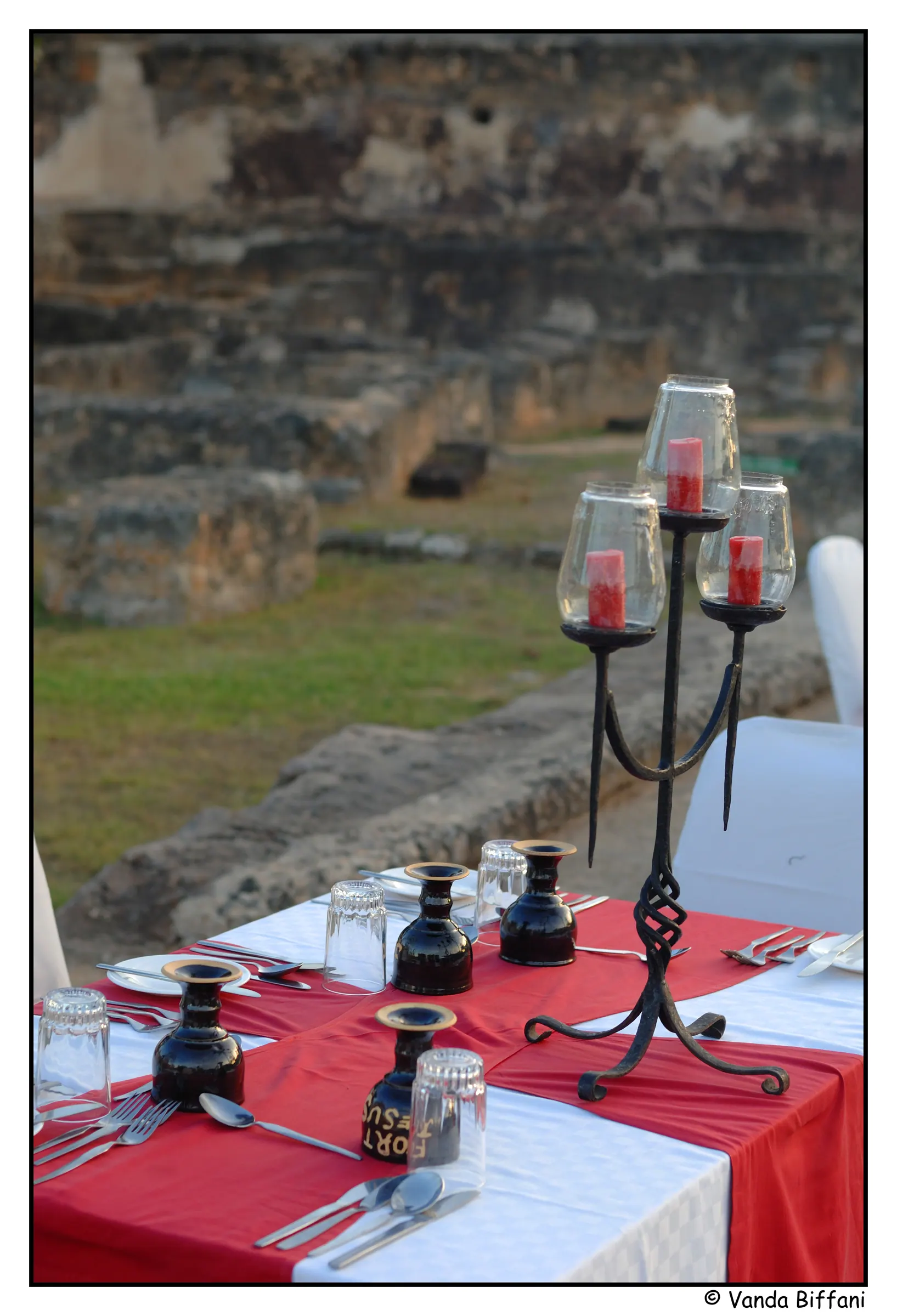
| Mombasa | Four centuries of Indian Ocean trade, read through Fort Jesus and Old Town |
Meetings with particular founders, officials or companies are added only where a host has agreed in writing, so we do not list names here. If you want to see Nairobi's technology and startup scene in depth, our innovation tours page covers the hubs and how a visit is arranged; that is a separate trip, or a few days you add before or after KESCA.
The capstone as a venture plan
Level 3 of the academy covers entrepreneurship, cross-cultural leadership and the capstone. For this track, the capstone can be a venture idea: a sourcing link for tea or crafts, a diaspora mentoring program, a service your county needs, a fund your association could run. You draft it in spring, test it against what you hear on the road, and present it at the Ideas Exchange at the end of the program. The best ones are honest about what they do not know yet. A plan that ends with five questions for a Kenyan partner is worth more than one with a revenue forecast written in Brooklyn.
Diaspora networks and investment literacy
Investment literacy here means knowing what to ask, not advice on what to buy. Diaspora money moves into Kenya in large amounts every year, and a lot of it goes into land, houses and family businesses managed from abroad. Some of it is lost, and the stories are depressingly similar. The program's conversations with hosts, and with each other, are a safe place to learn the basics.
- Land: never buy on photographs or a relative's word alone. Insist on an official title search, a Kenyan advocate who works for you, and a site visit by someone independent
- Building: a contractor paid in advance from abroad is the classic failure. Pay against stages you can verify
- Business partners: agree roles and money in writing, and register the business properly
- Giving: ask the community what it needs and who will maintain it, the same principle as the program's service days
- Networks: Kenyan associations in the U.S., alumni groups and professional bodies are where you find people who have done it before
Graduates join the KESCA Alumni Network, Kenyan-American leaders, mentors and future program staff. At 24 to 34 you are as likely to mentor a high school participant as to be mentored, and that is part of the point.
How to take three weeks off
The program is 21 days including the flights, and the return may land in the U.S. on day 22. Depending on where the dates fall, that is about 15 working days, which is more than many first jobs give in a year. Exact dates are confirmed to booked participants first, so ask for them before you file a leave request.
| Option | How it works | Watch out for |
|---|---|---|
| Paid time off | Book the three weeks as annual leave, early, before colleagues claim the summer | Using your whole year's leave in one go |
| A federal holiday in the window | A public holiday inside the dates saves a day of leave | Not every employer gives every federal holiday |
| Professional development | Some employers fund leadership programs or allow study leave; take the academy outline and capstone to your manager | Approval cycles can take months, and some employers review international travel first |
| Unpaid leave | A short unpaid block on top of your PTO | Health insurance and benefits rules during unpaid leave |
| Between jobs | A natural gap after a contract ends or before a new role starts | Starting dates that move |
Working remotely from the program does not work. Days are full, travel days are long, and connections on the road and in Mara camps are not reliable enough for video calls. Plan to be away.

What is different from the younger tracks
There is no chaperoning, and you will be treated as an adult professional, but it is still a group program: rooming, curfews on some nights, transport rosters and conduct rules form part of the booking, and you share vehicles, meals and reflection with the younger tracks on the same route. Many young professionals find that the most useful thing they did was talk to a 17-year-old about what being Kenyan-American means to them.
Cost and the plan
At the time of writing the fee is $6,900 per participant, covering the academy, transport in Kenya, accommodation, meals, park fees and the conference, with international flights, the eTA, Kenya's inbound health insurance, travel insurance, tips and spending money extra. Pay in full, or split it into equal monthly payments starting today: up to six if you book in November 2026, finishing by May 1, 2027, with no deposit, interest or fee. Employers, churches and alumni groups can also sponsor a seat or part of one through the KESCA sponsor form.