Festivals and events. Updated November 2026. 5 min read.
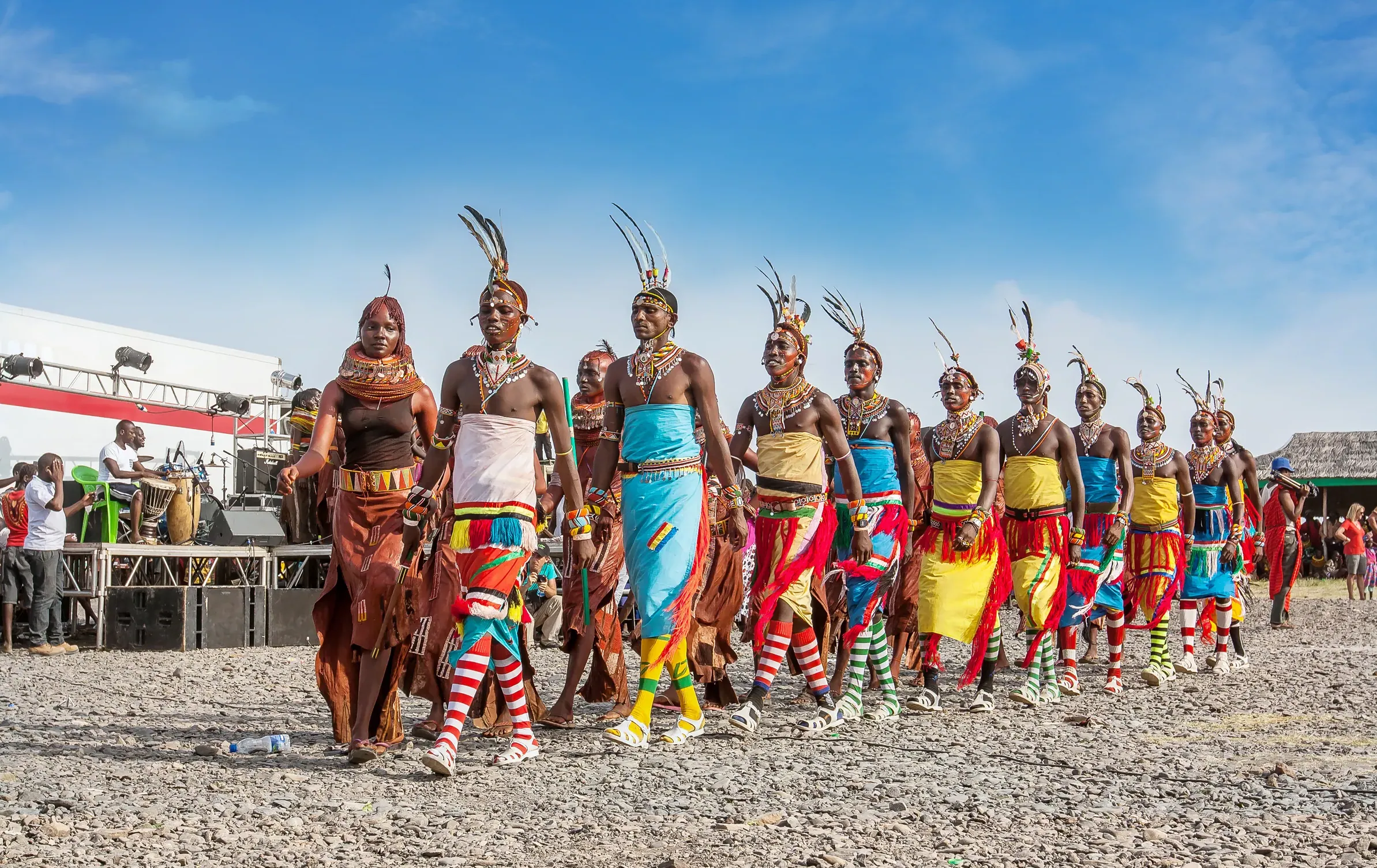
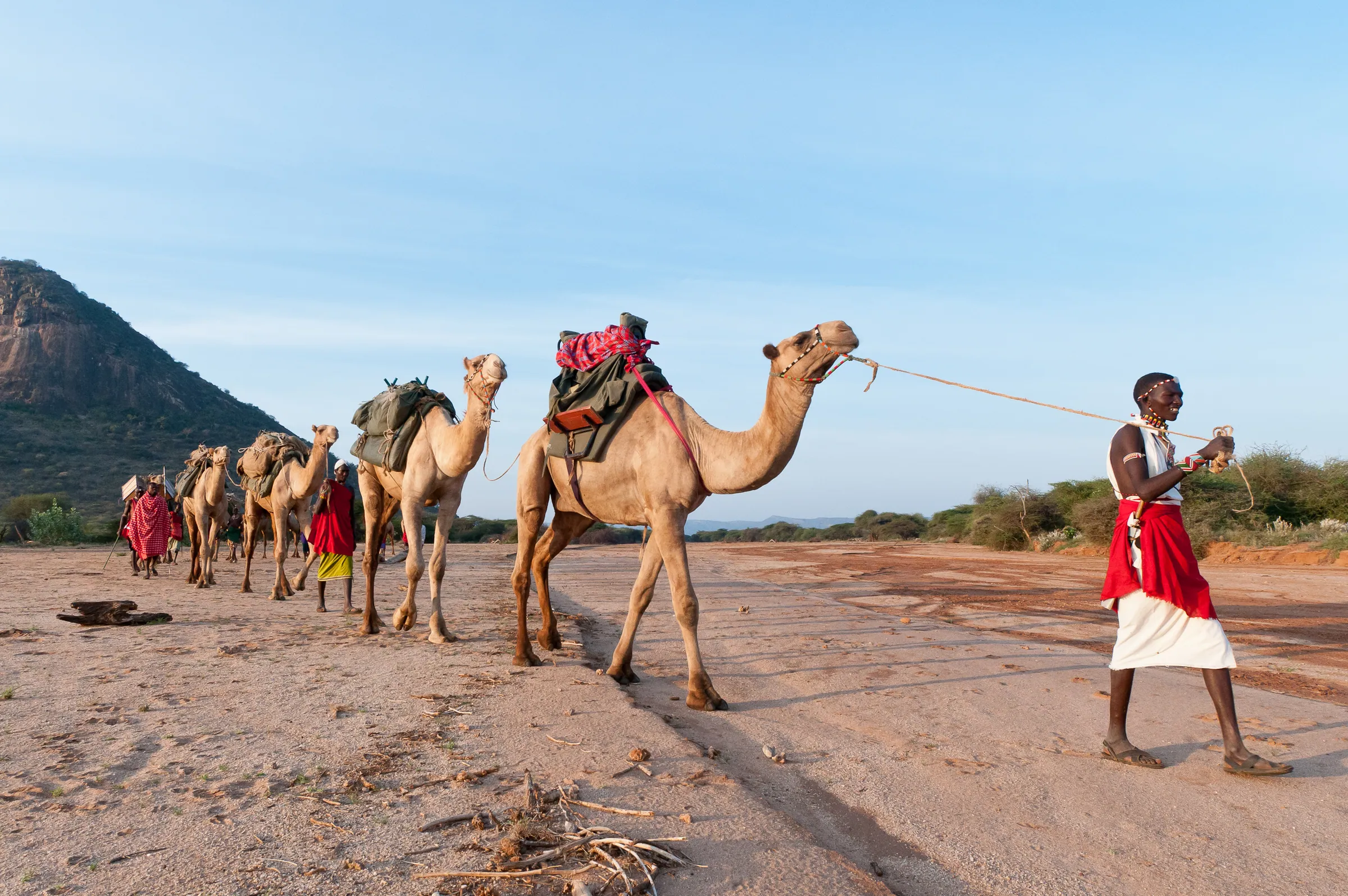
Lake Turkana is the largest desert lake in the world, a long strip of green water in a land of black lava and wind. For about three days, usually in late May or June, the small town of Loiyangalani on its eastern shore becomes the meeting place of the north. The El Molo come from their fishing villages on the shore, the Turkana from across the water, the Rendille and Gabra with their camel culture, the Samburu from the south, the Daasanach from the delta at the lake's northern end, and others, about fourteen communities in all, to dance, sing and show their dress and crafts.
That is the Lake Turkana Cultural Festival, and it is one of the few times many of these communities perform side by side. It is also one of the more demanding events in Kenya to reach, which is part of the reward. We plan it as a trip of about seven days, with experienced northern driver-guides, two vehicles or a charter flight, and a buffer day for the road. Here is what to expect.
What happens at the festival
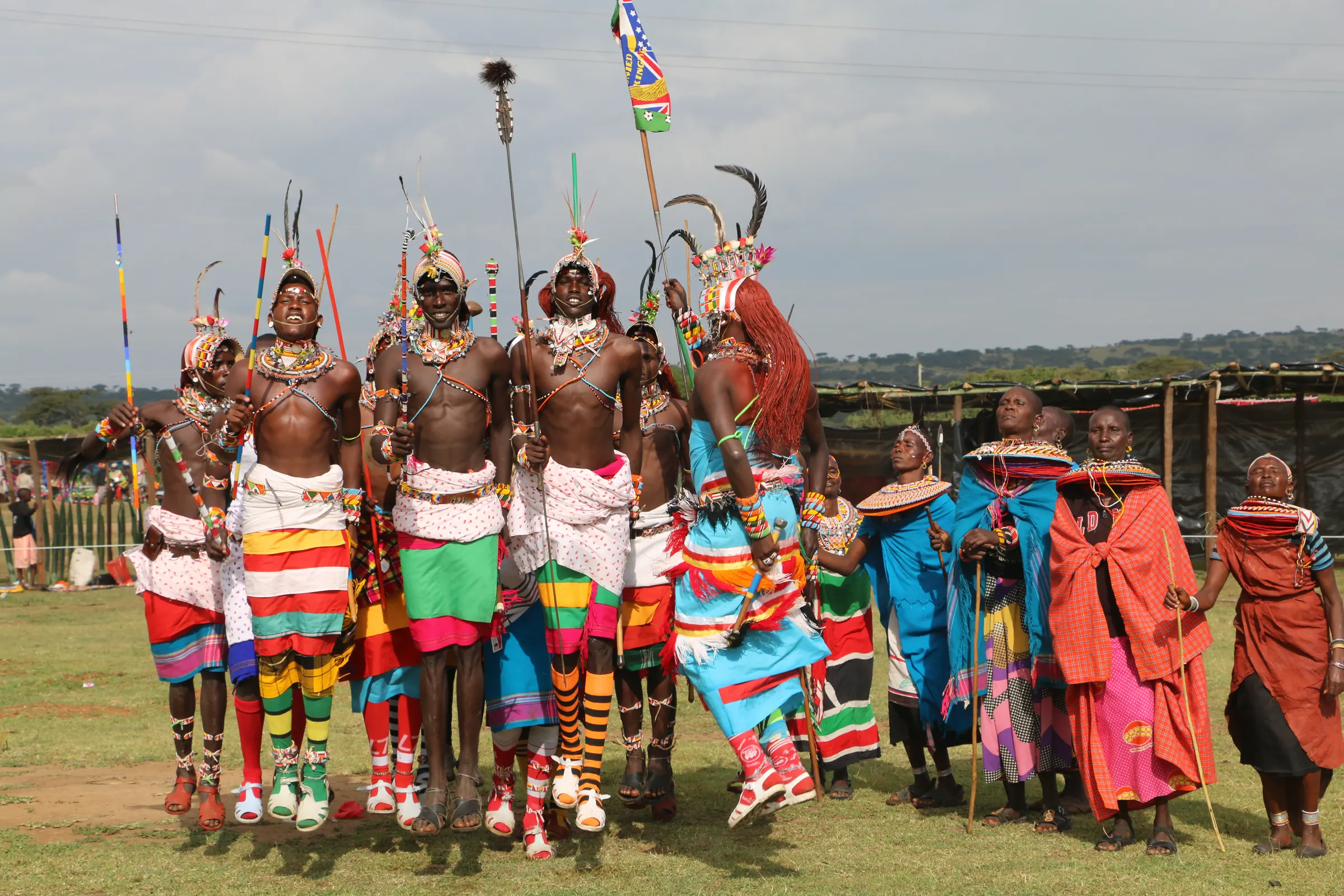
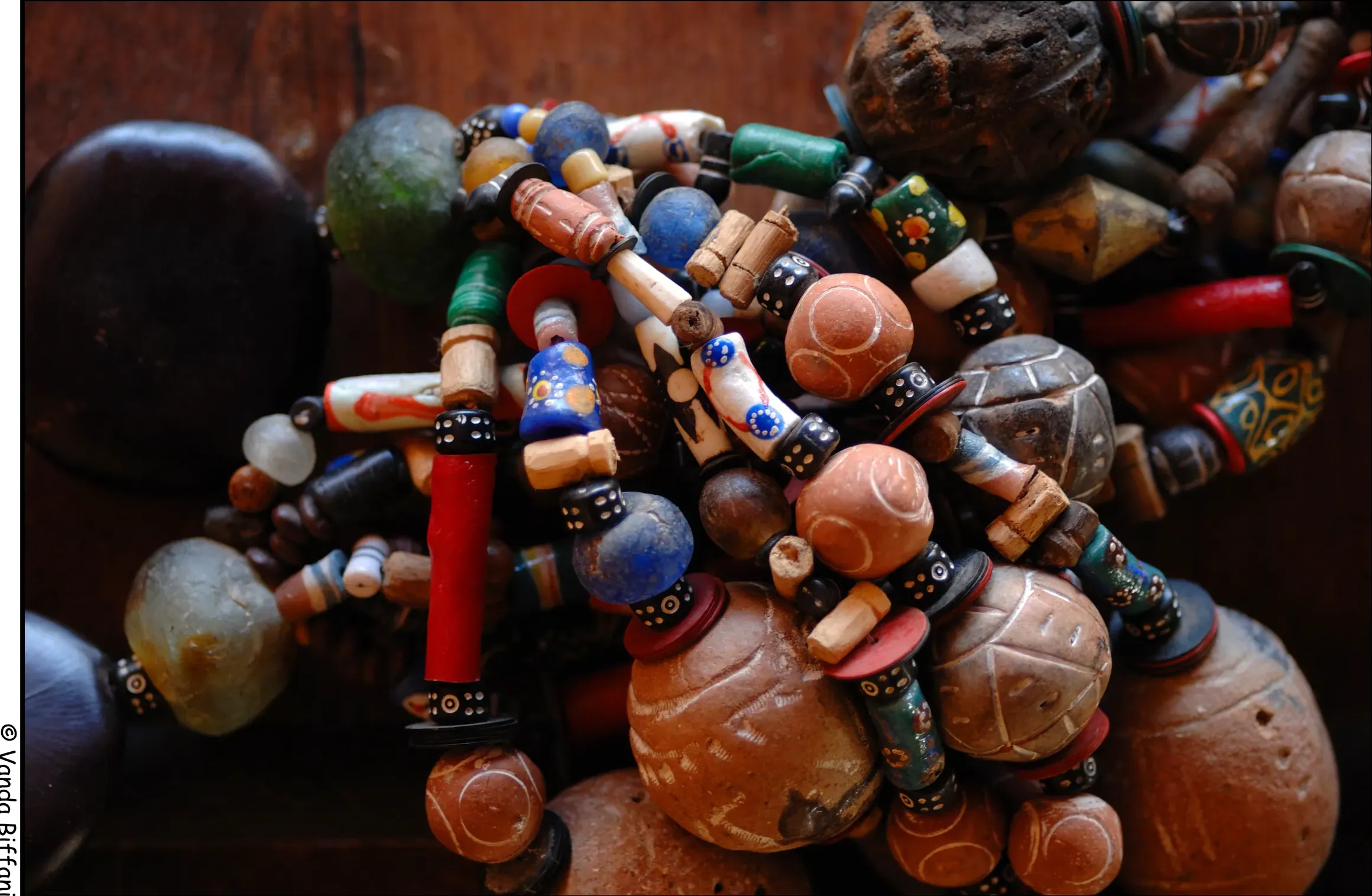
Each community takes its turn in the arena: Samburu and Rendille warriors jumping, Turkana women in layered bead collars, El Molo fishermen with their palm-frond rafts, Daasanach dancers from the Omo delta. Between the performances there are displays of homes, tools, crafts and food, a market where communities trade, and speeches from elders and officials. The festival grew partly as a peace-building gathering, bringing together communities that have competed over grazing and water for generations, and you will hear that message from the stage.
| Community | Home ground | What to look for |
|---|---|---|
| El Molo | The lakeshore around Loiyangalani | One of Kenya's smallest communities; fishing, doum-palm rafts and crocodile lore |
| Turkana | West and south of the lake | Bead collars, wrist knives and the cattle and camel songs of a great pastoral people |
| Rendille | The Kaisut desert toward Marsabit | Camel herders; the women's tall hair crests and dense beadwork |
| Samburu | South of the lake, around Maralal | Maa-speaking cattle people; the jumping dance and red ochre |
| Gabra | The Chalbi desert | Camel nomads with portable domed houses of poles and mats |
| Daasanach | The Omo delta at the lake's north end | A people of Kenya and Ethiopia; distinctive headdresses |
| Borana | Around Marsabit and toward Moyale | Cattle herders with a strong tradition of song |
When it is, and how the dates are set
The festival is usually held over about three days in late May or June, but the dates move and it has not been held every year; some editions have been postponed or cancelled. Dates are announced by the organizers, often only a few weeks or a couple of months ahead, and Marsabit County, where Loiyangalani lies, is the place to watch for announcements. We do not print a date until the organizers confirm it, and neither should you book flights before that.
Getting there
| Route | Time | What to expect |
|---|---|---|
| Nairobi, Nyahururu, Maralal, Baragoi, South Horr, Loiyangalani | Two days, overnight in Maralal | Tarmac to Maralal, then rough tracks and a steep descent to the lake; 4x4 only |
| Nairobi, Isiolo, Marsabit, then west to Loiyangalani | Two days, overnight in Marsabit | Good tarmac to Marsabit, then a long, rough desert crossing |
| Charter flight from Nairobi | Roughly two hours, depending on the aircraft | Lands at the Loiyangalani airstrip; the costliest option, and seats are few |
Most people who make the trip drive one way and fly the other, or drive both ways in a loop: in by Maralal and South Horr, out by Marsabit and Samburu. Either way it takes two vehicles, an experienced northern driver-guide, satellite communication and a buffer day.
Where to stay
Loiyangalani has a few simple lodges and campsites, and in festival week they are full. Expect basic rooms or bandas, cold showers, intermittent power and a lot of wind, which can blow hard off Mount Kulal in the afternoons and evenings. Daytime heat is fierce. Many visitors camp, either with their own kit or with a mobile camp brought up for the trip. The town is small; water and fuel can run short when the festival crowd arrives.
Booking the festival with us
We plan the festival as a trip of about seven days, built around the dates the organizers confirm: two vehicles with experienced northern driver-guides, satellite communication, fuel and water for the desert legs, and either a simple lodge or a mobile camp at Loiyangalani. If you would rather not spend two days on the road each way, we can fly one leg by charter. If the organizers move the dates, we tell you as soon as they do and rework the plan with you. Before you book, check the current U.S. State Department advisory for Kenya and confirm your travel insurance covers your route. Trips can be paid in full or monthly, with no deposit.
A sample route
- Day 1: Nairobi to Maralal, with a stop at Kenyatta House, where Jomo Kenyatta was held in 1961
- Day 2: Maralal to Loiyangalani by Baragoi and South Horr, arriving at the lake in the late afternoon
- Days 3 to 5: the festival, with early mornings on the shore and a boat to Central Island if the wind allows
- Day 6: Loiyangalani to Marsabit, crossing the desert toward the forested mountain
- Day 7: Marsabit to Samburu for two nights of game drives, then Nairobi
Photography and manners
- Performances in the arena can usually be photographed; for portraits, ask first
- Some communities set a photography fee; pay it, and carry small notes
- Greet elders first, and follow your guide's lead on who to approach
- Do not hand out sweets or money to children
- Protect your camera from dust and wind, and carry a cloth and a blower
- Drink far more water than you think you need
Beyond the festival
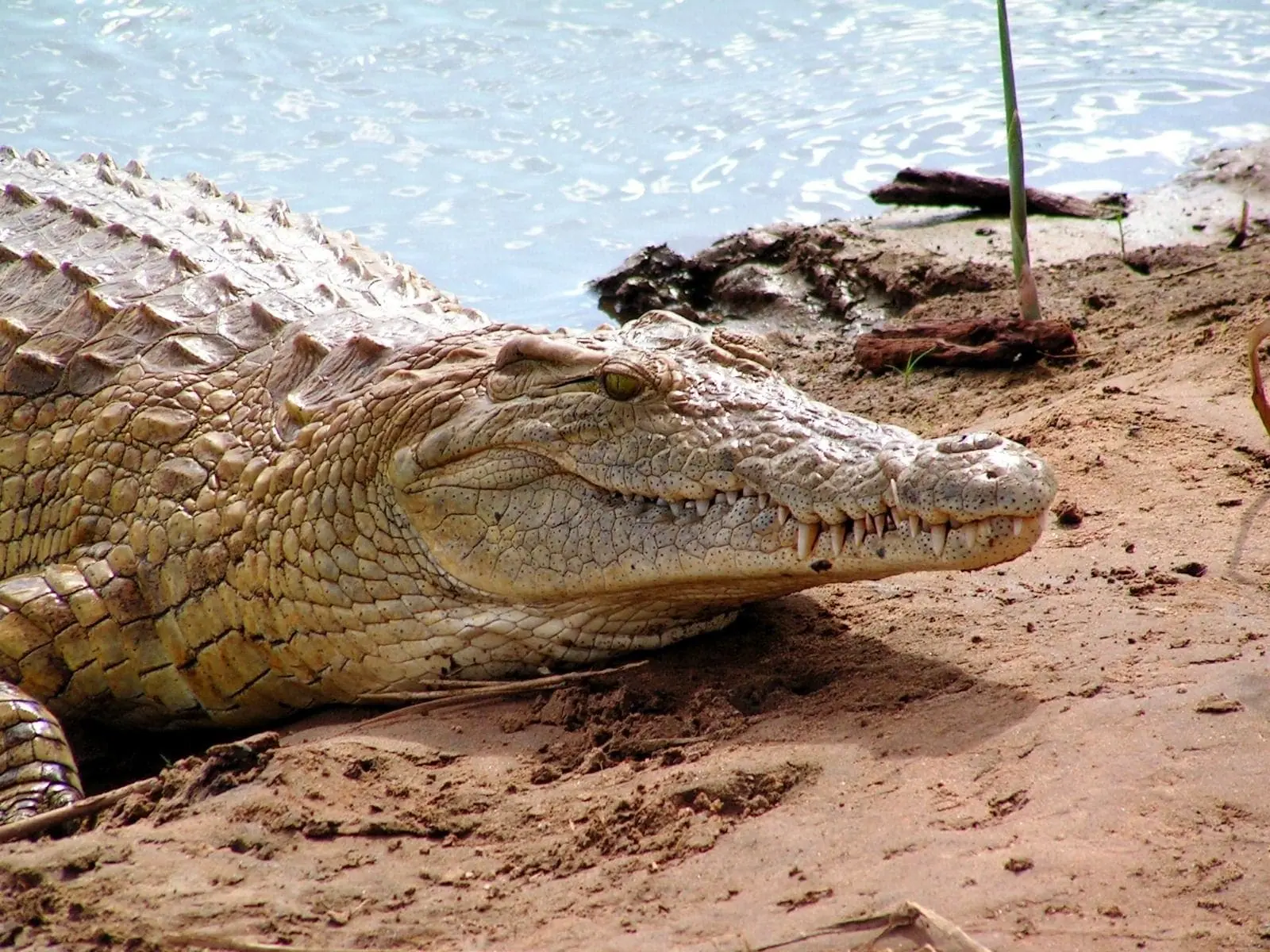
Lake Turkana's national parks, Sibiloi on the northeast shore and Central and South Islands, are a UNESCO World Heritage Site for their birdlife, their Nile crocodiles and the fossil beds at Koobi Fora, where some of the most important early human fossils have been found. Central Island's crater lakes are a short boat ride from the east shore when the wind is down. In Loiyangalani itself, a small Desert Museum looks over the town and the lake. Our Loiyangalani and northern Kenya pages cover the rest.