Festivals and events. Updated November 2026. 4 min read.
For one weekend in October, Nairobi's loudest place is a rugby ground, and the ticket costs less than a coffee. The Safari Sevens fills Nyayo National Stadium with music, vuvuzelas, club songs and fans in Kenya's colors, and when Shujaa, the national sevens team, run out, the noise is something you feel in your chest.
The Safari Sevens is an international invitational sevens tournament run by the Kenya Rugby Union, usually over a weekend in October. The 2026 edition, the 28th, was held October 9 to 11 at Nyayo National Stadium, with 12 men's and 6 women's teams. Day tickets cost KSh 300 on the Friday and KSh 750 on Saturday or Sunday, with a KSh 1,000 weekend pass, roughly $2 to $8. The union announces the next edition's dates, usually a couple of months ahead. Our sport in Kenya page covers the whole sporting scene; this page is the tournament and how to be there.
What the Safari Sevens is
Sevens is rugby's fast, open short form: seven players a side, seven-minute halves, a match every half hour from morning to evening. Kenya took to it more than almost any country in Africa. Shujaa have played on the World Series for years, have appeared at the Olympics, and won the Singapore Sevens in 2016, beating Fiji in the final, still one of the great days in Kenyan sport. The Lionesses, the women's team, have played at the Olympics too.
The Safari Sevens is their home tournament. It mixes national teams, development sides and invitational clubs from around the world. In 2026 the field included Shujaa and Kenya Morans, Kenya's second team, alongside Uganda, Zimbabwe, Scotland 7s, the French Renegades, Shogun and the Southern California Nomads. Shujaa won the men's title in 2025, and the Lionesses went into 2026 as the women's champions. For Kenyan fans, a home crowd watching Shujaa beat a touring side is the point of the weekend.
The weekend, day by day
| Day | What is on | 2026 ticket | Crowd |
|---|---|---|---|
| Friday | Pool matches from the morning | KSh 300 | Thinner; schools and the keen |
| Saturday | More pool matches, the party builds | KSh 750 | Big and loud by the afternoon |
| Sunday | Knockouts, the finals and the trophies | KSh 750 | The biggest crowd of the weekend |
| Weekend pass | All three days | KSh 1,000 |
The atmosphere
The Safari Sevens is half rugby, half festival. Music plays between matches, fans bring vuvuzelas and drums, and there is a lot of dancing in the stands. The crowd's backbone is Nairobi's rugby clubs: the Nondescripts, known as Nondies, Impala Saracens, Kenya Harlequins, Mwamba and the rest, each with its songs and its old rivalries, and with a strong following from Kakamega's Kabras Sugar. Shujaa's players are known for their post-match celebrations, and when they win, the stadium joins in.
It is a family-friendly event in the daytime, with children everywhere, and gets more boisterous as the afternoon goes on, especially on Saturday. Food and drink stalls sell nyama choma, chips, samosas and cold drinks.
Tickets and getting in
Tickets in 2026 were sold online through TikoHub, payable by M-Pesa or card, and buying ahead saves queuing at the gate. Expect security checks at the entrance: no glass, no large bags. Nyayo National Stadium is on the edge of the city center at the junction of Langata Road and Mombasa Road, a short ride from the central business district, Westlands, Karen and Wilson Airport. Use a ride-hailing app or your driver, agree a pickup point a short walk from the gates, and expect heavy traffic as the crowd leaves after the Sunday finals.
What to wear and bring
- Sunscreen and a hat: Nairobi sits at about 1,795 m, and the sun in an open stand is strong
- A warm layer for the evening; Nairobi cools quickly after sunset
- A light rain jacket; the short rains can begin in October
- Cash in small notes and M-Pesa for food and drink
- Your phone in a front pocket, and little else of value
- A Kenya jersey or something in black, red and green, if you want to fit in
- Ear protection for small children, for the vuvuzelas
Pair it with a Mara week
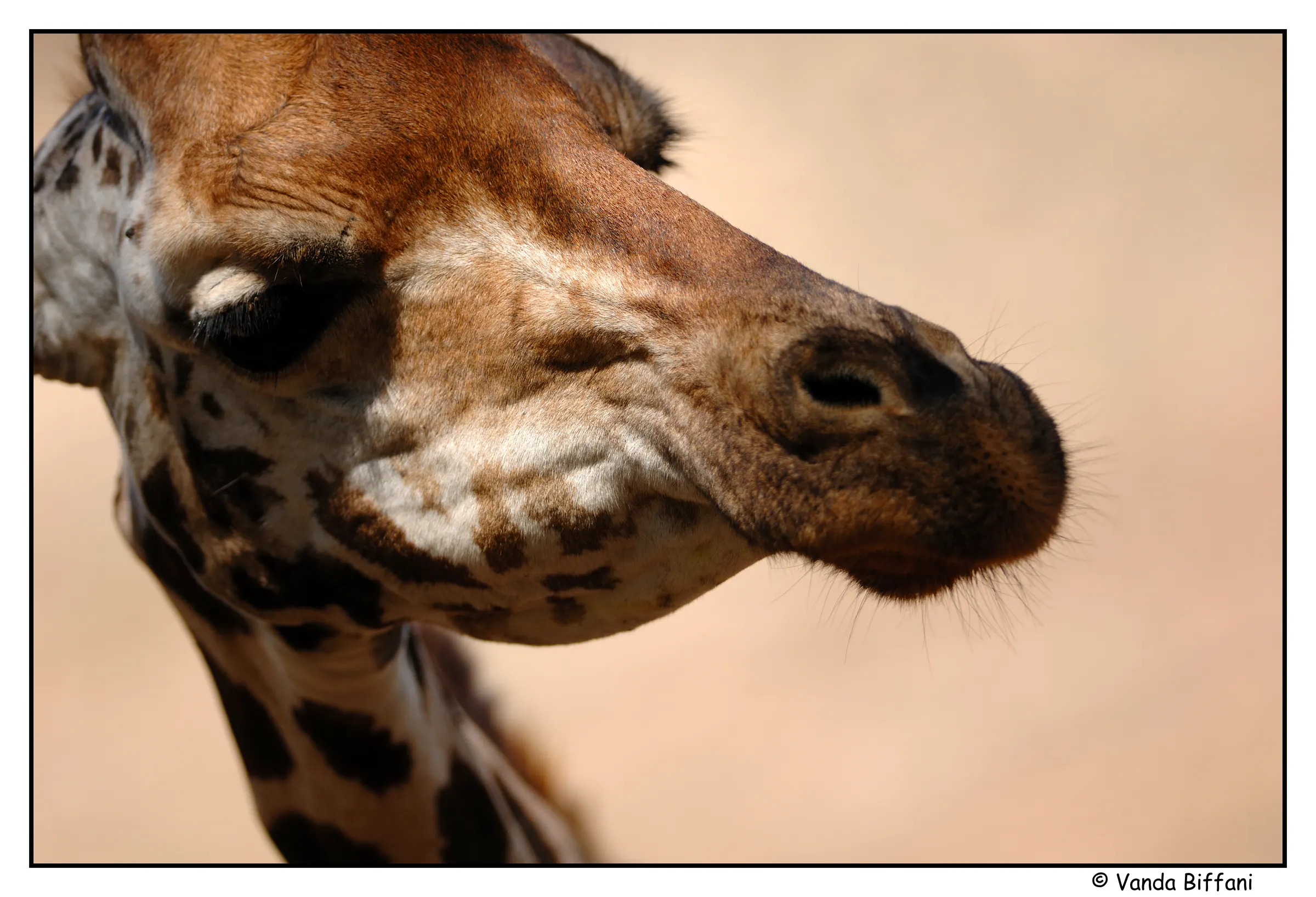
October is a fine month for this. The wildebeest migration is usually in its last weeks in the Maasai Mara, the herds are often still crossing the river, and the parks are quieter than in August. A Sevens weekend followed by four or five nights in the Mara makes a complete trip: fly from Wilson Airport, a few minutes from Nyayo, to a Mara airstrip in about an hour. Mashujaa Day, October 20, is a public holiday, and the Nairobi Marathon usually falls later in the month, so a sporting fortnight is possible.
| Day | Plan |
|---|---|
| Thursday | Arrive at JKIA; rest in Karen or Westlands |
| Friday | Morning at the Giraffe Centre or Nairobi National Park; afternoon at the Sevens |
| Saturday | A full day at Nyayo |
| Sunday | The knockouts and finals |
| Monday to Thursday | Fly to the Mara for four nights of game drives in the migration's last weeks |
| Friday | Fly back to Wilson and connect to your flight home |
Kenya on the world stage
The Safari Sevens is not part of the World Rugby series, but Kenya's place in international sevens is growing again. At the time of writing, Kenyan media report that Nairobi will host a leg of SVNS 2, the second tier of World Rugby's sevens circuit, in 2027; World Rugby will confirm the dates. We will add them to our events calendar when they are published.
For teams and clubs
U.S. high-school and college rugby teams often build a tour around the Safari Sevens: training sessions with Kenyan clubs, a friendly or two, a day of service with a sports charity, and the tournament itself, then a safari. Our sports-team tours page explains how we plan those, with the insurance and supervision a school needs. Kenya Experience trips can be paid in full or monthly, with no deposit.