Festivals and events. Updated November 2026. 5 min read.
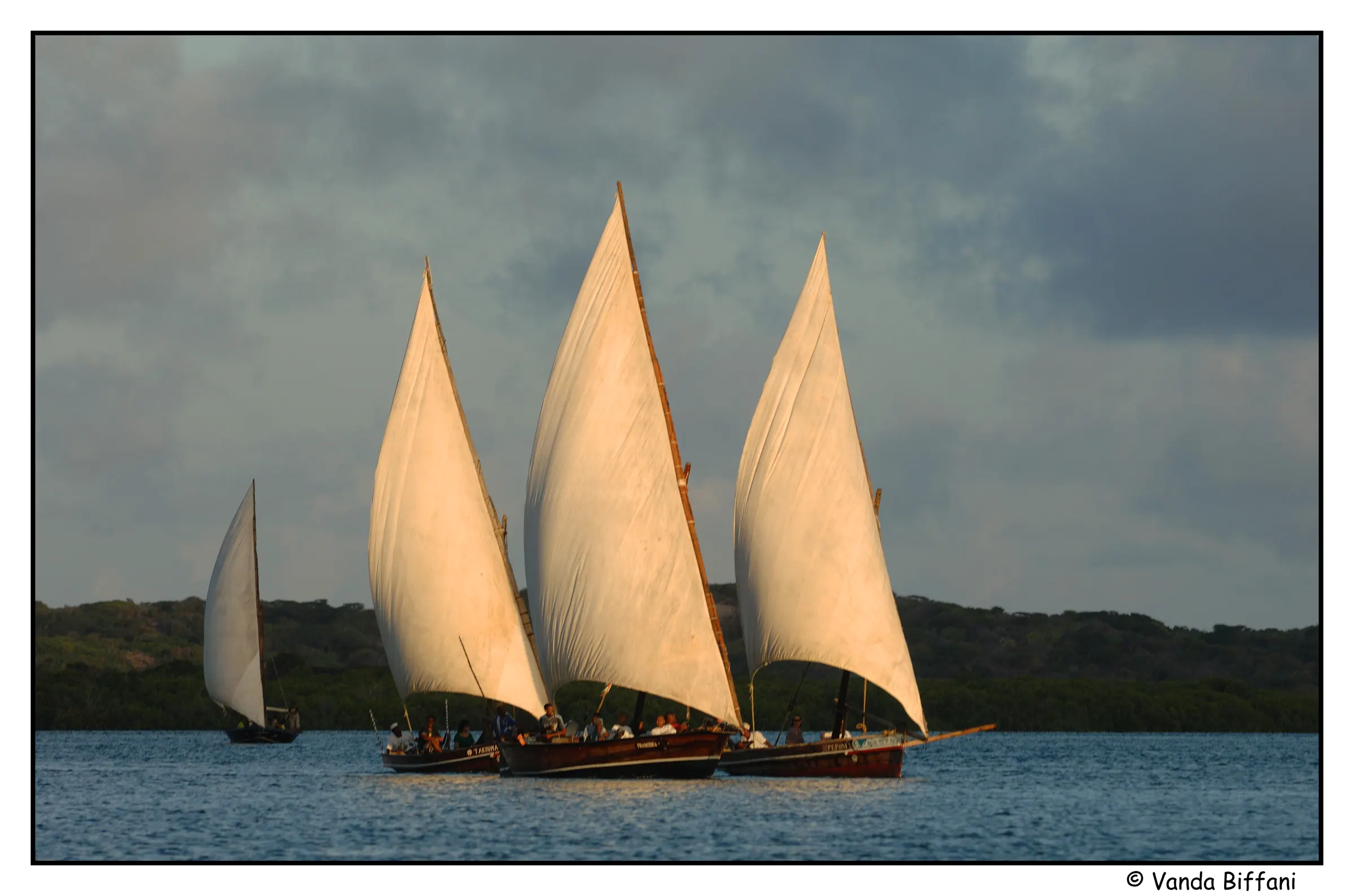
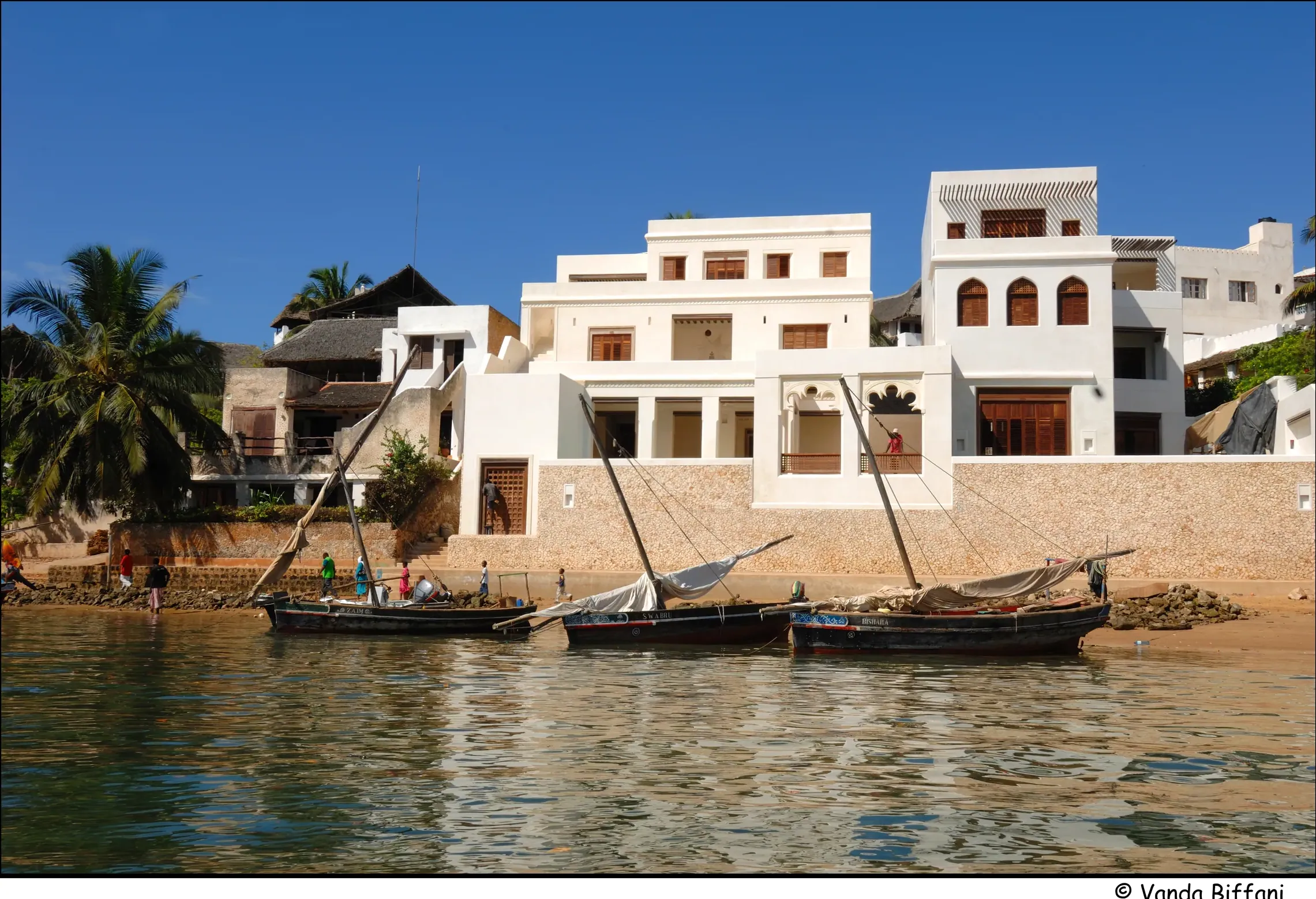
For three days each November, the oldest living Swahili town in East Africa turns its waterfront into a racecourse and its squares into a stage. Lateen-sailed dhows race across the channel, boys ride donkeys flat out along the seafront, old men play bao on the stone benches while a crowd argues every move, and in the evenings poets stand up to recite verses in Kiswahili that would have been understood on this shore five hundred years ago.
That is the Lamu Cultural Festival, usually held in late November in Lamu Old Town and Shela. It celebrates the crafts, sports and arts of the Lamu archipelago, most of them tied to the sea. We build festival trips around it: a flight to Manda, a guesthouse in the Old Town or a hotel in Shela, a local guide, and days planned around the races by day and the poetry and music at night. This page explains what happens, when, and how to plan it.
What happens at the festival
| Event | What it is | Where it usually happens |
|---|---|---|
| Dhow races | Traditional sailing dhows, from small mashua to larger jahazi, raced under lateen sails with crews hiking out on the gunwales | The channel between Lamu and Manda, finishing off the waterfront or Shela |
| Donkey races | A sprint along the seafront on the island's main transport; Lamu has almost no cars | The Lamu waterfront |
| Swimming and canoe races | Races for young islanders in the harbor | Lamu and Shela beaches |
| Bao tournaments | The four-row board game of pits and seeds, played fast and loudly | The barazas, stone benches outside houses and in the squares |
| Swahili poetry | Recitals of shairi and longer utenzi verse, some composed for the festival | Evening stages in the Old Town |
| Taarab and drumming | The coast's sung poetry with strings and percussion, and traditional ngoma | Evening concerts |
| Henna, crafts and food | Henna painting, carved doors and furniture, embroidered kofia caps, Swahili dishes | Stalls around the main square and the fort |
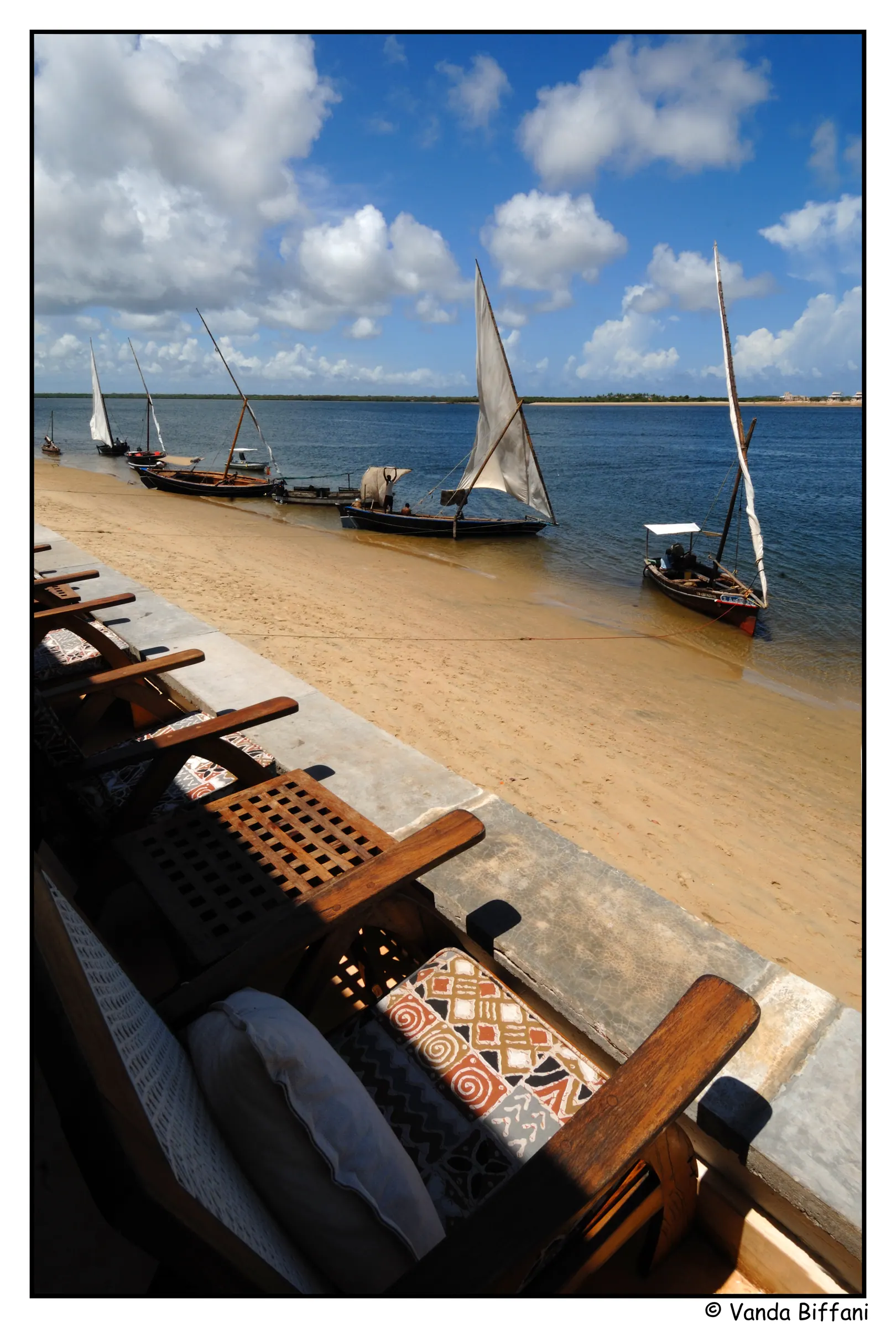
The dhow races are the centerpiece. These boats are still built by hand on the archipelago, most famously at Matondoni village on the west side of Lamu Island, and the races are serious contests between crews and villages, with prize money and pride at stake. The donkey race is the crowd favorite, and the shortest event of the weekend. The poetry is the part most visitors miss and should not: Swahili verse is a living art on this coast, recited at weddings and funerals as well as on festival stages.
When it is, and how the dates are set
The festival is usually held over about three days in late November, but there is no fixed weekend. Lamu County and the local organizers announce the dates and program, often only a few weeks ahead, through the county's channels and Kenyan media. In some years the festival has been moved or scaled down, so we hold rooms early and confirm flights once the dates are out. Lamu's other great gathering, Maulidi, follows the Islamic calendar and so moves about 11 days earlier each year; it centers on the Riyadha Mosque and draws pilgrims from across the Indian Ocean.
Planning a festival trip
Lamu is easy to reach by air. Scheduled flights from Nairobi, and at times from Mombasa and Malindi, land at the airstrip on Manda Island, and a boat crosses the channel to the Lamu waterfront or to Shela in minutes. There are no cars to speak of on the island: you walk the Old Town, take a boat to Shela or ride a donkey if you insist. Four or five nights is the right length, which gives you the festival days plus time for the island itself. Before you book, check the current U.S. State Department advisory for Kenya and confirm your travel insurance covers your route.
| Day | Plan | Evening |
|---|---|---|
| 1 | Fly from Nairobi to Manda, boat to Lamu, settle into an Old Town guesthouse | Sunset on the waterfront and a first plate of Swahili food |
| 2 | Old Town walk with a local guide: the fort, the museum, carved doors and the lanes | Poetry recitals on the evening stage |
| 3 | Dhow races in the channel, then the donkey race along the seafront | Taarab and drumming |
| 4 | Shela: the dunes, bao on the barazas, swimming and canoe races | Dinner in Shela |
| 5 | A dhow to the Takwa ruins on Manda, or Matondoni to see dhows being built | Fly back to Nairobi, or on to a safari |
Why Lamu's culture draws people back
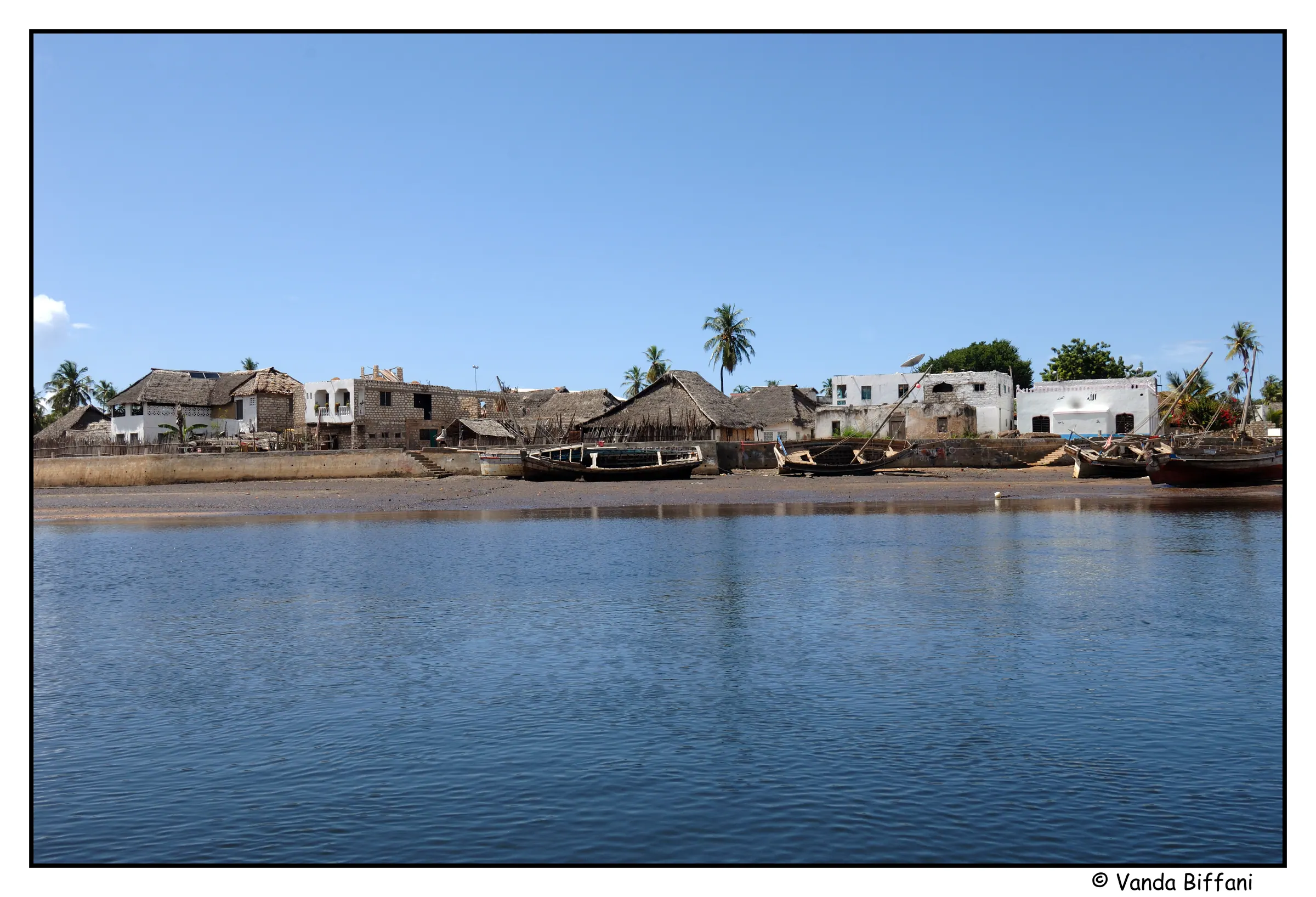
UNESCO describes Lamu Old Town as the oldest and best-preserved Swahili settlement in East Africa, still lived in, with coral-stone houses, carved wooden doors, narrow lanes built for donkeys and people, and a Muslim culture that has kept its customs for centuries. The festival is a showcase of that culture by the people who keep it. Our pages on Lamu Island and on the Old Town's history go deeper.
Festival manners
- Lamu is a conservative Muslim town: cover shoulders and knees in the Old Town, and keep swimwear for the beach at Shela
- Ask before you photograph anyone, and do not photograph women without clear permission
- Donkeys have right of way in the lanes; step into a doorway and let them pass
- Alcohol is served in some hotels but not in public; do not drink on the street
- Friday midday prayers matter; expect some events to pause
- Tip the dhow crews and performers if you are invited aboard or behind the scenes
Pair it with
| Add | Why | How |
|---|---|---|
| A safari first | The Mara or Amboseli and then the coast is the classic Kenya trip | Fly from the parks to Nairobi, then on to Manda |
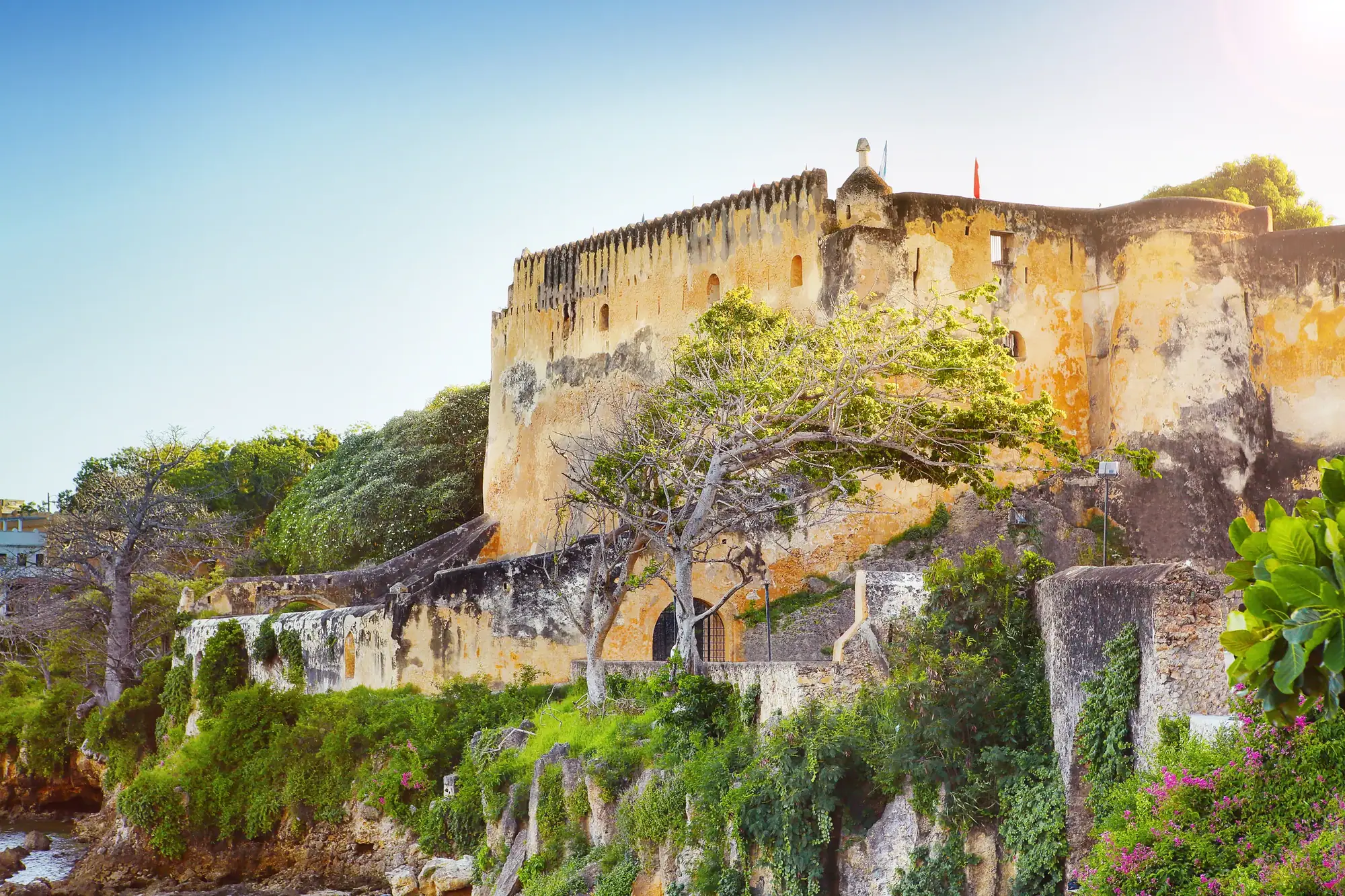
| Mombasa Old Town and Fort Jesus | A second Swahili town, bigger and busier, with four centuries of forts | A short flight from Manda to Mombasa |
| The Gede ruins near Watamu | A ruined Swahili stone town in the forest | Fly to Malindi, then a short drive |
| The Mombasa Carnival | A coast festival usually held in November or December | Moi Avenue, Mombasa, if the dates line up |
Our where-to-stay guide for Lamu compares the Old Town guesthouses, the hotels of Shela and the quieter places on Manda, which matters most in festival week, when the best rooms go first.