The coast. Updated November 2026. 5 min read.
Almost everyone who has been to Lamu has been to Manda first, because the airport is there. Most walk from the plane to the jetty, step into a boat and never look back. They miss an island of quiet beaches, two of the archipelago's best-known resorts and, in the mangroves on its far side, the ruins of a Swahili town abandoned three centuries ago.
This page is about Manda on its own: the airport, Takwa, the beaches and the reef, and where people stay. Our Lamu page covers the archipelago as a whole. Manda is easy to add to any Lamu stay, as a day by dhow from Lamu town or Shela, or as a resort base of its own with the Old Town ten minutes away by boat. Before you book, check the current U.S. State Department advisory for Kenya and confirm your travel insurance covers your route.
Where Manda is
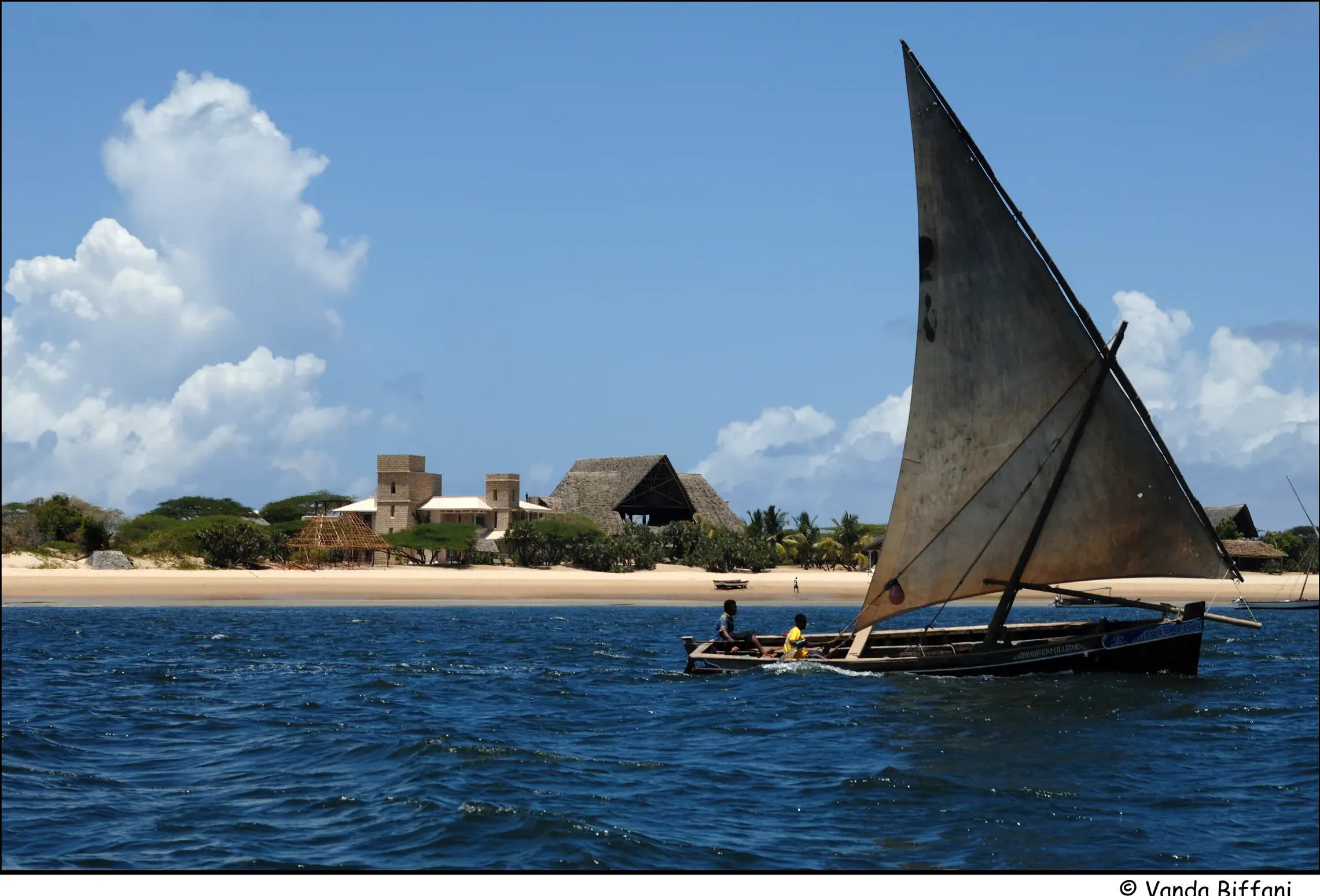
Manda is a low, sandy island of bush, baobabs and mangrove, facing Lamu town and Shela across a narrow channel. It is far less settled than Lamu, with a few villages, the airstrip near the channel facing Lamu, private houses along the shore opposite Shela, and mangrove creeks winding into its eastern side. On the mainland to the north-west, on Manda Bay, the new Lamu Port has been built at Kililana as part of a national transport corridor.
The airport
Manda Airport, code LAU, is the gateway to the whole archipelago. Safarilink and Airkenya have flown from Nairobi Wilson, and Jambojet and Skyward Express from Jomo Kenyatta International, in about 1 hour 45 minutes; schedules change, so check with the airlines. From the terminal it is a short walk to the jetty and about ten minutes by boat to Lamu town or Shela. Light aircraft limit luggage to about 15 kg in a soft bag.
The Takwa ruins
Takwa was a Swahili stone town on a creek on Manda's south-eastern side. It flourished in about the 16th and 17th centuries and was abandoned around 1700, probably because of a shortage of fresh water and conflict with its neighbors. What remains is a town wall, the outlines of dozens of houses, and a Friday mosque with an unusual pillar rising from its northern wall where you might expect a minaret, with a tall pillar tomb nearby. National Museums of Kenya looks after the site.
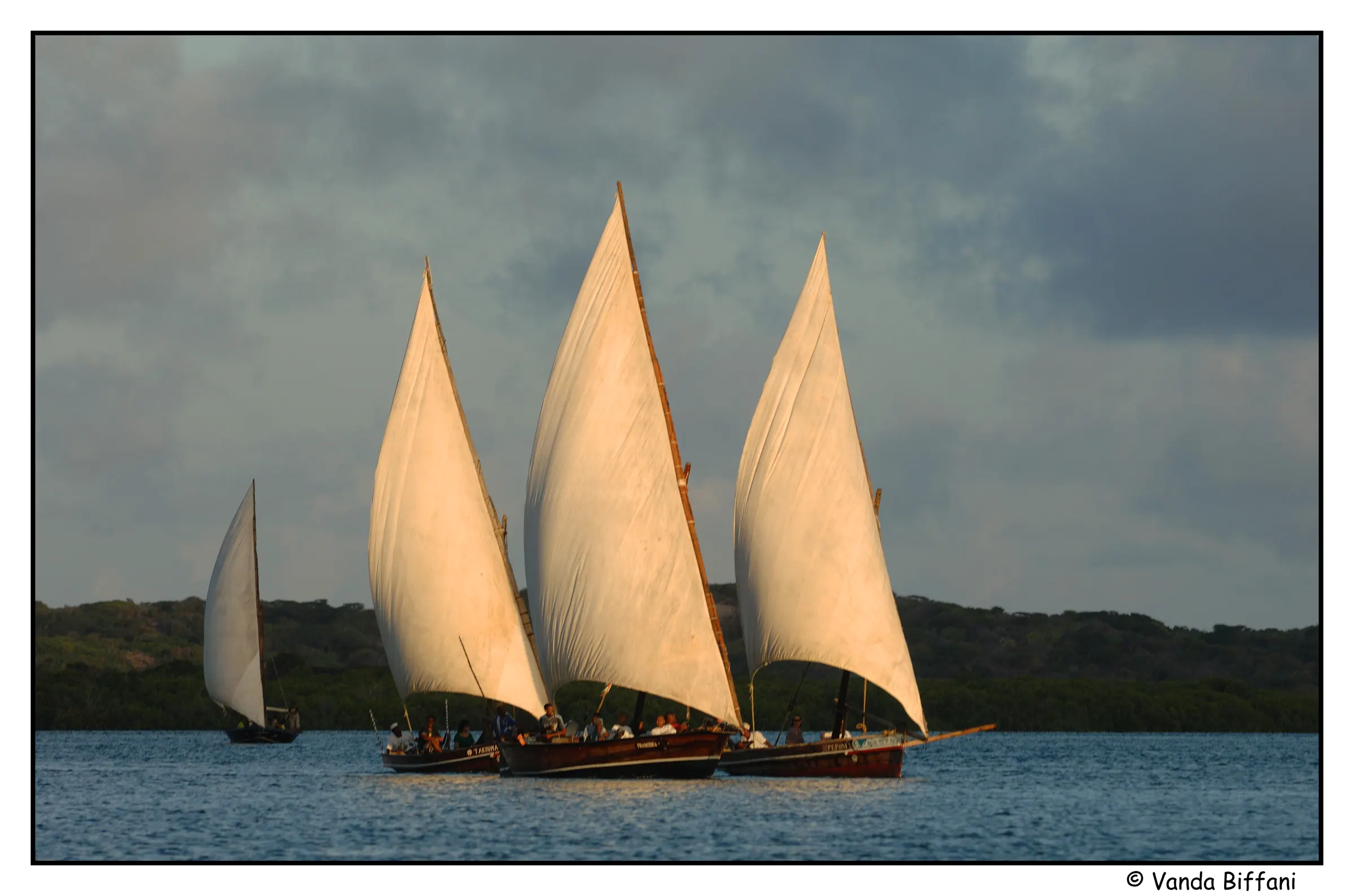
Getting there is half the visit. Dhows from Lamu and Shela go round to Takwa through the mangroves, and the creek is navigable only around high tide, so the trip is timed to the tides and the walk from the landing to the ruins is short and hot. Local tradition in Shela holds that some of its families came from Takwa when the town was abandoned, which gives the visit a living connection.
Old Manda
On Manda's north-west corner lie the remains of a much older town, also called Manda, which was trading across the Indian Ocean by the 9th century. Archaeologists have found Persian and Chinese ceramics there, evidence of how far its trade reached. Little stands above ground today and it is rarely visited, but it is one of the reasons historians count the Lamu archipelago among the cradles of Swahili civilization. Our Swahili coast page tells the bigger story.
Beaches and Manda Toto
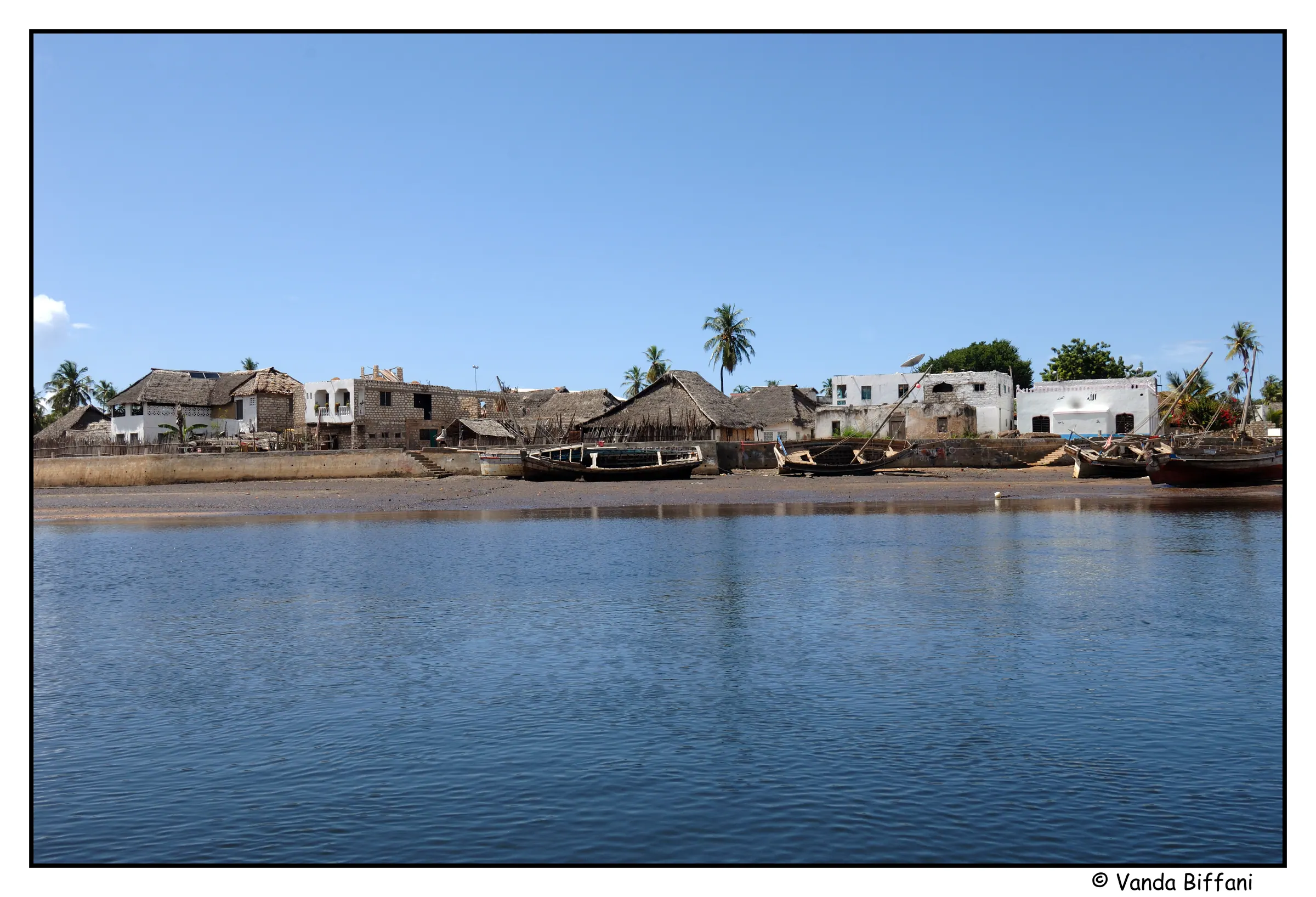
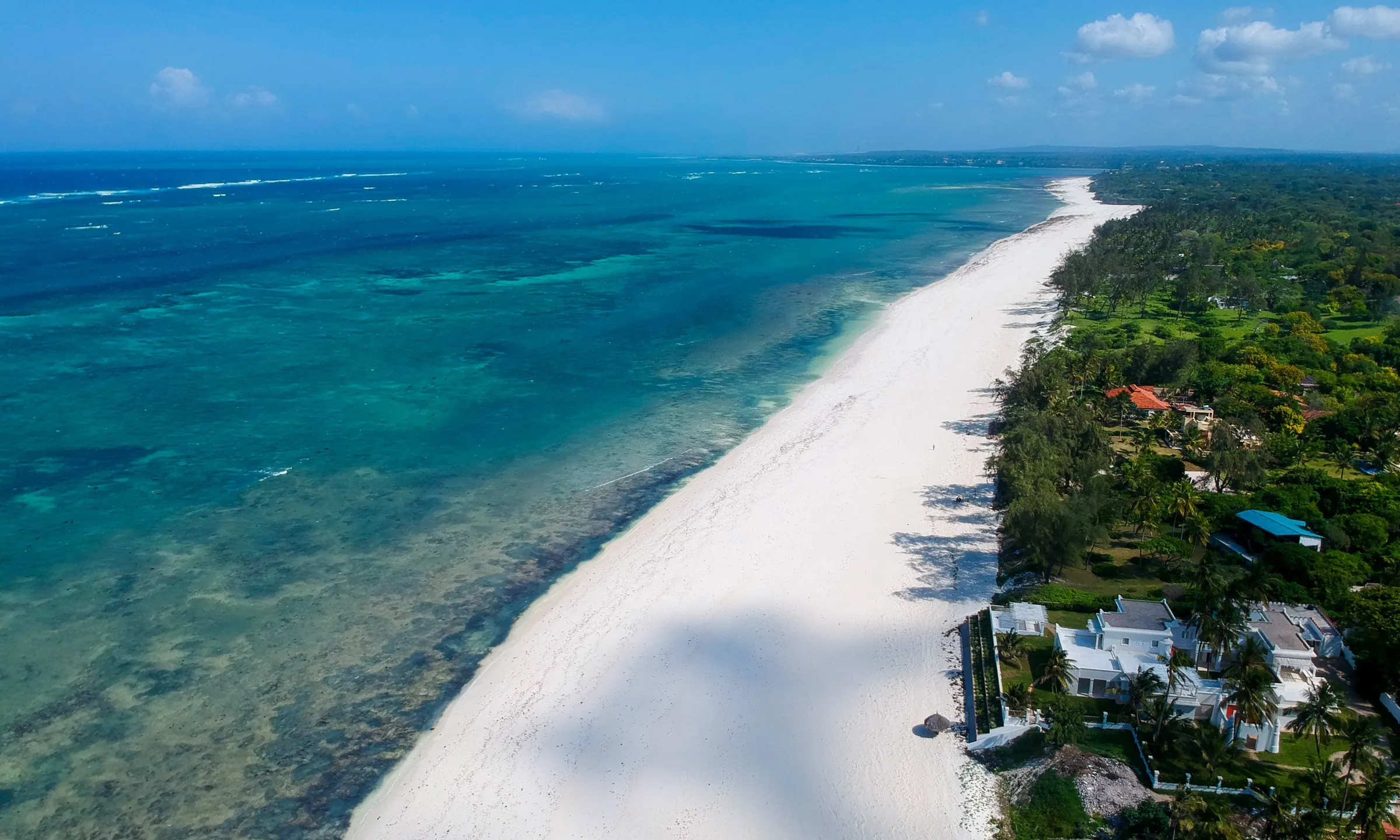
Manda's beach facing Shela is quiet, with soft sand and a view of the village and its minaret across the channel. Off the island's northern tip, the small island of Manda Toto, 'little Manda', has coral gardens that make Lamu's best snorkeling day out, reached by dhow with a picnic lunch on the sand. As everywhere on this coast, the reef depends on calm seas, and the calmer months are roughly December to March.
Where people stay
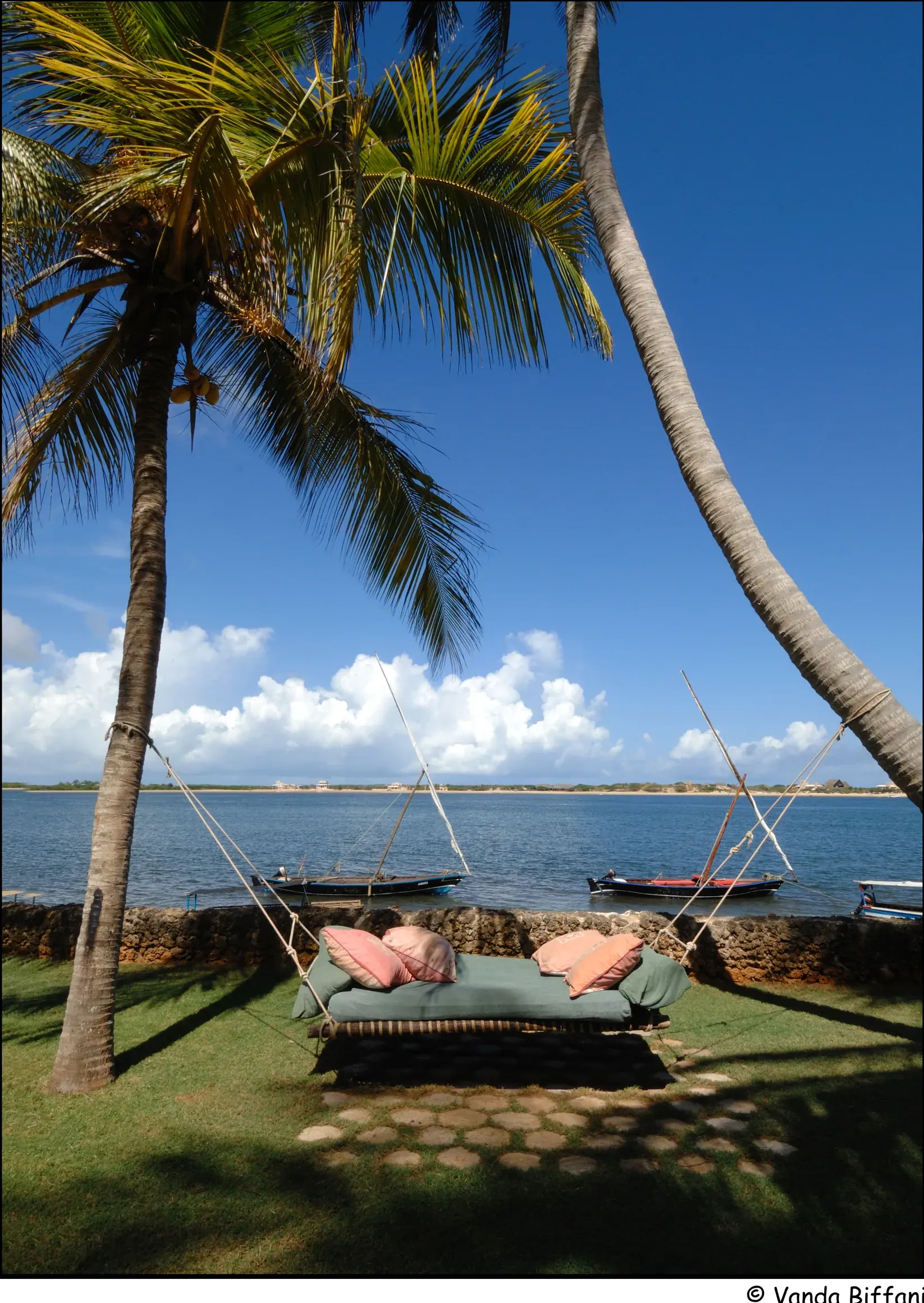
Manda is the resort side of Lamu. The Majlis and Manda Bay are the best known, with pools, water sports and beaches of their own, for travelers who prefer a resort to a village guesthouse. Our where-to-stay guide for Lamu covers them with their price bands.
When to go
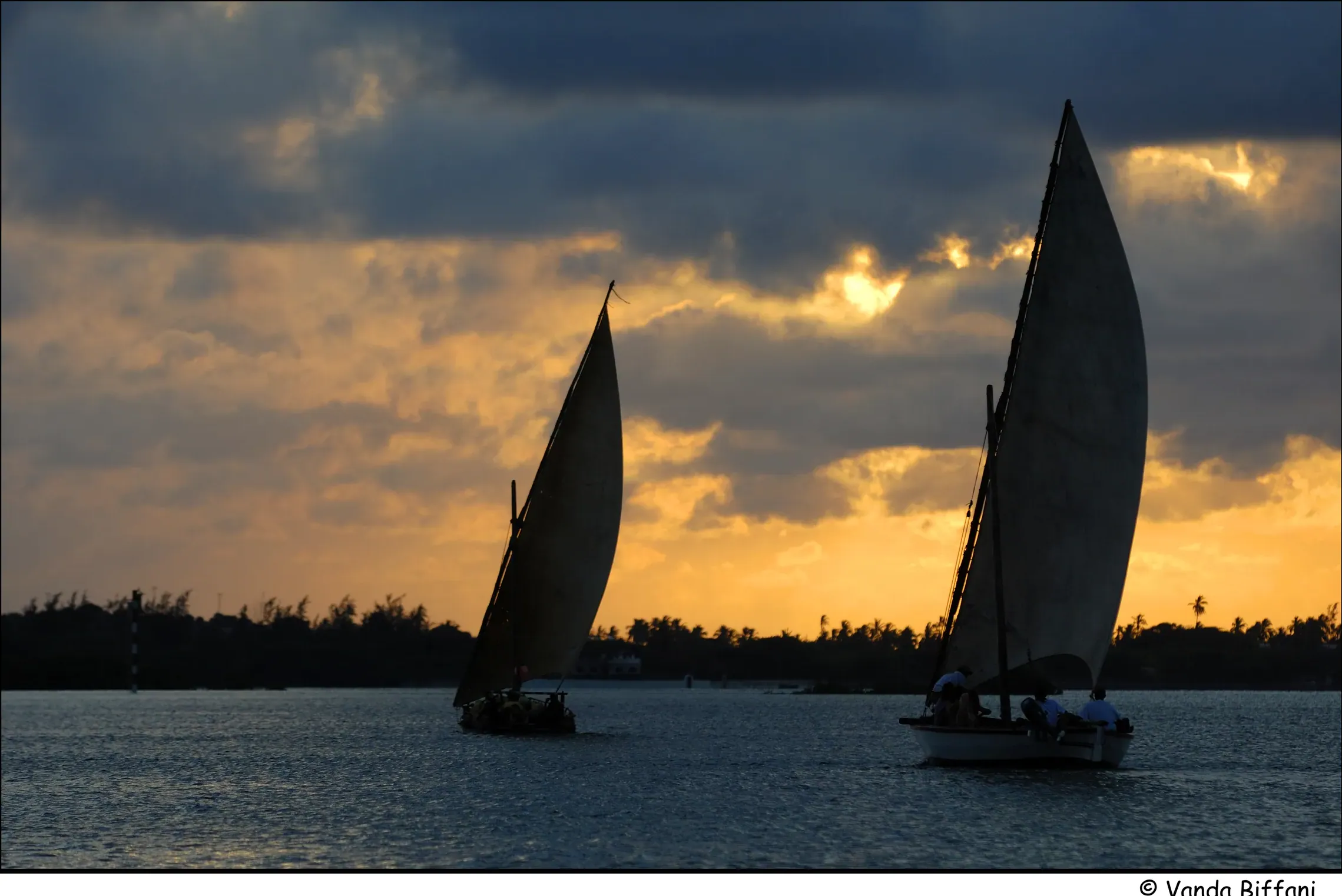
The Lamu archipelago is warm all year. The calmest seas and clearest water usually come from about December to March, with the north-east kaskazi breeze, which is the best time for dhow trips, Takwa and snorkeling at Manda Toto. The long rains fall roughly April to June, when some lodges close. From June to September the south-east kusi makes the open sea rougher, though the channel between Manda and Lamu stays sheltered. Late November brings the Lamu Cultural Festival and its dhow races to the channel.
Dress and conduct
- Manda's resorts are relaxed, but the villages and Lamu town across the channel are conservative: cover shoulders and knees away from the beach
- Ask before photographing people, and accept a no
- At Takwa, keep off the walls and tombs, and take your rubbish back to the boat
- Bring cash for boats and tips: the ATMs are in Lamu town
- Sleep under a mosquito net and take your malaria tablets
Days out on Manda
| Trip | How | Best for |
|---|---|---|
| The Takwa ruins | A dhow through the mangroves around high tide, about half a day | Swahili history and the mangrove creeks |
| Manda Toto | A dhow to the northern tip, with a picnic lunch on the sand, a full day | Snorkeling, in the calm months of December to March |
| The beach facing Shela | A boat across the channel, a few minutes | A quiet beach day with a view of Shela's minaret |
| Old Manda | By boat with a guide who knows the site | Archaeology enthusiasts; little stands above ground |
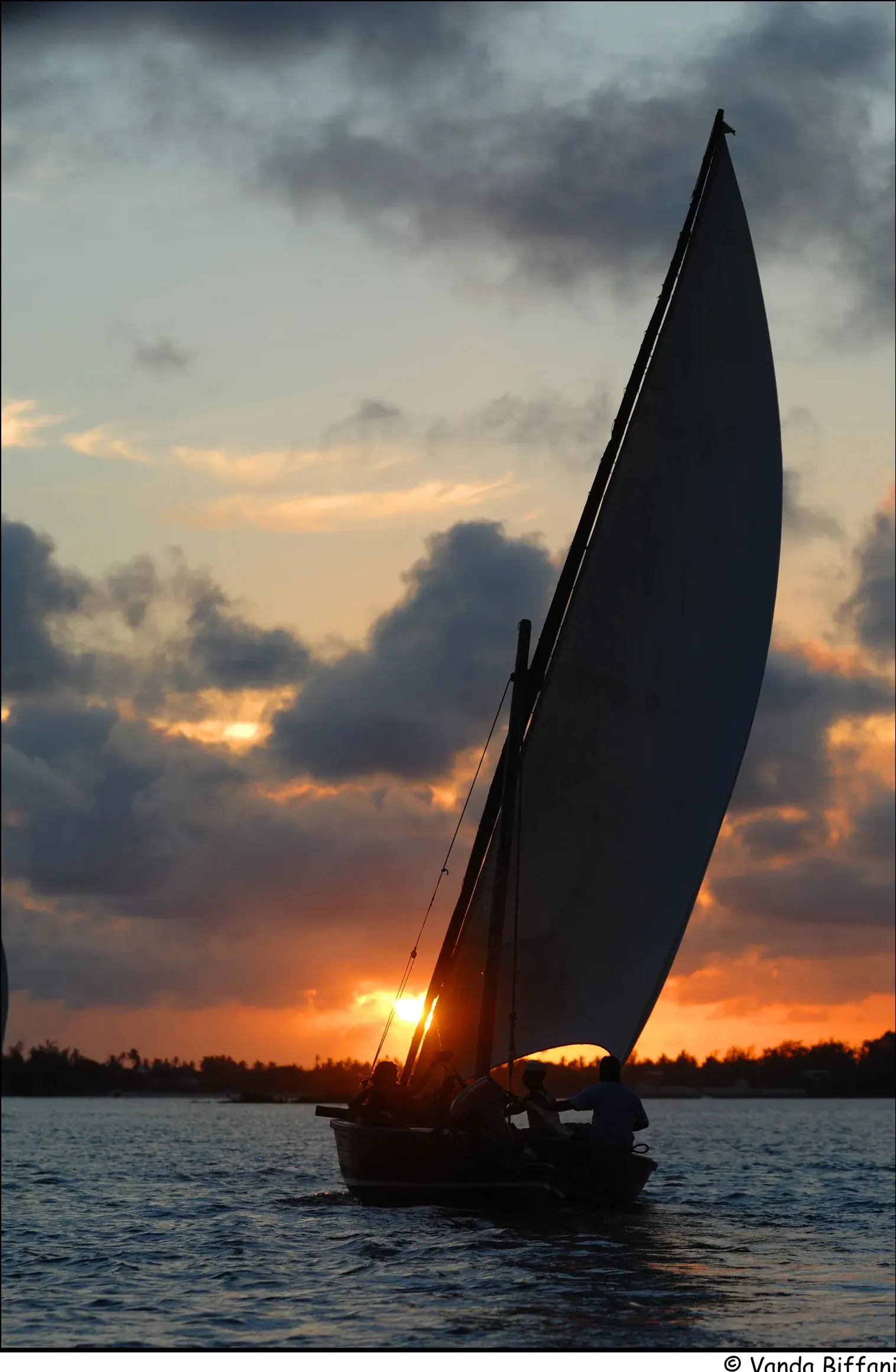
| A sunset dhow | From the Manda jetty or a resort beach | The channel, the dhows and Lamu's waterfront at dusk |
Most visitors combine Manda with three or four nights in Lamu town or Shela and cross for a day or two. Resort guests do the reverse, with a boat to the Old Town for a morning in the lanes and an evening on the waterfront. Either way, the channel is the island's main road, and the boat ride is part of the pleasure.