Maasai Mara. Updated November 2026. 4 min read.
Families ask us this more than anything else, usually on behalf of someone at home. The answer starts with what a Mara day actually is: a guide, a vehicle, a camp with night guards, and long hours among animals that are wild in every sense of the word.
The Maasai Mara National Reserve and its conservancies lie in Narok County, in the south-west of Kenya on the Tanzanian border, 225 to 275 km by road from Nairobi depending on the gate, or about an hour by light aircraft. The risks here are not city risks. They are the road in, the equatorial sun, and the animals, by day on game drives and by night in unfenced camps. Each has a simple set of habits that deals with it, and your guide and the camp staff will hold you to them.
What we do: we book camps we know, with their own night guards, and Kenyan guides who work the Mara every season. Every trip includes emergency evacuation cover through a flying-doctor service, which can land at the Mara airstrips, and a 24-hour line. We recommend you fly in. Before you book, check the current U.S. State Department advisory for Kenya and confirm your travel insurance covers your route.
The real risks, and what to do about each
- The road. The drive from Nairobi takes about 5.5 to 6.5 hours, down the Rift Valley escarpment and through Narok, with a rough last stretch to the gates. It is the riskiest part of most Mara trips. Fly from Wilson Airport if you can: about an hour, and your camp meets you at the airstrip. If you drive, go with an experienced driver, in daylight.
- The sun. The Mara sits on the equator at about 1,500 m, and an open vehicle with the roof up gives little shade. Hat, sunscreen and water on every drive, especially for children and older travelers.
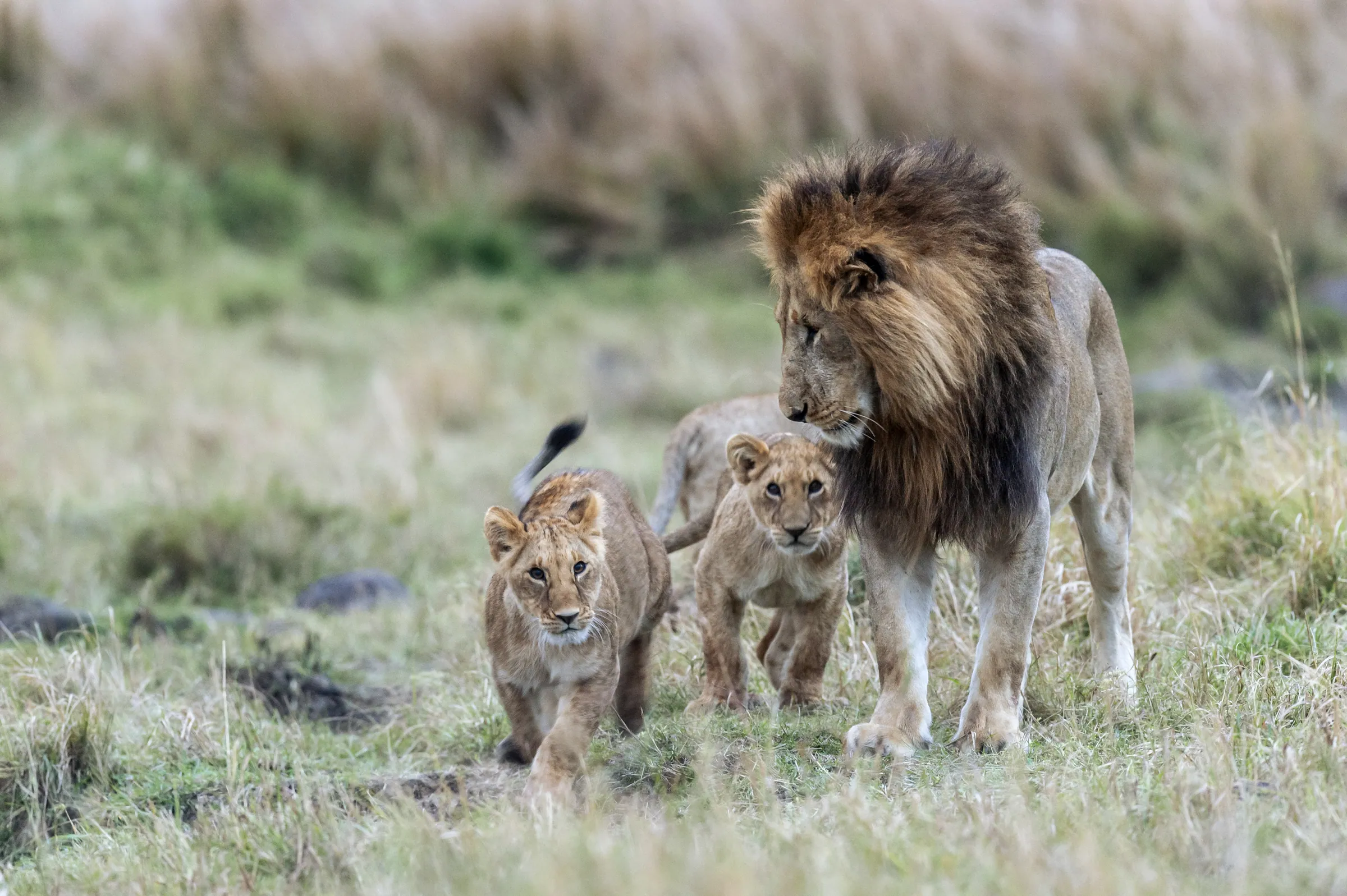
- Wildlife. Stay inside the vehicle except at designated points, keep hands and cameras inside near animals, keep your voice down, and never ask a driver to move closer than the guide judges right. The guide's word is final.
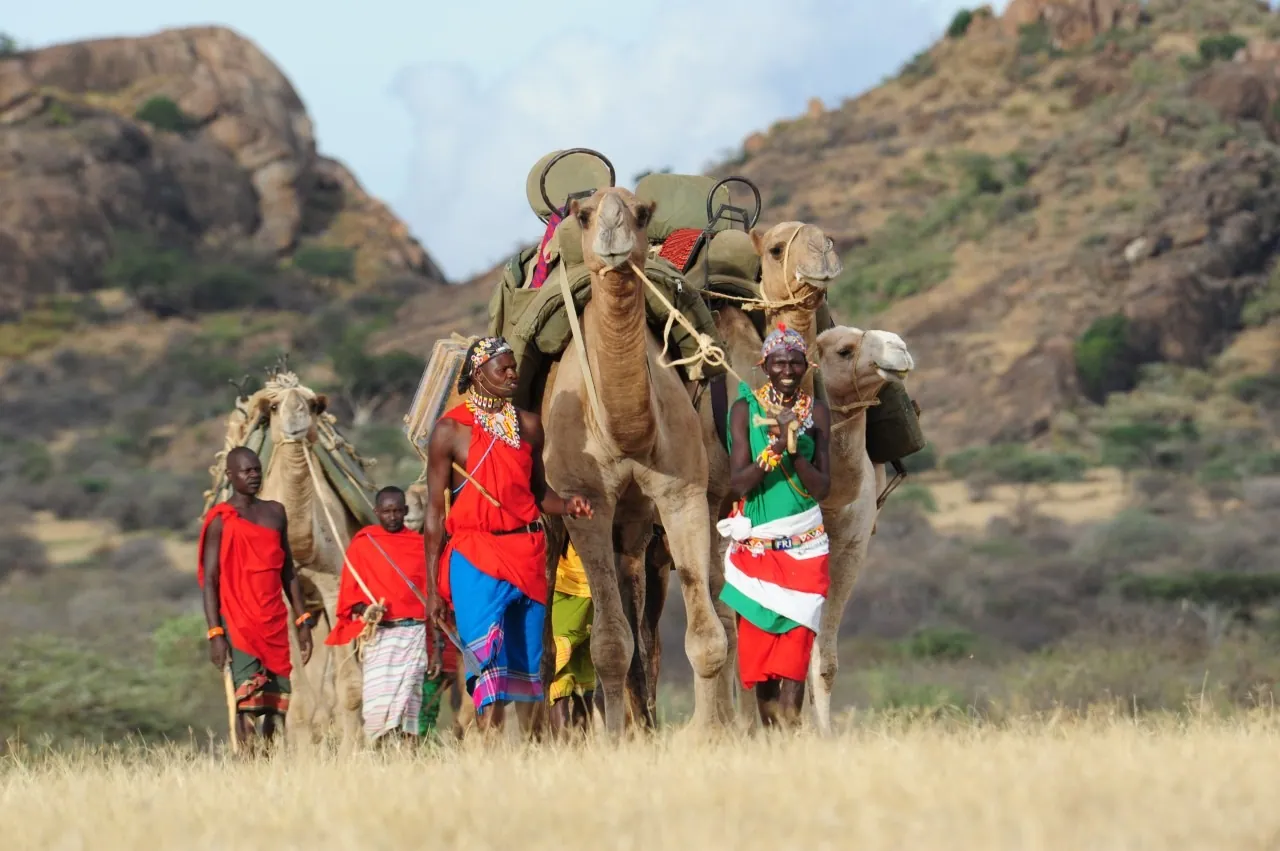
- Walking. In the reserve, visitors stay in vehicles. In the conservancies you can walk, but only with a trained guide and an armed ranger, never on your own.
- Nights in camp. Most Mara camps are unfenced, and elephants, hippos and buffalo walk through them after dark. An askari walks you to and from your tent; use the whistle or radio in your tent if you need help, and never walk alone at night.
- Malaria. The risk is lower than on the coast, but CDC still advises preventive medicine for the Mara. Use repellent at dusk and sleep under the net.
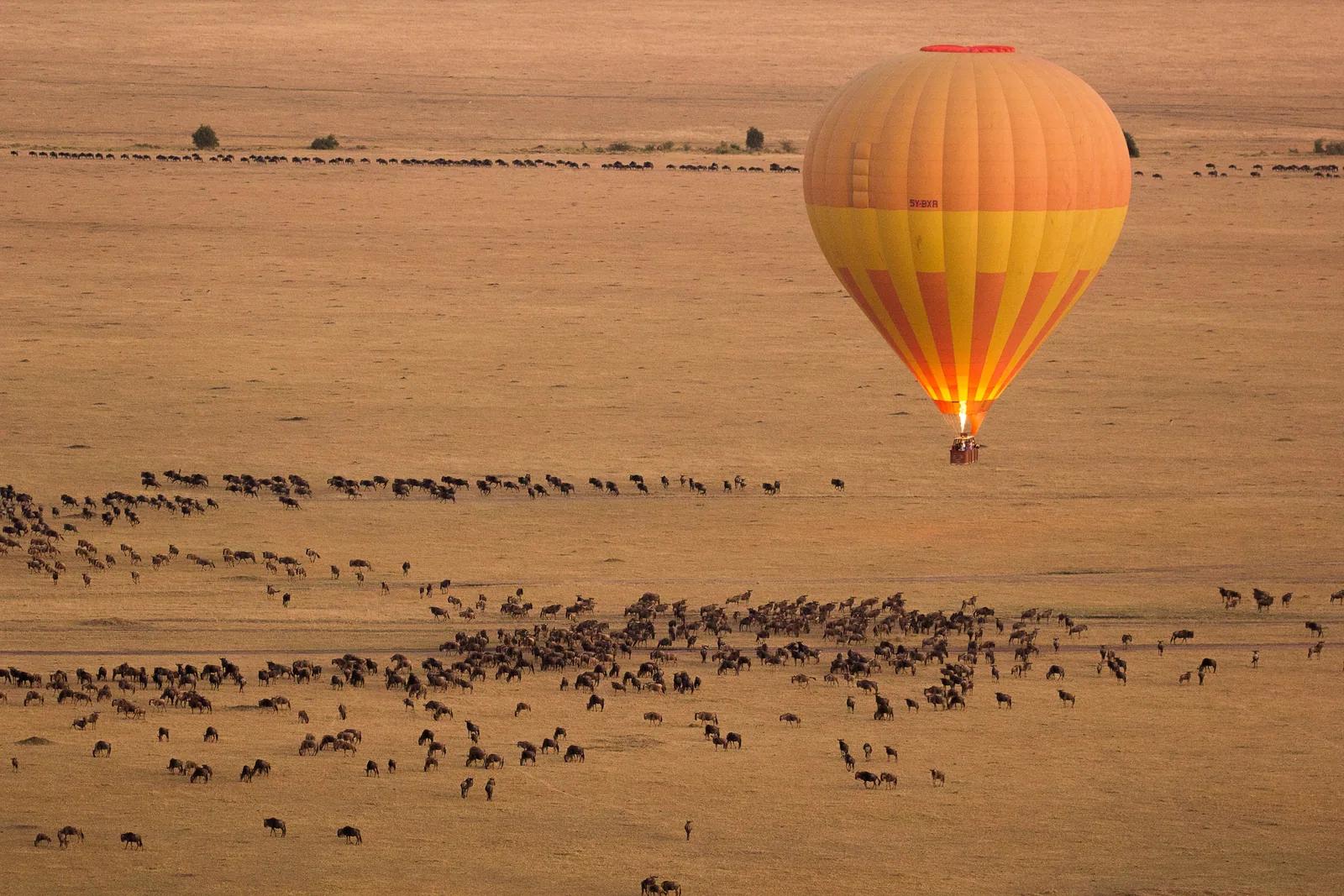
- Balloon flights. Listen to the pilot's landing briefing and hold the landing position; landings on the plains can be bumpy.
Health in the Mara
Drink only the filtered or bottled water your camp provides; most camps refill your bottle every day, because single-use plastic bottles are banned in national parks. Bring any regular medicines in your hand luggage, with copies of the prescriptions, because the nearest pharmacy is a long way off. Dust and early starts catch people out, so pack lip balm, eye drops if you wear contact lenses, and a warm layer for the cold first hour of a dawn drive. If you feel unwell, tell your guide or the camp manager straight away: camps deal with minor problems every week and know when to call the flying doctors. Our vaccines and malaria pages cover what to sort out with your clinic before you fly.
Who looks after the reserve
The Maasai Mara National Reserve is managed by the Narok County Government, and the Mara Triangle, west of the Mara River, by the Mara Conservancy on the county's behalf. Rangers patrol the reserve, mainly against poaching, and the conservancies around it have their own rangers, employed with the Maasai landowners. Camps employ their own night guards. None of that makes a camp a fortress, and it does not need to be: the Mara's risks are mostly the ones in the list above.
Reserve or conservancy?
Both are run with care. The conservancies cap vehicle numbers and allow walking and night drives, always with guides and rangers; the reserve has more vehicles and the river crossings. Many of our guests sleep in a conservancy and drive into the reserve on river days. Our conservancies guide explains the difference.
What to tell your family
- Where you will be: Narok County, in the south-west of Kenya on the Tanzanian border, and the name and number of each camp
- How you will get there: by light aircraft from Wilson Airport, or by road with an experienced driver in daylight
- Who is with you: a Kenyan guide on every drive, camp staff and an askari at night
- What happens in an emergency: flying-doctor evacuation to Nairobi, which is included, and your own travel insurance for anything beyond
- How to reach you: the camp's number, our 24-hour line, and your STEP enrollment with the U.S. Embassy
Most camps have Wi-Fi in the main area and some phone signal, so a message home each evening is usually possible. Give your family our 24-hour number too.