Wildlife. Updated November 2026. 3 min read.
White rhinos in Lake Nakuru: a sanctuary population, closely guarded and reliably seen. Kenya's surest rhino sighting, a soda lake of pelicans and flamingos, and tree-climbing lions. A square-lipped grazer of open grassland, calmer and more sociable than the black rhino, seen in small groups on short grass.
Where to find white rhinos in Lake Nakuru
- Black and white rhinos on the lakeshore.
Easy: the sanctuaries' open grassland shows them from a distance, and the rangers know where each group grazes. In Lake Nakuru the best time of day is all day on open plains; they graze through the morning and rest in the shade at midday. Park rules keep vehicles on the tracks and inside the 6 am to 6 pm day, so the dawn start matters.
When to see white rhinos in Lake Nakuru
The best months in Lake Nakuru are January, February, March, June, July, August, September, October. Rhinos are seen year round in the sanctuaries; the dry months and short grass make it easier. The month pages for Lake Nakuru have the detail for your dates.
Photographing white rhinos in Lake Nakuru
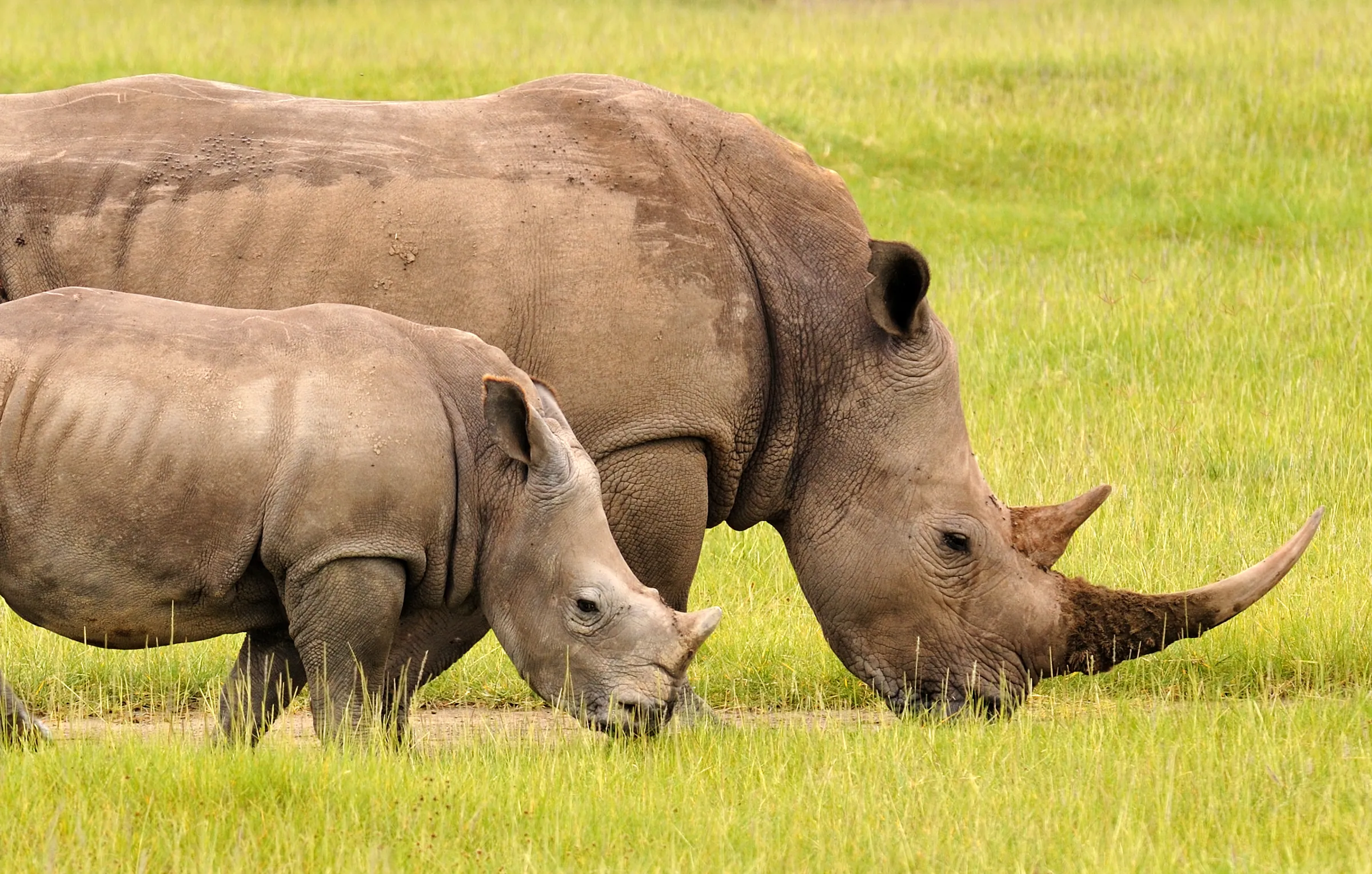
The easiest rhino to photograph; a mother and calf on green grass after the rains, or against Mount Kenya at Ol Pejeta.
Also in Lake Nakuru
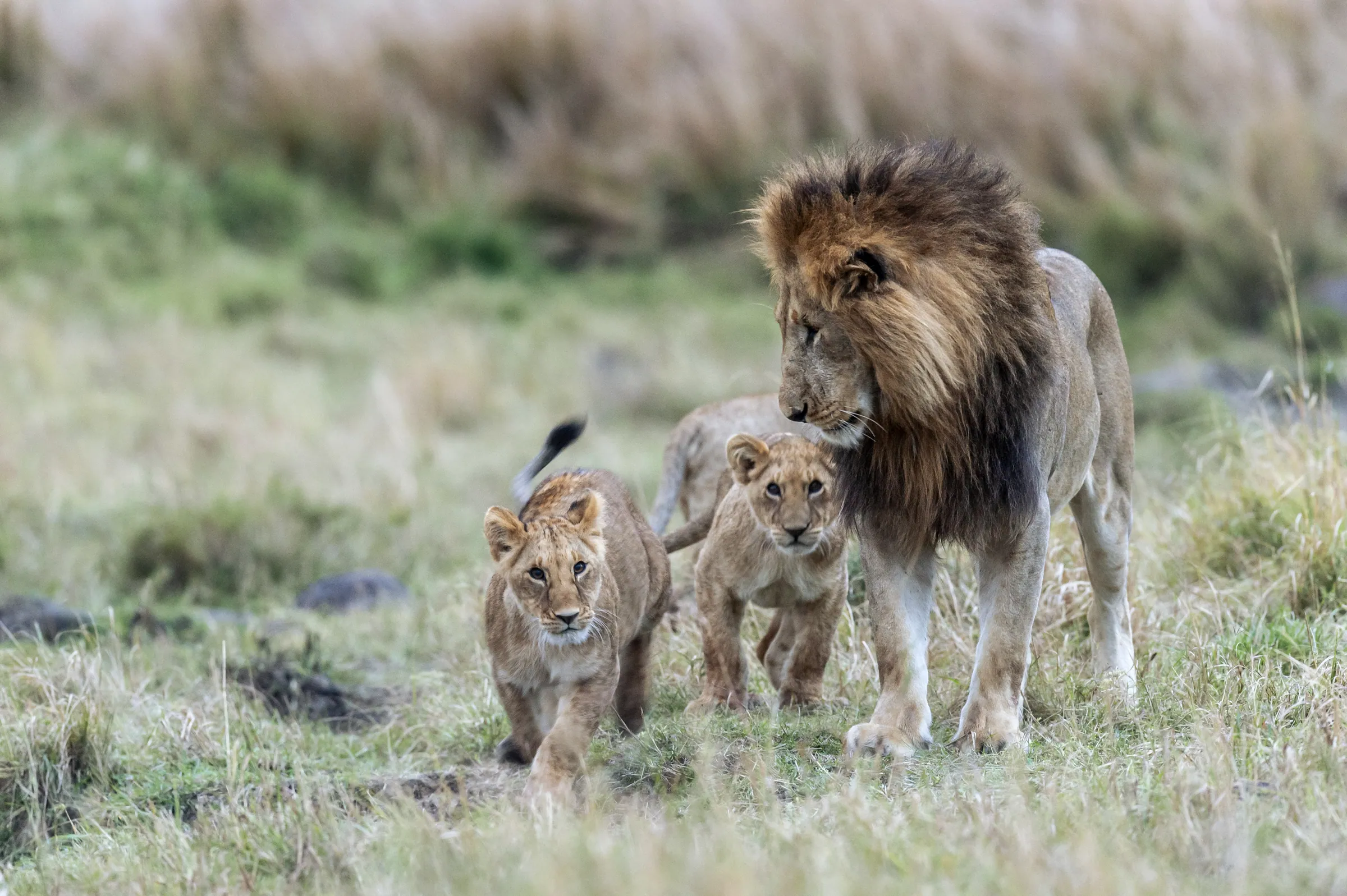
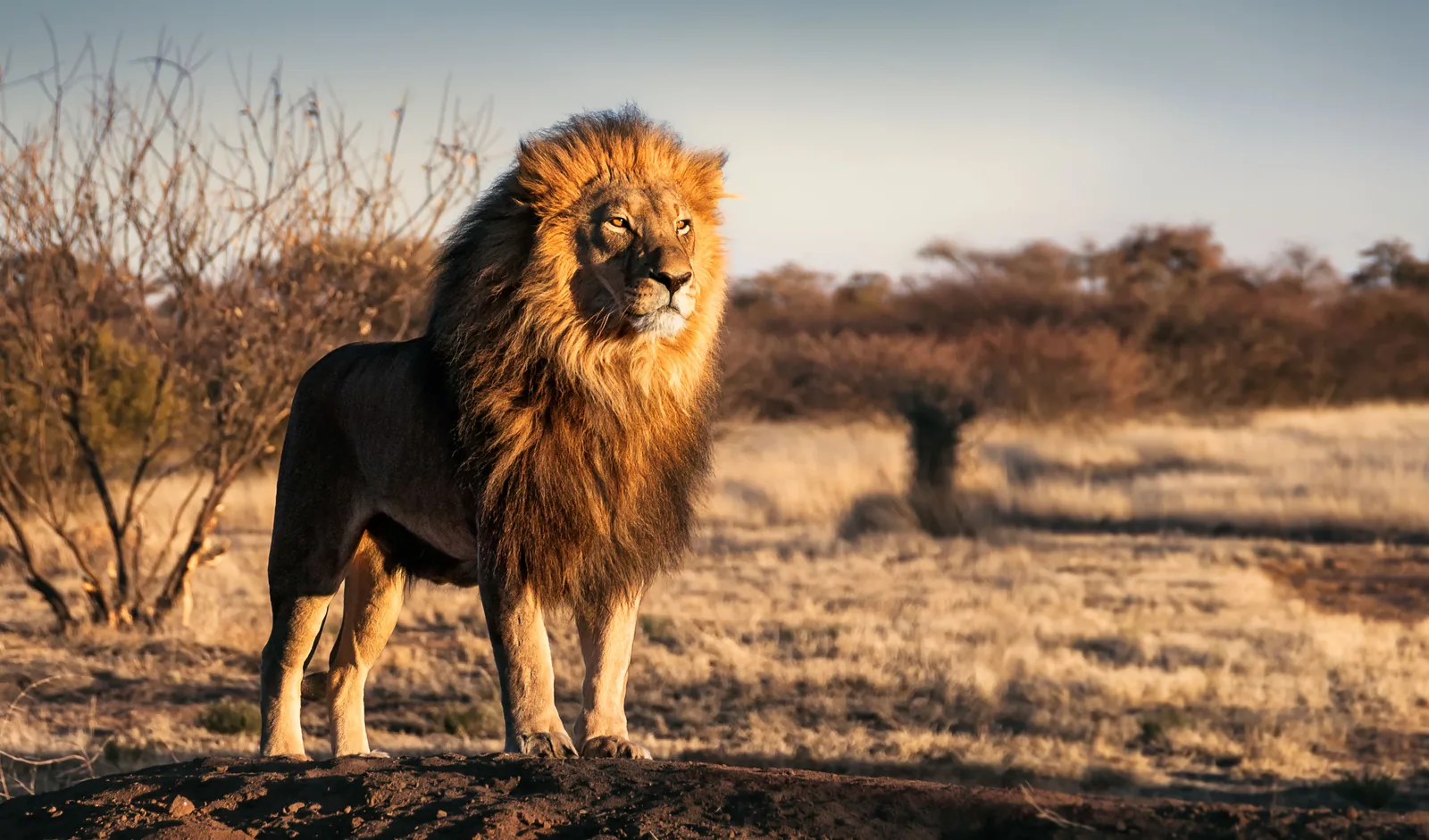
- Lions: Prides of related females with cubs and a coalition of males hold territories around water and prey.
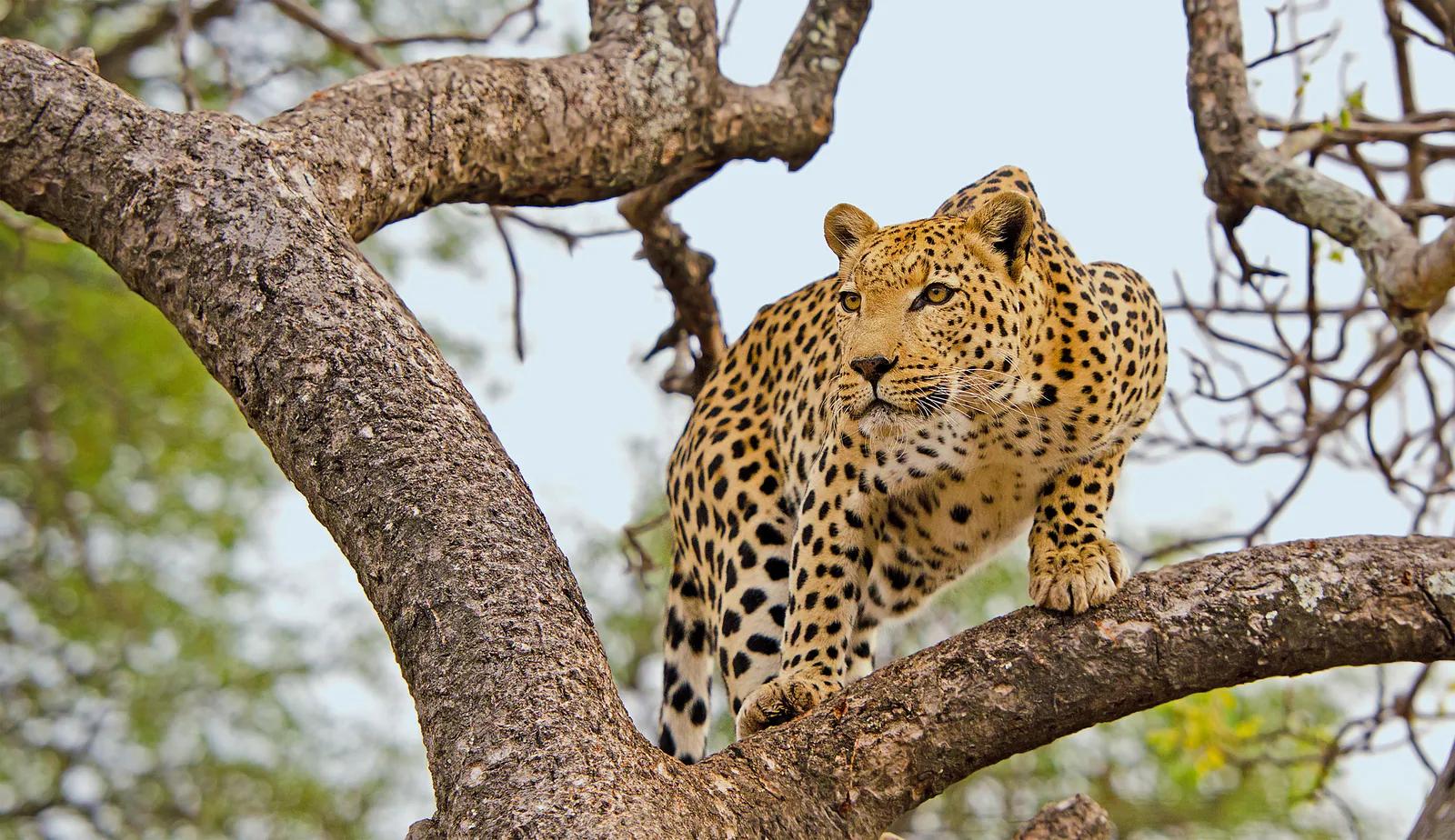
- Leopards: Solitary.
- Black rhinos: A browser of thickets with a hooked.
- Giraffes: Browsers of acacia tops that walk in loose herds and can go days without drinking.
- Buffalo: Herds of hundreds graze open grassland and drink daily.
Status
White rhino (Ceratotherium simum): Near Threatened (southern); the northern subspecies is down to two animals, at Ol Pejeta. Najin and Fatu, the last two northern white rhinos on Earth, live under armed guard at Ol Pejeta. Your fees in Lake Nakuru ($90 per adult per day) pay the rangers who protect them.