Wildlife. Updated November 2026. 3 min read.
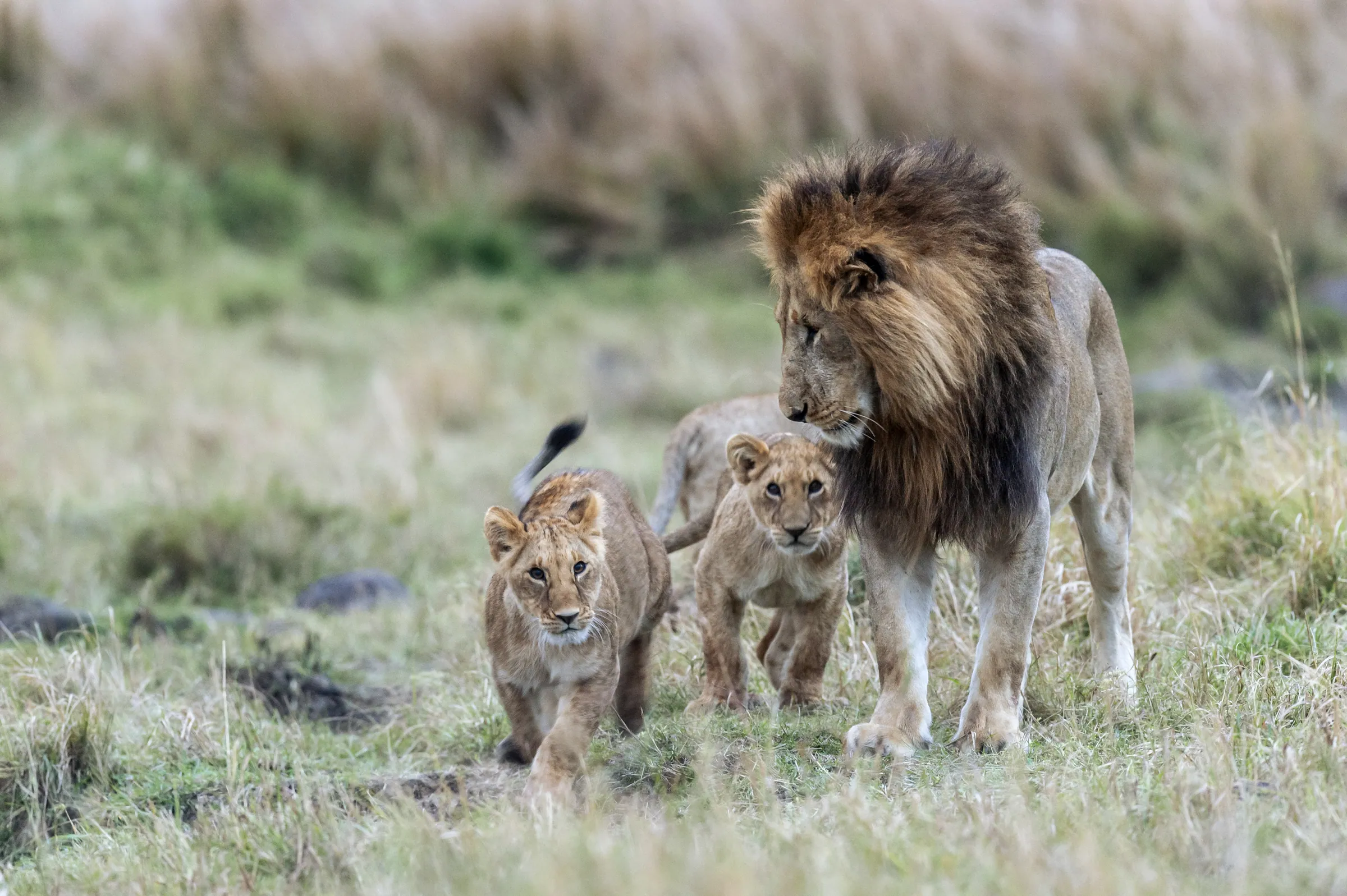
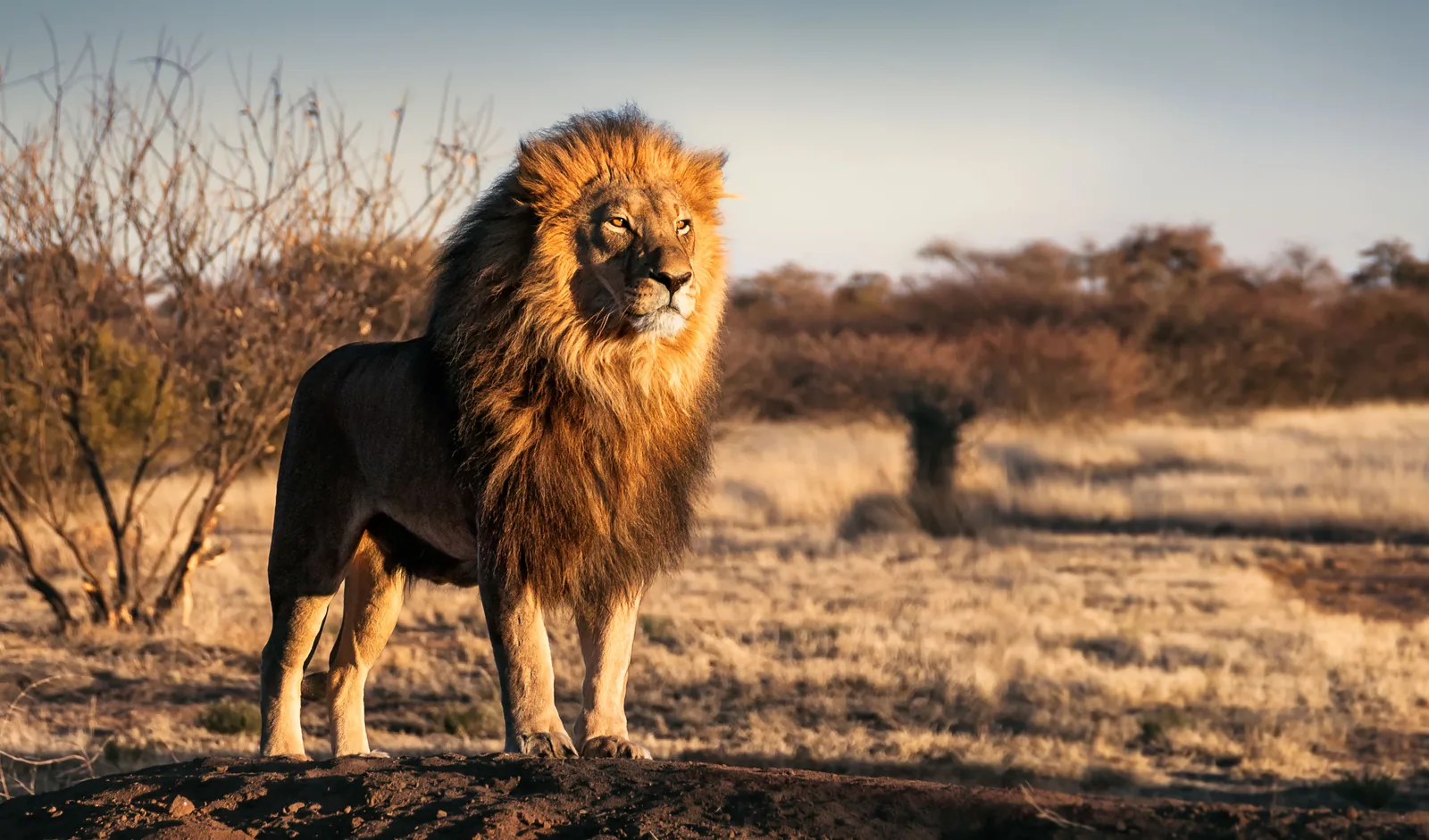
Lions in Loisaba: a healthy population. Star beds over a waterhole, leopards, wild dogs and black rhinos reintroduced in 2024 on a 57,000-acre conservancy. Prides of related females with cubs and a coalition of males hold territories around water and prey; they rest up to 20 hours a day and hunt mostly at night and in the cool first and last hours.
Where to find lions in Loisaba
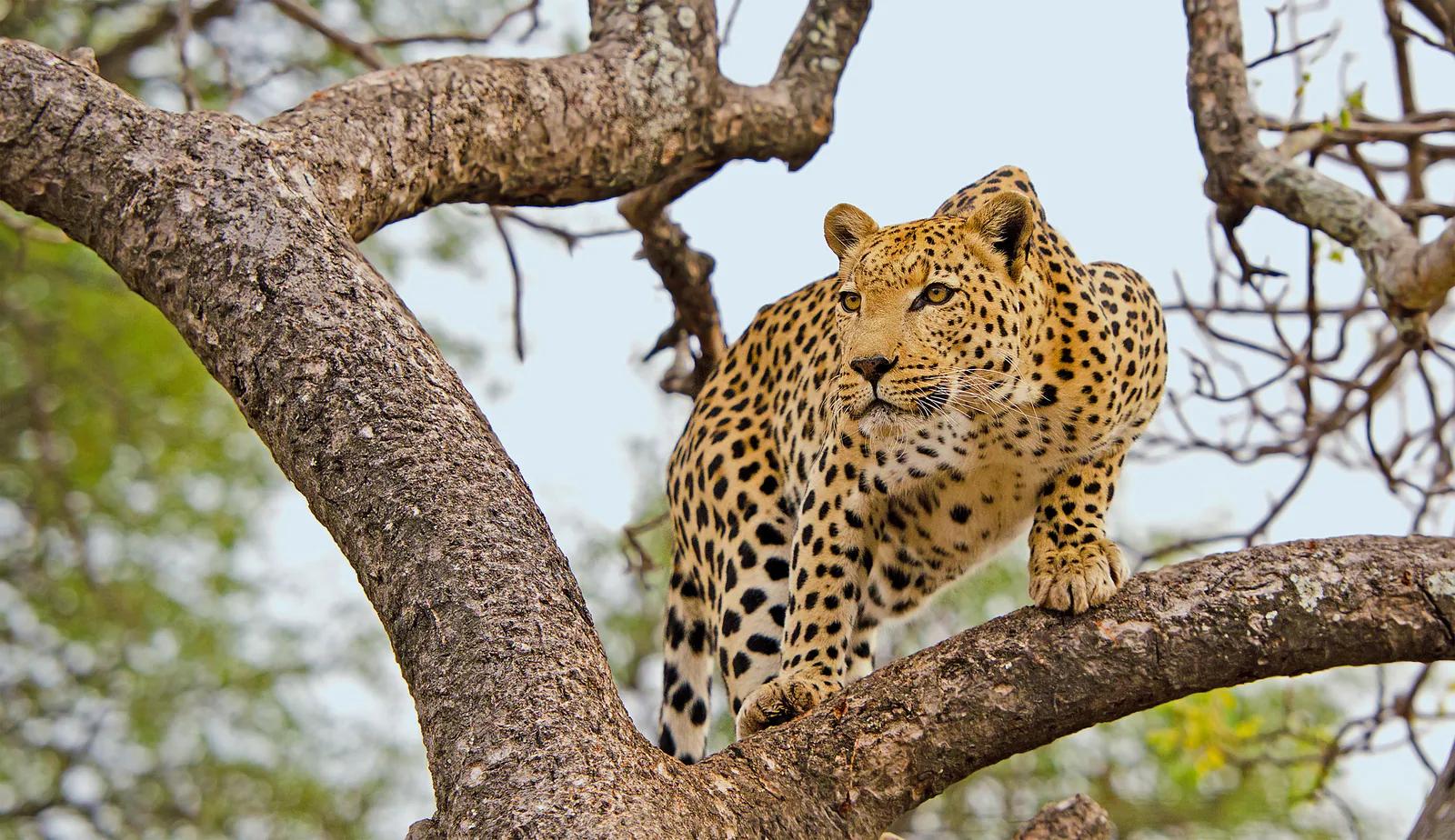
- Leopards and wild dogs.
Guides read the vultures, the alarm calls of impala and baboons, the direction the zebra are staring and the radio; tracks in the morning dust give away the night's route. In Loisaba the best time of day is the first hour after dawn and the last before dark, when they move; midday finds them flat in the shade. Because this is a conservancy, your guide can leave the track at a sighting and stay out after dark, which doubles your chances with the nocturnal animals.
When to see lions in Loisaba
The best months in Loisaba are January, February, March, June, July, August, September, October. Short grass after the rains and the dry-season concentration of prey both help; the long rains (April and May) make the cats harder to find. The month pages for Loisaba have the detail for your dates.
Photographing lions in Loisaba
Low angles from the vehicle window, the sun behind you at dawn, a 70-200 mm or longer lens; wait for the yawn, the stretch and the walk. Mount Kenya on the horizon at dawn is the background to work for.
Also in Loisaba
- Leopards: Solitary.
- Cheetahs: Daytime hunters of open plains.
- Elephants: Family herds led by a matriarch walk 20 km a day between feeding grounds and water.
- Black rhinos: A browser of thickets with a hooked.
- Giraffes: Browsers of acacia tops that walk in loose herds and can go days without drinking.
Status
Lion (Panthera leo): Vulnerable; about 2,500 in Kenya (2025 census). Kenya's lions are the best-studied in Africa; the Mara's prides have been followed by researchers since the 1960s. Your fees in Loisaba (Conservancy fee of about $130 per adult per day, built into the camp rate (verify)) pay the rangers who protect them.