Wildlife. Updated November 2026. 3 min read.
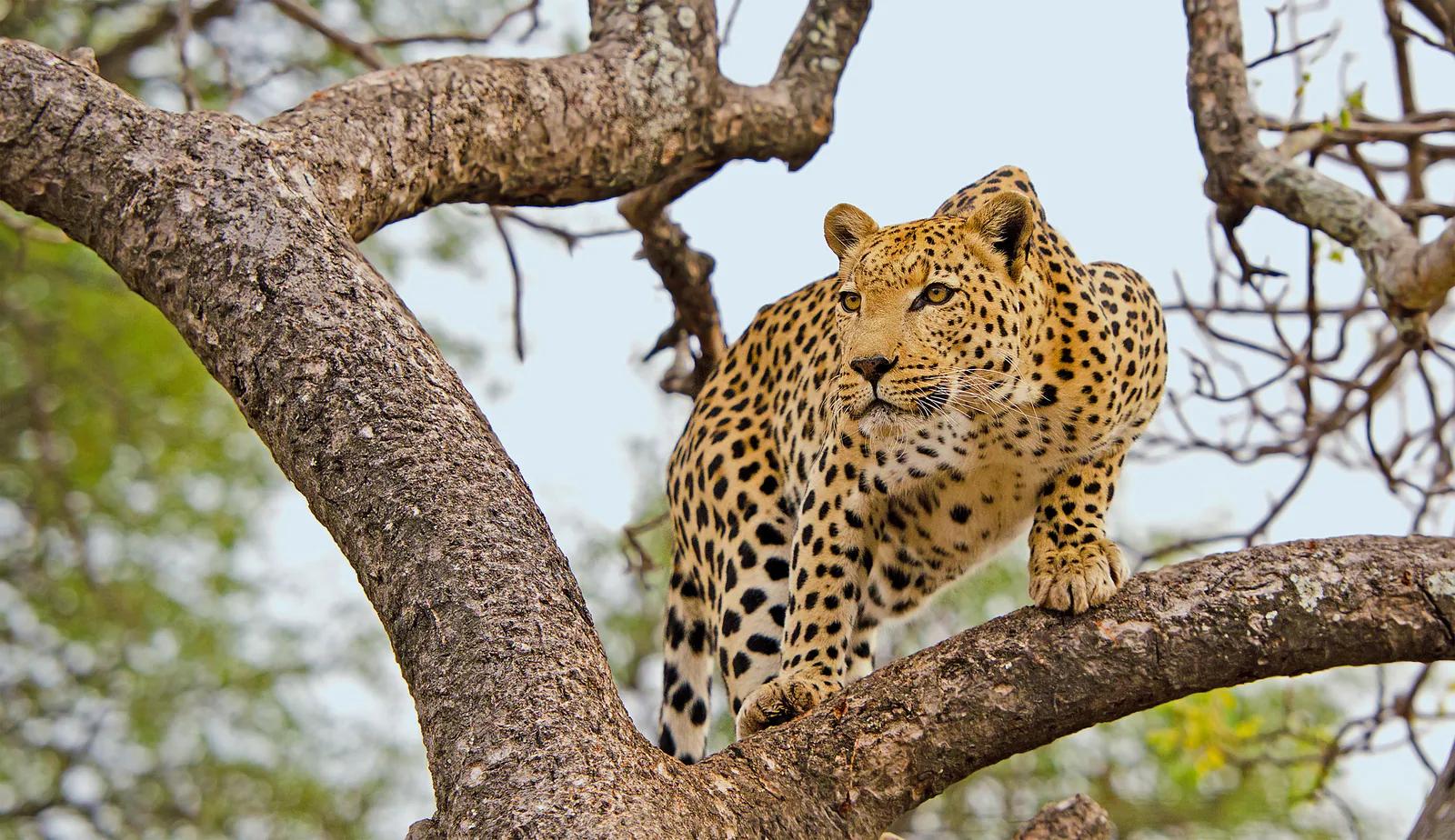
Leopards in LUMO: a healthy population. A community-owned conservancy beside Tsavo West with a community-run lodge on a bluff, walks and night drives. Solitary, nocturnal and territorial, leopards hunt from cover along rivers and rocky outcrops and haul kills into trees out of reach of lions and hyenas.
Where to find leopards in LUMO
- Lions Bluff's views over Tsavo.
Guides check the big fig and sausage trees along rivers for a hanging tail or a carcass, listen for baboon and vervet alarms, and know the individual cats' favourite trees. In LUMO the best time of day is dawn and dusk along riverbanks and in the tree lines; a kill in a tree can keep one in place for days. Because this is a conservancy, your guide can leave the track at a sighting and stay out after dark, which doubles your chances with the nocturnal animals.
When to see leopards in LUMO
The best months in LUMO are January, February, June, July, August, September, October. Short grass after the rains and the dry-season concentration of prey both help; the long rains (April and May) make the cats harder to find. The month pages for LUMO have the detail for your dates.
Photographing leopards in LUMO
A long lens (300 mm plus) and patience; the classic shot is on a branch at golden hour, so position for the light and wait. Kilimanjaro or the red Tsavo earth give the backgrounds here.
Also in LUMO
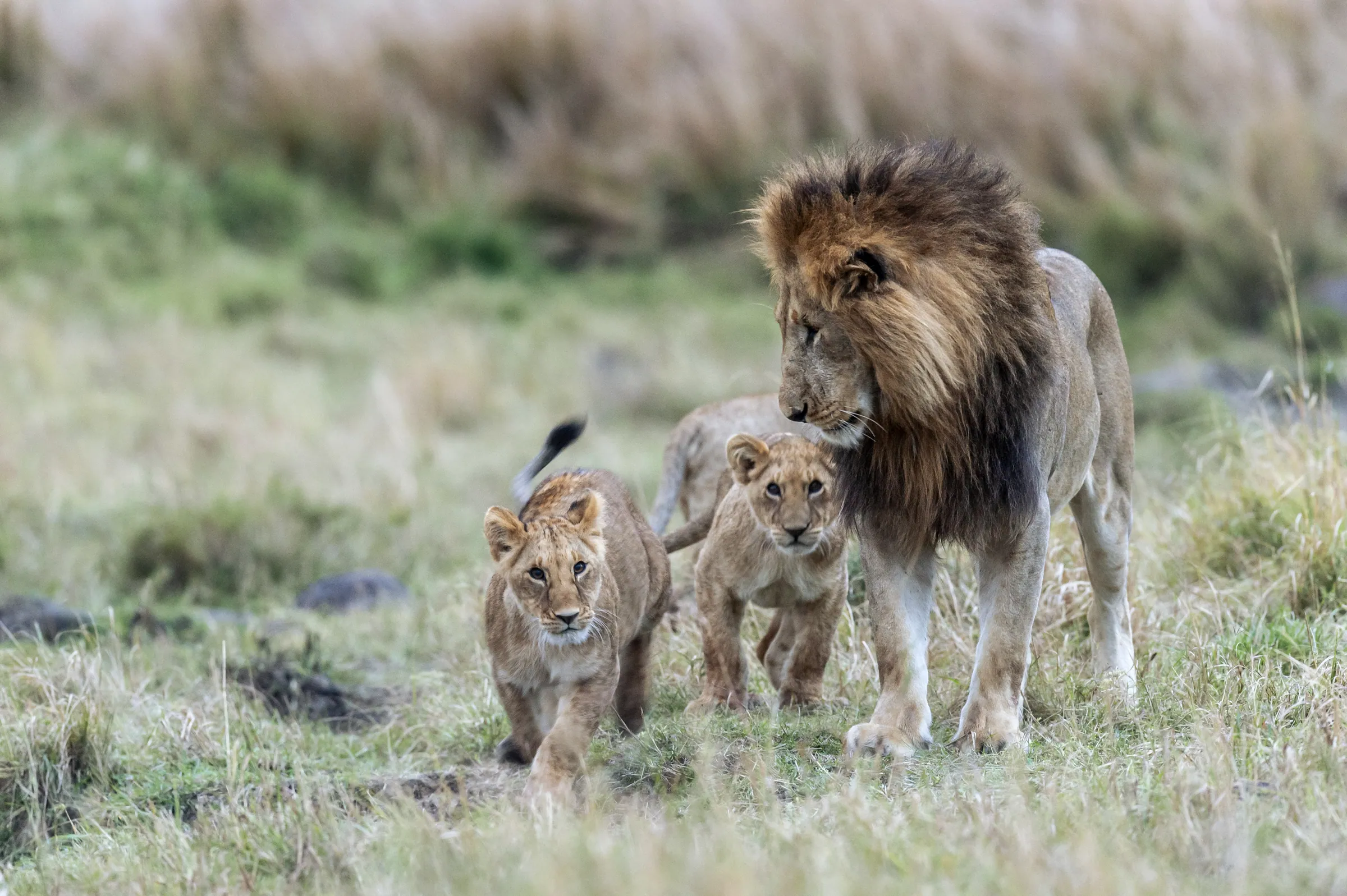
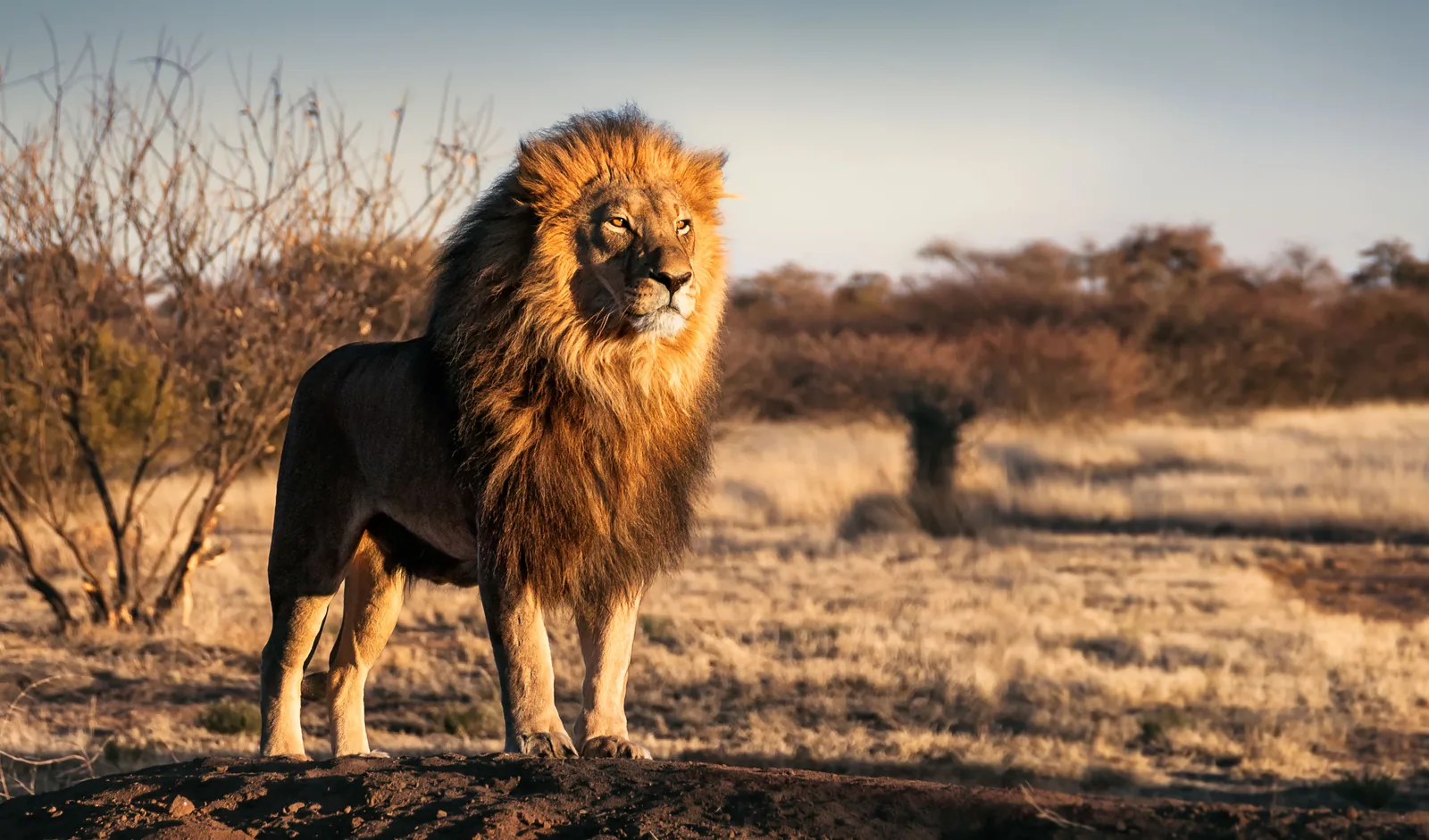
- Lions: Prides of related females with cubs and a coalition of males hold territories around water and prey.
- Elephants: Family herds led by a matriarch walk 20 km a day between feeding grounds and water.
- Giraffes: Browsers of acacia tops that walk in loose herds and can go days without drinking.
- Buffalo: Herds of hundreds graze open grassland and drink daily.
- Hyenas: Clans of up to 80 led by females hunt most of their own food.
Status
Leopard (Panthera pardus): Vulnerable; secretive and under-counted. A leopard can carry prey twice its own weight up a vertical trunk. Your fees in LUMO (Included in the lodge rate) pay the rangers who protect them.