Wildlife. Updated November 2026. 3 min read.
Hyenas in Ol Kinyei: among the highest densities in Africa. The small conservancy that began the Mara model in 2005: two camps, cheetahs and almost nobody else. Clans of up to 80 led by females hunt most of their own food, running down wildebeest and zebra at night, and scavenge the rest; the whoop carries for kilometres.
Where to find hyenas in Ol Kinyei
- Cheetahs on open plains.
Guides know the den sites (old aardvark holes and culverts) and follow the whoops and the morning traffic back from the night's hunting. In Ol Kinyei the best time of day is dusk, night and the first hour of light; dens with cubs are active at dawn. Because this is a conservancy, your guide can leave the track at a sighting and stay out after dark, which doubles your chances with the nocturnal animals.
When to see hyenas in Ol Kinyei
The best months in Ol Kinyei are January, February, July, August, September, October. Short grass after the rains and the dry-season concentration of prey both help; the long rains (April and May) make the cats harder to find. The month pages for Ol Kinyei have the detail for your dates.
Photographing hyenas in Ol Kinyei
Cubs at a den at dawn are the shot; adults walking back at first light with blood on their muzzles tell the night's story. The Mara's open plains and big skies give clean backgrounds and the best light in Kenya.
Also in Ol Kinyei
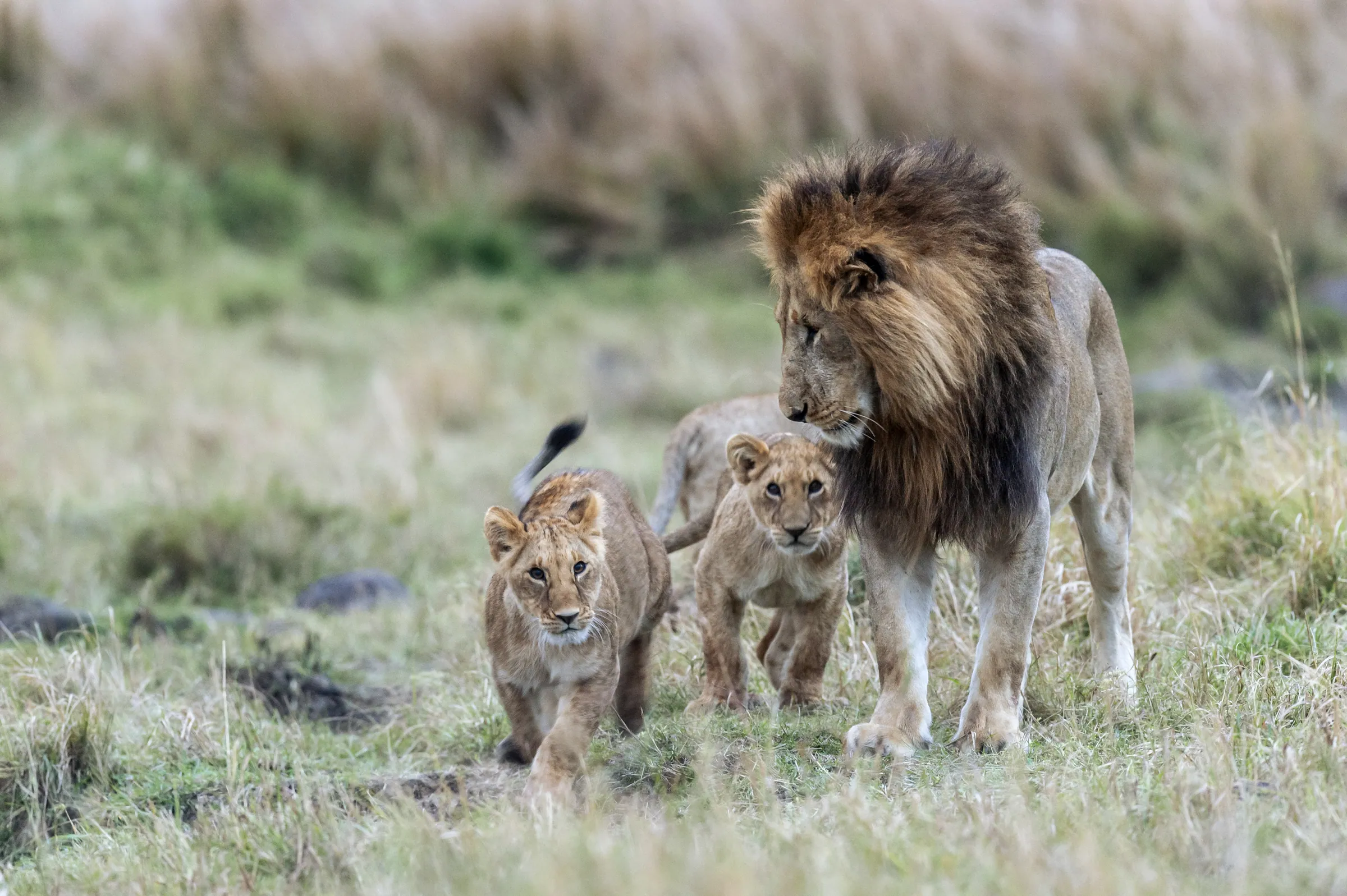
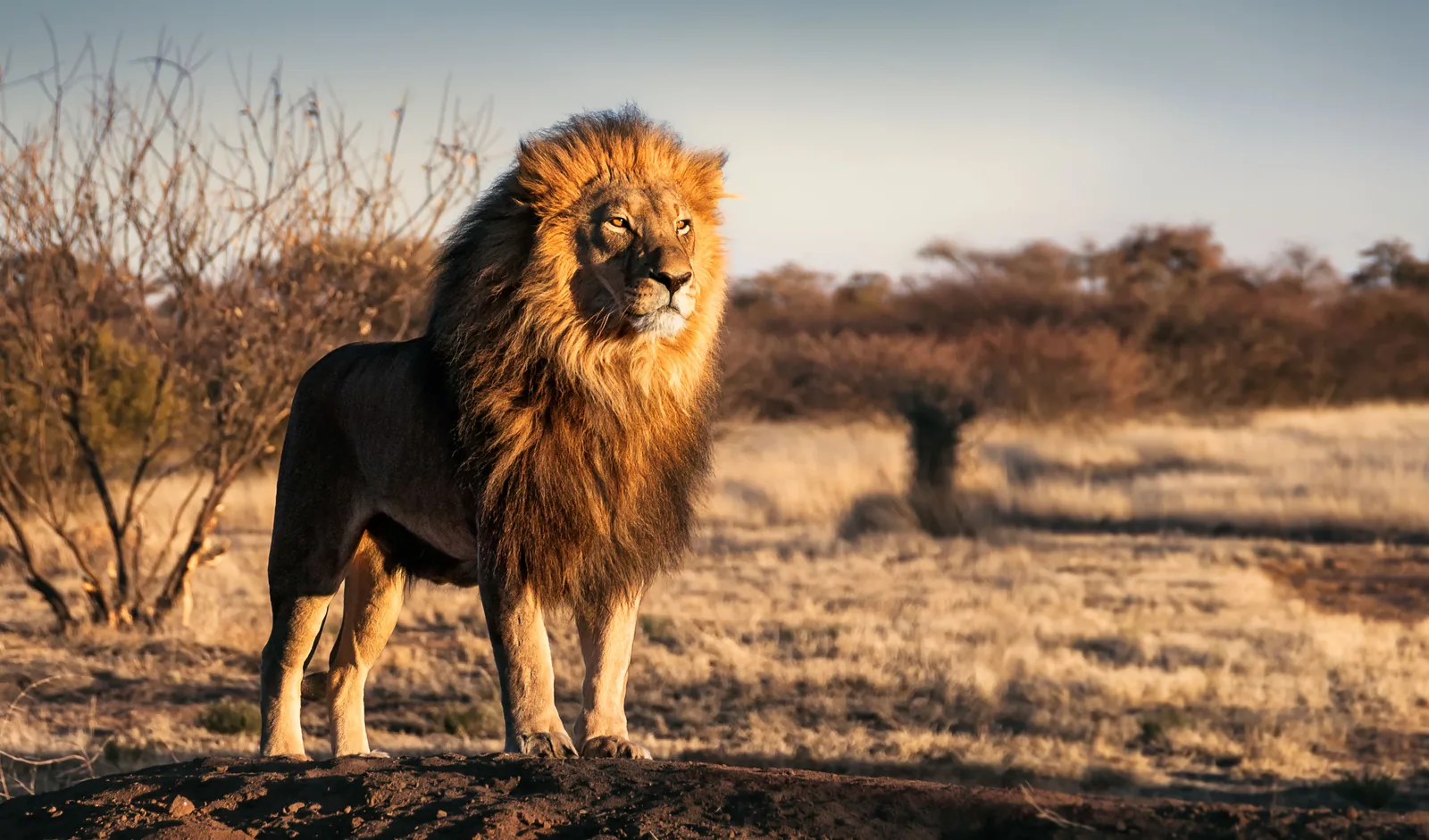
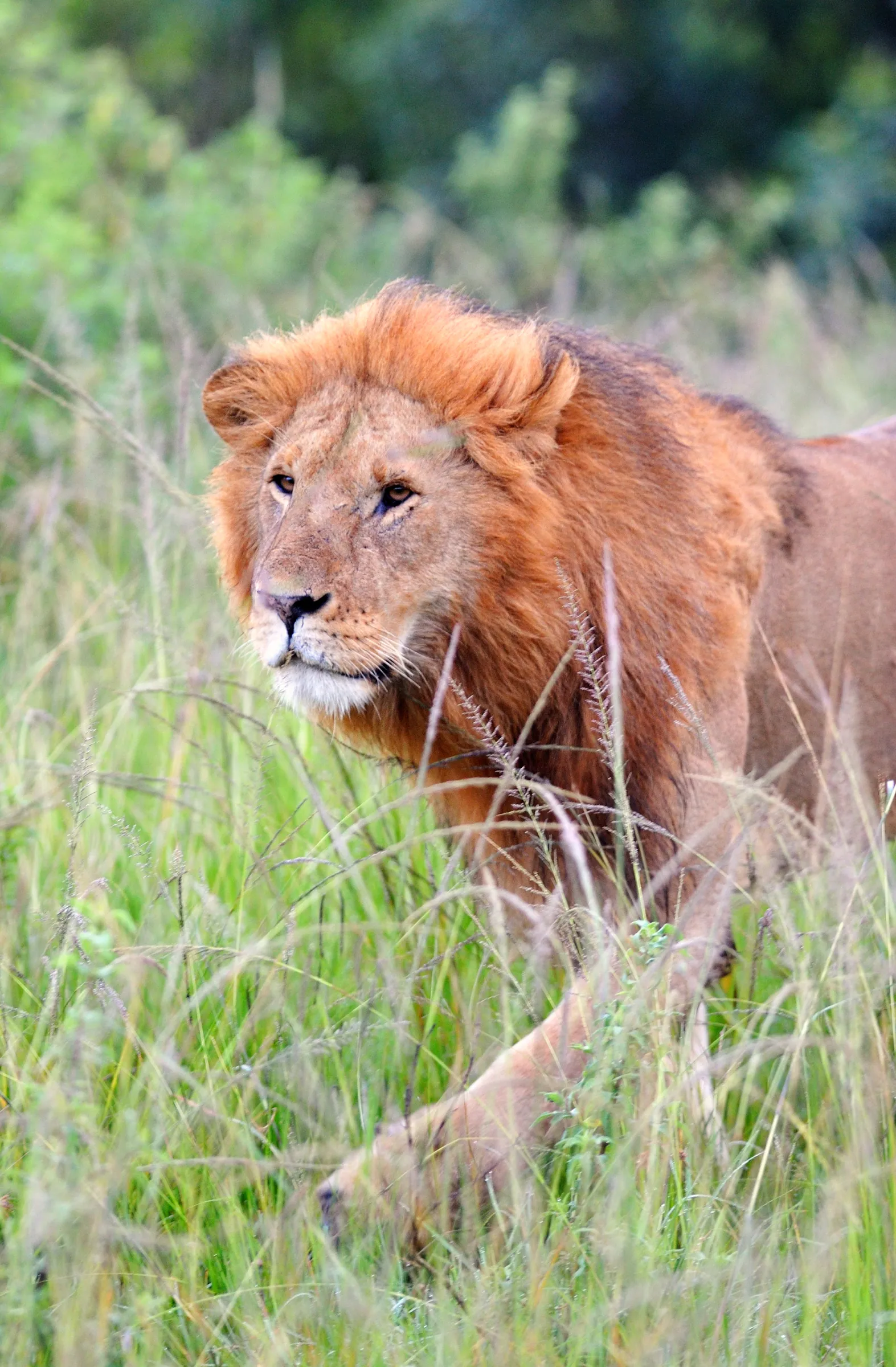
- Lions: Prides of related females with cubs and a coalition of males hold territories around water and prey.
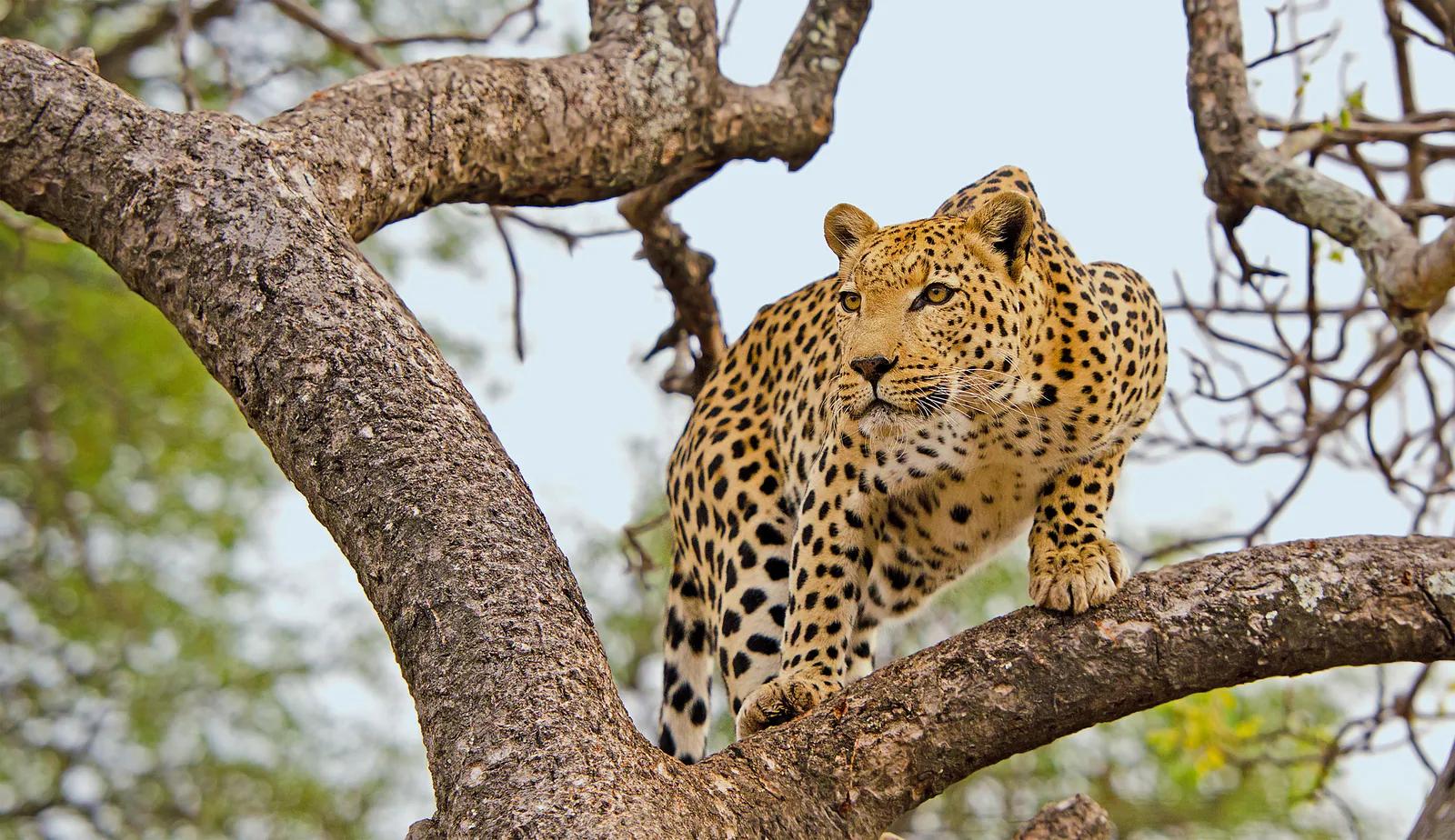
- Leopards: Solitary.
- Cheetahs: Daytime hunters of open plains.
- Elephants: Family herds led by a matriarch walk 20 km a day between feeding grounds and water.
- Giraffes: Browsers of acacia tops that walk in loose herds and can go days without drinking.
Status
Spotted hyena (Crocuta crocuta): Least Concern; thriving in every park. Hyenas, not lions, make most of the Mara's kills; the lions steal from them more often than the reverse. Your fees in Ol Kinyei (Conservancy fee of about $100 per adult per day, built into the camp rate) pay the rangers who protect them.