Wildlife. Updated November 2026. 3 min read.
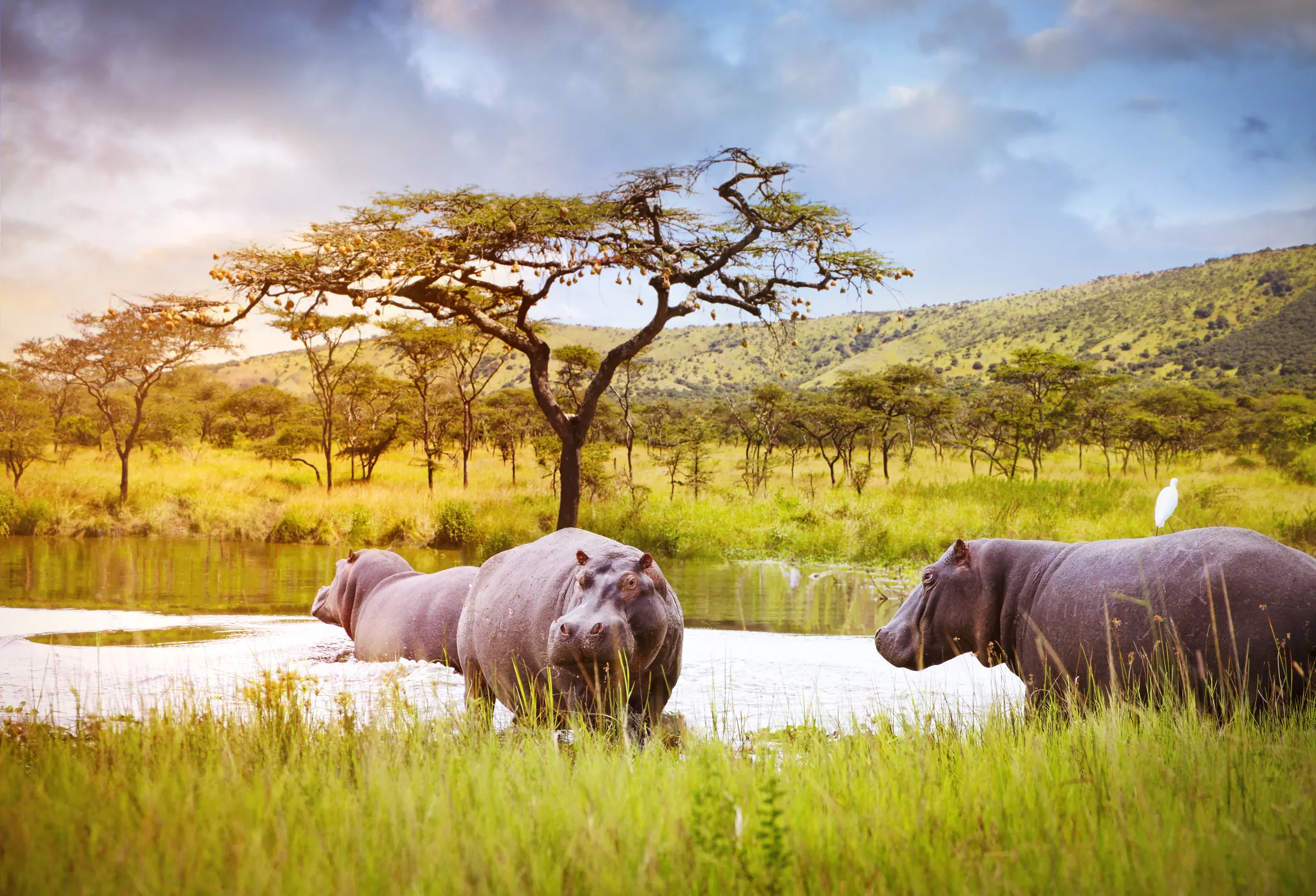
Hippos in the Maasai Mara: a healthy population. Kenya's most famous reserve: the Great Migration from July to October and the densest big-cat country in Africa all year. Pods spend the day in rivers and lakes and walk out at night to graze, covering several kilometres; territorial bulls fight and yawn in display.
Where to find hippos in the Maasai Mara
- Game drives on the Mara plains and along the Mara River.
- The river crossings in migration season.
Follow the grunts; every river bend and lake bay with deep water has a pod, and hippo paths lead from the water to the grazing. In the Maasai Mara the best time of day is all day in the water from a bank or boat; on land at dawn and dusk. Your guide will know the territories and the week's sightings.
When to see hippos in the Maasai Mara
The best months in the Maasai Mara are January, February, July, August, September, October. The dry season is easiest, but this species is seen in every month. The month pages for Maasai Mara have the detail for your dates.
Photographing hippos in the Maasai Mara
A boat at Naivasha or Baringo puts you at water level; the yawn is the shot, and the dawn walk back to the water from a bank. The Mara's open plains and big skies give clean backgrounds and the best light in Kenya.
Also in the Maasai Mara
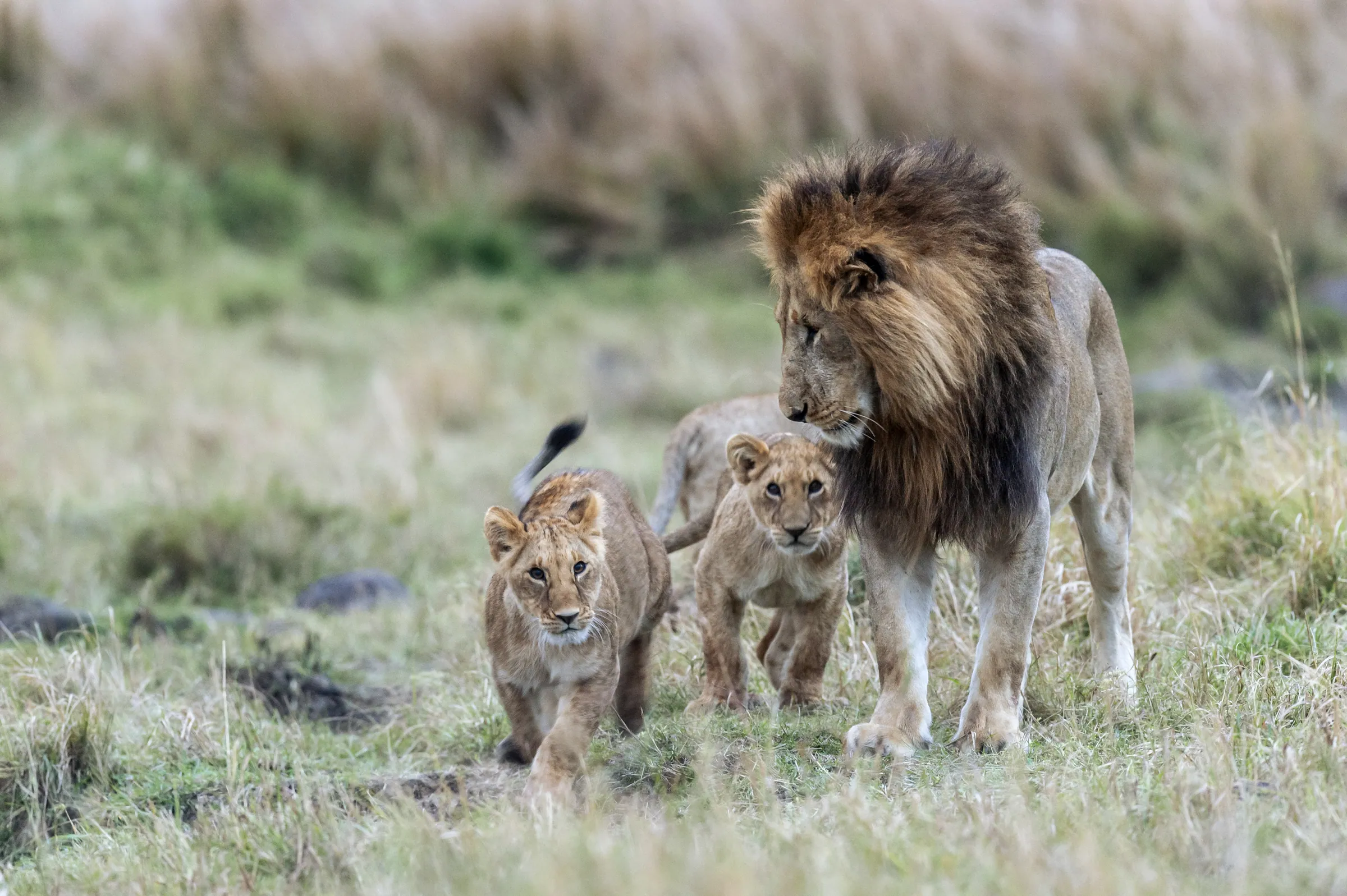
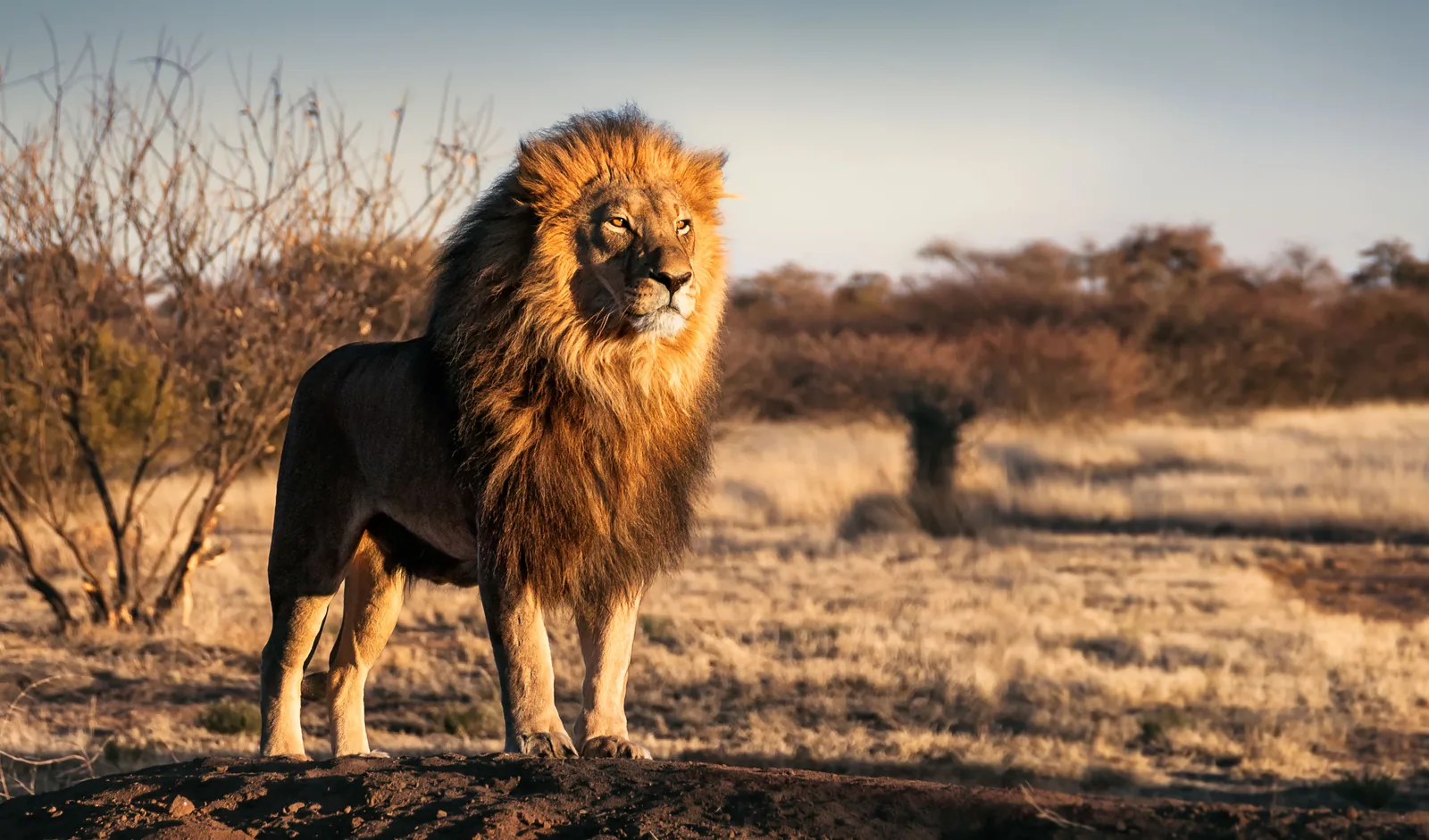
- Lions: Prides of related females with cubs and a coalition of males hold territories around water and prey.
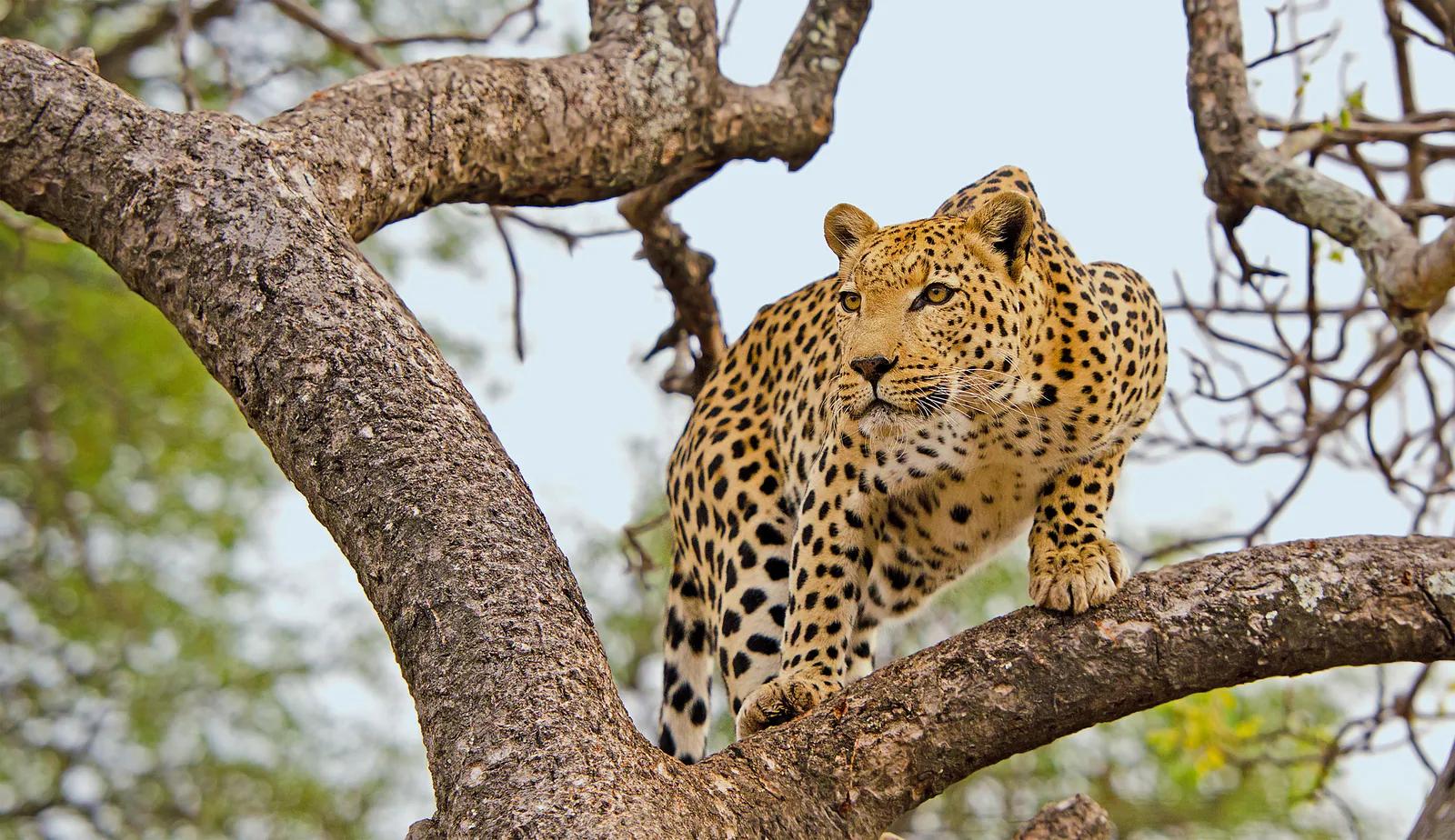
- Leopards: Solitary.
- Cheetahs: Daytime hunters of open plains.
- Elephants: Family herds led by a matriarch walk 20 km a day between feeding grounds and water.
- Giraffes: Browsers of acacia tops that walk in loose herds and can go days without drinking.
Status
Hippo (Hippopotamus amphibius): Vulnerable. Hippos kill more people in Africa than any other large mammal; never get between one and the water. Your fees in the Maasai Mara ($100 (January to June) or $200 (July to December) per adult per day in the reserve) pay the rangers who protect them.