Wildlife. Updated November 2026. 3 min read.
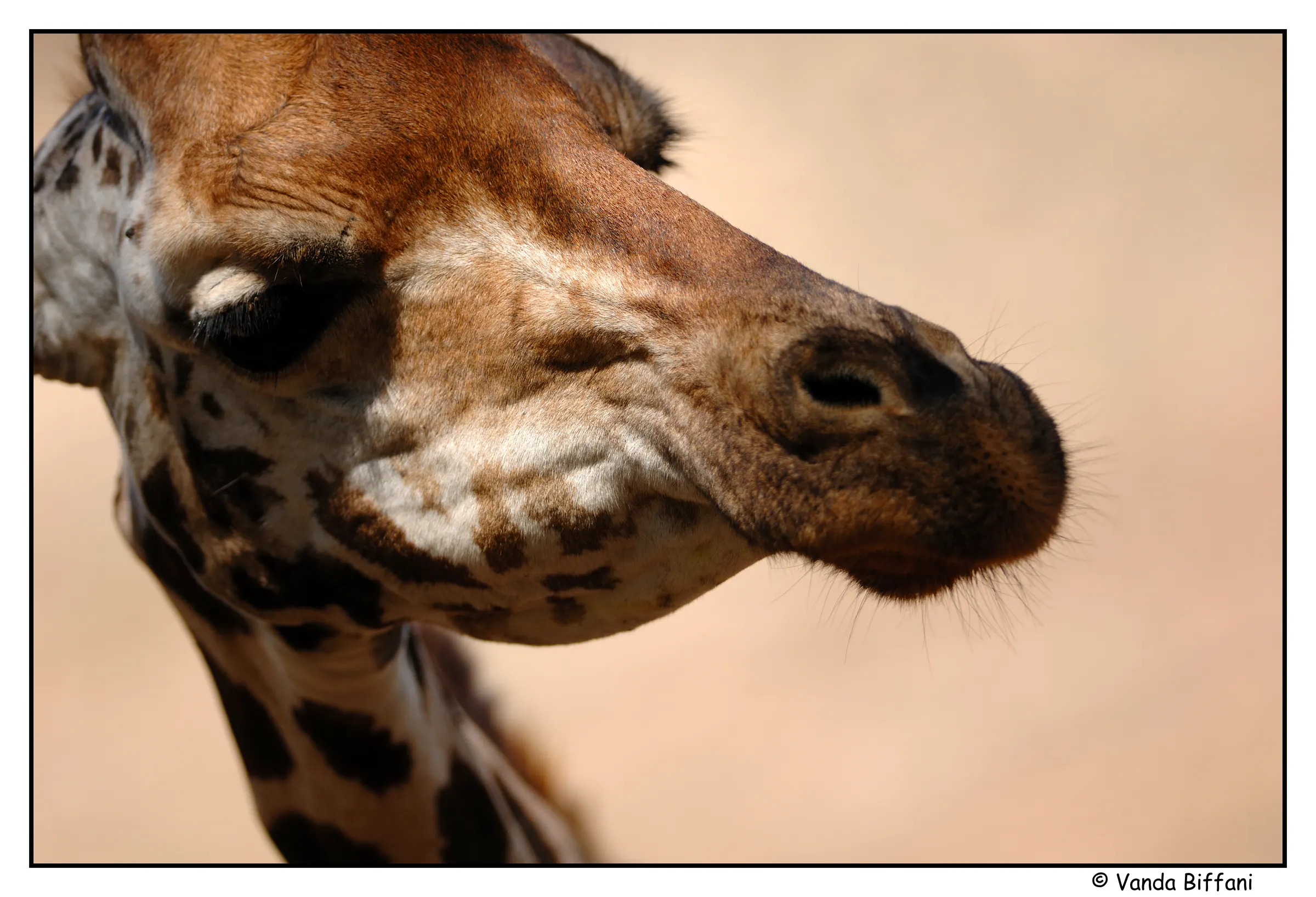
Giraffes in Lewa: a healthy population. A UNESCO-listed conservancy of rhinos and Grevy's zebra, with walking, riding and the Lewa marathon. Browsers of acacia tops that walk in loose herds and can go days without drinking; they splay their legs to reach water and are most vulnerable then.
Where to find giraffes in Lewa
- Rhinos and Grevy's zebra.
- Walking and horseback safaris.
- The Lewa Safari Marathon in June.
Hard to miss on open savanna; guides look for the heads above the acacia canopy. In Lewa the best time of day is all day; they feed in the cool hours and stand in the shade at noon. Because this is a conservancy, your guide can leave the track at a sighting and stay out after dark, which doubles your chances with the nocturnal animals.
When to see giraffes in Lewa
The best months in Lewa are January, February, March, June, July, August, September, October. The dry season is easiest, but this species is seen in every month. The month pages for Lewa have the detail for your dates.
Photographing giraffes in Lewa
Silhouettes at sunset, a head among acacia thorns, the splayed drink at a waterhole. Mount Kenya on the horizon at dawn is the background to work for.
Also in Lewa
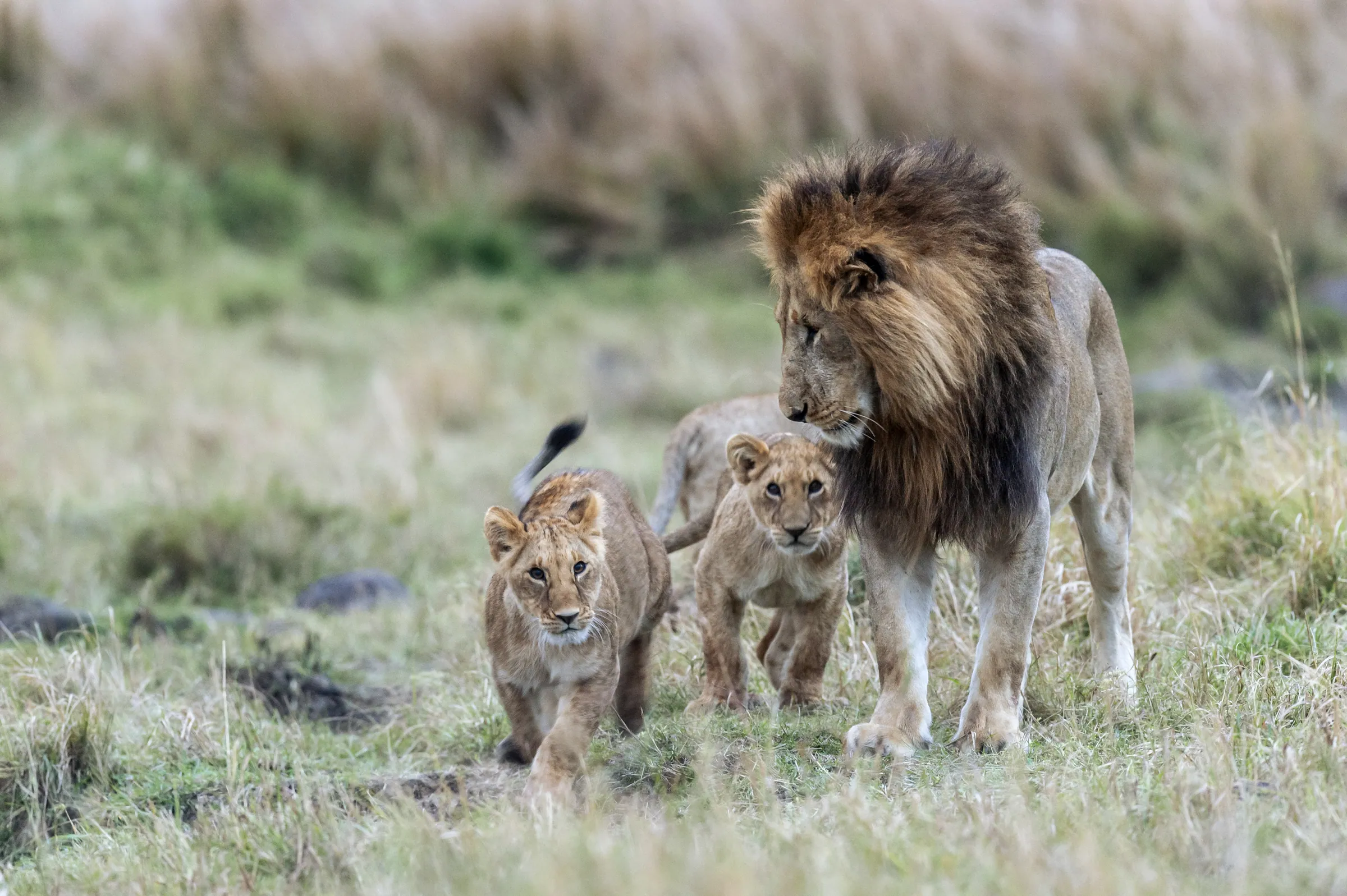
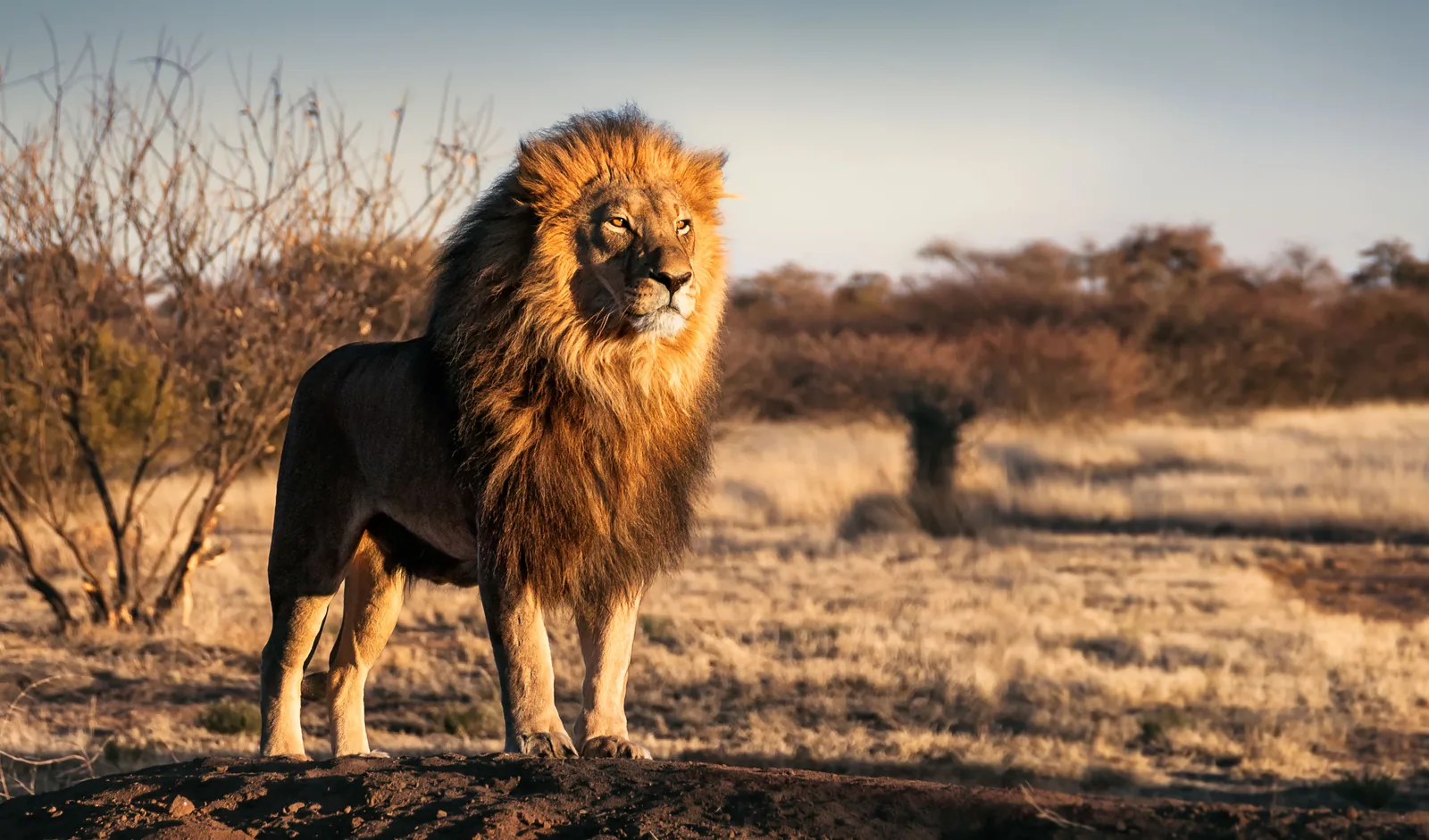
- Lions: Prides of related females with cubs and a coalition of males hold territories around water and prey.
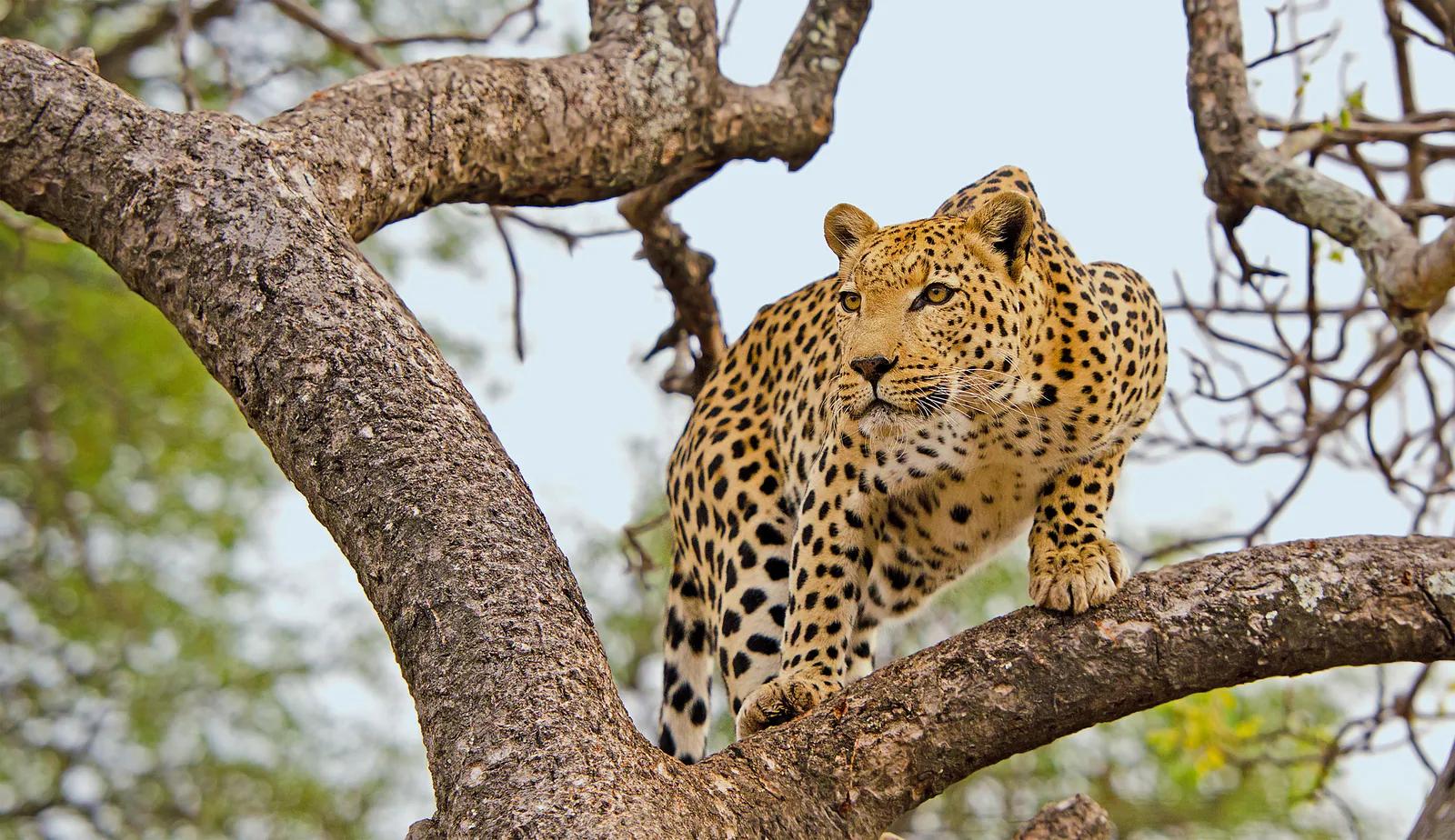
- Leopards: Solitary.
- Cheetahs: Daytime hunters of open plains.
- Black rhinos: A browser of thickets with a hooked.
- White rhinos: A square-lipped grazer of open grassland.
Status
Giraffe (Giraffa camelopardalis): Vulnerable; Kenya has three kinds: Maasai, reticulated and Rothschild's. Which giraffe you see tells you where you are: Maasai giraffes in the south, reticulated in the north, Rothschild's at Lake Nakuru and Ruma. Your fees in Lewa (About $137 per adult per day (conservancy fee) pay the rangers who protect them.