Wildlife. Updated November 2026. 3 min read.
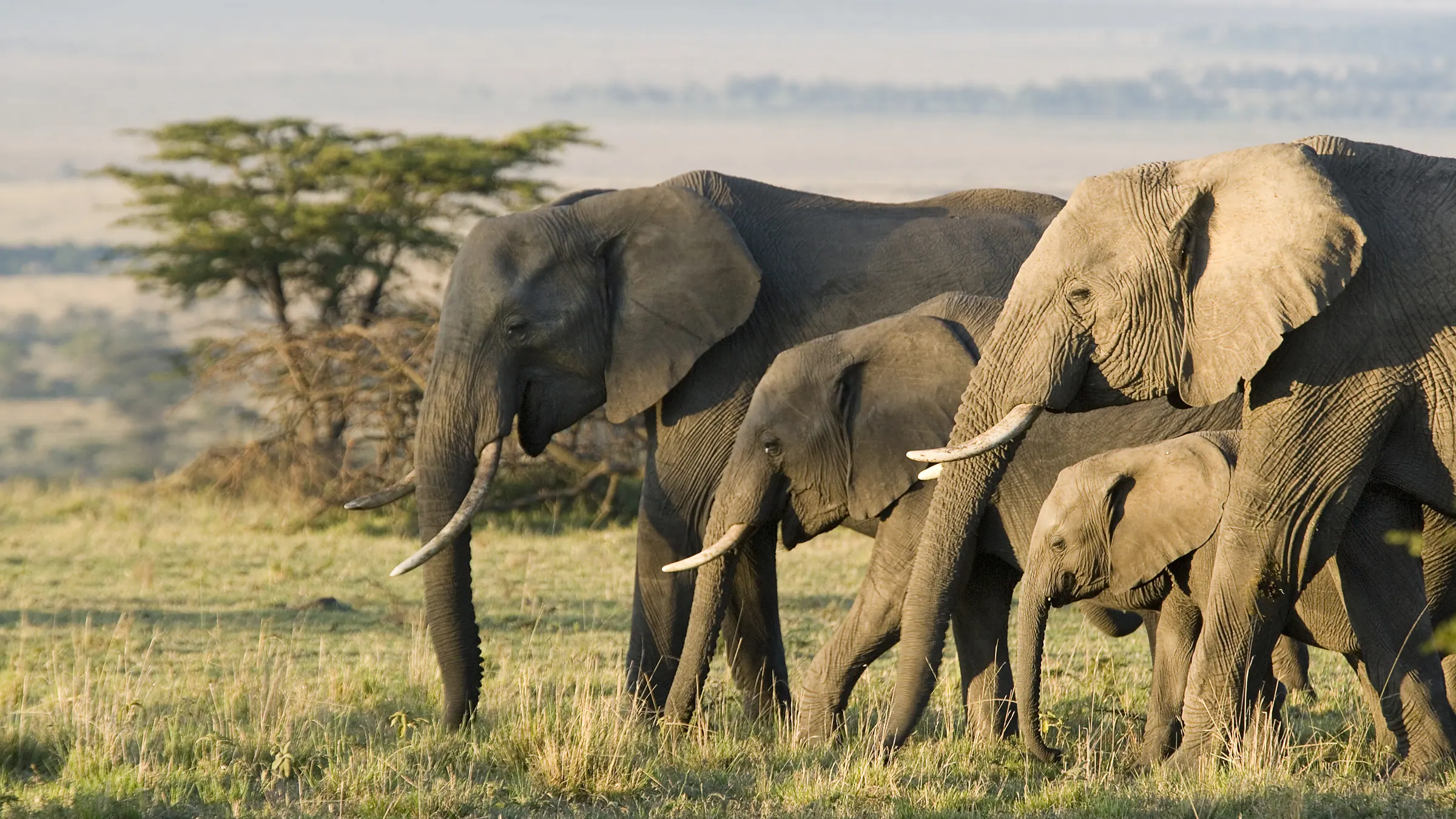
Elephants in the Maasai Mara: a healthy population. Kenya's most famous reserve: the Great Migration from July to October and the densest big-cat country in Africa all year. Family herds led by a matriarch walk 20 km a day between feeding grounds and water, drinking up to 200 litres; bulls range alone or in bachelor groups and join the herds in musth.
Where to find elephants in the Maasai Mara
- Game drives on the Mara plains and along the Mara River.
- The river crossings in migration season.
Fresh dung, broken branches and the great flattened paths tell a guide where a herd passed; the swamps, rivers and springs are the daily meeting points in the dry season. In the Maasai Mara the best time of day is late morning and midday at water, dawn and dusk on the move. Your guide will know the territories and the week's sightings.
When to see elephants in the Maasai Mara
The best months in the Maasai Mara are January, February, July, August, September, October. The dry months pull the herds to permanent water, where they are easiest to see; the rains scatter them. The month pages for Maasai Mara have the detail for your dates.
Photographing elephants in the Maasai Mara
Wide lenses work as well as long ones: a herd walking towards you across open ground, dust at sunset, calves under their mothers' bellies. The Mara's open plains and big skies give clean backgrounds and the best light in Kenya.
Also in the Maasai Mara
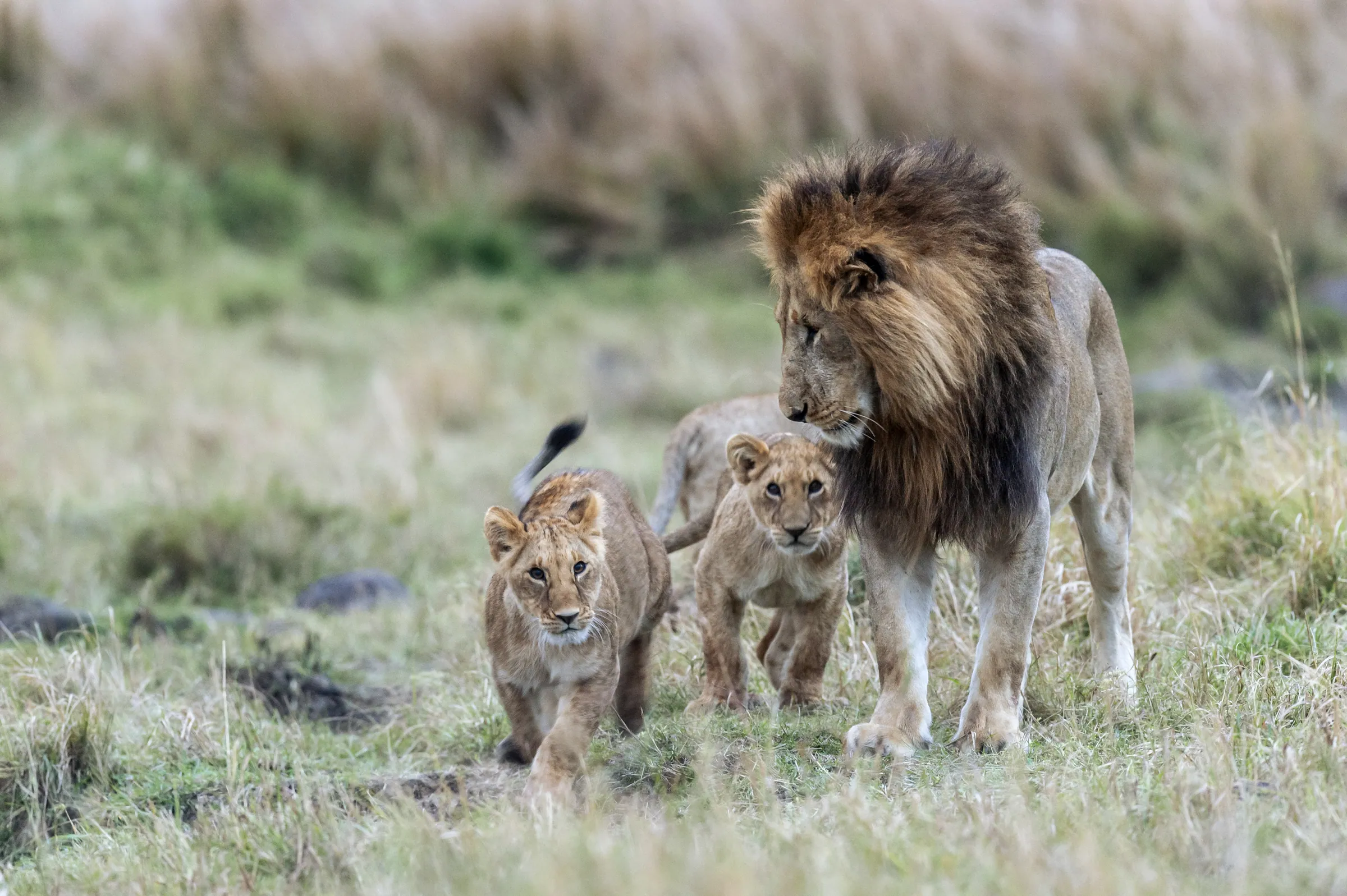
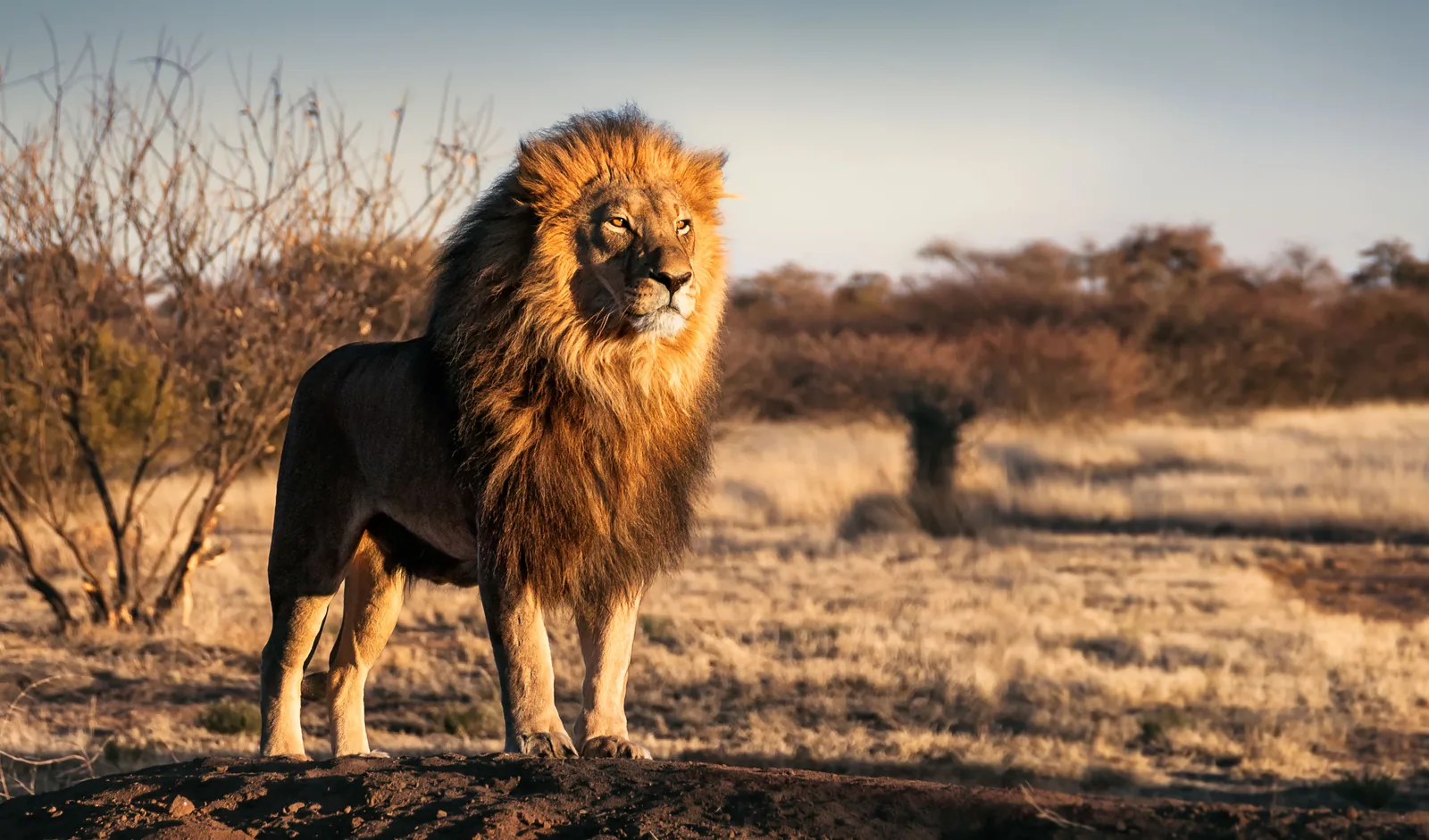
- Lions: Prides of related females with cubs and a coalition of males hold territories around water and prey.
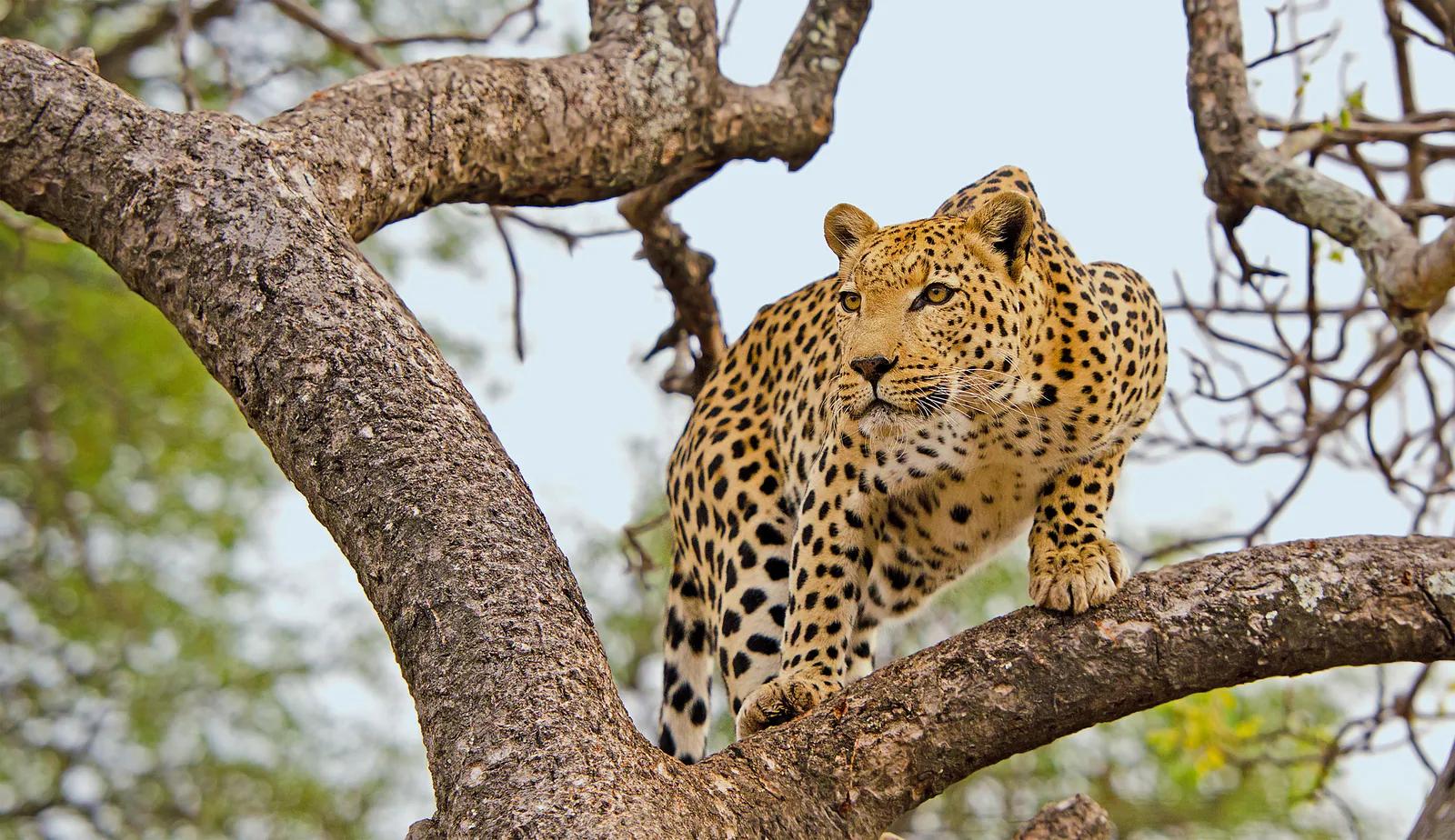
- Leopards: Solitary.
- Cheetahs: Daytime hunters of open plains.
- Giraffes: Browsers of acacia tops that walk in loose herds and can go days without drinking.
- Hippos: Pods spend the day in rivers and lakes and walk out at night to graze.
Status
Elephant (Loxodonta africana): Endangered globally; Kenya's population has grown to about 42,000 (2025 census). Kenya's elephants include the last of Africa's 'big tuskers', bulls with tusks over 45 kg a side, in Amboseli and Tsavo. Your fees in the Maasai Mara ($100 (January to June) or $200 (July to December) per adult per day in the reserve) pay the rangers who protect them.