Wildlife. Updated November 2026. 3 min read.
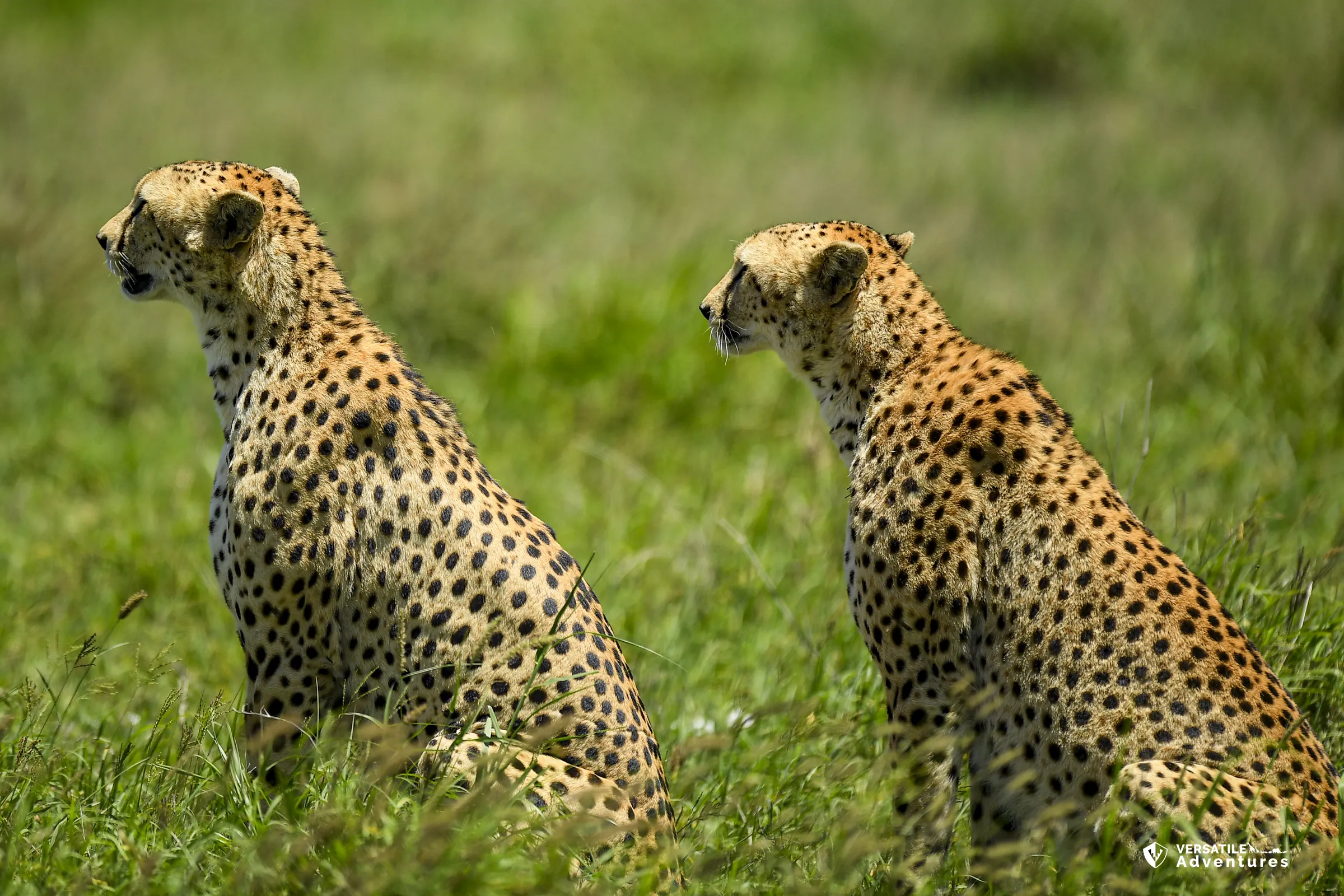
Cheetahs in Amboseli: a healthy population. Big-tusked elephants crossing dry lakebeds under Kilimanjaro, clearest at dawn. Daytime hunters of open plains, cheetahs run down gazelles at 100 km/h in sprints of a few hundred metres; mothers raise cubs alone, males form coalitions of brothers.
Where to find cheetahs in Amboseli
- Elephant herds at the Enkongo Narok swamp.
- Kilimanjaro views from Observation Hill at dawn.
- Birding on the lake flats.
Guides scan termite mounds and fallen trees, the cheetah's lookout posts, and the horizon of short-grass plains where Thomson's gazelles graze. In Amboseli the best time of day is mid-morning and late afternoon, when they hunt; they avoid the midday heat and the night, when lions and hyenas rule. Park rules keep vehicles on the tracks and inside the 6 am to 6 pm day, so the dawn start matters.
When to see cheetahs in Amboseli
The best months in Amboseli are January, February, June, July, August, September, October. Short grass after the rains and the dry-season concentration of prey both help; the long rains (April and May) make the cats harder to find. The month pages for Amboseli have the detail for your dates.
Photographing cheetahs in Amboseli
Open plains give clean backgrounds; a mother with cubs on a mound at 8 am is the shot. Keep your distance during a hunt: vehicles that crowd a cheetah cost it its meal. Kilimanjaro or the red Tsavo earth give the backgrounds here.
Also in Amboseli
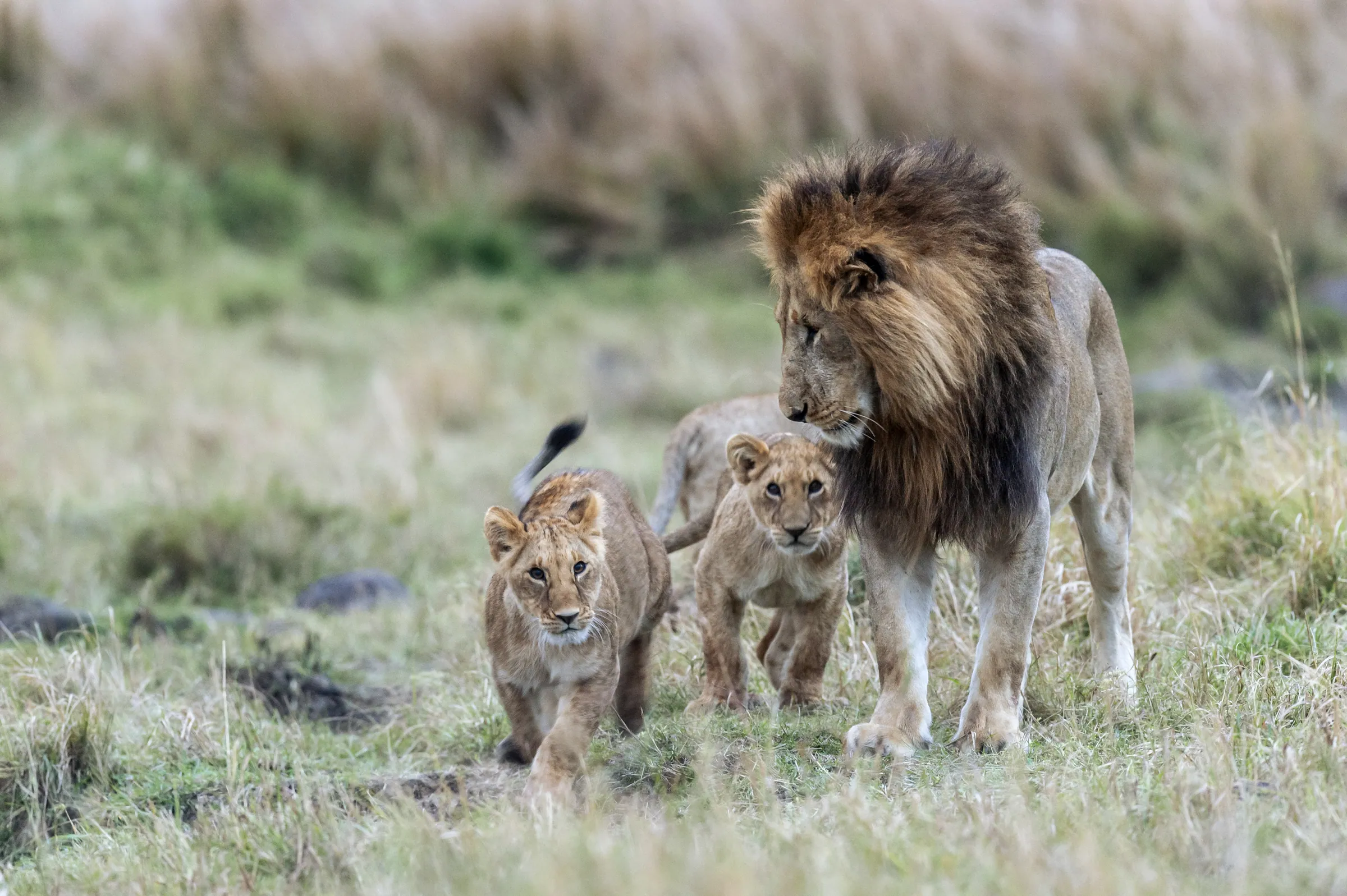
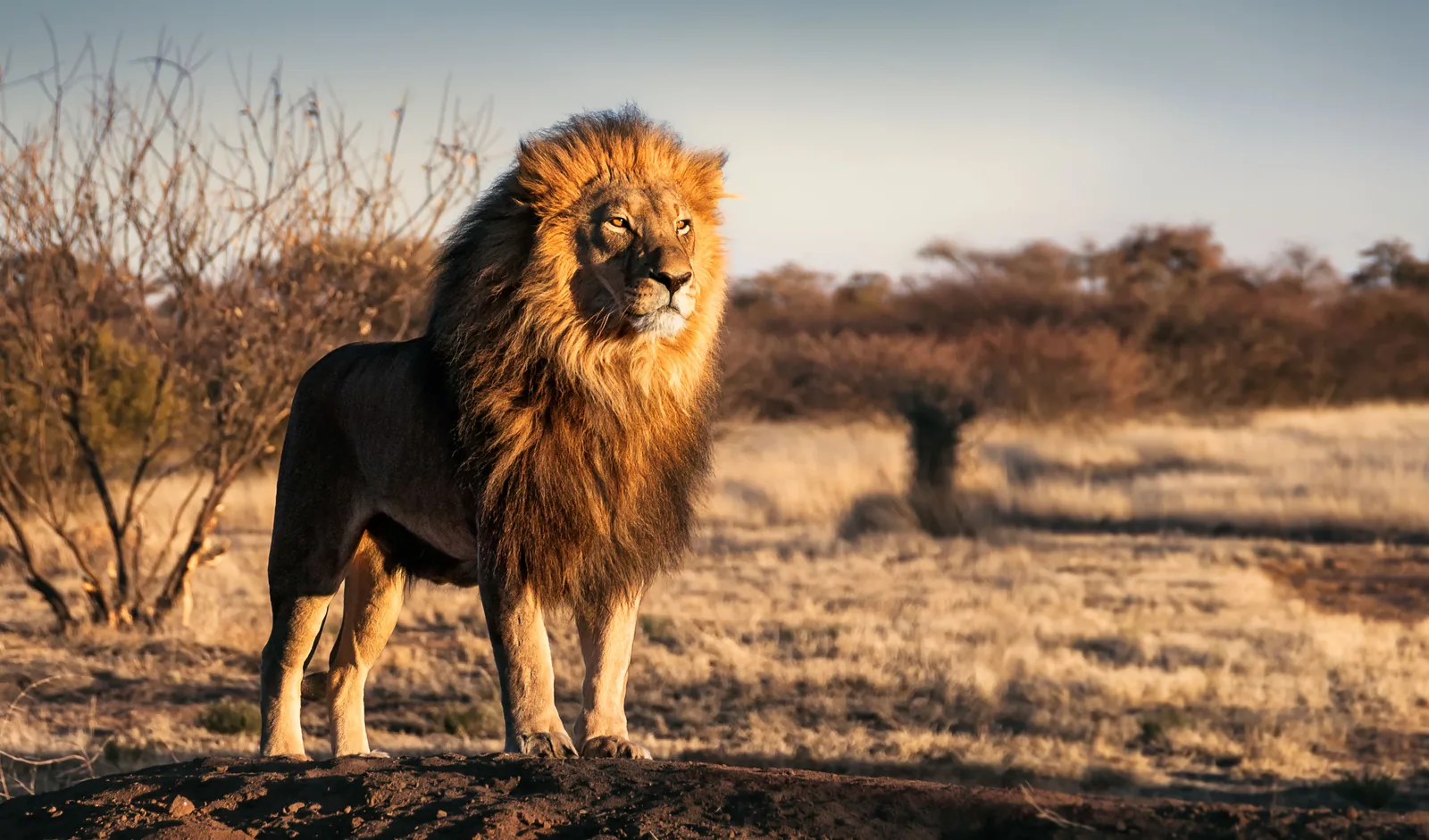
- Lions: Prides of related females with cubs and a coalition of males hold territories around water and prey.
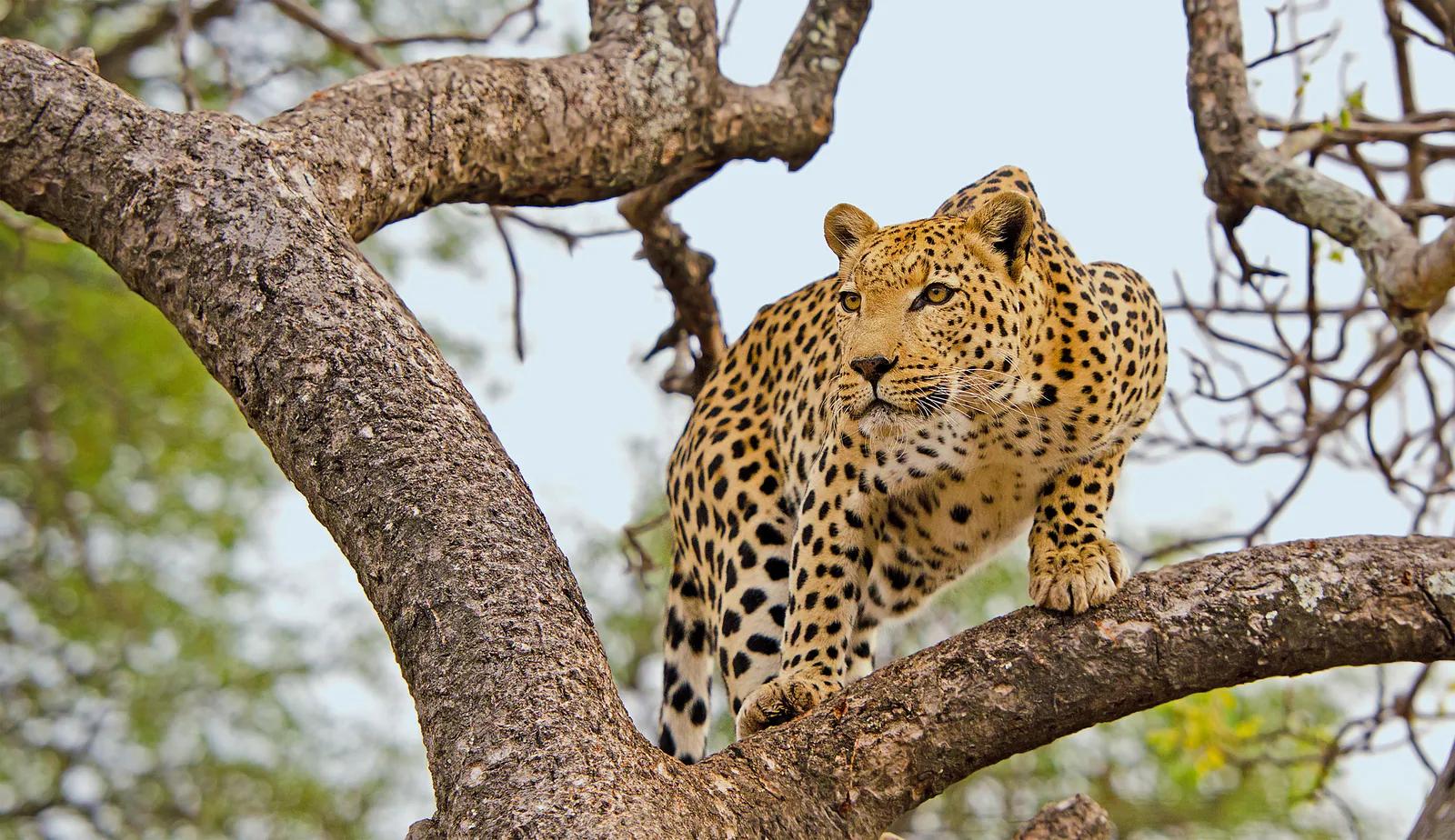
- Leopards: Solitary.
- Elephants: Family herds led by a matriarch walk 20 km a day between feeding grounds and water.
- Giraffes: Browsers of acacia tops that walk in loose herds and can go days without drinking.
- Hippos: Pods spend the day in rivers and lakes and walk out at night to graze.
Status
Cheetah (Acinonyx jubatus): Vulnerable; around 1,000 in Kenya. Cheetahs cannot roar; they chirp and purr. Your fees in Amboseli ($90 per adult per day) pay the rangers who protect them.