Wildlife. Updated November 2026. 3 min read.
Buffalo in Olare Motorogi: a healthy population. The Mara's big-cat conservancy on the reserve's northern edge: five small camps, night drives and off-road driving. Herds of hundreds graze open grassland and drink daily; old bulls, the 'dagga boys', live apart in the mud wallows and are the dangerous ones.
Where to find buffalo in Olare Motorogi
- Lion, leopard and cheetah on uncrowded plains.
- The reserve's river crossings a short drive south.
Herds are visible from far off by the dust and the oxpeckers; guides give the lone bulls a wide berth on walks. In Olare Motorogi the best time of day is morning and late afternoon on open ground; midday in the shade and water. Because this is a conservancy, your guide can leave the track at a sighting and stay out after dark, which doubles your chances with the nocturnal animals.
When to see buffalo in Olare Motorogi
The best months in Olare Motorogi are January, February, July, August, September, October. The dry season is easiest, but this species is seen in every month. The month pages for Olare Motorogi have the detail for your dates.
Photographing buffalo in Olare Motorogi
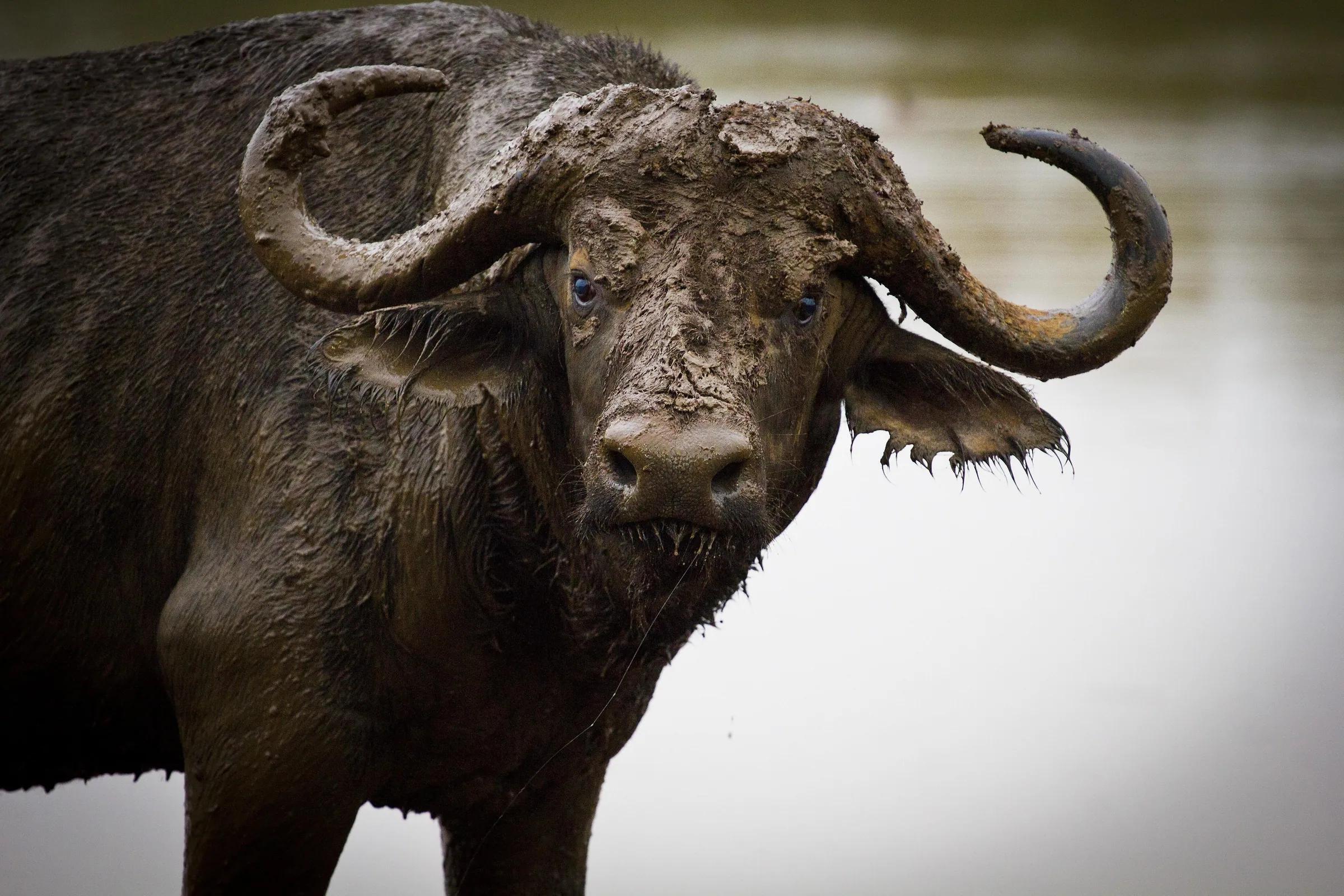
The stare: a bull head-on with oxpeckers on its back, mud-caked, at 300 mm. The Mara's open plains and big skies give clean backgrounds and the best light in Kenya.
Also in Olare Motorogi
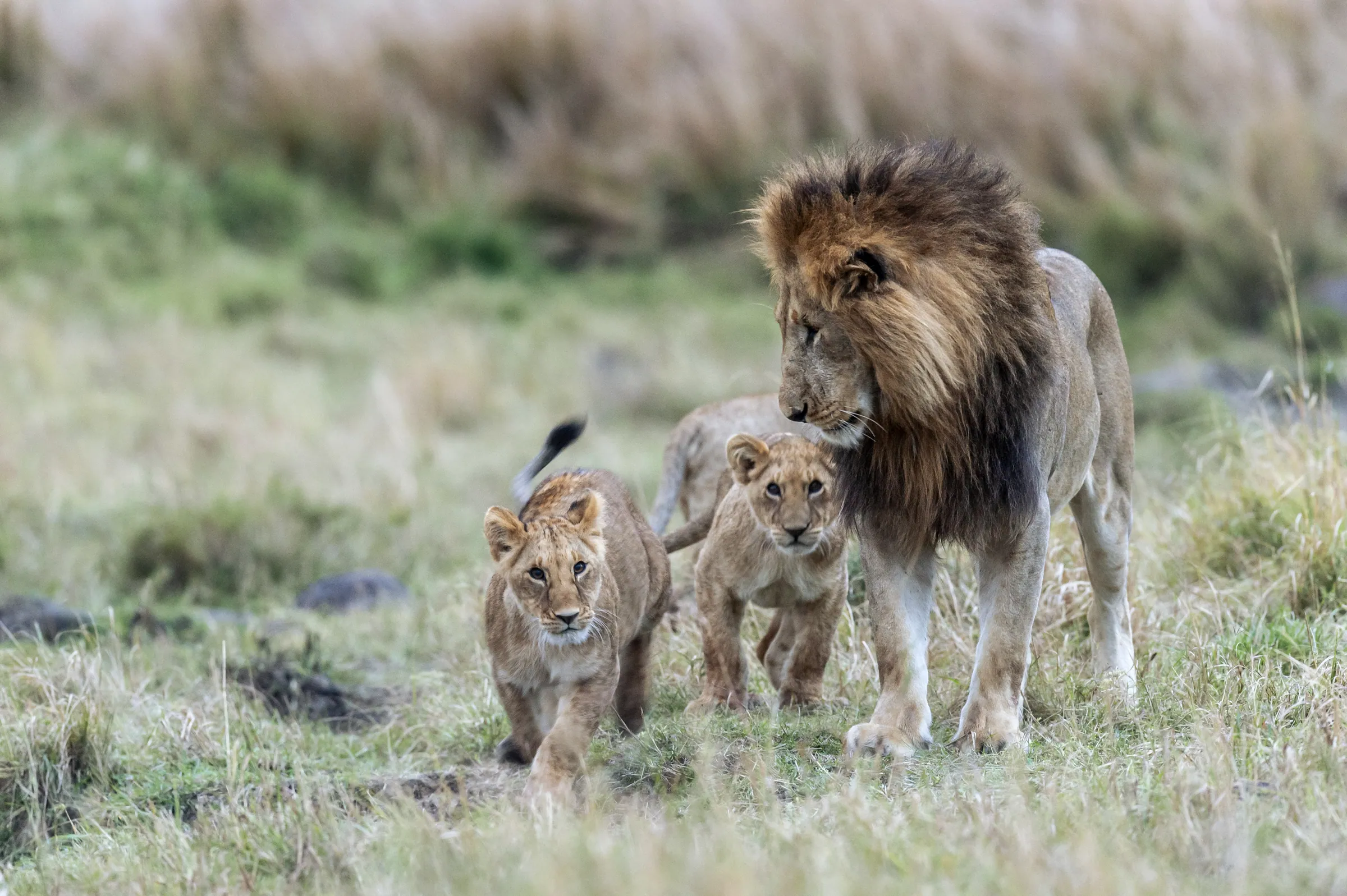
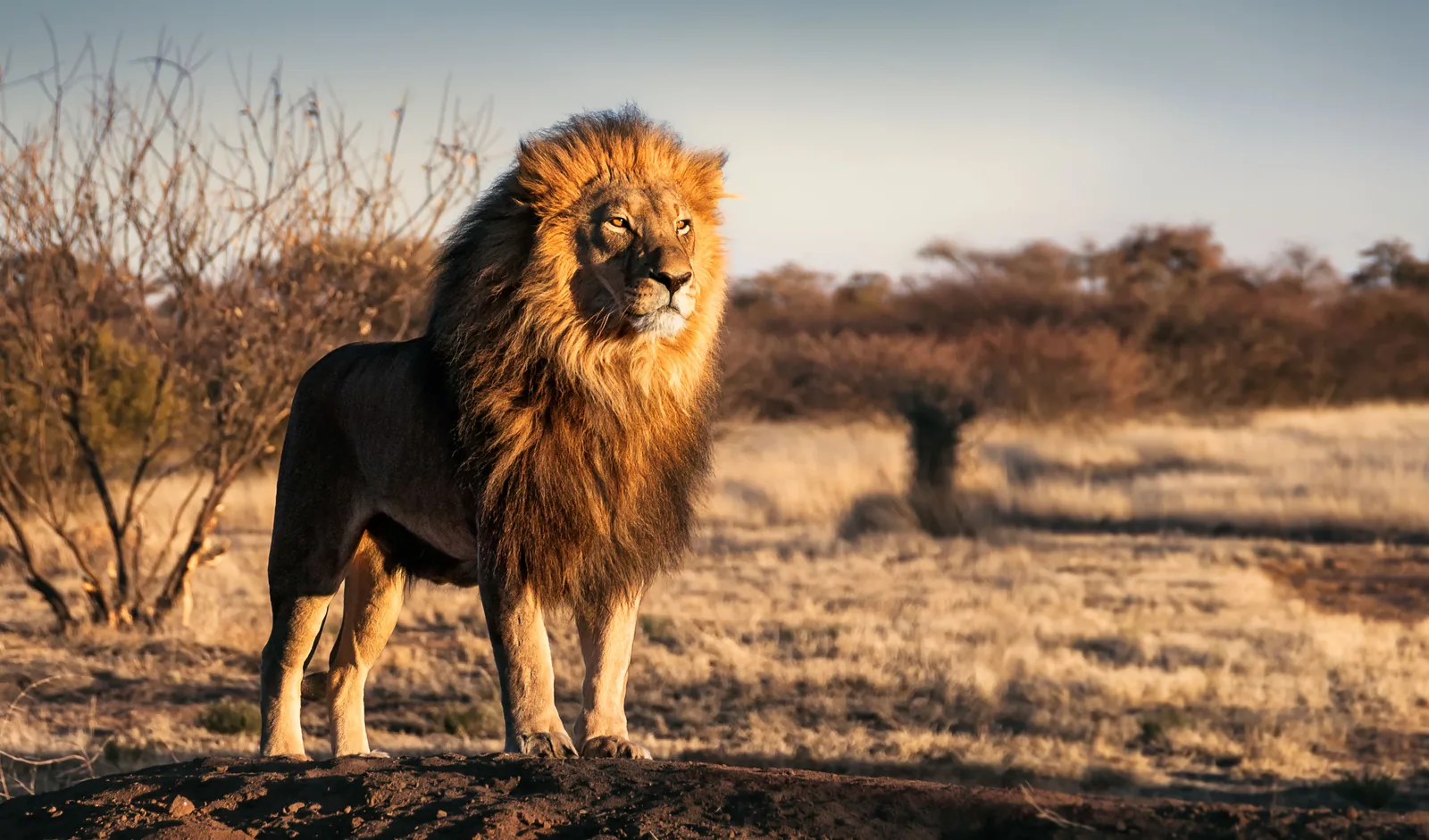
- Lions: Prides of related females with cubs and a coalition of males hold territories around water and prey.
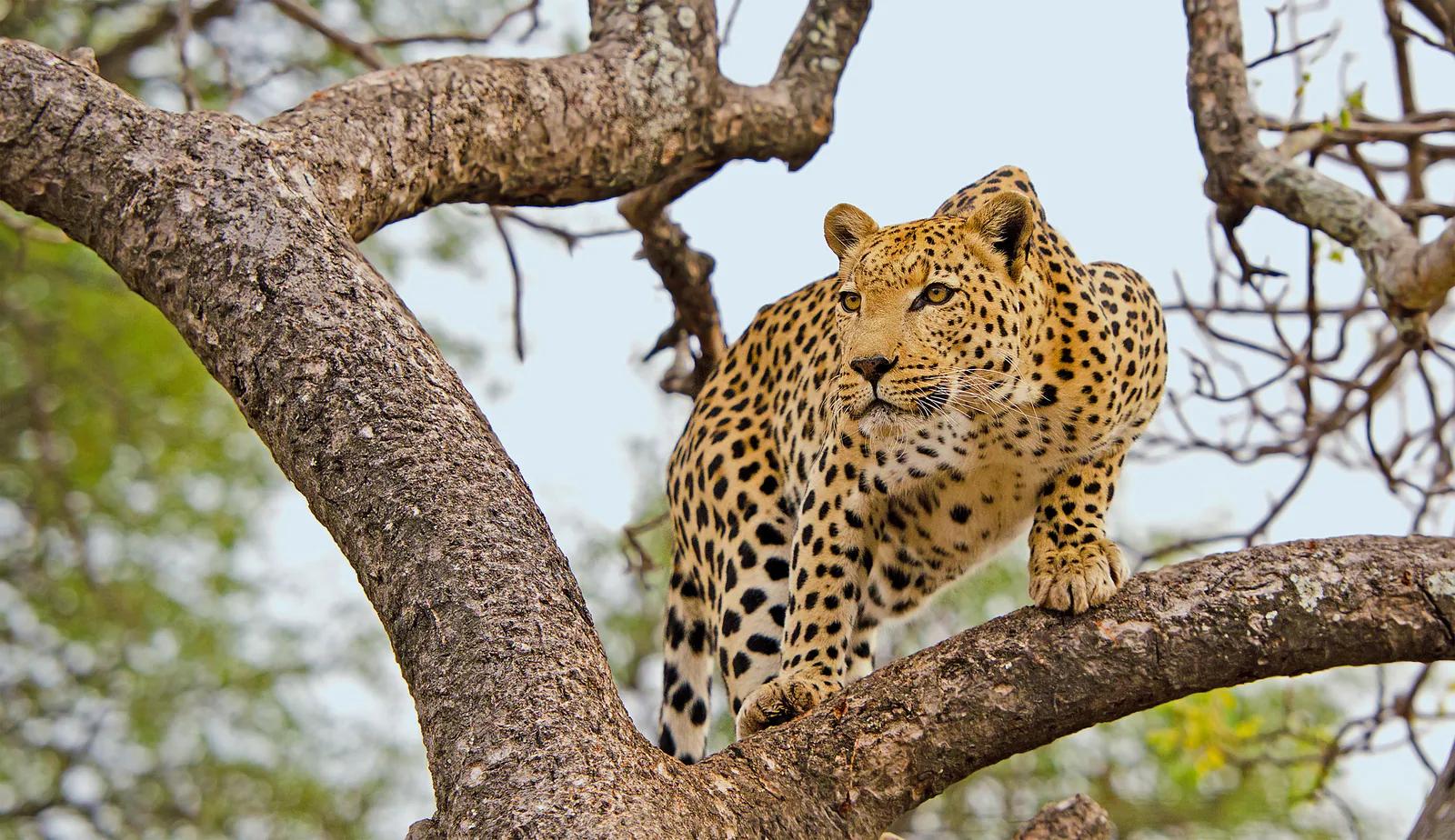
- Leopards: Solitary.
- Cheetahs: Daytime hunters of open plains.
- Elephants: Family herds led by a matriarch walk 20 km a day between feeding grounds and water.
- Giraffes: Browsers of acacia tops that walk in loose herds and can go days without drinking.
Status
Cape buffalo (Syncerus caffer): Near Threatened; abundant in Kenya's parks. One of the Big Five for its reputation as the most dangerous animal to hunt on foot. Your fees in Olare Motorogi (Conservancy fee of about $100 to $120 per adult per day, built into the camp rate) pay the rangers who protect them.