Wildlife. Updated November 2026. 3 min read.
Black rhinos in Meru: a healthy population. Elsa's park: thirteen rivers, doum palms, a rhino sanctuary and almost no other vehicles. A browser of thickets with a hooked, prehensile lip, solitary and short-sighted, quick to charge and quicker to vanish; most active at dawn, dusk and night.
Where to find black rhinos in Meru
- The rhino sanctuary.
In the sanctuaries the rangers know each animal; elsewhere guides look at the dawn tracks on soft roads and the browse line in the bush. In Meru the best time of day is the first and last hours of the day at the edges of thickets; rangers in the sanctuaries track them continuously. Park rules keep vehicles on the tracks and inside the 6 am to 6 pm day, so the dawn start matters.
When to see black rhinos in Meru
The best months in Meru are January, February, March, June, July, August, September, October. Rhinos are seen year round in the sanctuaries; the dry months and short grass make it easier. The month pages for Meru have the detail for your dates.
Photographing black rhinos in Meru
Keep the engine off and the voices down; a 300 mm lens and the patience to let it come to you. The red earth, doum palms and the river give the north its look.
Also in Meru
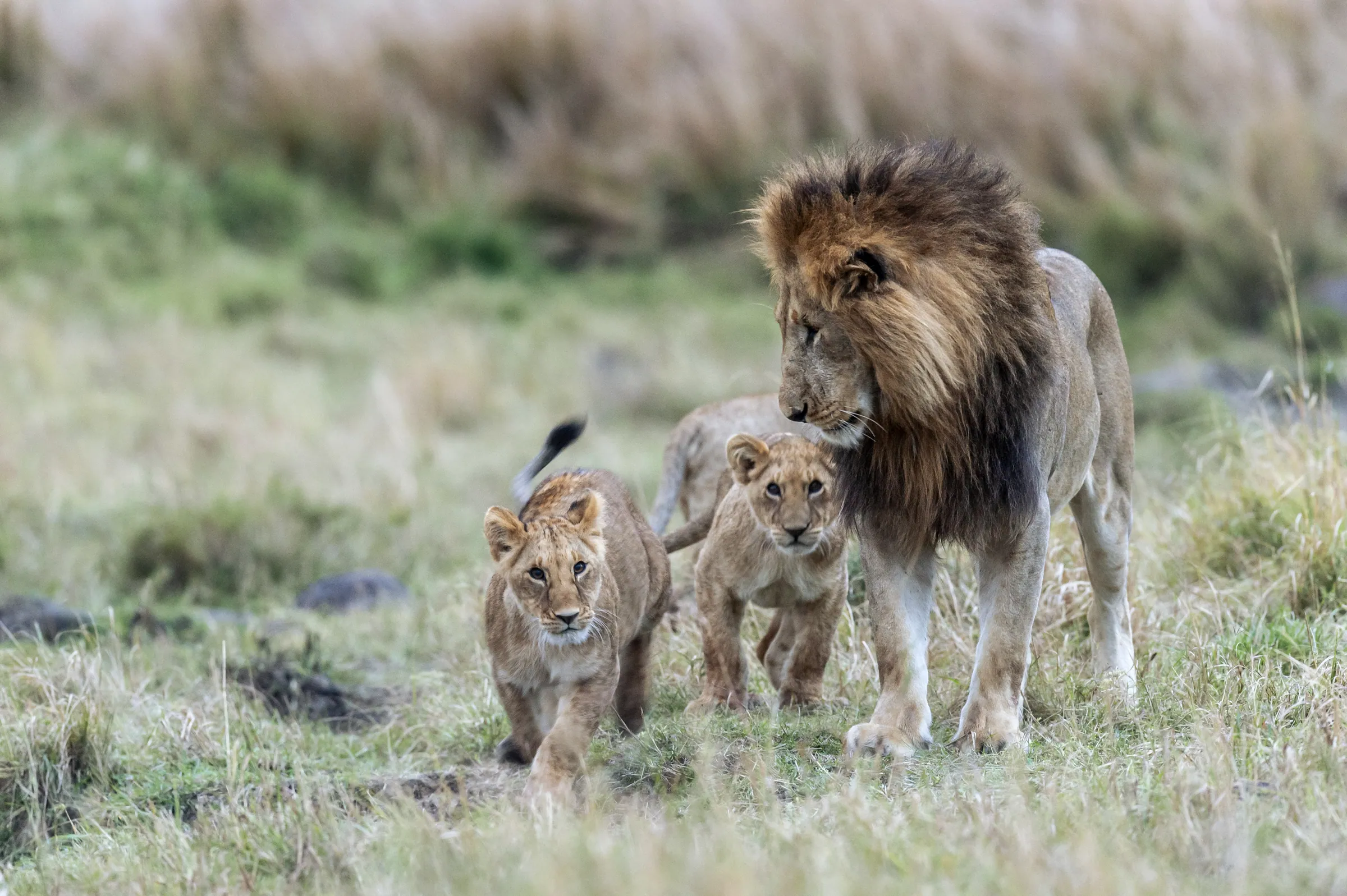
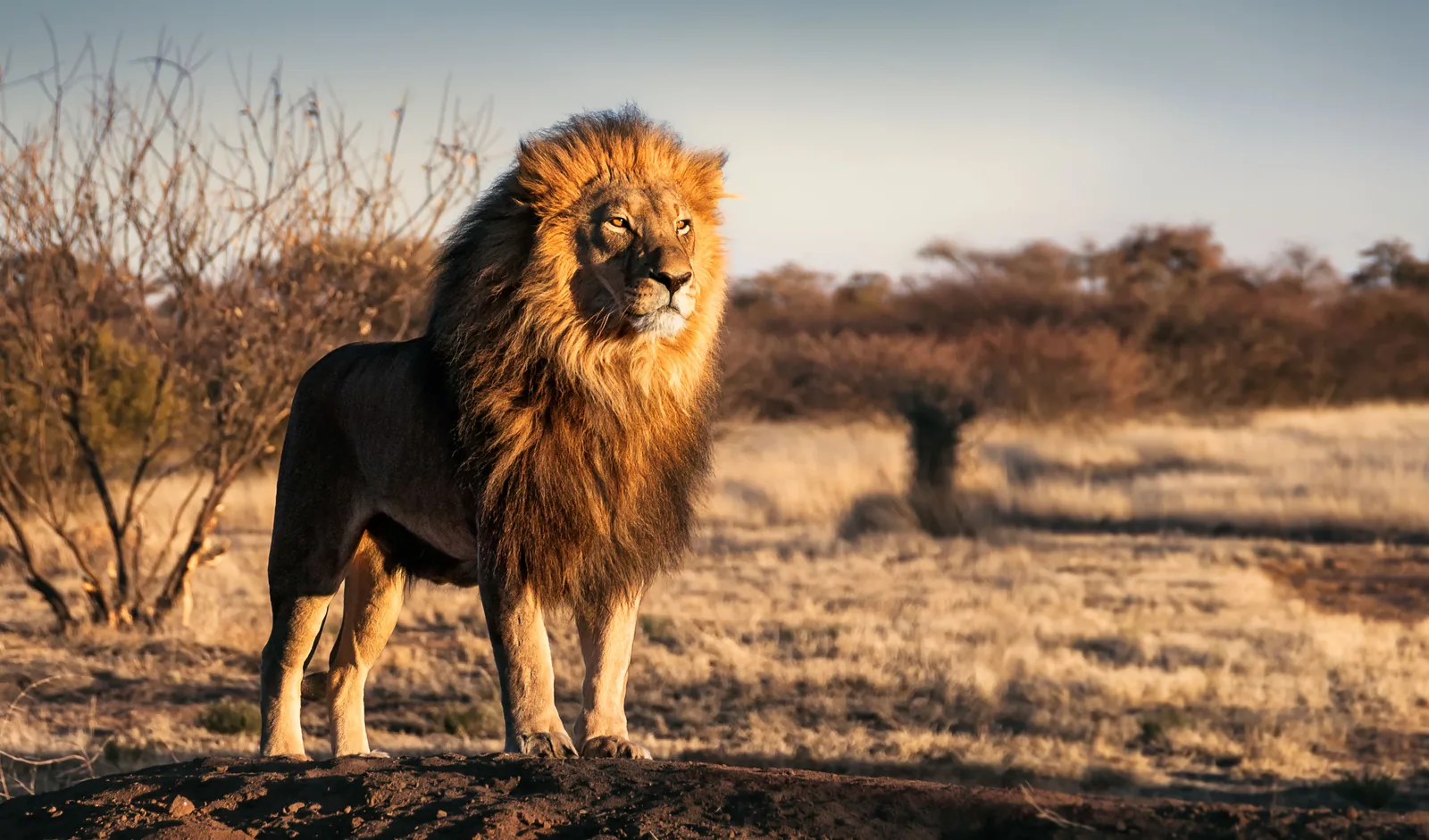
- Lions: Prides of related females with cubs and a coalition of males hold territories around water and prey.
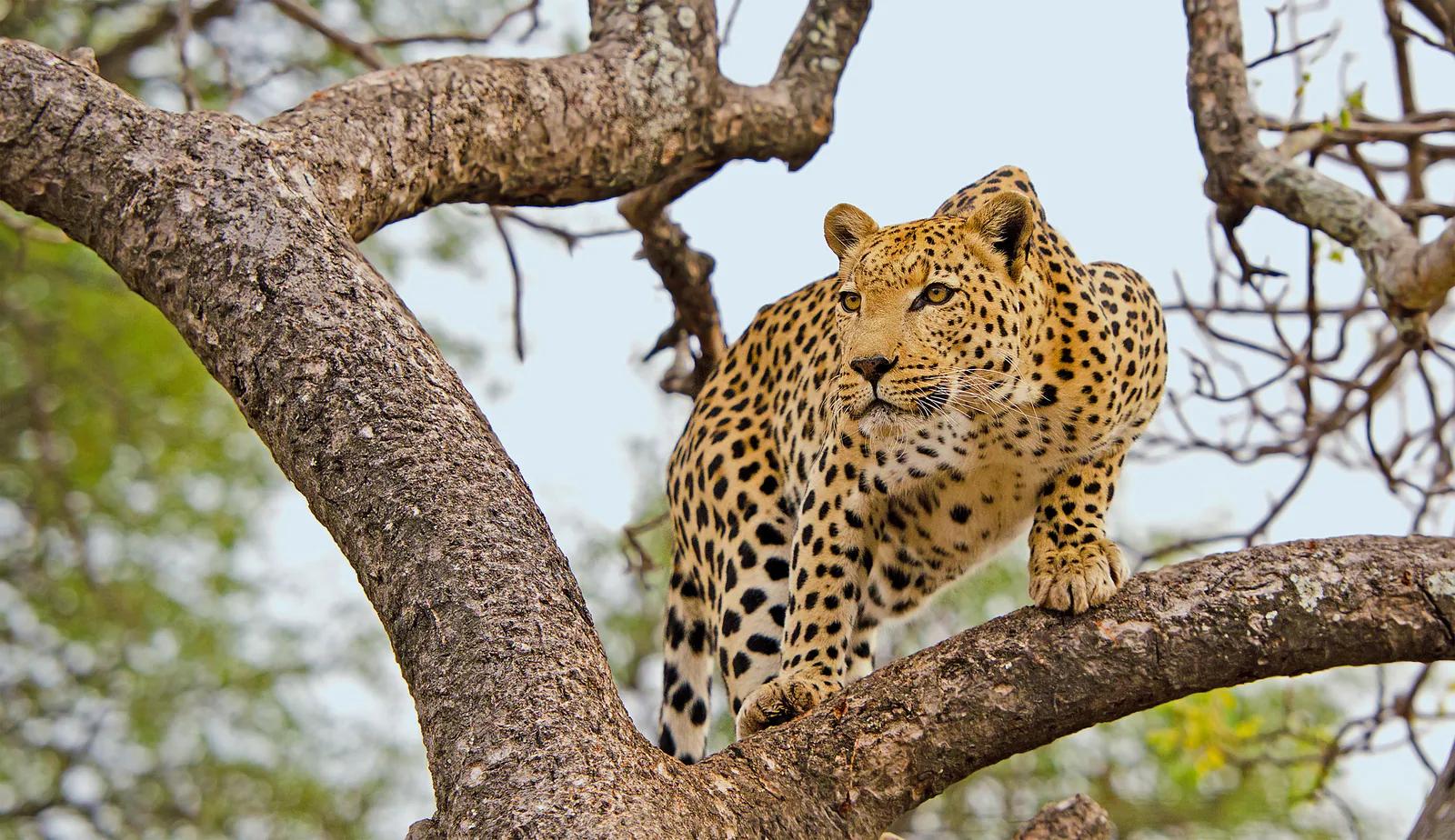
- Leopards: Solitary.
- Cheetahs: Daytime hunters of open plains.
- Elephants: Family herds led by a matriarch walk 20 km a day between feeding grounds and water.
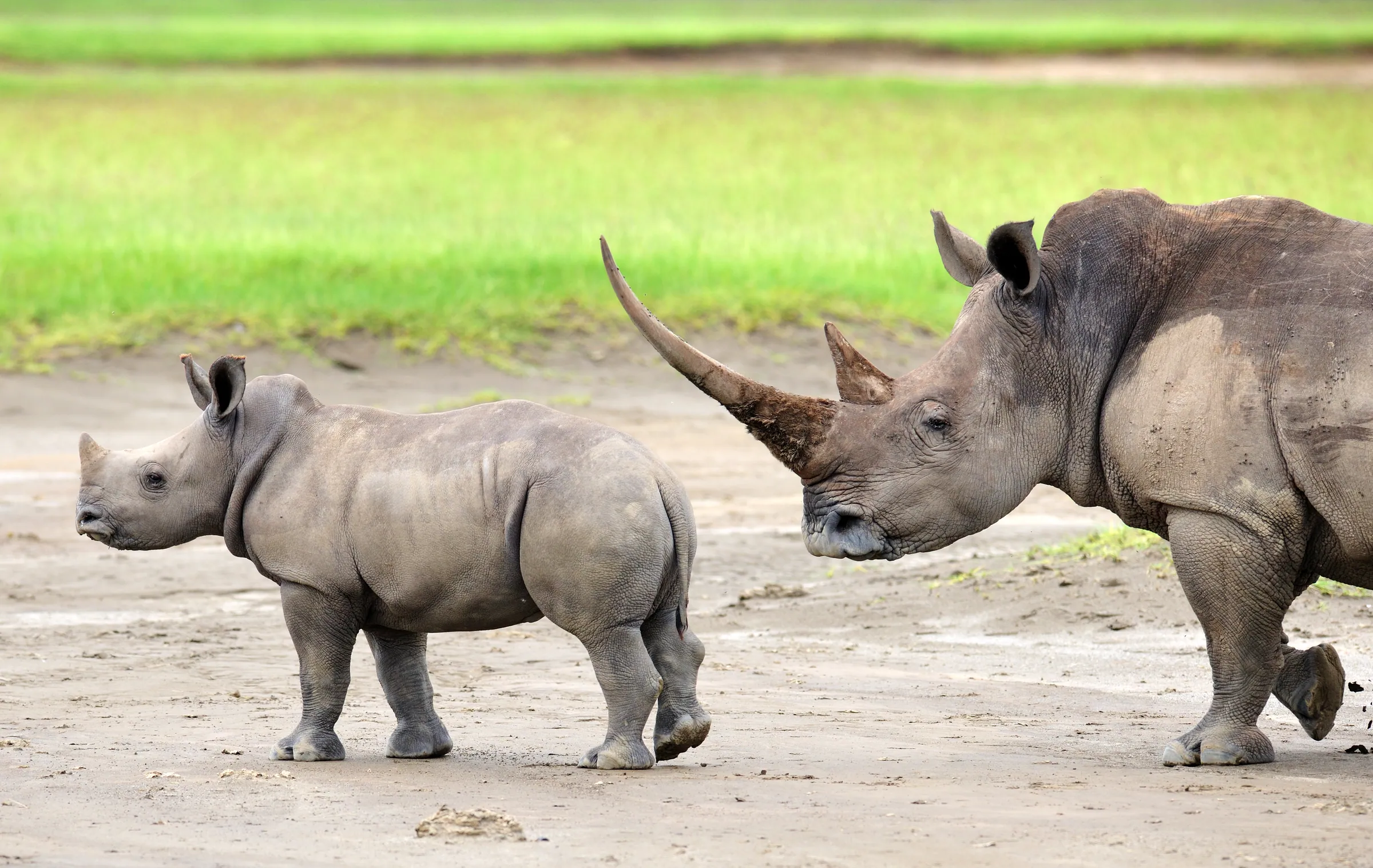
- White rhinos: A square-lipped grazer of open grassland.
Status
Black rhino (Diceros bicornis): Critically Endangered; Kenya holds about 1,060, the third-largest population in Africa. Kenya's black rhinos were poached from 20,000 in 1970 to under 400 by 1990; the sanctuaries rebuilt the population. Your fees in Meru ($70 per adult per day) pay the rangers who protect them.