Wildlife. Updated November 2026. 3 min read.
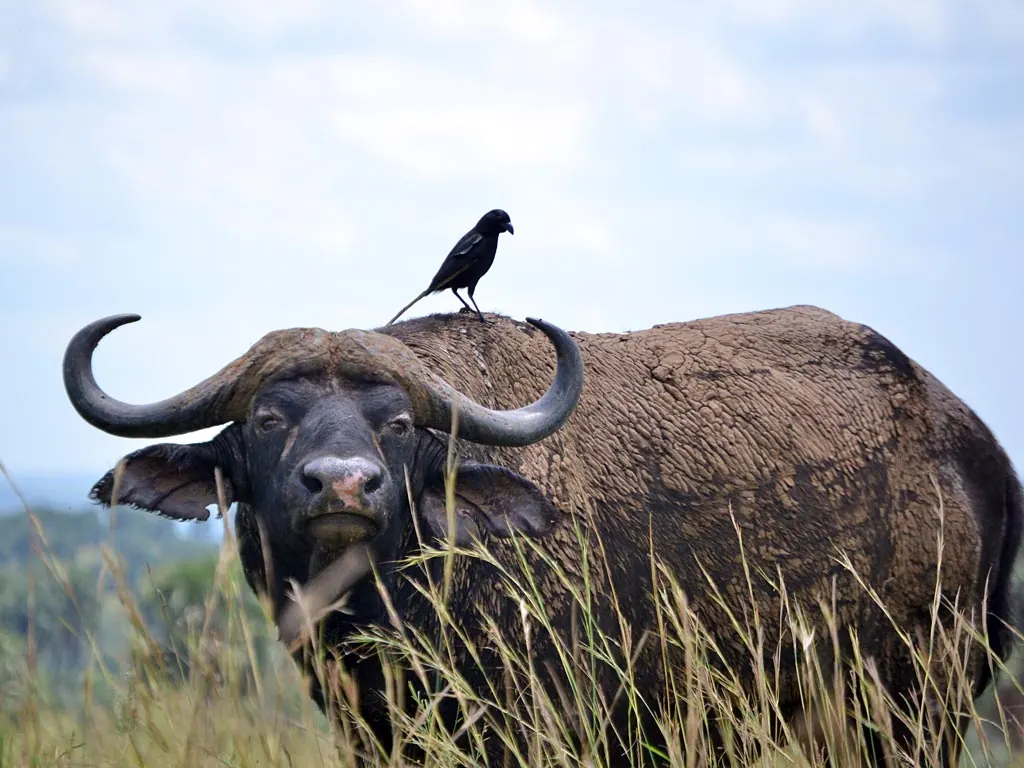
A brown bird with a red bill and a yellow eye-ring, clinging to large mammals. Red-billed oxpecker (Buphagus erythrorynchus) is 20 cm long and common and not threatened. Its alarm call warns rhinos of approaching danger, which is why rangers call it the rhino's guard.
Where to see Red-billed oxpecker
- Maasai Mara: Kenya's most famous reserve: the Great Migration from July to October and the densest big-cat country in Africa all year.
- Samburu: The dry north: the Samburu Special Five, elephants on the Ewaso Nyiro and the red-robed Samburu people.
- Amboseli: Big-tusked elephants crossing dry lakebeds under Kilimanjaro, clearest at dawn.
- Lake Nakuru: Kenya's surest rhino sighting, a soda lake of pelicans and flamingos, and tree-climbing lions.
- Tsavo East: Kenya's largest park: red elephants, the Yatta plateau and huge skies, an easy add-on to the coast.
Picks ticks from giraffes, buffalo and rhinos; also keeps wounds open to drink blood. It is widespread enough that a standard safari finds it without trying; the best months are Jan, Feb, Jul, Aug, Sep, Oct.
How to identify it
A brown bird with a red bill and a yellow eye-ring, clinging to large mammals. Size: about 20 cm, thrush-sized. Family: oxpeckers. Picks ticks from giraffes, buffalo and rhinos; also keeps wounds open to drink blood.
Status and conservation
Red-billed oxpecker is common and not threatened. No special measures are needed to see it, and your park fees support the habitats it uses.
On a Kenya Experience trip
Our guides carry binoculars and the East African field guide in every vehicle, and our birding itineraries put a specialist bird guide in the front seat. For Red-billed oxpecker we would start at Maasai Mara and Samburu. Tell us the species on your list and we build the days around them.