KENYA EXPERIENCE
Plan your trip
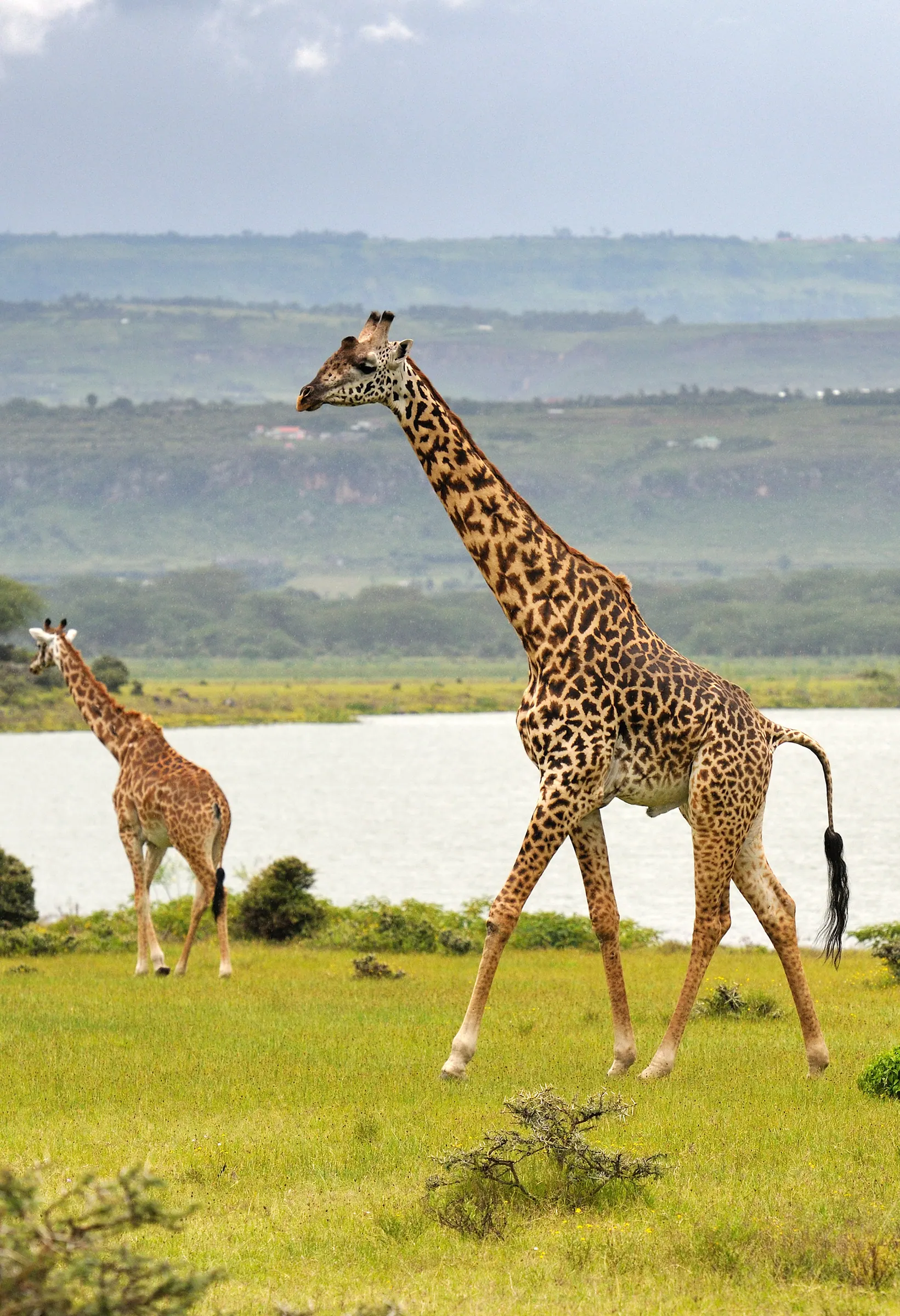
Giraffes walking by a lake

Usukani

Usukani means steering wheel.

Kenya road trip: a 12-day loop through the Rift, the north and Amboseli

Your own 4x4, no day over 300 km, and a loop that never doubles back.

Itineraries. Updated November 2026. 5 min read.

Kenya rewards people who drive it. Between Nairobi and the parks are market towns, roadside roasted maize, the Rift Valley escarpment and the equator sign at Nanyuki, and you see none of it from a light aircraft. This 12-day loop takes you from the Rift Valley lakes to the dry north and back down to Amboseli, with no day over 300 km and no road driven twice.

The short version: Naivasha, Nakuru and Baringo in the Rift; Ol Pejeta under Mount Kenya; Samburu in the north; a night on the mountain's green eastern side; and Amboseli to finish. Self-drive starts at about $2,200 per person for two sharing a 4x4, staying in simple lodges, bandas and the odd campsite. The same loop with a professional driver-guide in a safari vehicle starts at about $3,600. It is a sample route we tailor, not a fixed departure.

Who this suits

  • Drivers who have driven on the left before and are happy on rough roads
  • Repeat visitors who have done a guided safari and want freedom the second time
  • Couples and friends with two weeks, who want towns and people as well as parks
  • Kenyans in the U.S. showing a partner the country they grew up driving

It is not the route for a first safari with young children, or for anyone who would rather watch the animals than the road. For them we run the same loop with a driver-guide, which costs more but gives you a spotter, a mechanic and a translator in one seat. Our driving guide sets out the rules, checkpoints and costs; read it before you choose.
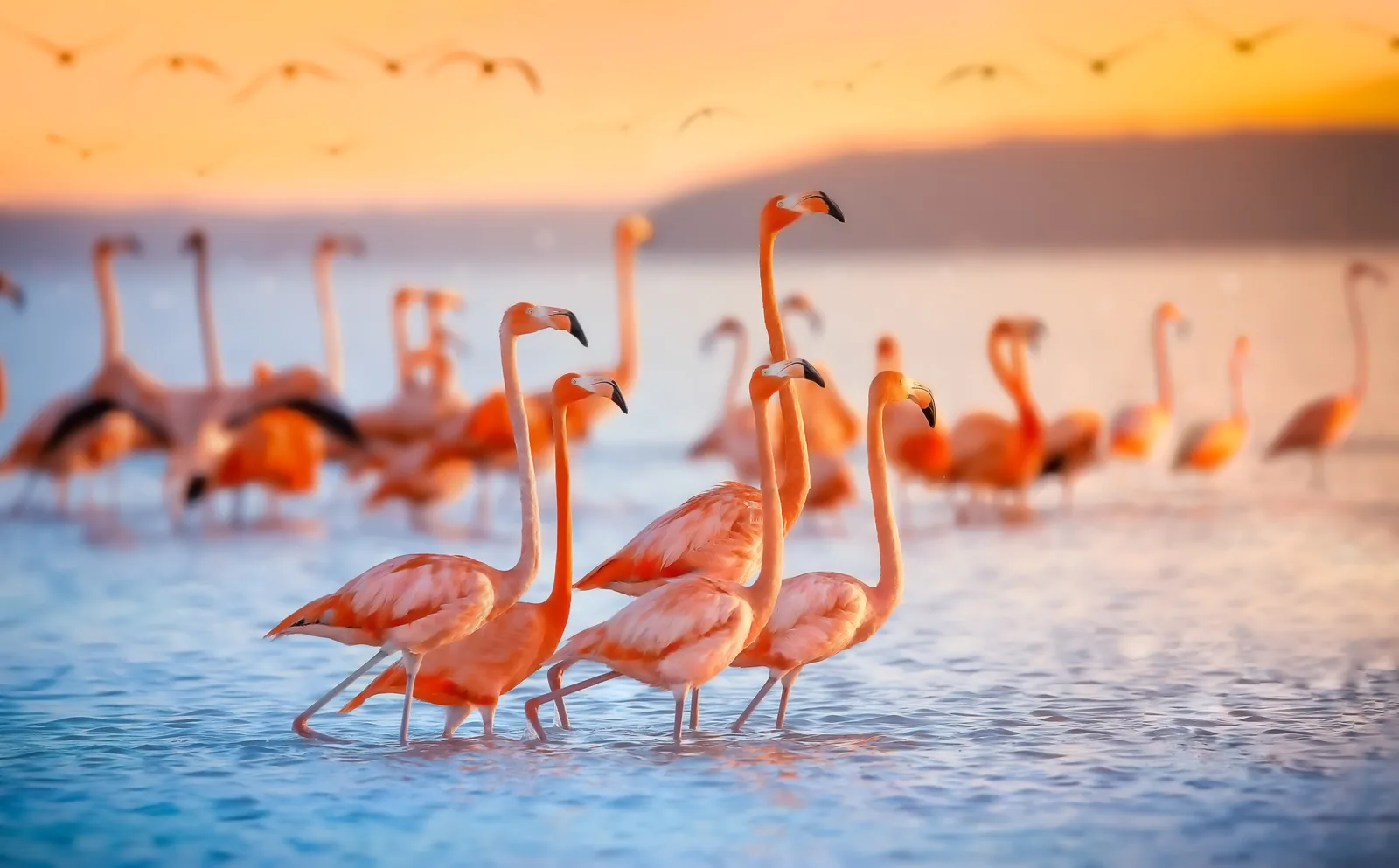
Flamingos wading in Lake Nakuru

The loop, day by day in distances

LegAboutTimeThe road
Nairobi to Naivasha90 km1.5 to 2 hoursTarmac; the escarpment viewpoint is the first stop
Naivasha to Lake Nakuru, then Lake Baringo185 km plus a game drive4 hours of drivingTarmac to Marigat; park tracks inside Nakuru
Baringo to Nanyuki via NyahururuAbout 230 km5 to 6 hoursThe climb out of the valley is where a 4x4 earns its keep after rain
Nanyuki to SamburuAbout 150 km2.5 to 3 hoursTarmac through Isiolo; sandy tracks inside the reserves
Samburu to Mount Kenya's east sideAbout 150 km3 to 4 hoursTarmac via Meru town
Mount Kenya east to NairobiAbout 180 km3.5 to 4 hoursTarmac via Embu; Nairobi traffic decides the end
Nairobi to Amboseli, and backAbout 240 km each way4 to 5 hours each wayTarmac to Emali, then a corrugated last stretch
Our typical figures. Times depend on traffic, road works, weather and how often you stop for photos.

The roads that need a 4x4

Most of the loop is tarmac. You need the 4x4 for three things: the back road between Baringo and Nyahururu when it rains, the sand and dry riverbeds of Samburu and Buffalo Springs, and the dusty, corrugated tracks of Amboseli. A Toyota Land Cruiser or Prado with high clearance is the standard. Ask the hire company for two spare wheels, a high-lift jack, a working pop-up roof and a fridge or cool box. Do not try this loop in a saloon car.
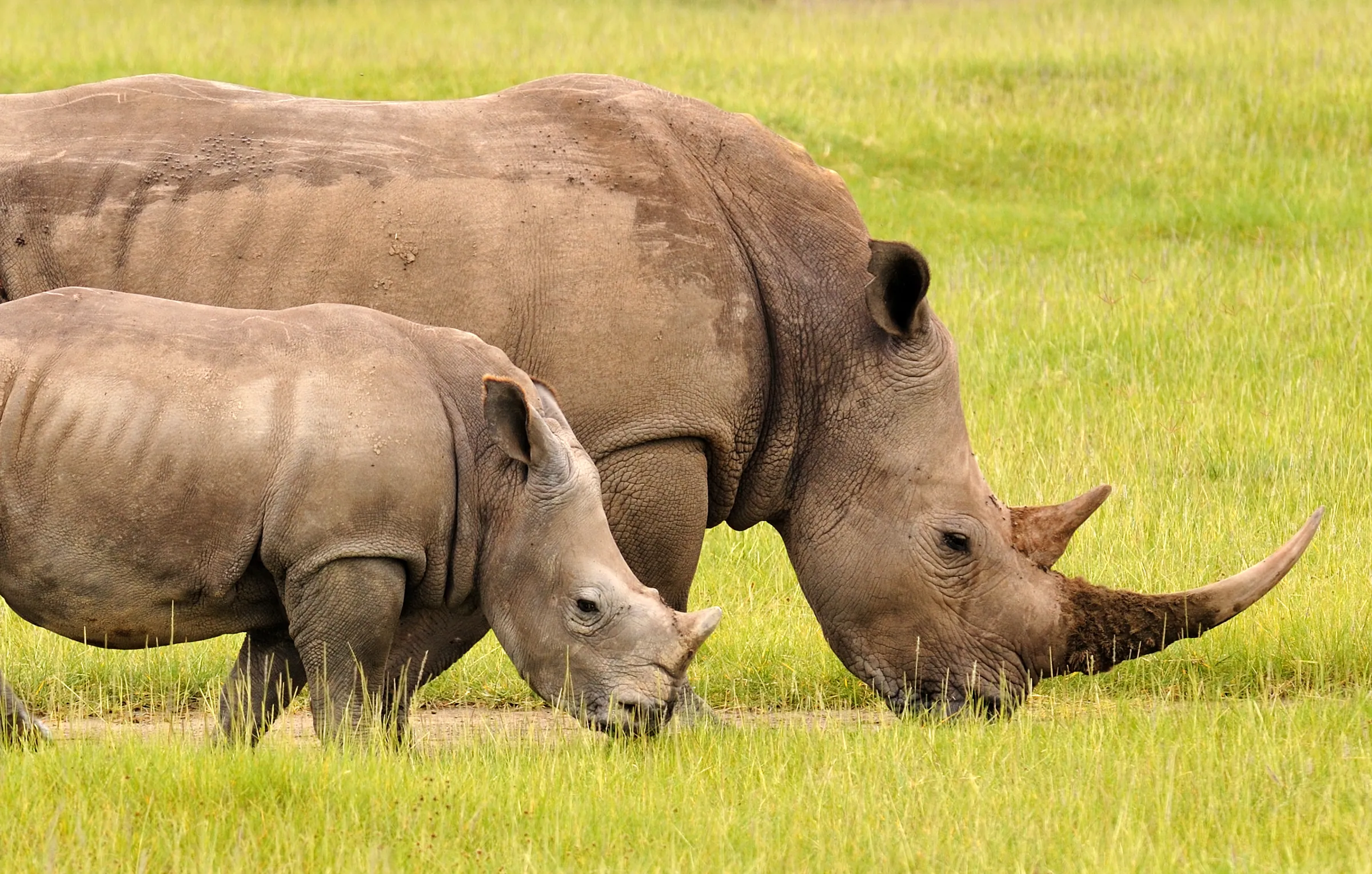
White rhinos grazing

What it costs, line by line

Cost lineTwo people, 12 daysWhat to know
4x4 hire, 11 daysAbout $1,100 to $2,000From about $100 to $180 a day; one-way or cross-border hire costs more
FuelRoughly $300 to $400About 1,800 km; fuel about KSh 170 to 190 a litre at the time of writing
Park and conservancy feesAbout $1,200 to $1,500Nakuru and Amboseli $90 a day each, Samburu about $85, Ol Pejeta set by the conservancy; vehicle fees extra
Stays, 11 nightsAbout $1,800 to $3,500Simple lodges, bandas and campsites at the low end; full-board tented camps at the high end
Adding a driverAbout $30 to $50 a dayPlus his meals and room; a safari driver-guide with his own vehicle costs more
Planning figures at the time of writing, from our driving and park fee guides. A guide, not a quote.

The two choices that move the total are where you sleep and whether you hire a driver. Park fees are fixed whoever is driving. Pay KWS parks in advance on eCitizen; Samburu and Buffalo Springs are county reserves paid at the gate or through your lodge; Ol Pejeta sets its own fees.

Rules for self-drivers in the parks

  • Stay on the tracks. Off-road driving is banned in the national parks and reserves, and fines are real
  • Be out of the park, or inside your camp, by 6pm; gates and park rules are strict about dark
  • Hire a local guide at the Samburu gates for your first drive: he knows where the leopard was yesterday and where the sand is soft
  • Never get out of the vehicle except at marked sites; Hell's Gate and Crescent Island are the walking places on this loop
  • Fill the tank in Nanyuki or Isiolo before Samburu and in Emali before Amboseli; fuel stations thin out
  • Never drive after dark anywhere in Kenya: unlit trucks, animals and potholes
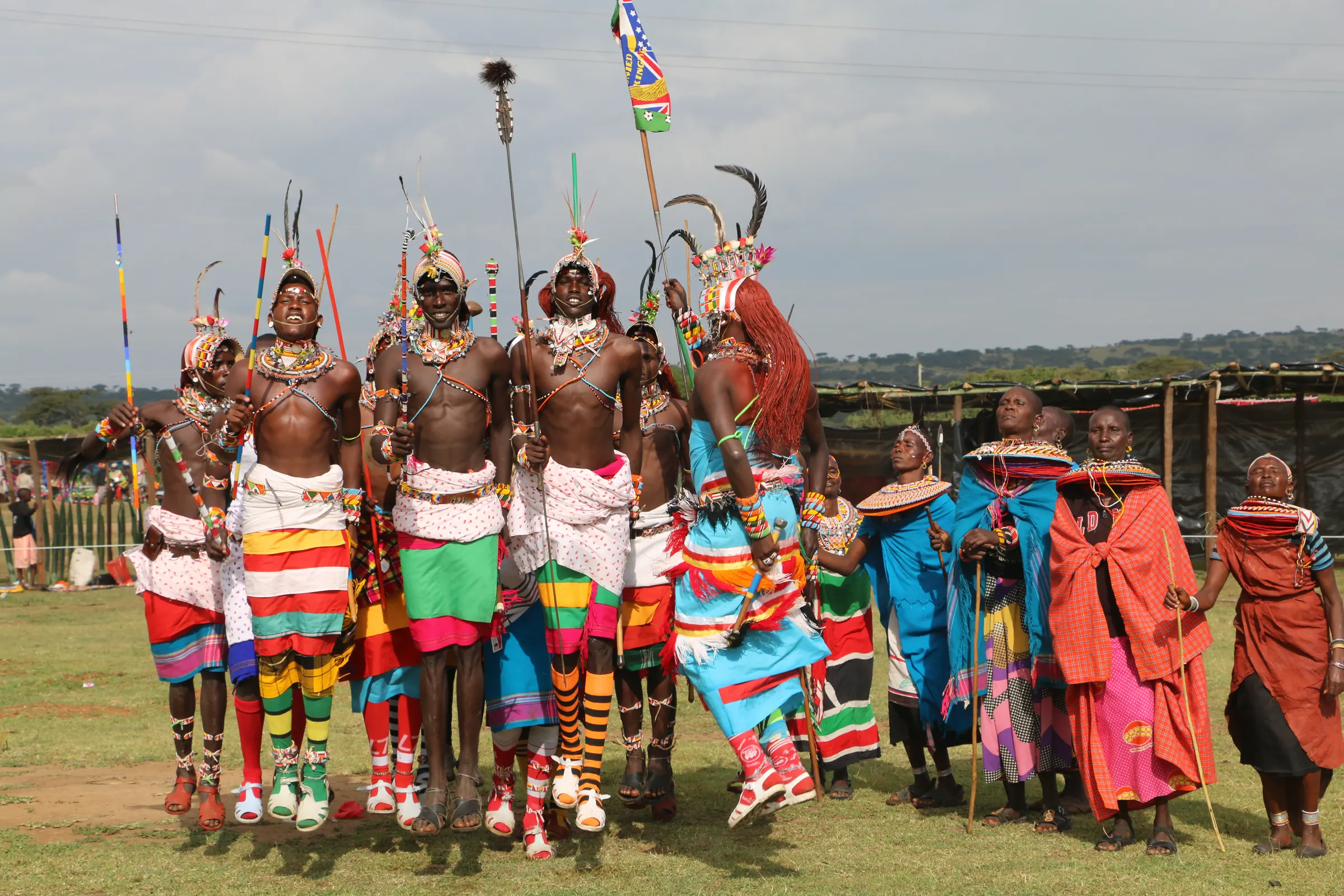
Samburu dancers in beads and headdresses

Where you stay

Naivasha and Nakuru have the most choice, from lakeside campsites to full-board lodges; our Naivasha and Nakuru stay guides list them. Lake Baringo has a handful of simple lodges and camps on the lake shore, good for birders. Nanyuki has town hotels and farm cottages, and Ol Pejeta has tented camps inside the conservancy. Samburu's camps sit on the Ewaso Ng'iro river, and our Samburu stay guide compares them. Amboseli has lodges inside the park and camps in the community land around it.

When to go

The driest and easiest months are late June to October and January to February. The long rains of April and May make the Baringo back road and the Samburu tracks hard work, and the short rains in November bring afternoon storms. Mount Kenya's peaks are clearest at dawn in the dry months, and Amboseli's Kilimanjaro views are best early and late in the day.
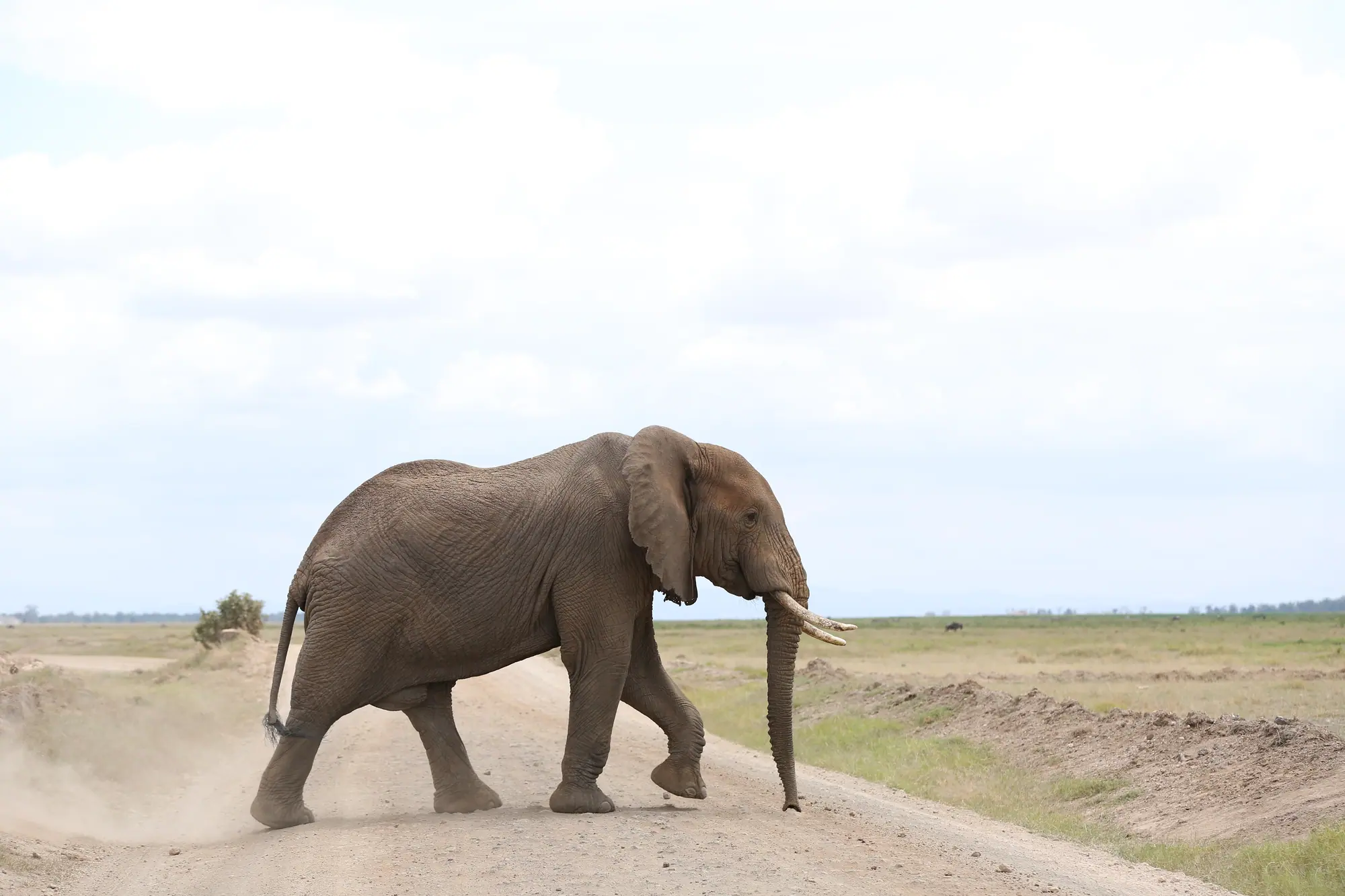
An elephant crossing a dusty track in Amboseli

What is included

  • A 4x4 with unlimited mileage, booked with a hire company we use, and a briefing on the route before you set off
  • Eleven nights in the places on the plan, in the tier you choose
  • Park and conservancy fees, booked in advance where possible
  • A route pack with distances, fuel stops and a phone number for every stay
  • Our 24-hour support line while you are on the road

What is not included

  • International flights, the Kenya eTA, the inbound health insurance and travel insurance
  • Fuel, unless you choose the driver-guide version
  • Meals where your stay is bed and breakfast only, drinks and tips
  • Your International Driving Permit, which you get from AAA before you travel
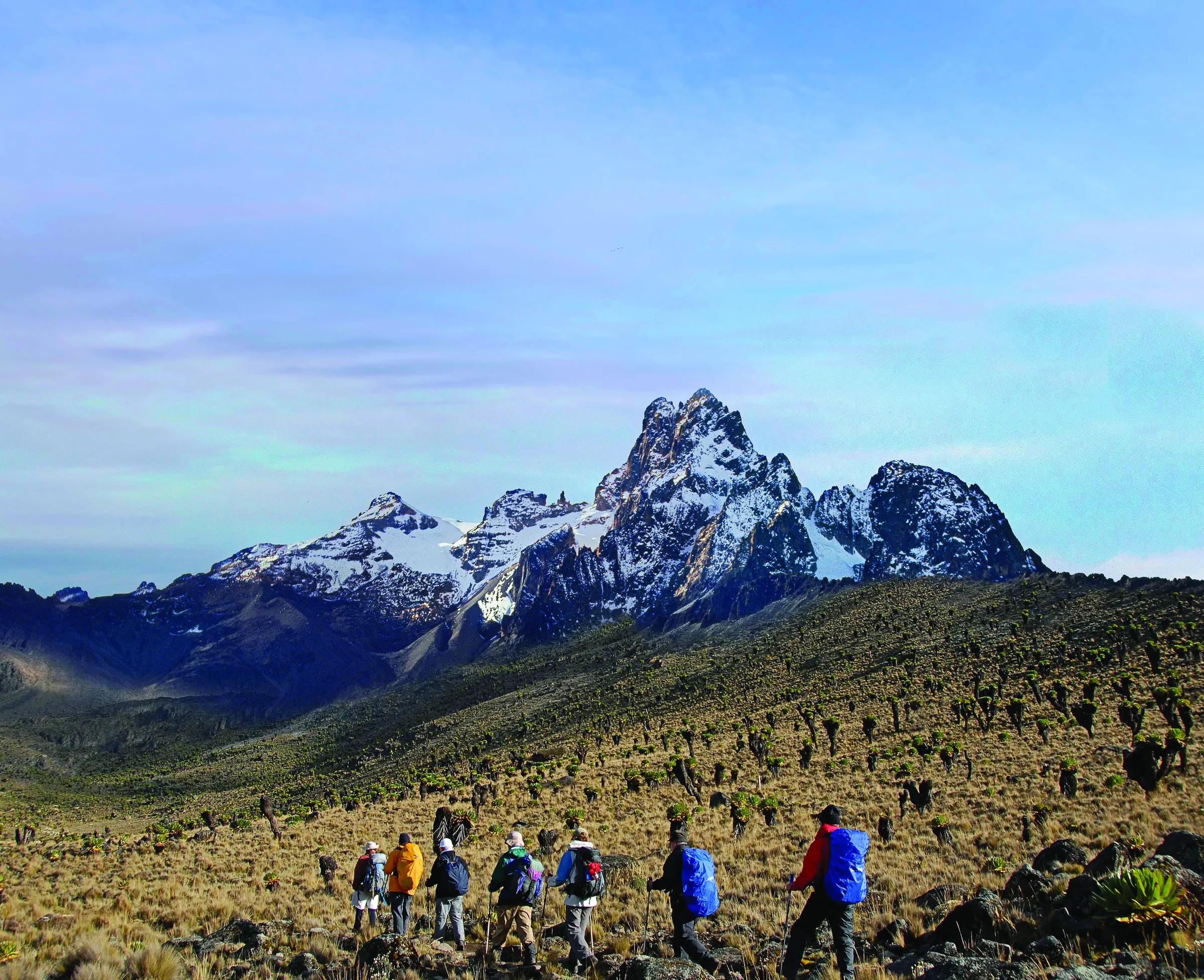
Trekkers crossing the moorland below Mount Kenya's peaks

How to book

Tell us your dates, whether you want to drive yourself or be driven, and how simple or comfortable you like your nights. We book the vehicle, the stays and the fees, and send a written quote with every line. Prices change with season and fees, so this page is a starting point. You can pay in full or monthly with no deposit.
Day by day

A sample route we tailor to you: dates, lodges, pace and budget all move to fit your trip.

  1. Day 1

    Arrive in Nairobi

    We meet you at JKIA, take you to your hotel and hand over the route pack. The vehicle is delivered next morning. Honest note: never take a hire car out of the airport after a long flight; Nairobi traffic is the hardest driving on the trip.

    Stay: Hotel in Nairobi

  2. Day 2

    Down the escarpment to Naivasha

    Collect the 4x4 at 8am and drive about 1.5 to 2 hours to Lake Naivasha, stopping at the Rift Valley viewpoint. Afternoon cycling in Hell's Gate, or a boat among the hippos and a walk on Crescent Island. Honest note: the Nairobi to Naivasha highway carries heavy trucks; take it slowly.

    Stay: Lodge or campsite at Lake Naivasha

  3. Day 3

    Lake Nakuru, then Lake Baringo

    Into Lake Nakuru National Park at 7am for rhinos and, when the water levels allow, flamingos. Out by lunch and north about 2.5 hours to Lake Baringo, with a detour to the Lake Bogoria hot springs if time allows. Honest note: the longest driving day of the first half.

    Stay: Lodge on Lake Baringo

  4. Day 4

    Baringo to Nanyuki

    A dawn boat ride for Baringo's birds, then up to Nyahururu and Thomson's Falls and east to Nanyuki, about 5 to 6 hours with stops. Honest note: the climb out of the valley can be muddy after rain; we check the road with the lodge the night before.

    Stay: Tented camp in Ol Pejeta or a Nanyuki farm stay

  5. Day 5

    Ol Pejeta

    A full day in Ol Pejeta: the last northern white rhinos at their enclosure, the chimpanzee sanctuary and open plains under Mount Kenya. Honest note: Ol Pejeta's tracks are well signed, which makes it the easiest self-drive park on the loop.

    Stay: Tented camp in Ol Pejeta or a Nanyuki farm stay

  6. Day 6

    North to Samburu

    About 2.5 to 3 hours through Isiolo to Archer's Post. Fill the tank, pick up a local guide at the gate and drive in for the afternoon. Honest note: the drop from the cool highlands to the hot north is sudden; carry plenty of water.

    Stay: Camp on the Ewaso Ng'iro river

  7. Day 7

    Samburu and Buffalo Springs

    Dawn and dusk drives for reticulated giraffe, Grevy's zebra, gerenuk and elephants at the river, with the hot middle of the day in camp. Honest note: the sand is soft in places; lower tyre pressure only if your guide says so.

    Stay: Camp on the Ewaso Ng'iro river

  8. Day 8

    Mount Kenya's east side

    South through Meru town to the green, wetter east side of the mountain, about 3 to 4 hours. An afternoon walk among the farms and forest edge. Honest note: this is the rest day of the loop; do the laundry.

    Stay: Lodge or guest house near Chogoria or Meru

  9. Day 9

    Back to Nairobi

    About 3.5 to 4 hours via Embu to Nairobi. Afternoon at the Sheldrick Wildlife Trust or Karen, and a proper city dinner. Honest note: we split the drive from the mountain to Amboseli here because doing it in one day would break our 300 km rule.

    Stay: Hotel in Nairobi

  10. Days 10 to 11

    Amboseli

    Leave at 7am, about 4 to 5 hours to Amboseli. Two nights for elephant families on the swamps and Kilimanjaro at dawn and dusk. Honest note: the mountain hides in cloud most middays; be out early.

    Stay: Lodge or camp in or near Amboseli

  11. Day 12

    Amboseli to Nairobi, fly home

    A last dawn drive, then about 4 to 5 hours back to Nairobi and the vehicle handover near the airport before your evening flight. Honest note: we schedule the handover with at least 4 hours to spare.

    Stay: Overnight flight home

What it costs

Per person sharing, before international flights. Pay in full or monthly with no deposit.
  • Self-drive

    From $2,200

    Two sharing a 4x4, simple lodges, bandas and some campsites, park fees included, fuel extra

    Get a quote
  • With a driver-guide

    From $3,600

    The same loop in a safari vehicle with a professional Kenyan driver-guide and full-board camps

    Get a quote

Karibu Kenya. Why Kenya, and why us

  • Everything in one trip

    The great safari parks, the Indian Ocean coast, mountains, lakes and more than forty cultures, all in one country.

  • Conservation that works

    Community conservancies and rhino sanctuaries where tourism pays for wildlife and the people who live beside it.

  • Easy from the U.S.

    Apply for the eTA online and fly nonstop from New York to Nairobi, or one stop from most U.S. cities.

  • Planned by Kenyans

    Kenyan guides and hosts, two U.S. companies behind you, and the option to pay monthly with no deposit.

Common questions

Can tourists self-drive in Kenya?

Yes. Carry your U.S. licence and an International Driving Permit, drive on the left and expect police checkpoints. Self-drive is allowed in the national parks on this loop, with rules: stay on the tracks and be out by dark.

Do I need a 4x4 for a Kenya road trip?

For this loop, yes. Most of it is tarmac, but the Baringo back road after rain, the sand in Samburu and Amboseli's corrugated tracks need high clearance and four-wheel drive. Hire from about $100 to $180 a day.

How much does a Kenya road trip cost?

Our 12-day loop starts at about $2,200 per person for two sharing a self-drive 4x4 with simple stays, park fees included and fuel extra. With a driver-guide and full-board camps it starts at about $3,600. International flights are extra.

Is it safe to drive in Kenya?

Road safety is the biggest everyday risk in Kenya, mostly from speed, trucks and night driving. Drive in daylight only, keep to the speed limits, fill up in the bigger towns and keep your documents ready at checkpoints. Many first-timers choose a driver, and we think that is wise.

Can I take a hire car into the Maasai Mara?

Some companies allow it, but we leave the Mara off this loop: the road beyond Narok is rough, and the reserve is best with a guide who knows where the cats are. Our Mara routes use a driver-guide or a flight.

More itineraries

All itineraries