Comparisons. Updated November 2026. 5 min read.
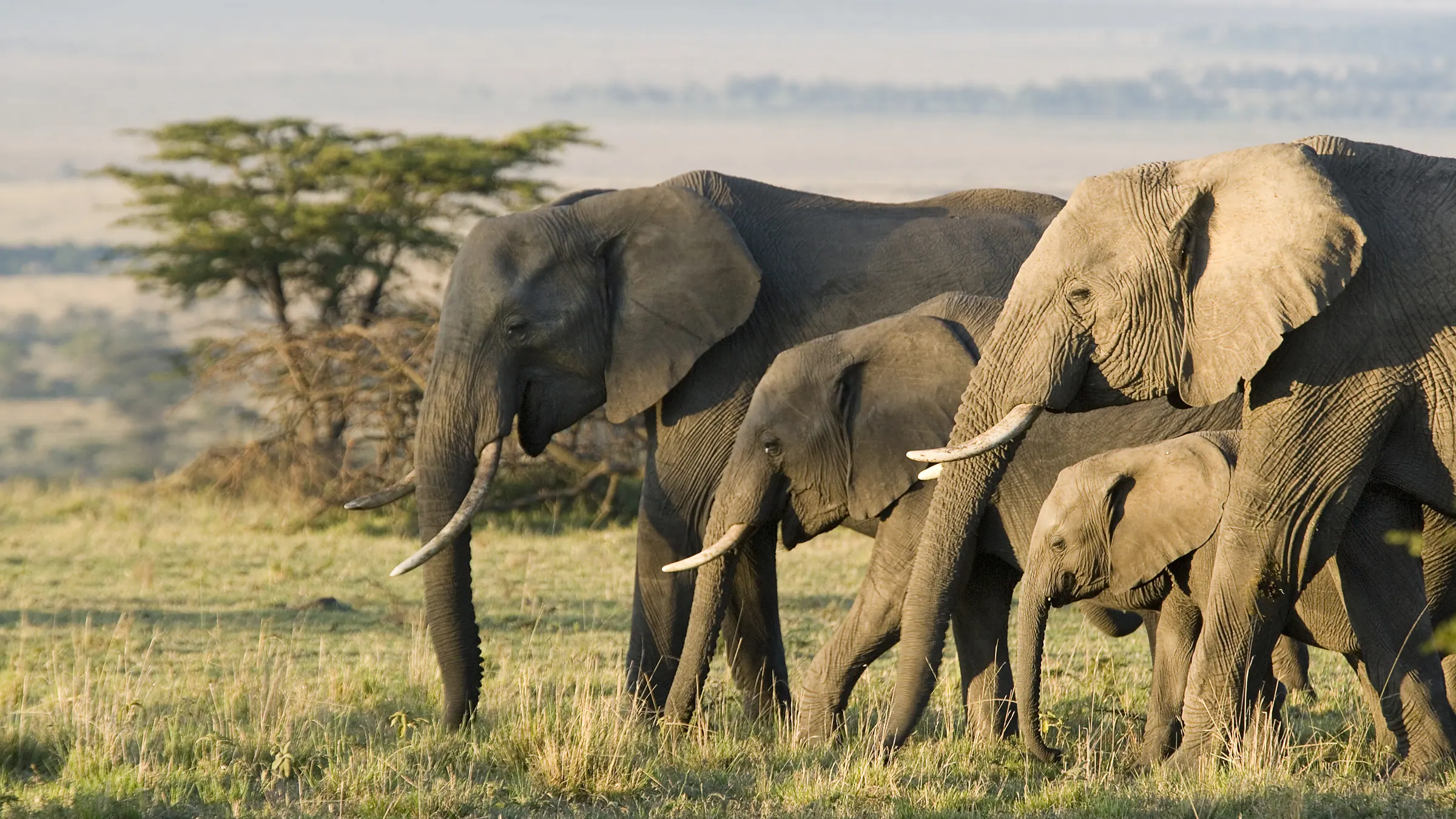
Nairobi is the capital at altitude: museums, the best restaurants in East Africa, giraffes and baby elephants on the edge of town, and a national park with lions inside the city limits, all in a mild climate with cool evenings. Mombasa is the old port on the Indian Ocean: a Swahili Old Town, Fort Jesus, the call to prayer over carved doors, biryani and grilled fish, heat and humidity, and beaches a short drive north or south. Our verdict by traveler type: wildlife lovers, first-timers and food lovers should give their city days to Nairobi; history lovers and anyone heading for the beach should give them to Mombasa. With four days, do two in each and take the train between them.
Both cities have full guides on this site, our Nairobi and Mombasa destination pages and where to stay guides for each. This page is the choice between them.
Nairobi and Mombasa side by side
| Factor | Nairobi | Mombasa |
|---|---|---|
| Main draws | Nairobi National Park, the elephant orphanage, the Giraffe Centre, museums, restaurants | Old Town, Fort Jesus, Swahili food, the harbor and dhows, nearby beaches |
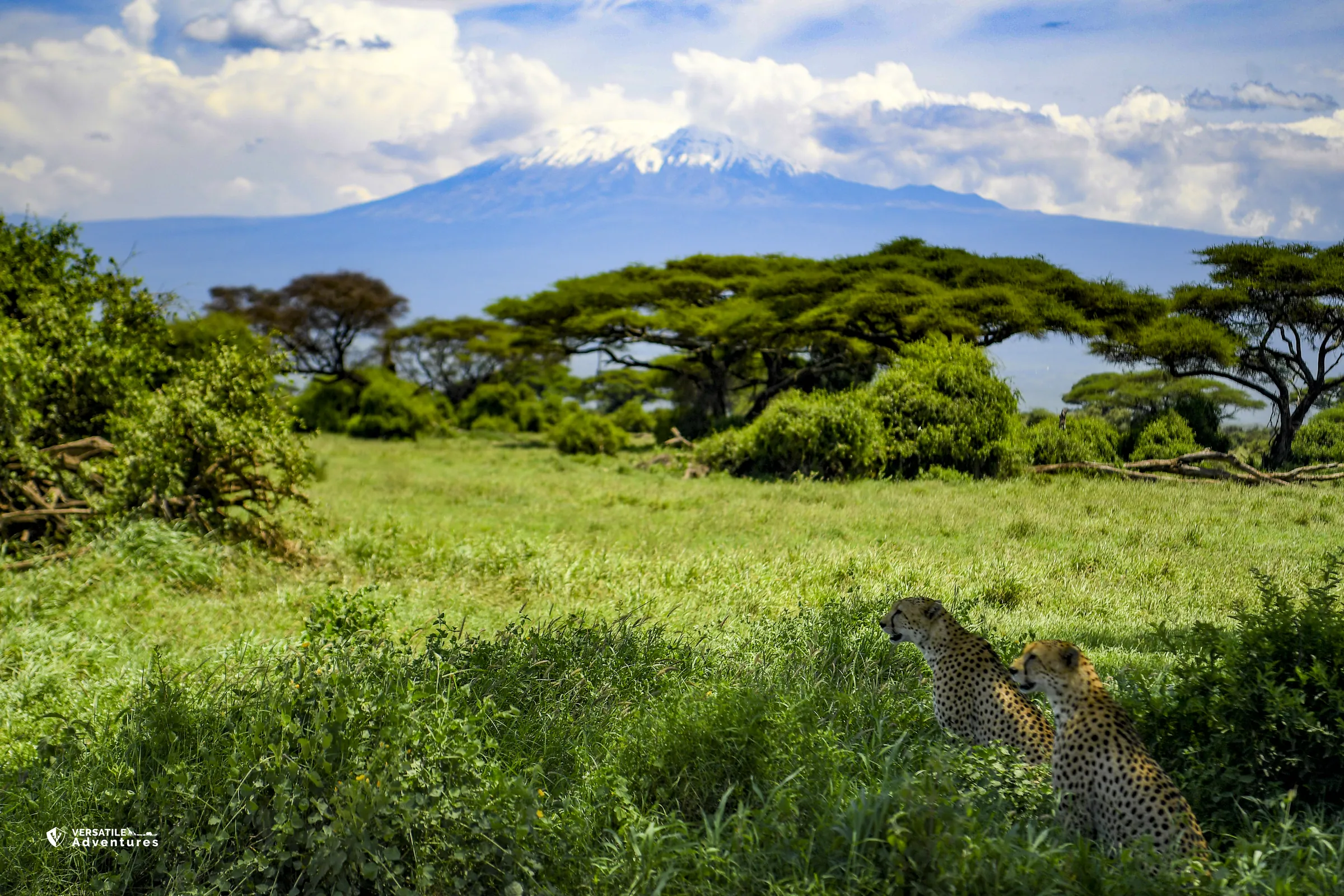
| Wildlife | Lions, rhinos and giraffes in a national park inside the city | Haller Park on the north coast; the Shimba Hills and Tsavo East within reach |
| History | The National Museum, the Karen Blixen Museum, the colonial and independence story | Centuries of Swahili, Portuguese and Omani history in the Old Town and the fort |
| Food | The widest choice: nyama choma, Ethiopian, Indian, modern Kenyan | Swahili coast cooking: pilau, biryani, coconut curries, mahamri, street snacks |
| Climate | About 1,795 m up; warm days, cool nights, coolest in July | Sea level; hot and humid most of the year, hottest from January to March |
| Getting around | Uber and Bolt; heavy traffic at rush hour; the Expressway to the airport | Tuk-tuks, Uber and Bolt; the Likoni ferry to the south coast |
| Beach | None | Nyali and Bamburi on the north side of the city; Diani about 1 to 2 hours south |
| Best for | First-timers before a safari, families, food lovers, business travelers | History lovers, a stop on the way to Diani or Watamu, train travelers |
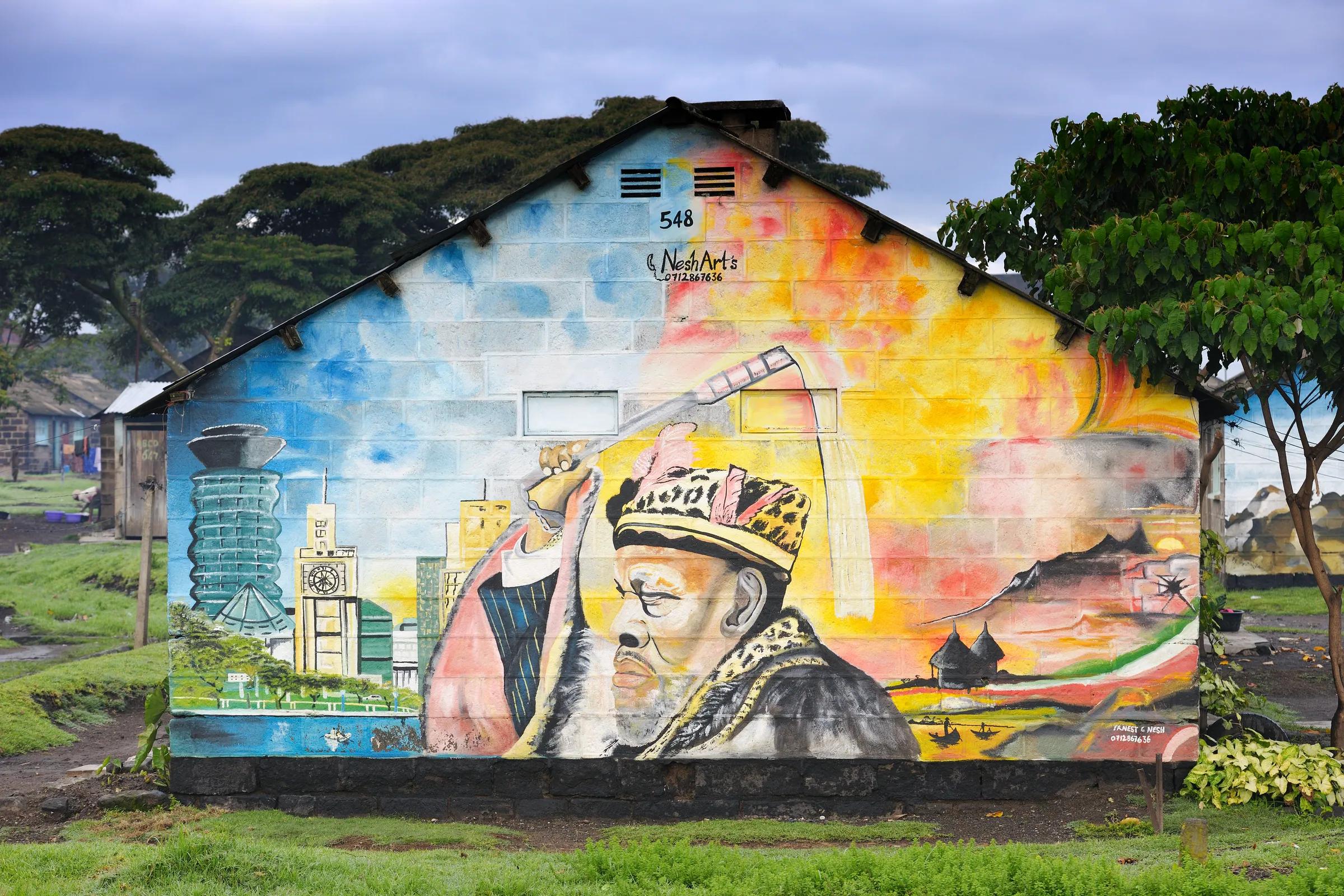
Two days in Nairobi
- Nairobi National Park at dawn, with the city skyline behind the lions; the park fee is $80 per non-resident adult at the time of writing
- The Sheldrick Wildlife Trust elephant nursery for its public hour at 11am, booked ahead
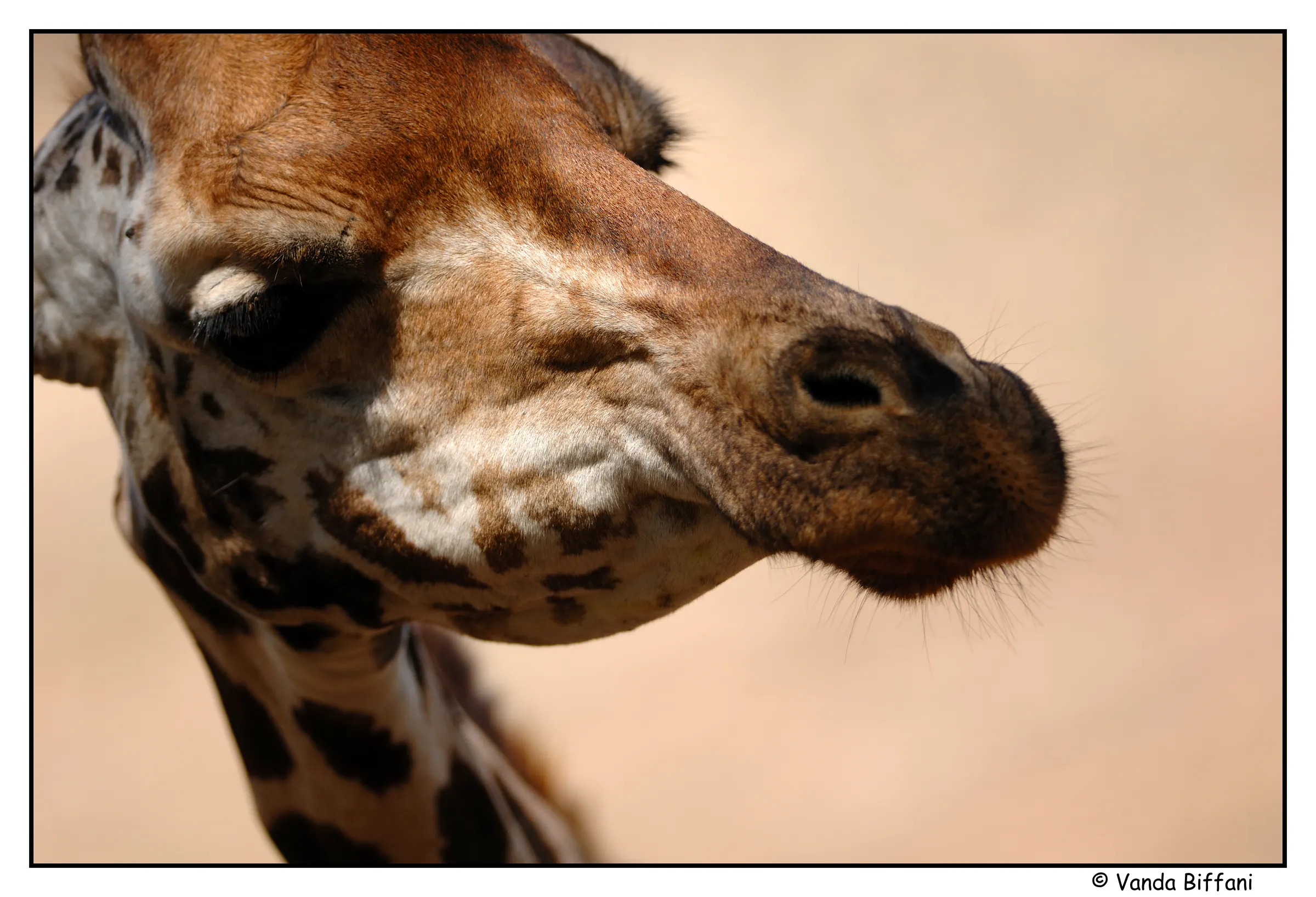
- The Giraffe Centre in Langata, to meet the Rothschild's giraffes eye to eye from a raised platform
- The Karen Blixen Museum, the farmhouse of the author of Out of Africa
- The Nairobi National Museum on Museum Hill, for Kenya's story from the earliest humans to independence
- Karura Forest for a walk or a bike ride among trees and waterfalls, a short drive from Westlands
- Dinner in Westlands or Kilimani, or a nyama choma afternoon the way Nairobians spend a Sunday
Nairobi is also where almost every safari starts, so a night or two here costs you nothing in extra flights. Its weakness is traffic: plan your day around one area, Karen and Langata or the city and Westlands, rather than crossing town twice.
Two days in Mombasa
- A morning walk through Old Town with a local guide: the narrow lanes, the carved doors and balconies, the Old Port and the spice market
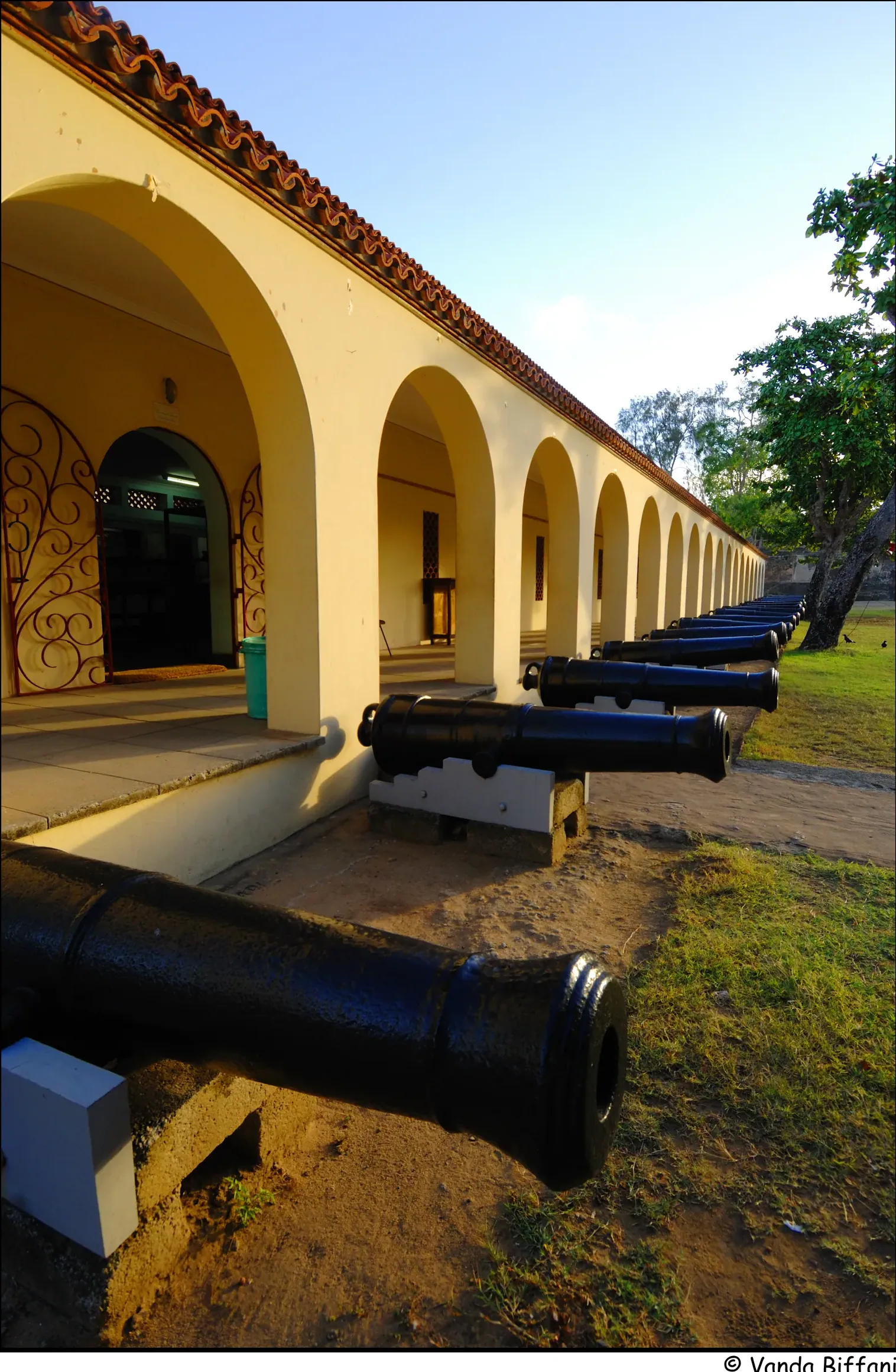
- Fort Jesus, the Portuguese fort of the 1590s and a UNESCO World Heritage Site, with its museum
- Swahili food: a biryani or pilau lunch in Old Town, and mahamri and spiced tea in the late afternoon
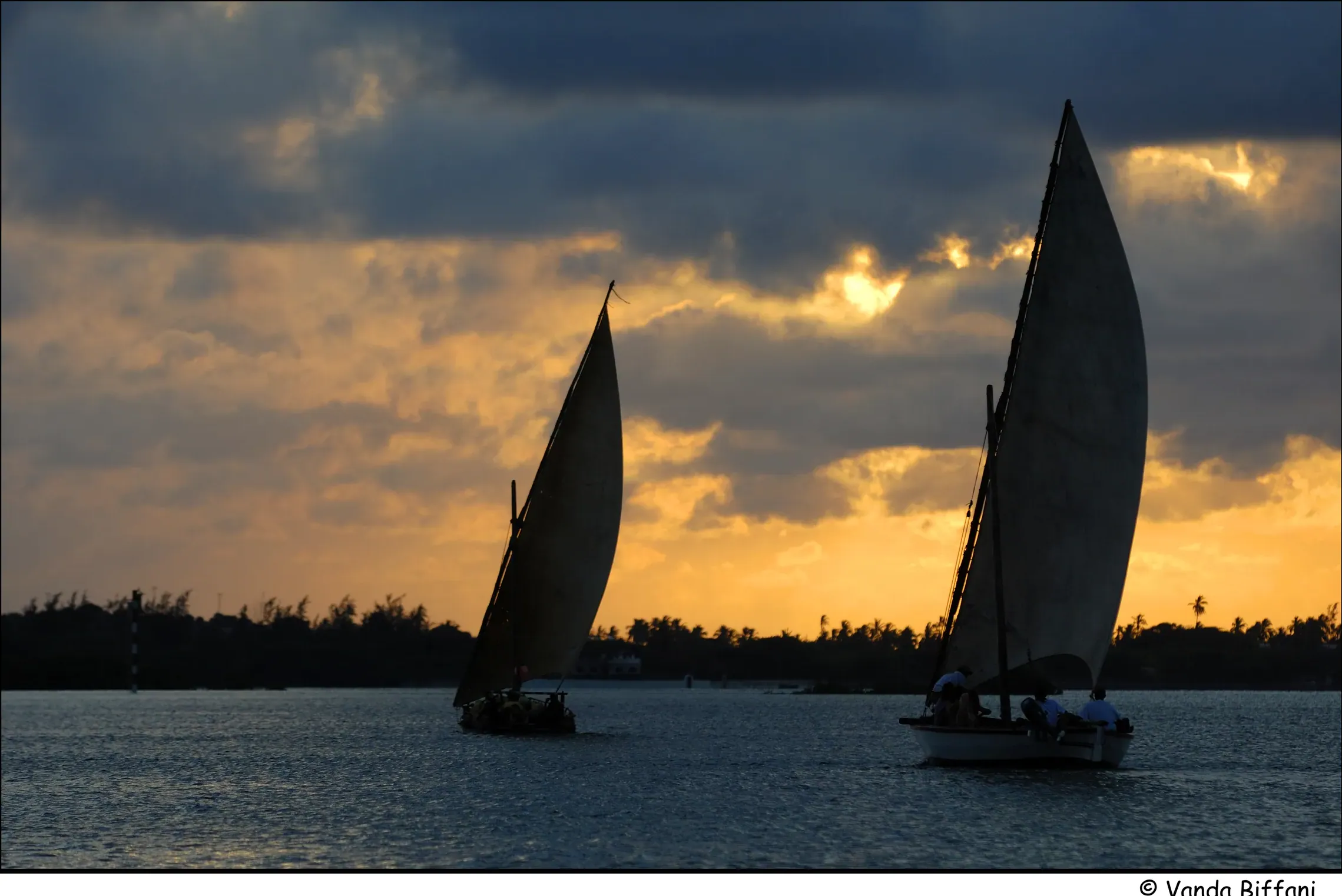
- A dhow sunset cruise from the harbor
- Haller Park, a former quarry turned nature park, on the north coast
- An afternoon on the beach at Nyali or Bamburi, or onward over the Likoni ferry to Diani
Mombasa's weakness is the heat. Do the Old Town early or late, rest in the middle of the day, and dress modestly in the old city, which is largely Muslim: shoulders and knees covered. After dark, take a car between Old Town and your hotel.
Getting between them
The Madaraka Express is the best way to see the country between the two cities. The morning inter-county train leaves Nairobi Terminus at Syokimau at about 8:20am and takes around 5 hours 40 minutes, stopping at Voi for Tsavo; the afternoon express leaves at about 3pm and takes about 5 hours. At the time of writing, economy is KSh 1,000 and first class KSh 3,000, with half fares for children aged 3 to 11, and you book on the Kenya Railways site or app at least a day ahead. Mombasa's Miritini terminus is about 30 to 45 minutes from the island. You often see elephants from the window in Tsavo. Flights take about an hour, and there are many a day.
Who should choose which
- First-timers on the way to a safari: Nairobi, because you pass through it anyway and its animals make a gentle first day
- Families with young children: Nairobi for the giraffes and the elephant orphans, or Mombasa if the beach is the priority
- History lovers: Mombasa, for the Old Town and Fort Jesus, then Nairobi's museums if there is time
- Food lovers: both, for very different reasons; Nairobi for range, Mombasa for Swahili cooking
- Business travelers: Nairobi, the regional hub, with Mombasa as a weekend escape
- Kenyans abroad bringing family home: both, with the train between them as part of the trip
Our advice
Do not choose if you do not have to. Spend a night or two in Nairobi before your safari, then end the trip with a night in Mombasa's Old Town on the way to the beach at Diani or Watamu. If you want the journey to be part of the holiday, our Kenya by train route links the two cities with a stop in Tsavo East. If you have only one city night, spend it in Nairobi, near the animals and the airport.
Why plan with us: Kenya Experience is Kenyan-led, with two U.S. companies behind it, GCK Travel and Roundtrip Safaris, and Kenyan guides on the ground. You can pay in full or monthly with no deposit, and a specialist replies within two business days.