Who travels. Updated November 2026. 6 min read.
A wheelchair user can do a Kenyan safari. Not every camp, and not every vehicle, but enough of both, if you book the right ones. Most game viewing happens from the vehicle, so the wildlife is as close for a wheelchair user as for anyone; what decides the trip is the room you sleep in, the vehicle you ride in and how you get between them.
Our accessible travel page covers the basics of traveling in Kenya with reduced mobility. This page goes further, for wheelchair users and the people planning with them: lodges where rooms have been measured, the vehicle and flight questions, the parks that work best and the exact questions to ask before you pay. Accessibility changes as lodges renovate, so treat the details below as a starting point and ask for current photos and measurements, as we do.
Lodges with measured accessible rooms
The most detailed public account of wheelchair-accessible rooms on a Kenya safari comes from John Morris of Wheelchair Travel, who traveled the circuit in a power wheelchair and published measurements in 2019. These are the properties he described. Lodges that will quote you bed heights and shower details, as these did, are the ones to trust.
| Property | Where | What was reported in 2019 |
|---|---|---|
| Southern Sun Mayfair | Nairobi, Westlands | Accessible room close to the lobby; roll-in shower with handheld head and controls within reach of a seat; bathtub too |
| Flamingo Hill Camp | Lake Nakuru National Park | Tent on a cement platform reached by a ramp; beds 22 inches high with 13 inches clear beneath; roll-in shower without grab bars, fixed overhead shower head, no shower chair supplied |
| Lake Naivasha Sopa | Lake Naivasha | Two ground-floor accessible rooms of 84; beds 24 inches, no clearance beneath; roll-in shower with handheld spray and grab bar, no seat; sink low for a power chair |
| Great Rift Valley Lodge | Above Lake Naivasha | Cabin 1012: king bed 23 inches high, legs can be raised for a patient lift; level patio entry; roll-in shower with fold-down seat, grab bars and handheld head. His top pick |
| Ashnil Mara Camp | Maasai Mara National Reserve | Tent 22: beds 26.5 inches high with nearly a foot clear beneath; roll-in shower and toilet with grab bars; no handheld shower head |
| Sarova Mara Game Camp | Maasai Mara, near the Sekenani gate | Two accessible tents with level entry and laminate floors; grab bars at toilet and roll-in shower; no handheld head or built-in seat |
In Tsavo East, Satao Camp is also noted as accessible; our Tsavo where-to-stay guide has more. In general, larger lodges with paved paths and ground-floor rooms are easier than small tented camps, where tents sit on raised decks with steps and paths are sand or gravel. Some conservancy camps can build a temporary ramp with notice; ask.
Vehicles
Most safaris run in Toyota Land Cruisers or minivans with pop-up roofs. They have a high step and no ramp, so a wheelchair user transfers into a seat, with help, and the chair travels folded in the back or on the roof rack. A few operators in Kenya run vehicles fitted with a hydraulic lift or ramp, so you can stay in your own chair; there are not many, so ask early, and confirm the lift's weight limit and the vehicle's tie-downs. A private vehicle is worth the cost: it lets you stop when you need to, choose your seat and keep a shower chair and other equipment with you for the whole trip.
Flights and airports
At JKIA, request wheelchair assistance through your airline when you book, and confirm it 48 hours before you fly. Light aircraft to the Mara and other parks leave from Wilson Airport, and they are small planes with steps and narrow doors, so a wheelchair user is lifted or helped into the cabin by the crew and ground staff, and the chair goes in the hold. Tell the airline at booking, give them your chair's folded size and weight, and ask whether medical equipment can travel on top of the soft-bag luggage limit of about 15 kg per person. Our Wilson Airport guide explains the terminal and the planes. If flying is not right for you, the road to the Mara takes five to six hours, much of it on tarmac, with a rough final stretch.
Nairobi
In Nairobi, UberASSIST offers drivers trained to help riders with disabilities and vehicles that can carry a folding wheelchair; availability varies, so book a driver through your hotel or us for important journeys. Pavements are uneven or missing in much of the city, so plan door-to-door rides. The Giraffe Centre and the Sheldrick Wildlife Trust's elephant orphans in Karen and Langata are both good half-day visits; ask about the paths when you book.
The parks that work best
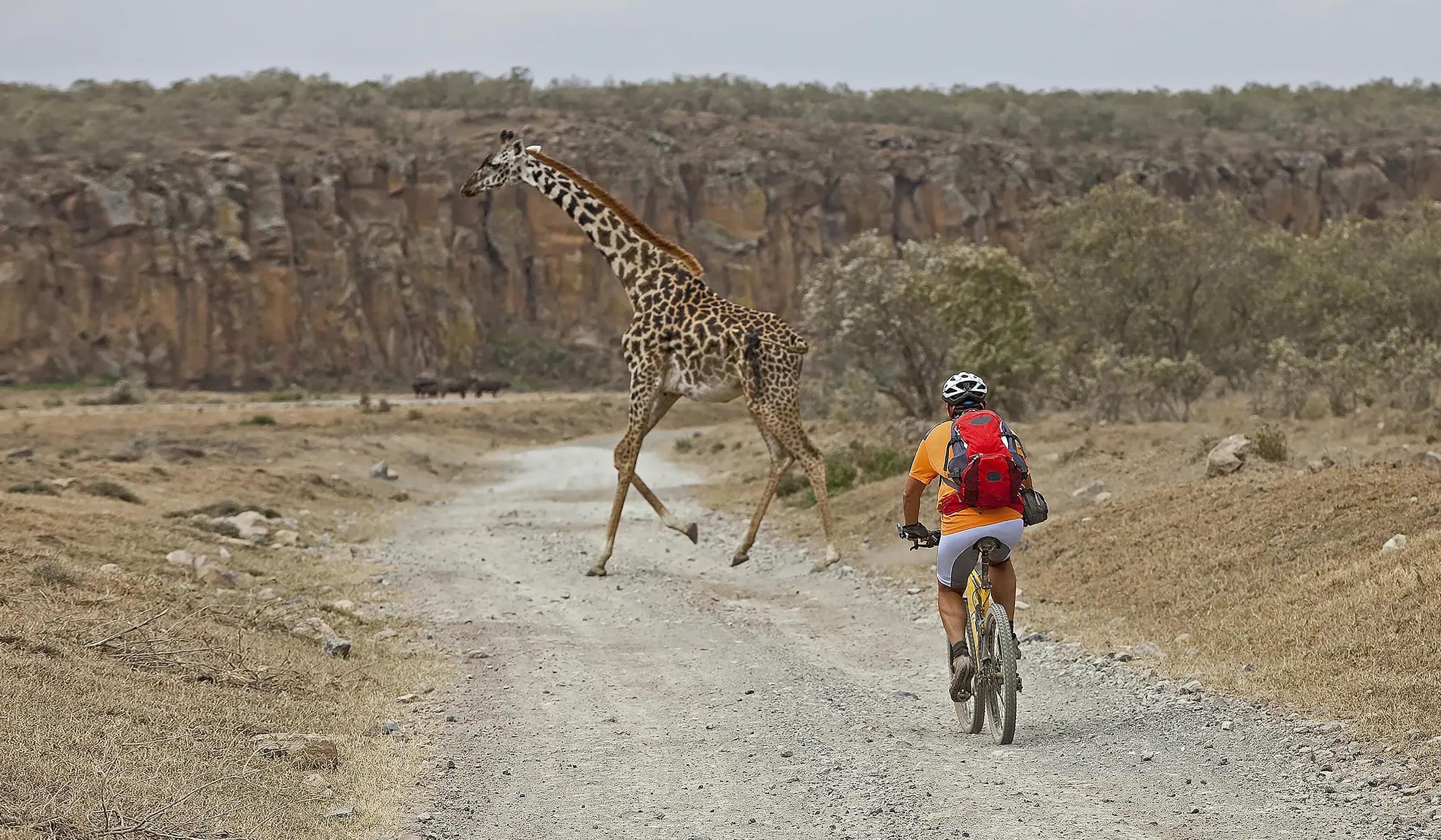
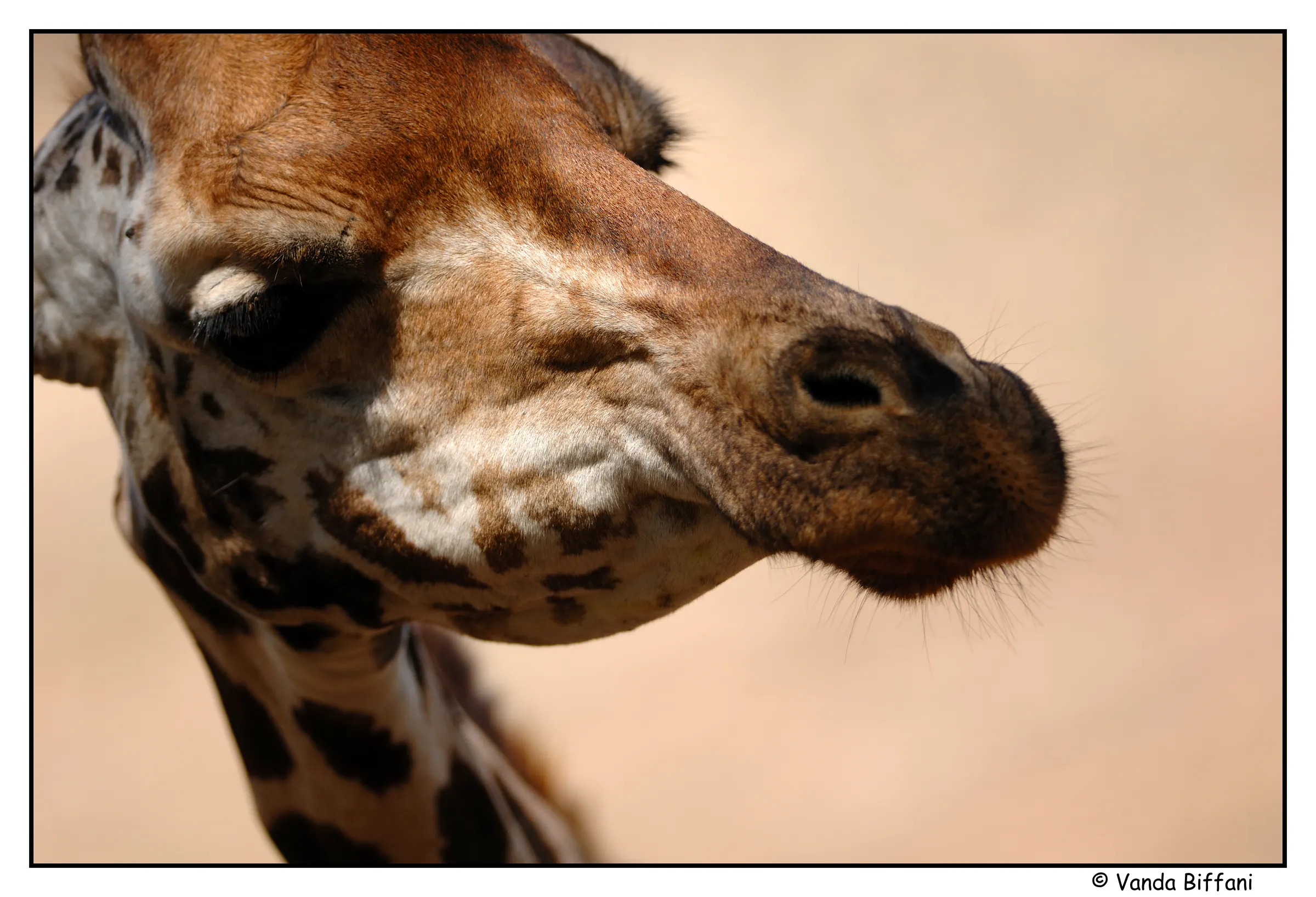
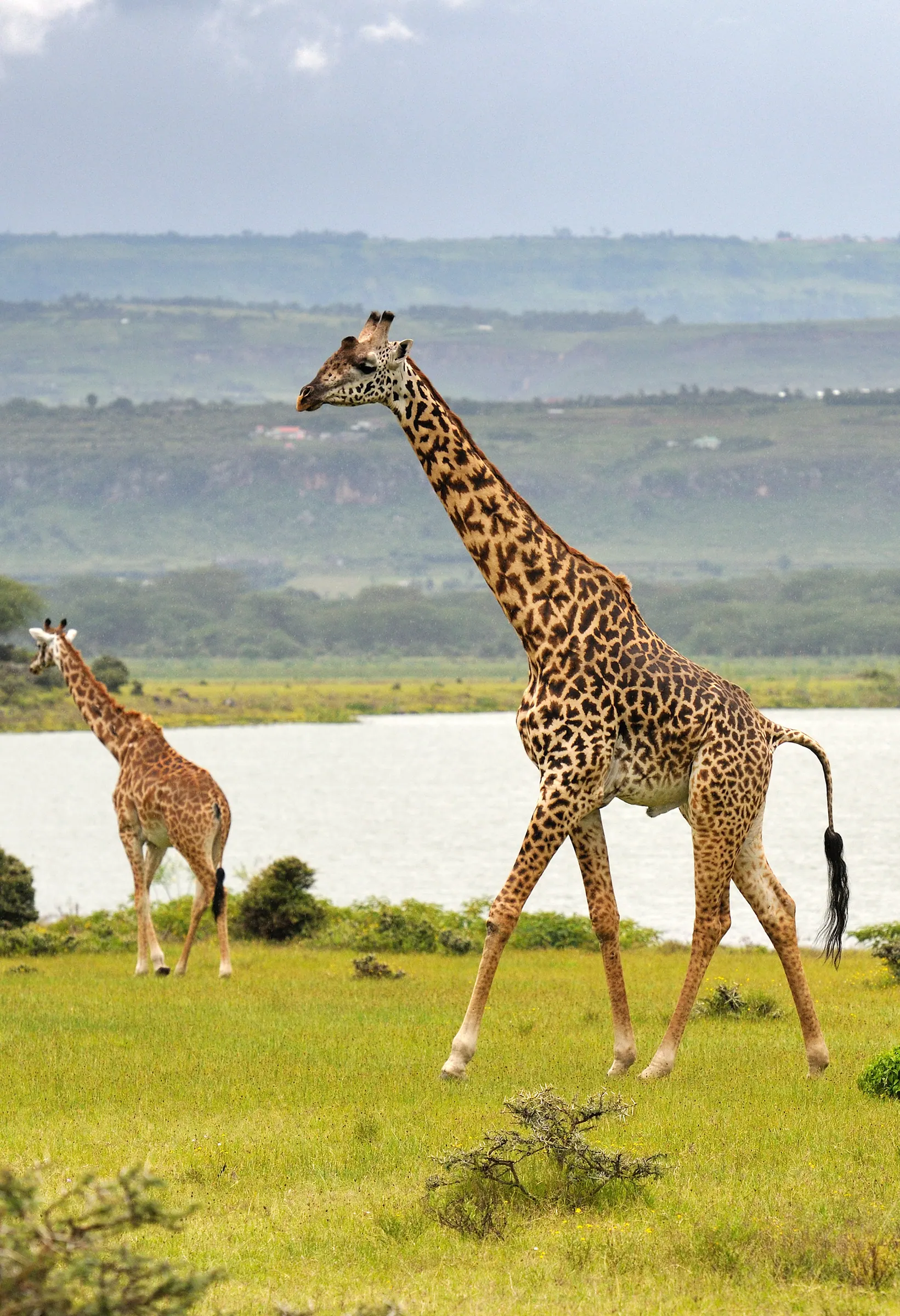
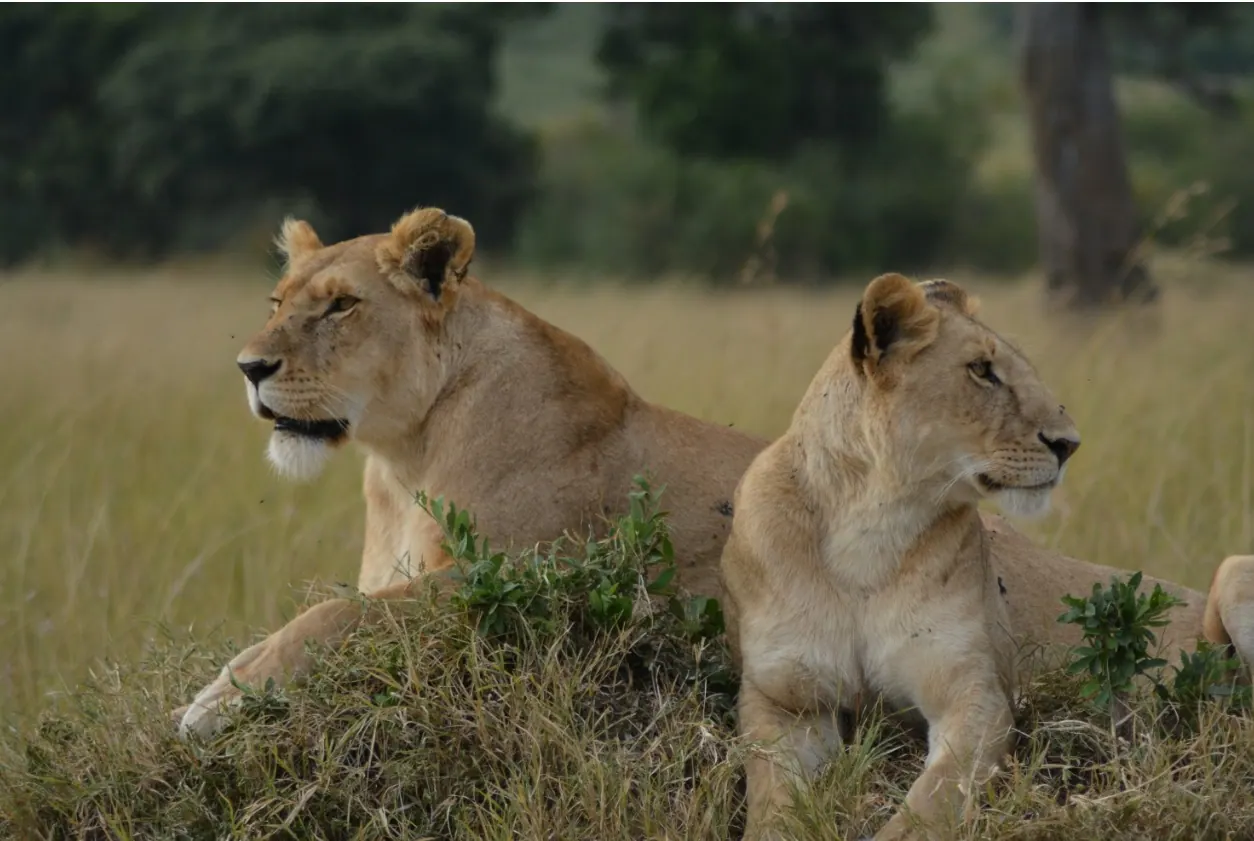
- Nairobi National Park: good roads, short drives from the city, lions, rhinos and giraffes, and you sleep in a Nairobi hotel with a proper accessible room
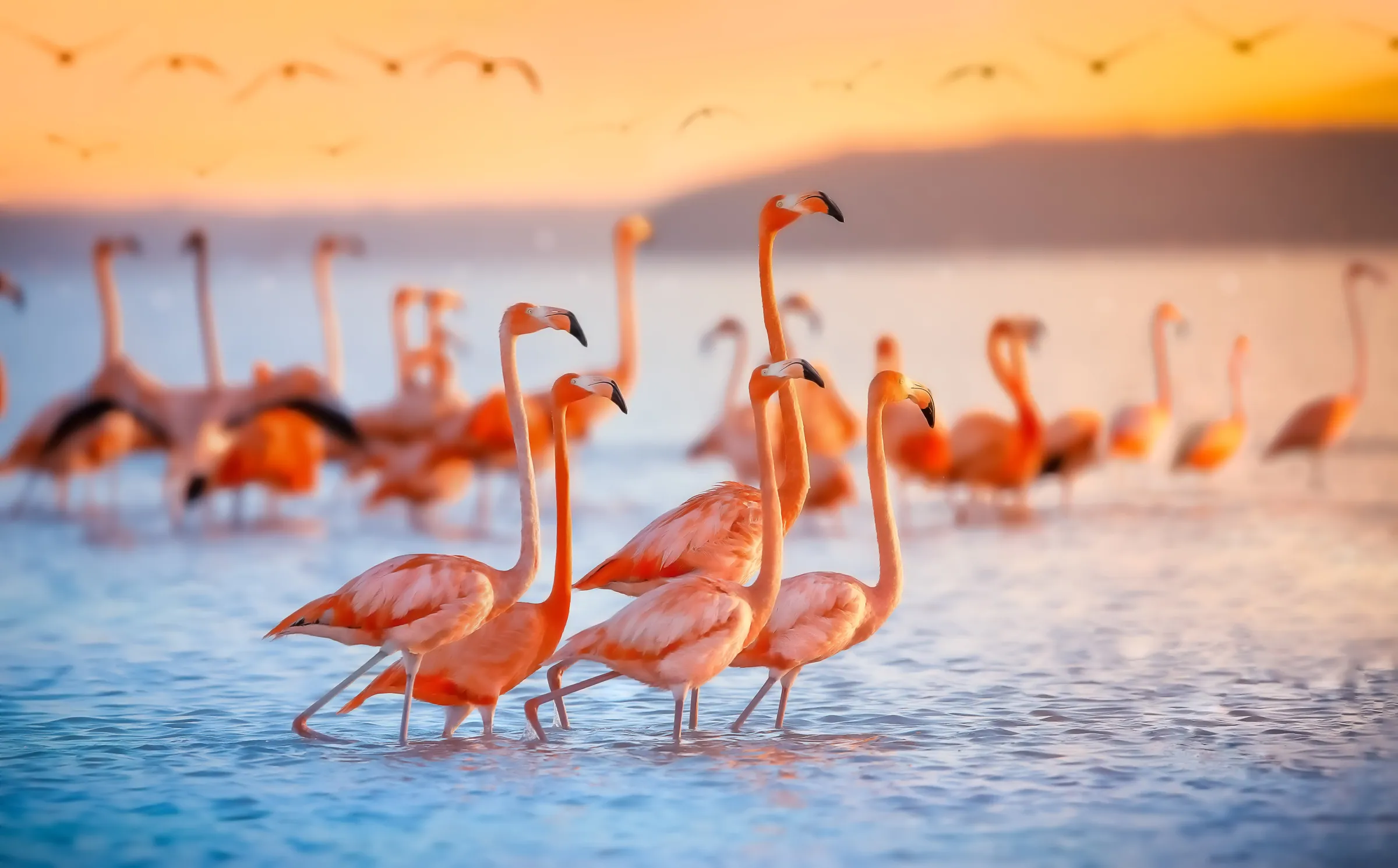
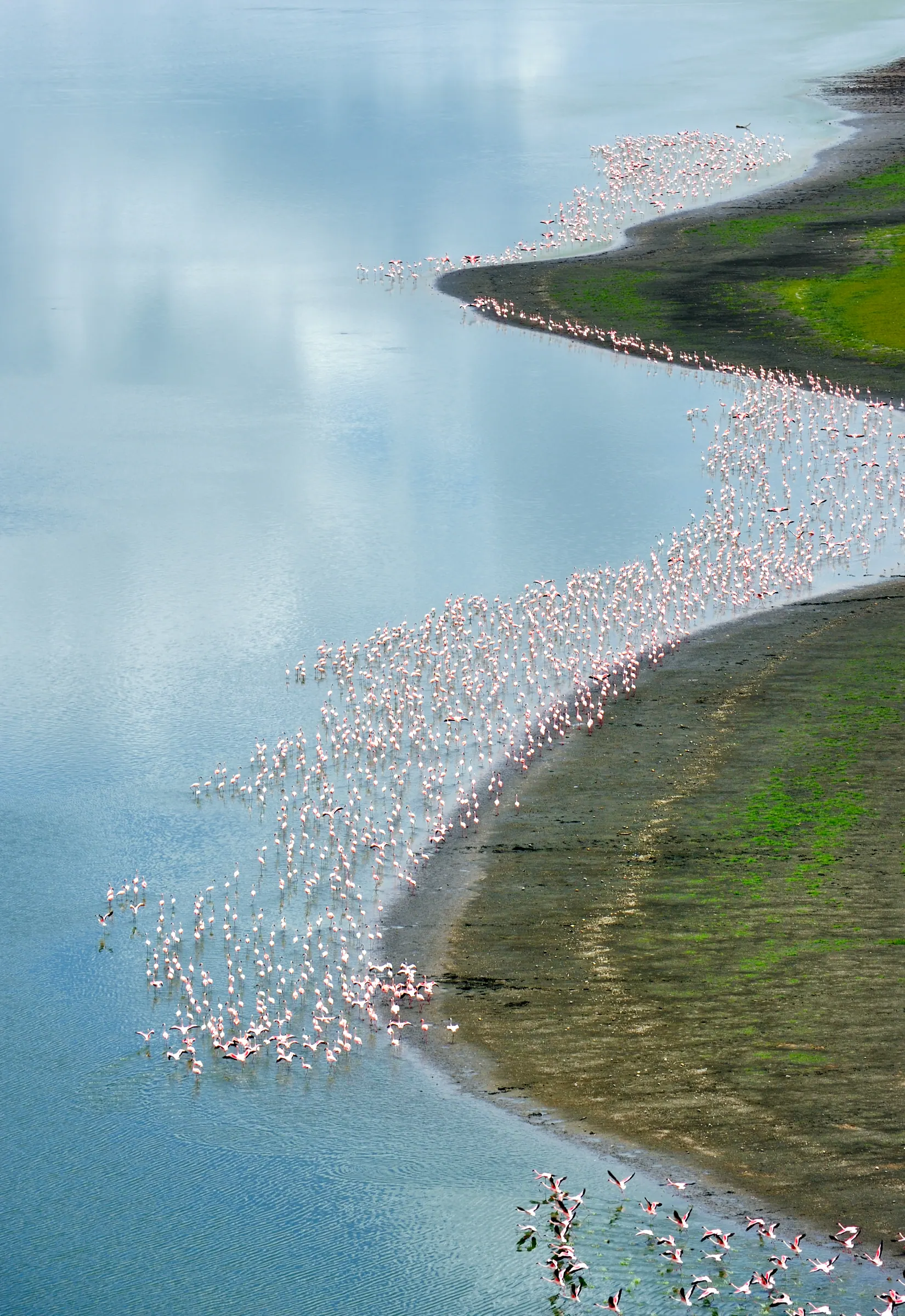
- Lake Nakuru: compact, with good tracks, rhinos, flamingos when the lake suits them, and lodges close to the game
- The Maasai Mara: the big cats and the migration, and two reserve camps with reported accessible tents; the reserve's tracks are rough, so plan shorter drives and rest in the middle of the day
- Lake Naivasha: a boat safari among the hippos, if the jetty and boat can be managed with help, and the most measured rooms of any area
- Amboseli: flat, with elephants and Kilimanjaro views, but very dusty in the dry months, which matters for some equipment
What to ask before you book
- The bed height to the top of the mattress, and the clearance beneath for a hoist
- The shower: roll-in or with a lip, a fixed seat or room for a chair, a handheld head, grab bars
- Door widths for the room and the bathroom, and whether there are any steps at all
- The surface and distance of the path from the room to the dining area, the lounge and the vehicle
- Generator hours, and whether there is an inverter or battery system overnight for a CPAP machine, a power chair or other medical equipment
- The vehicle: transfer seat height, lift or ramp, weight limit and where the chair will travel
- Medical support: the nearest clinic, and the evacuation plan
Other disabilities and medical needs
Kenya can also work well for travelers who are blind or have low vision, who are deaf or hard of hearing, or who need oxygen, dialysis or a special diet, with planning. A private guide can describe a sighting, a deaf traveler's guide can agree signals and use written notes, and Nairobi's private hospitals can advise on medical needs. Tell us what you need, and bring prescriptions in their original packaging, with a doctor's letter. Older travelers with limited mobility will find more in our safari for seniors guide.
Our commitments
Before we book any room for a wheelchair user, we ask the lodge for current measurements and photos and share them with you. We plan a private vehicle, routes with shorter drives or flights, and days with rest built in. We brief your guide and the camps in advance, and our 24-hour line is with you throughout. If a trip will not work, we will say so plainly and suggest one that will. Tell us about your chair, your equipment and how you like to travel, and a specialist replies within two business days.