Wildlife. Updated November 2026. 3 min read.
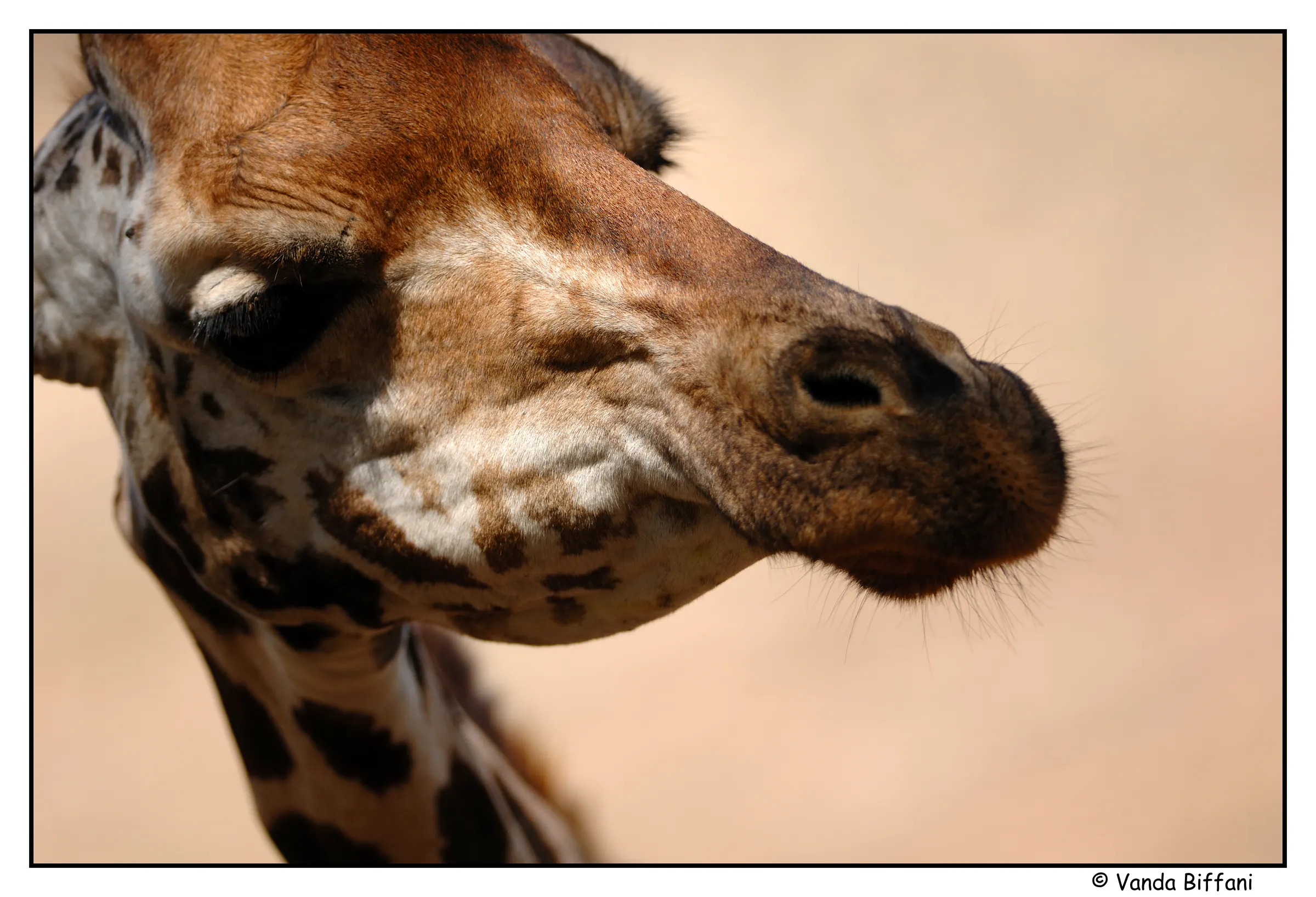
Reticulated giraffes in Shaba: a northern stronghold. Lava hills, springs and Joy Adamson's last camp: the quietest of the three Samburu reserves. The giraffe of the dry north, with a coat of large rust polygons separated by crisp white lines; herds browse the acacia along the rivers.
Where to find reticulated giraffes in Shaba
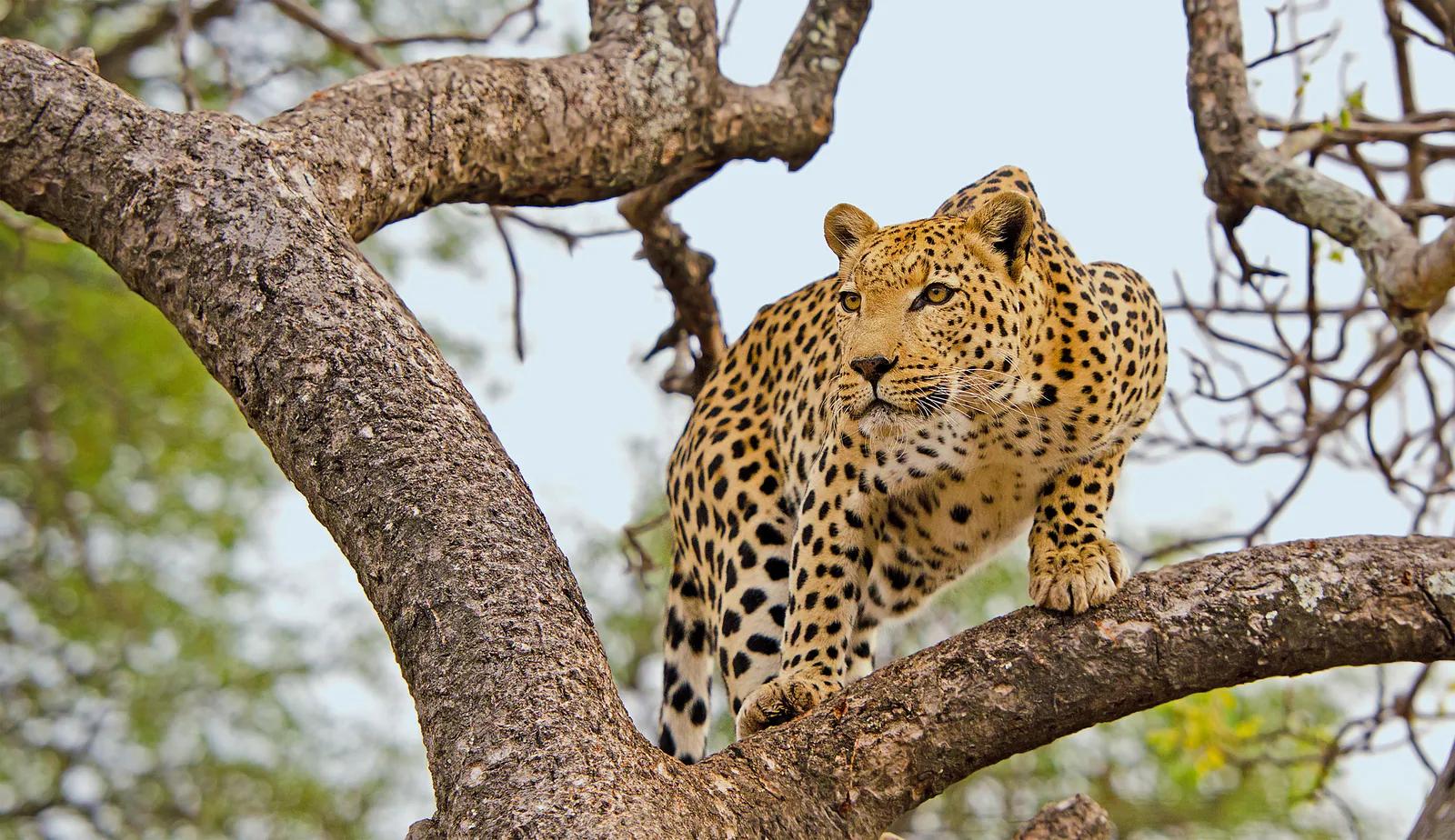
- Leopards along the river.
Unmistakable from the pattern; look along the Ewaso Nyiro and on the Laikipia plains. In Shaba the best time of day is all day; the riverine forest in the heat, the open country in the cool hours. Your guide will know the territories and the week's sightings.
When to see reticulated giraffes in Shaba
The best months in Shaba are January, February, March, June, July, August, September, October. The dry months bring the northern game to the river every day. The month pages for Shaba have the detail for your dates.
Photographing reticulated giraffes in Shaba
The coat pattern close up, and silhouettes against the red northern dust at sunset. The red earth, doum palms and the river give the north its look.
Also in Shaba
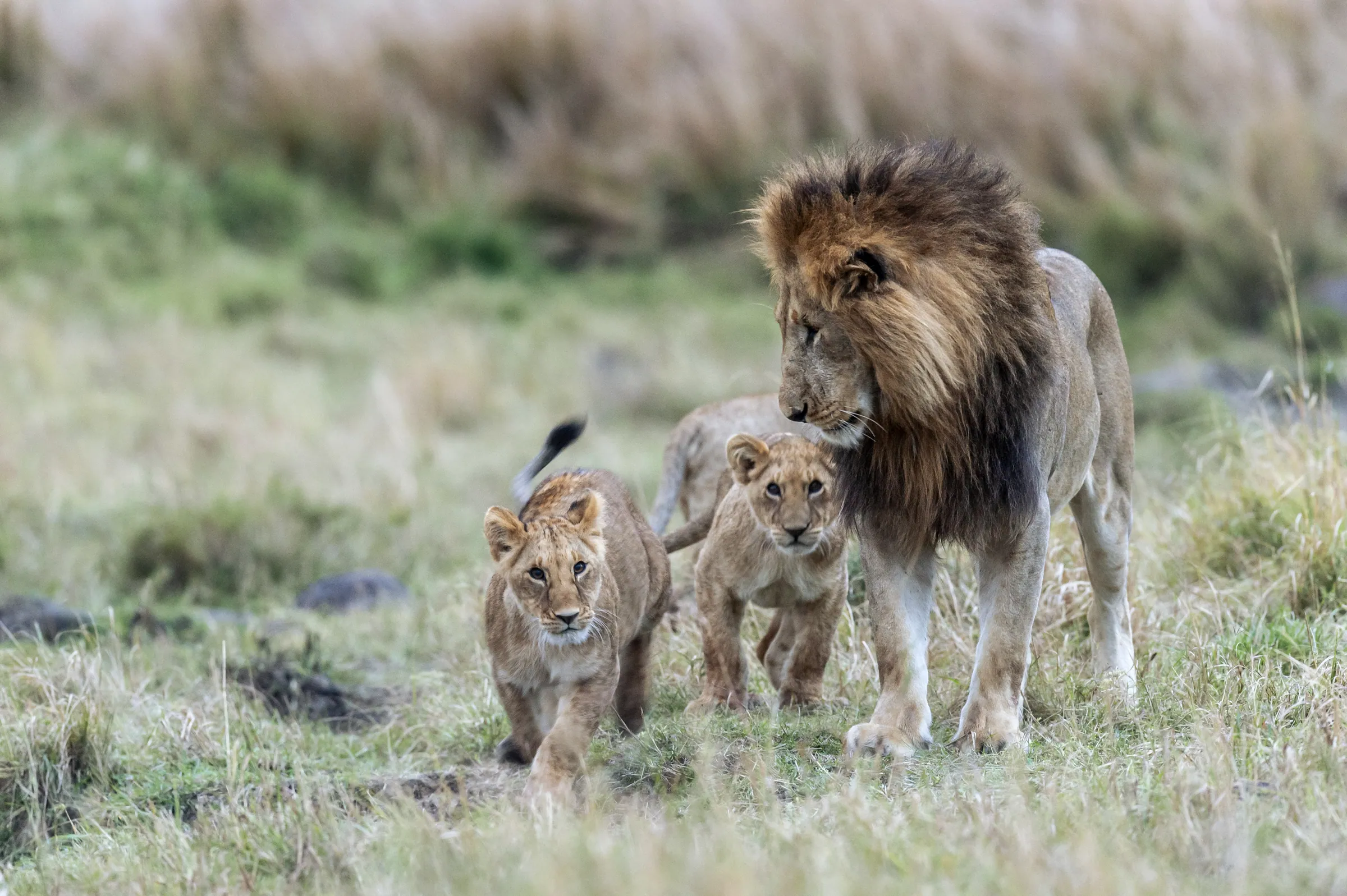
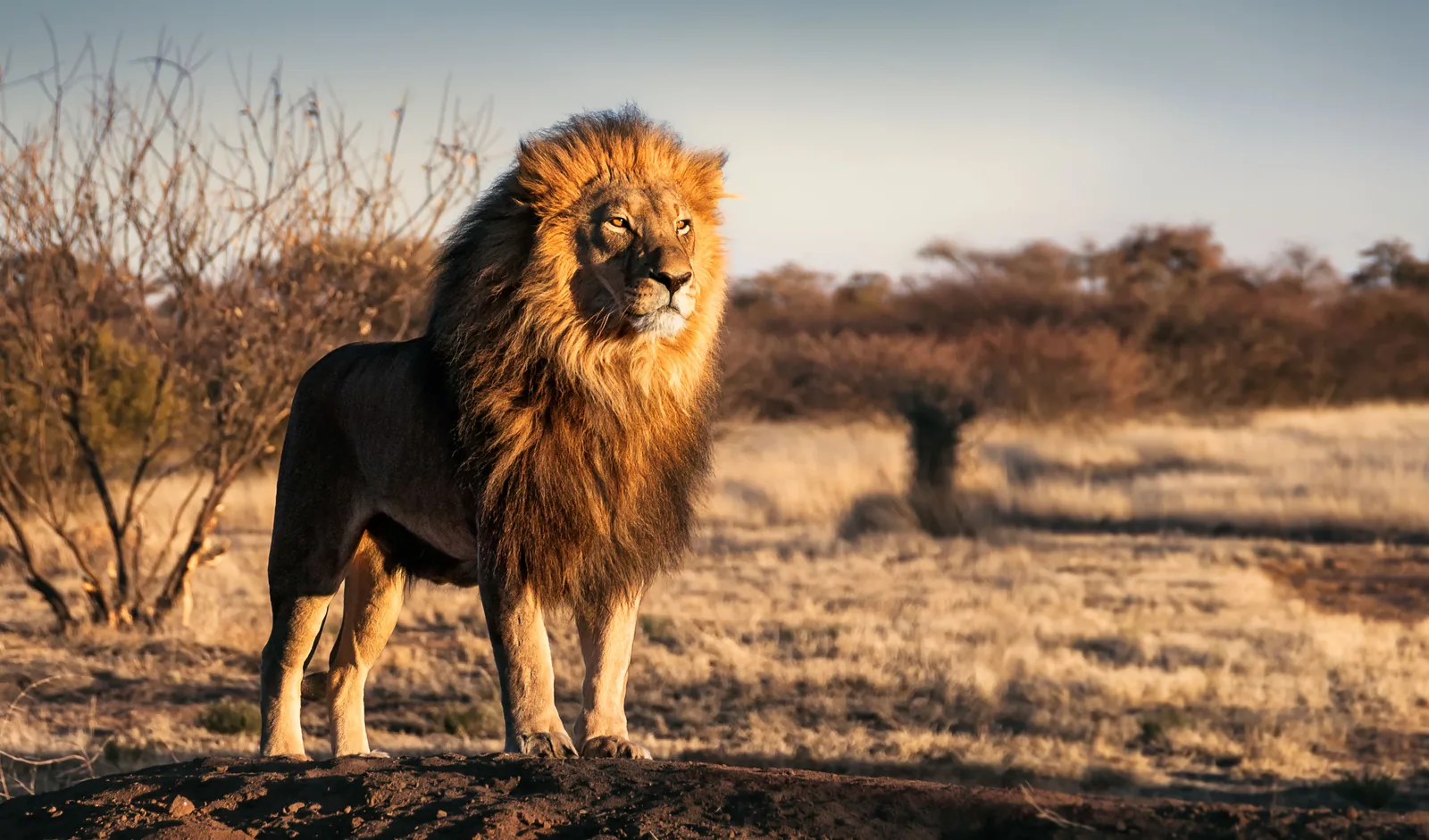
- Lions: Prides of related females with cubs and a coalition of males hold territories around water and prey.
- Leopards: Solitary.
- Giraffes: Browsers of acacia tops that walk in loose herds and can go days without drinking.
- Buffalo: Herds of hundreds graze open grassland and drink daily.
- Hyenas: Clans of up to 80 led by females hunt most of their own food.
Status
Reticulated giraffe (Giraffa reticulata): Endangered; about 16,000 left, mostly in northern Kenya. The most 'perfect' giraffe pattern and the one most zoos hold. Your fees in Shaba ($70 per adult per day (Isiolo County)) pay the rangers who protect them.