Wildlife. Updated November 2026. 3 min read.
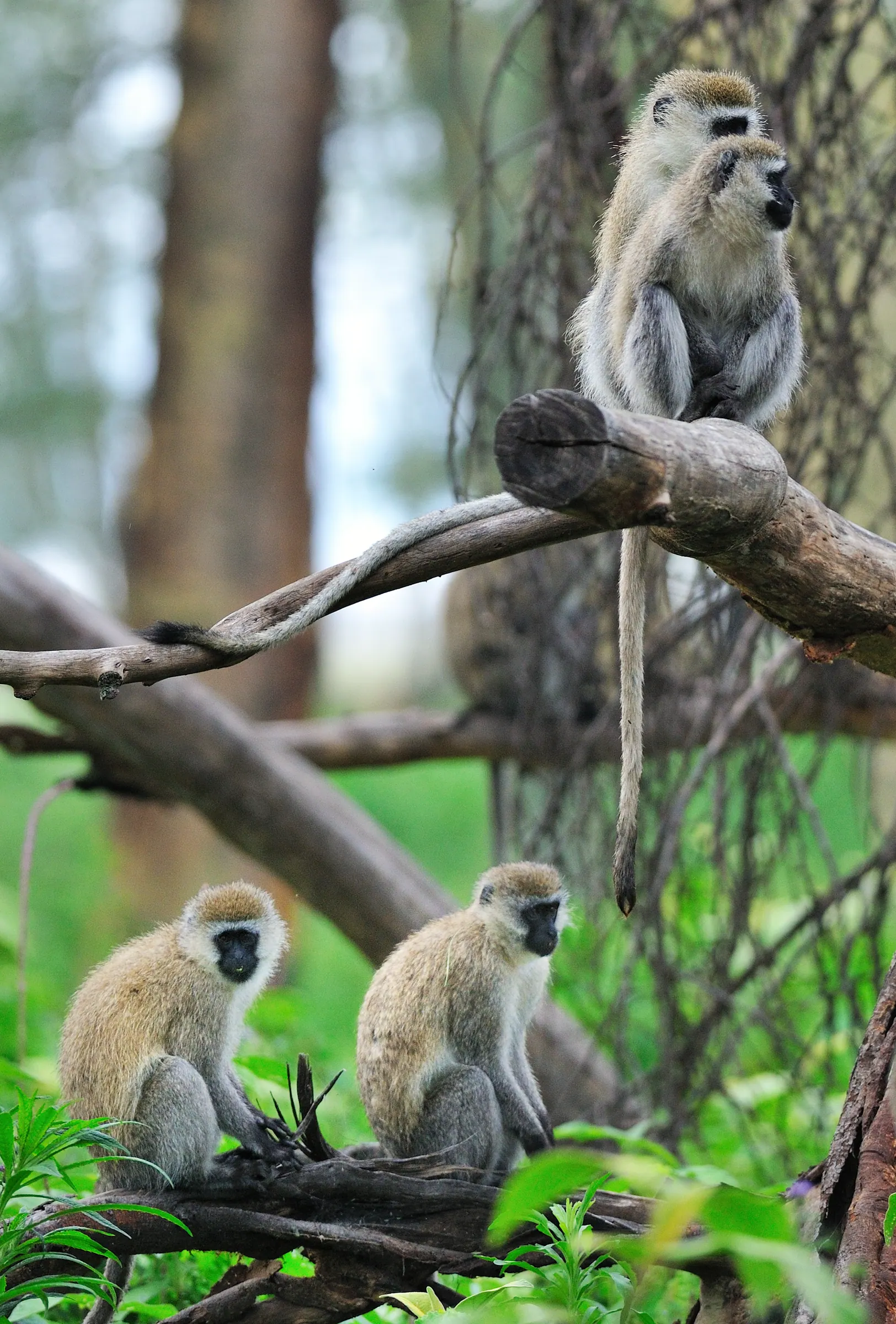
Colobus monkeys in the Aberdares: a healthy population. Moorland, waterfalls and the tree hotels where elephants come to the floodlit waterhole at night. Black-and-white leaf-eaters of the canopy, in troops of up to 15, leaping between trees with their white mantles flying; they rarely come to the ground.
Where to find colobus monkeys in the Aberdares
- Bongo and giant forest hog in the forest.
Listen for the deep croaking roar at dawn and look for the white tails hanging below branches. In the Aberdares the best time of day is early morning when they sun on the treetops, and late afternoon feeding. Park rules keep vehicles on the tracks and inside the 6 am to 6 pm day, so the dawn start matters.
When to see colobus monkeys in the Aberdares
The best months in the Aberdares are January, February, June, July, August, September, October. The dry season is easiest, but this species is seen in every month. The month pages for the Aberdares have the detail for your dates.
Photographing colobus monkeys in the Aberdares
A long lens into the canopy with the sky behind; the leap between trees at high shutter speed. Mount Kenya on the horizon at dawn is the background to work for.
Also in the Aberdares
- Elephants: Family herds led by a matriarch walk 20 km a day between feeding grounds and water.
- Giraffes: Browsers of acacia tops that walk in loose herds and can go days without drinking.
- Buffalo: Herds of hundreds graze open grassland and drink daily.
Status
Colobus monkey (Colobus guereza and C. angolensis): Least Concern; the Angolan colobus of the coast is a conservation priority. Diani's rope bridges (the 'colobridges') let the coastal colobus cross the road safely. Your fees in the Aberdares ($70 per adult per day) pay the rangers who protect them.