Culture. Updated November 2026. 6 min read.
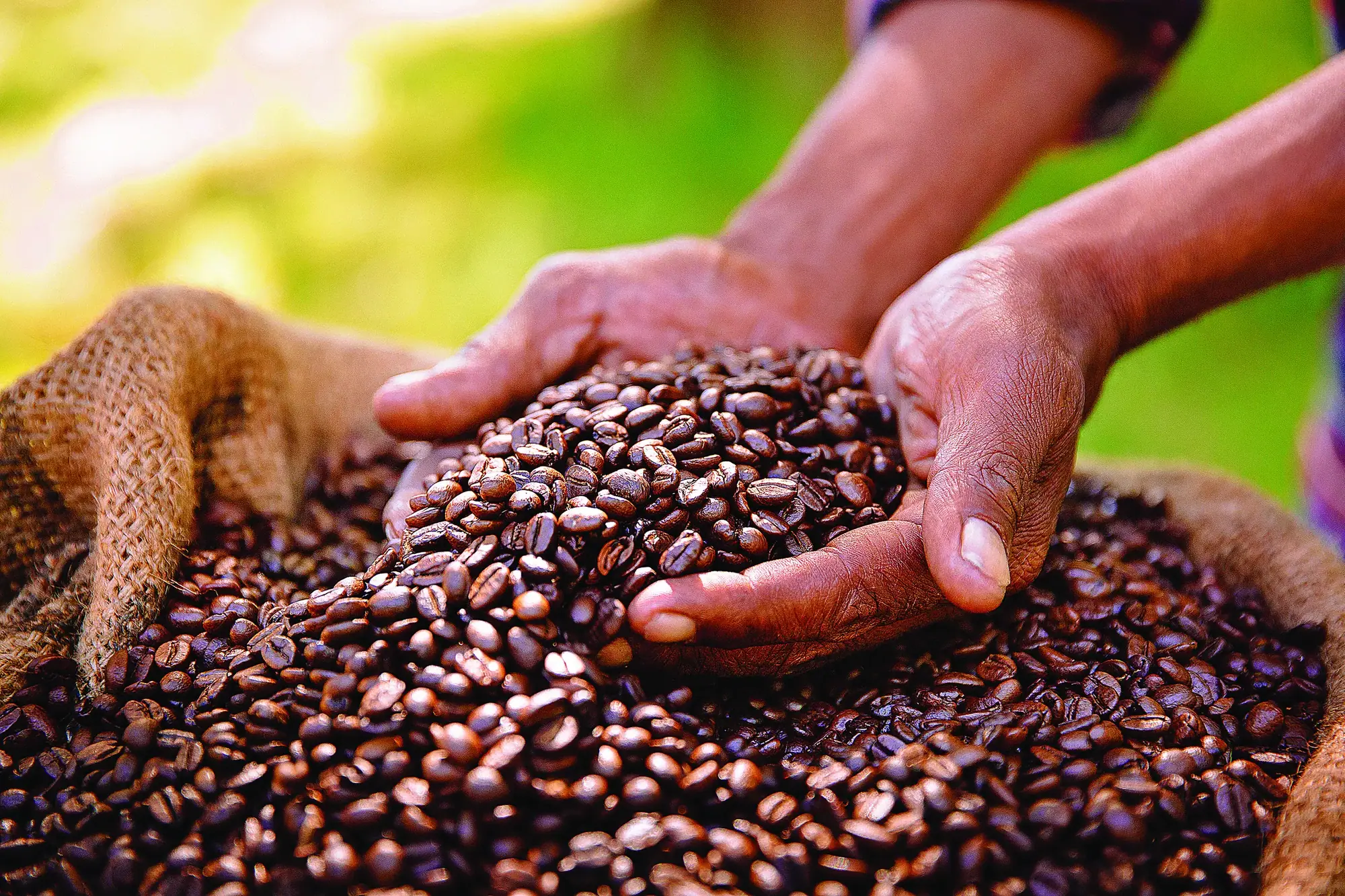
Please do not bring your Kenyan hosts a bag of coffee. Kenya grows some of the finest arabica in the world, and its tea fills breakfast cups from London to Karachi, so a supermarket blend from home is, at best, a funny story. The gifts that land are the ones that are hard to find in Kenya, useful in a Kenyan home, or personal to you.
So: good chocolates, quality kitchen tools, children's books, football jerseys, phone accessories, nice toiletries and something from your own town. When you visit a home, arrive with a small bag of everyday groceries bought locally. For family occasions, bring cash in an envelope. Give with both hands, without ceremony, and do not expect the gift to be opened in front of you. That covers most visits. Below is the detail for host families, homestays and relatives.
Who you are visiting
- A student host family. You will live with them for weeks, so bring a household gift for the parents and something small for each child, all of similar value. Most study abroad programs give a guideline; follow it. Our study abroad guide covers life with a host family.
- A homestay or a community visit on a trip. One good household gift, plus groceries bought on the way. Gifts for a whole community, such as books for a school, are best arranged ahead through us or the school, not handed out on arrival.
- Relatives, if you are a Kenyan in the U.S. going home. You know the expectations better than we do, and you know they grow. Our diaspora pages cover visiting upcountry and shipping things home.
- Guides, drivers and camp staff. A tip is the right thank-you, not a present. Our tipping guide covers how much.
Gifts that are appreciated
| Gift | Why it works | Good for |
|---|---|---|
| Good chocolates or American candy | Imported chocolate is expensive in Kenya. Pack it in the middle of your suitcase so it survives the heat | Everyone, especially children |
| Kitchen tools: a good knife, silicone spatulas, a sharp peeler, storage containers | Used every day, and good ones cost more in Kenya. Knives go in checked bags only | Host parents and grandmothers |
| Children's books, an atlas or a world map | Books are prized, and English-language picture books are expensive locally | Families with young children; schools by arrangement |
| Football jerseys | The English Premier League has a huge following. Ask first whether the house supports Arsenal, Manchester United, Chelsea or Liverpool: get it wrong and you will hear about it for years | Teenagers, fathers, uncles |
| Phone accessories: a power bank, a USB-C cable, a phone case | Almost everyone has a smartphone, and power cuts happen | Anyone, and very welcome upcountry |
| Nice toiletries: lotion, perfume, a good razor | A small luxury | Adults and older teenagers |
| Something from your town: a team cap, a mug, a photo book, a local treat in sealed packaging | Personal, and it starts conversations about where you live | Everyone |
| Printed photos of your family | Kenyan homes display family photos with pride, and a framed one is often hung on the wall | Hosts and relatives |
| A solar lamp or a good flashlight | Practical where power is unreliable | Rural homes |
What to leave at home
- Tea and coffee, for the reasons above.
- Alcohol, unless you know the family drinks. Many Kenyan homes are Muslim or belong to churches that do not drink, including Seventh-day Adventist and many Pentecostal churches. Never bring alcohol or pork into a Muslim home.
- Cheap trinkets and souvenir key rings. One well-chosen thing beats ten small ones.
- Used clothes in bulk. Kenya has a huge secondhand clothes trade, mitumba, and a suitcase of castoffs can feel like charity rather than a gift.
- Sweets, pens or money for children you meet in villages or by the road. It encourages begging. Give to a school through its head teacher, or ask us about a project.
- Fresh fruit, seeds, plants and soil, which are restricted at the border. Sealed, packaged food is fine.
- Anything in a plastic carrier bag. Kenya banned plastic carrier bags in 2017, and travelers are asked to leave them at the airport, duty-free bags included.
When you visit a home, arrive with something
Kenyans rarely arrive at a friend's or relative's house empty-handed, and the traditional offering is groceries, not a wrapped present. On the way, stop at a shop or a market and buy a packet of sugar, tea leaves, bread, milk, cooking oil, a bag of maize flour or wheat flour, or a bunch of bananas and some fruit. It is practical, it covers the extra mouths on the day of your visit, and it is exactly what a Kenyan guest would bring. Your guide or driver will know a good shop on the way and roughly what to spend.
Upcountry, when you visit grandparents or elders, sugar and tea leaves are the classic gift, sometimes with a blanket or a shawl for the cold highland evenings. On the coast, dates, halwa or fruit are a good choice for a Muslim household.
Cash, envelopes and the harambee
Cash is not a rude gift in Kenya; for family occasions it is often the most useful one. Harambee, Kiswahili for 'let us all pull together', is the national motto, written on the coat of arms, and it is also the word for a community fundraiser: for school fees, a hospital bill, a wedding, a funeral or a church roof. If you are invited to one, or arrive while one is under way, a contribution in an envelope is welcome and noticed. There is no fixed amount. Give what you are comfortable giving, in shillings, in a plain envelope with your name on it.
For a host family or a long homestay, a contribution to household costs is usually built into the program fee, so check before you give cash. With relatives, money is personal and often delicate, and you know your own family best. Our diaspora guides talk about it openly.
Customs and packing
Kenya lets travelers bring personal effects and reasonable gifts without duty. At the time of writing, the East African duty-free allowance for adults includes 1 liter of spirits or 2 liters of wine, 200 cigarettes or 250 grams of tobacco, and half a liter of perfume and toilet water. Larger quantities, new electronics still in their boxes and anything that looks like stock for sale may be charged duty. Check the Kenya Revenue Authority's site before you pack, and keep receipts in case an officer asks the value.
Pack knives and sharp kitchen tools in checked luggage only, and power banks in your carry-on only, as airlines require. Chocolate travels best in the middle of the suitcase, wrapped in clothes. If your trip includes safari flights, remember the soft-bag limit of about 15 kg: gifts for a host family you will see at the end of the trip can stay in Nairobi while you are in the bush.
How to give a gift
- Give with both hands, or with the right hand while your left touches your right forearm. Receive gifts the same way.
- Give to the head of the household or the eldest woman, and let them decide how it is shared.
- Keep it low-key. 'This is for the family, from us' is enough; no speech needed.
- Do not expect it to be opened in front of you. Many Kenyans put a gift aside and open it later. It is not a lack of interest.
- Thanks may be modest in the moment and warm later, sometimes by WhatsApp the following week.
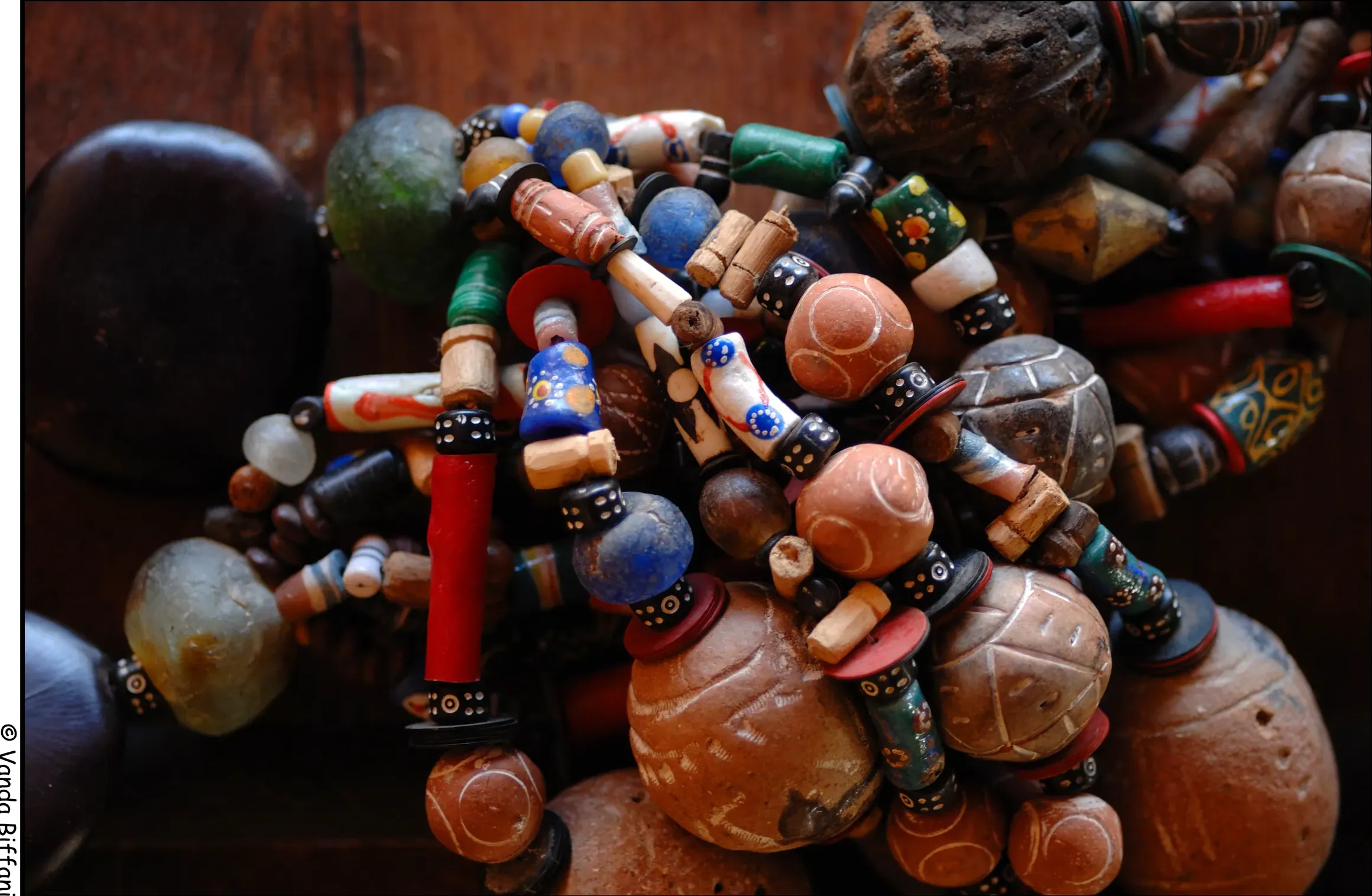
- Expect to leave with something yourself: eggs, avocados, beadwork, a kanga, sometimes a live chicken in a rural home. Accept with thanks; refusing is the rude part.