Comparisons. Updated November 2026. 6 min read.
After a Kenya safari, Diani is the easy beach and Zanzibar is the famous one. Our verdict: choose Diani for ease, with no visa, no second insurance policy and a scheduled flight from the Mara, plus colobus monkeys in the trees and elephants in the Shimba Hills behind the beach. Choose Zanzibar for Stone Town's history, the spice farms, the island feeling and the turquoise water everyone has seen on Instagram, and accept a day of extra travel and paperwork for it.
Both sit on the same warm Indian Ocean, with coral reefs, dhows, Swahili food and big tides. This page compares the beaches and what surrounds them. For the whole Kenya and Zanzibar route, with the day plan and every fee, see our Kenya and Zanzibar itinerary; for Kenya's other beaches, see our beaches compared guide.
Diani and Zanzibar side by side
| Factor | Diani, Kenya | Zanzibar, Tanzania |
|---|---|---|
| Paperwork | Nothing beyond your Kenya eTA and Kenya's inbound health insurance | Tanzania visa, $100 for U.S. citizens; Zanzibar's own insurance, about $44; yellow fever certificate |
| From the Mara | Scheduled flight to Ukunda with a stop, about 2 to 2.5 hours | Fly to Nairobi, cross the city, then about 1 hour 45 minutes to Zanzibar |
| The beach | One long white beach with a reef offshore | Many beaches around an island, each with its own tide and character |
| Tides | Big; the reef flats show at low tide | Big; on the east coast the sea can go out a very long way |
| Seaweed | Some months on some stretches | Some months on the east coast, plus seaweed farms in the lagoons |
| History | Mombasa's Old Town and Fort Jesus about 1 to 2 hours away | Stone Town, a UNESCO World Heritage Site, on the island |
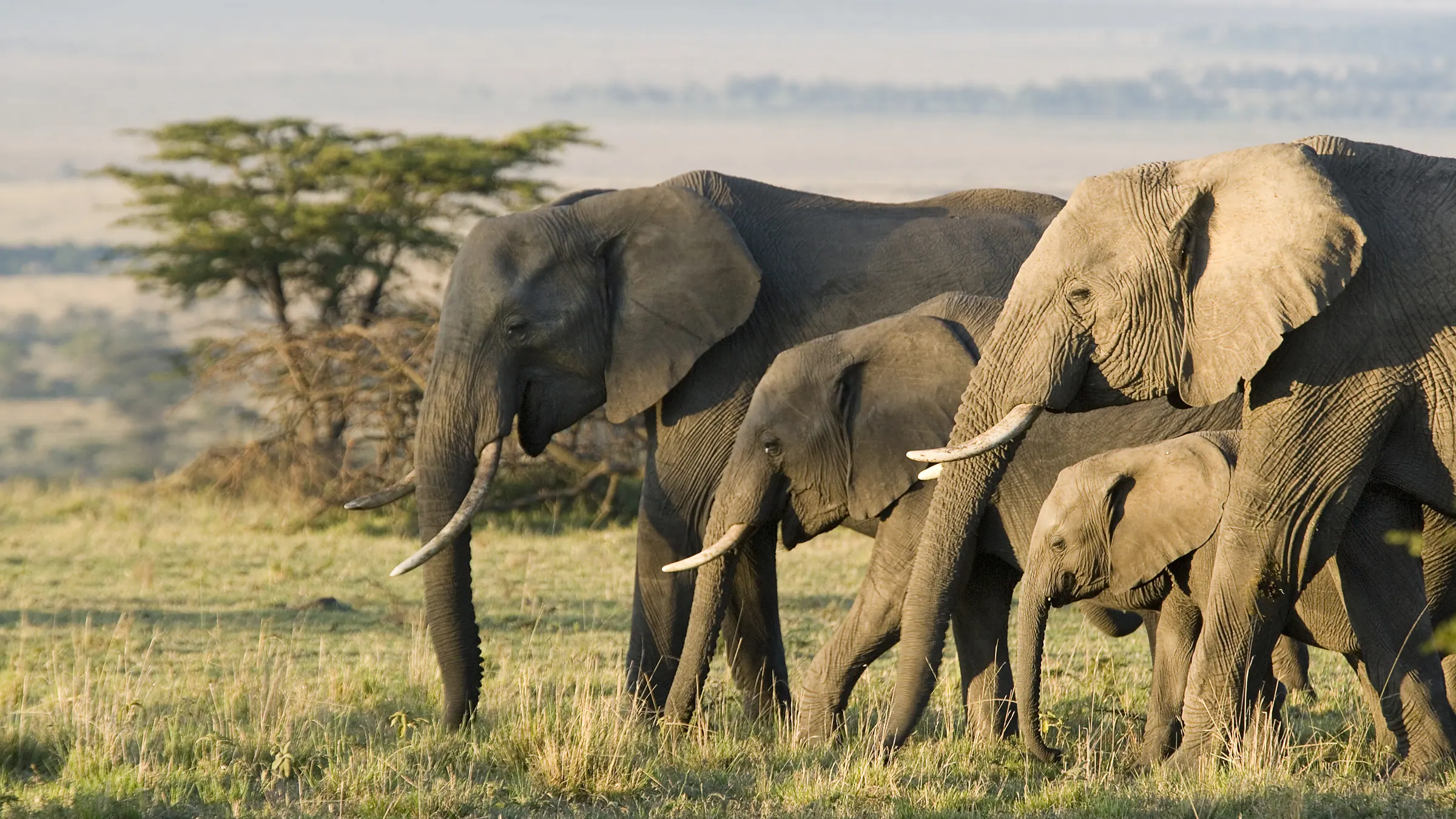
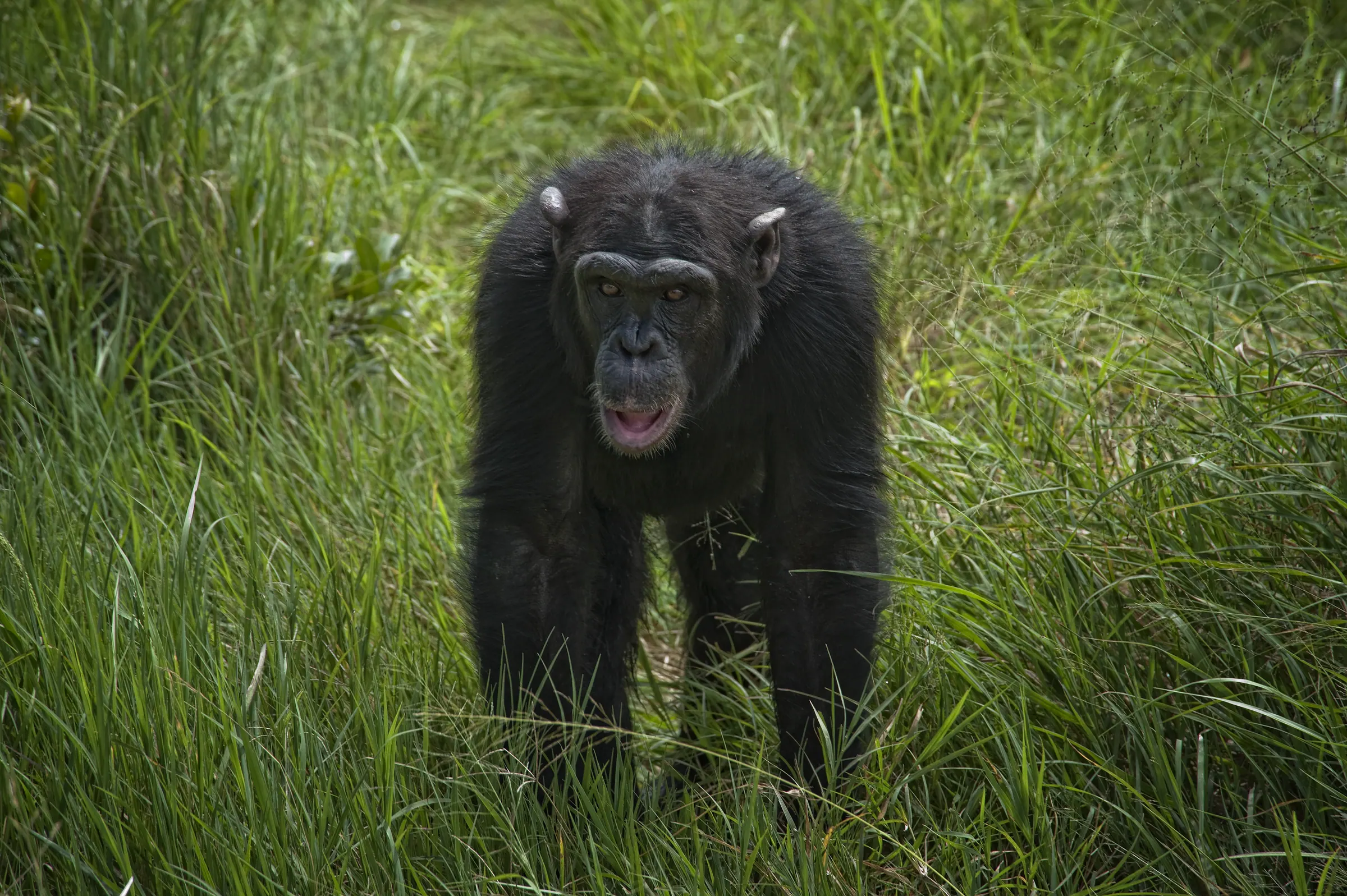
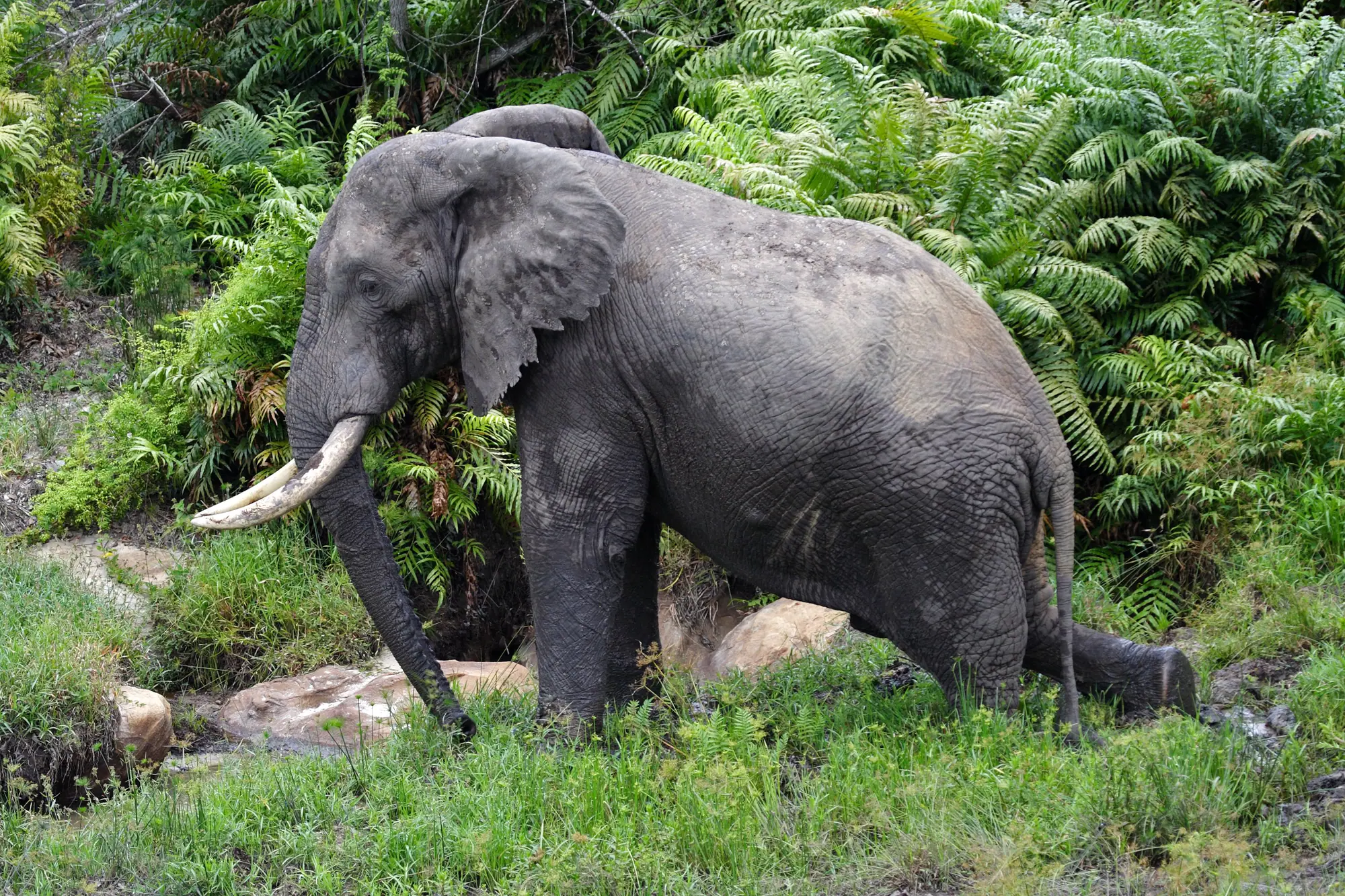
| Wildlife near the beach | Colobus monkeys in Diani's forest, Shimba Hills elephants, dolphins at Kisite | Red colobus in Jozani forest, dolphins and reef life offshore |
| Kitesurfing | Galu, at Diani's south end | Paje on the east coast |
| Getting home | Back through Nairobi, or Mombasa with a connection | Through Nairobi, or Doha or Dubai directly from Zanzibar |

The beaches themselves
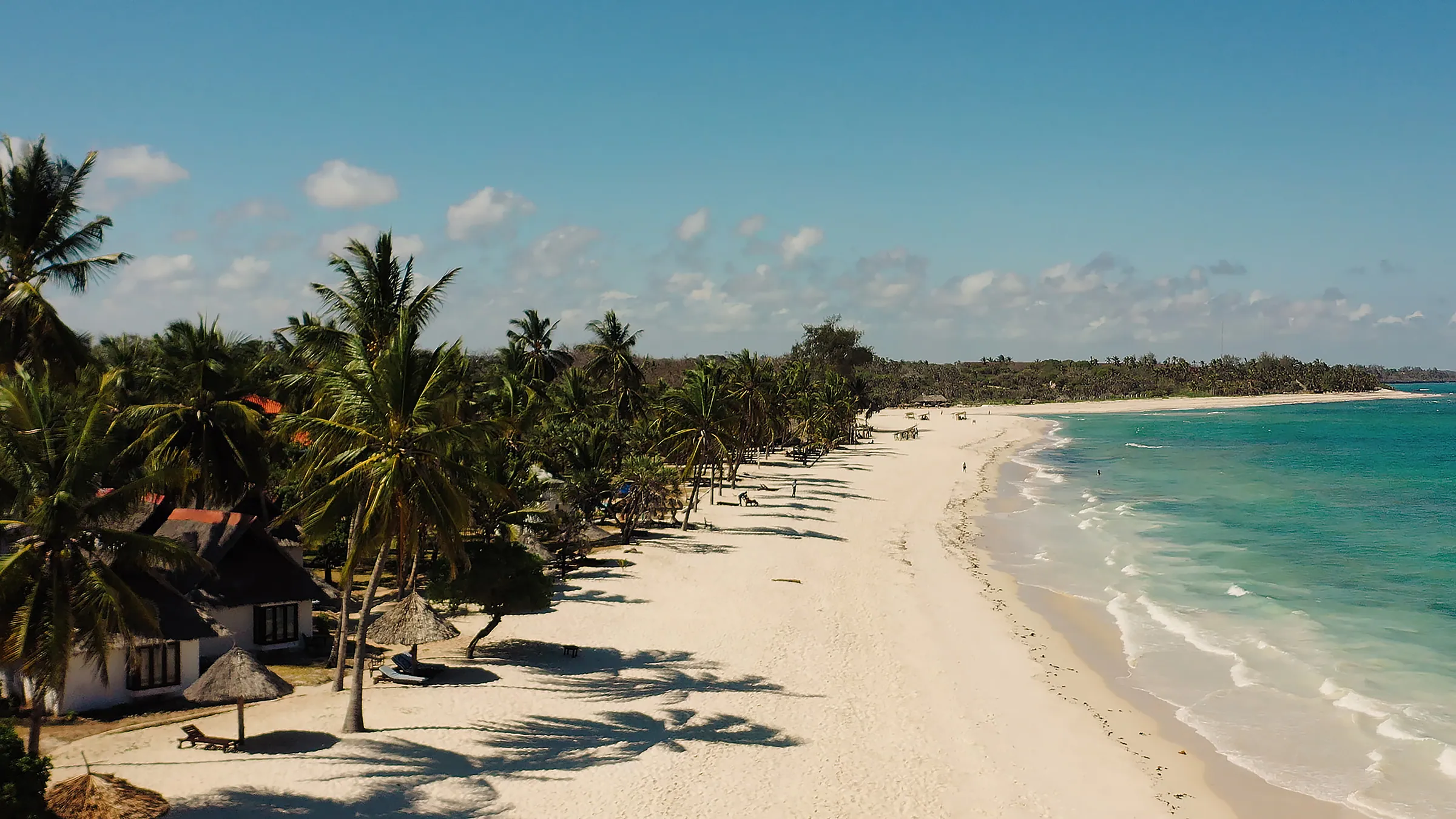
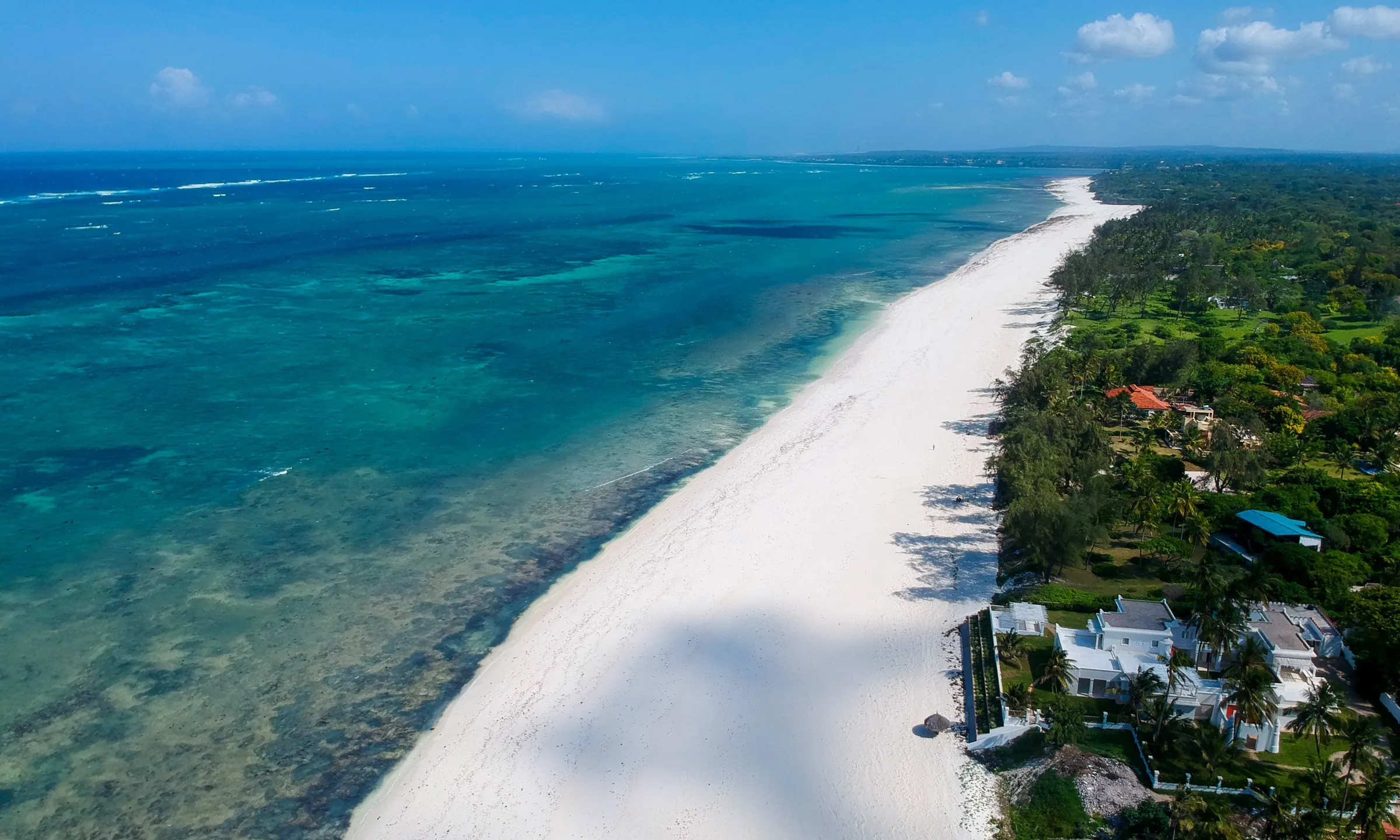
Diani is one straight run of fine white sand south of Mombasa, with a coral reef offshore that calms the lagoon. North Diani has the big resorts and the reef close in; central Diani has the restaurants and the strip; Galu, at the south end, is wider and quieter, with the kite schools; and Tiwi to the north and Msambweni to the south give you rock pools and cliff-backed coves. You choose a stretch of one beach rather than a different island coast.
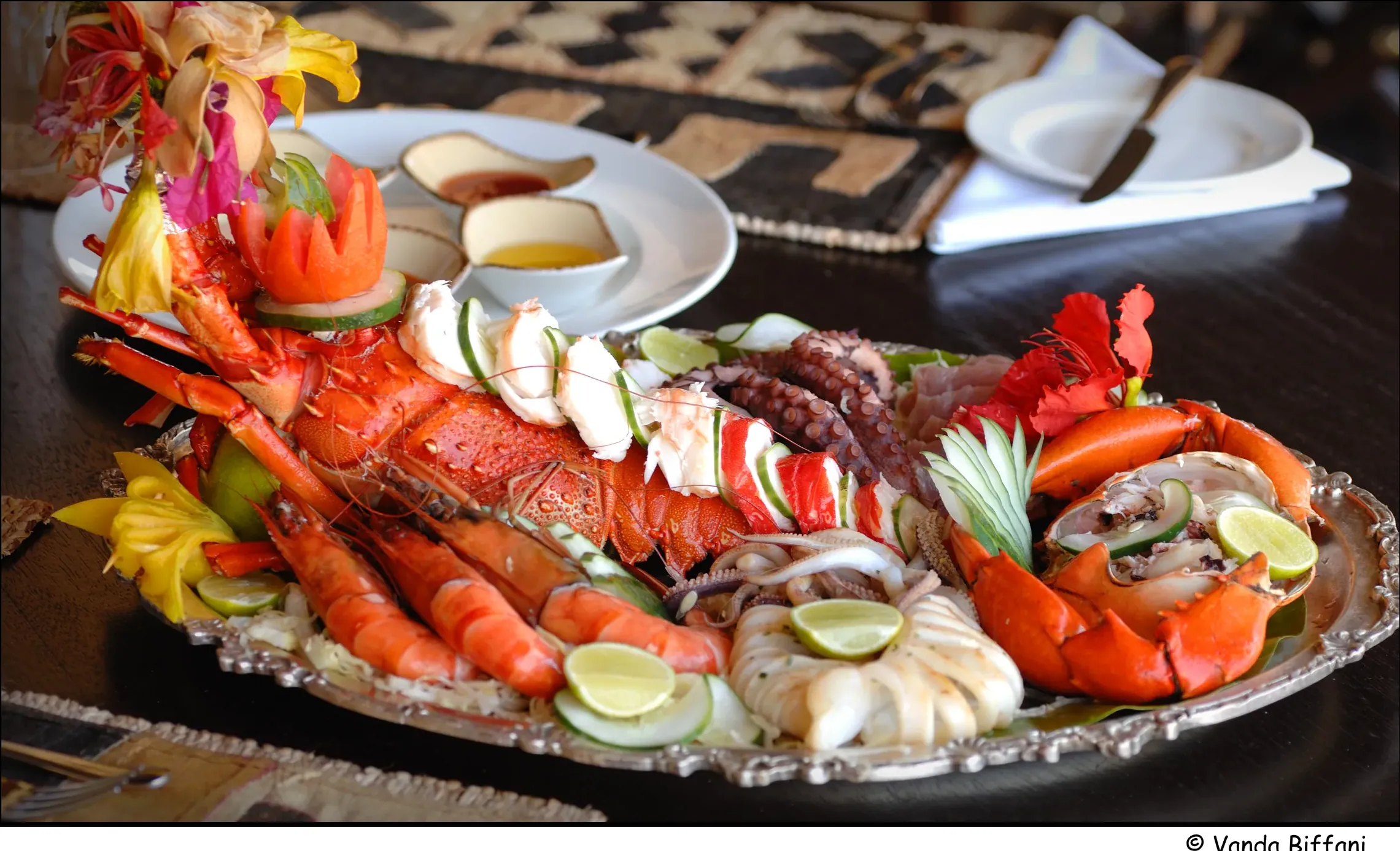
Zanzibar is a set of very different coasts. The north, around Nungwi and Kendwa, has the deepest water at most states of the tide and the sunset bars, and it is the busiest. The north-east, around Matemwe and Kiwengwa, has a reef and a more relaxed feel. The east and south-east, around Paje, Jambiani and Bwejuu, have wide tidal flats, kitesurfing and the island's seaweed farms, where women tend lines of seaweed in the shallows. Where you stay on Zanzibar changes your trip more than where you stay in Diani.
Tides and seaweed: the honest part
Neither coast is a swimming pool. Both have big tides, so at low tide the sea can retreat across reef flats or sand, and swimming depends on the hour. Check the tide table and plan beach time around high water. On Zanzibar's east coast the effect is dramatic: at low tide you can walk a long way out. Seaweed washes up on both coasts in some months, most often in the windy season of the south-east trade winds, roughly the middle of the year, and it varies by stretch and by year. If a clear swim at any hour matters most, Zanzibar's north and Diani's central stretch are the better picks.
What to do off the sand
- Diani: a day in the Shimba Hills for elephants and forest views, about 45 minutes inland; Colobus Conservation and its rare monkeys; a dhow to Kisite-Mpunguti Marine Park for snorkeling and dolphins; the sacred Kaya Kinondo forest with a Digo guide
- Zanzibar: a morning in Stone Town's lanes with a local guide, the Forodhani night food market, a spice farm tour, Jozani forest for the red colobus found only on Zanzibar, and snorkeling off Mnemba
- Both: dhow sunsets, diving, deep-sea fishing, Swahili seafood and kitesurfing in the windy months
The difference in feel is real. Diani is a beach with nature behind it, and you can see elephants and colobus monkeys between swims without another flight. Zanzibar is an island with a deep history, and Stone Town, with its carved doors and its stories of the spice and slave trades, gives a week there a weight that a resort strip does not.
Costs and paperwork
Zanzibar adds roughly $175 to $205 per American adult in government fees and documents before you book a room: the $100 Tanzania visa, the Zanzibar inbound insurance of about $44, and a possible second Kenya eTA if you come back through Nairobi and leave the airport. You also need a yellow fever certificate, because Tanzania asks for one from travelers arriving from Kenya. Diani needs none of that. Hotel prices overlap: both have backpacker stays, mid-range beach hotels and top resorts, and in Diani good beach hotels start from about $120 to $150 a night. Our Kenya and Zanzibar itinerary lays out the paperwork step by step.
Seasons
The best months for a safari plus either beach are late June to October, when the Mara usually has the migration and the coast is dry and breezy, and late December to February, when both are hot and dry and the sea is warm. April and May bring the long rains to both, and some hotels close. Christmas and New Year are the busiest and dearest weeks on both coasts.
Choose Diani if
- You want the simplest end to a safari, in one country with one set of entry documents
- You are traveling with children and want fewer flights and transfers
- You want wildlife near the beach: monkeys, elephants and dolphins
- You are on a tighter budget and would rather spend the visa money on another night
Choose Zanzibar if
- Stone Town and the history of the Swahili coast are a big part of why you are going
- You want an island, and the choice of very different coasts
- You plan to fly home through Doha or Dubai and can leave straight from the island
- The extra paperwork and a long transfer day do not bother you
Our advice
For most first trips, Diani: three or four nights after the Mara, with a dhow day at Kisite and an afternoon in the Shimba Hills, and Mombasa's Old Town on the way if history matters to you. Our 10-day Kenya route is built that way. If Stone Town has been on your list for years, go to Zanzibar; it is worth the paperwork, and we will send you the checklist. If you are choosing between Diani and Watamu instead, see our Diani vs Watamu guide.
Why plan with us: Kenya Experience is Kenyan-led, with two U.S. companies behind it, GCK Travel and Roundtrip Safaris, and Kenyan guides on the ground. You can pay in full or monthly with no deposit, and a specialist replies within two business days.