Comparisons. Updated November 2026. 3 min read.
Borana or Samburu? Choose Borana if rhinos are on your list; choose Samburu if you want the dry-north species: Grevy's zebra, reticulated giraffe, gerenuk. They are in different parts of Kenya, so doing both means a flight or a long drive between them. Here is the side-by-side: what each is for, what it costs, when to go, how you get there and how they combine.
| Borana | Samburu | |
|---|---|---|
| Best for | Black rhinos shared with Lewa, horses, mountain bikes and Mount Kenya filling the southern sky. | The dry north: the Samburu Special Five, elephants on the Ewaso Nyiro and the red-robed Samburu people. |
| Wildlife | black and white rhinos; lions, leopards and cheetahs; big elephant herds | the Samburu Special Five; big elephant herds; lions, leopards and cheetahs |
| Daily fee | Conservancy fee of about $130 per adult per day, built into the lodge rate (verify) | $70 per adult per day (county reserve) |
| From Nairobi by road | 250 km, 4.5h | 345 km, 6h |
| Flights | about 60 min from Wilson | about 75 min from Wilson |
| Best months | Jan, Feb, Mar, Jun, Jul, Aug, Sep, Oct | Jan, Feb, Mar, Jun, Jul, Aug, Sep, Oct |
| Climate | Dry, sunny and crisp, with Mount Kenya on the horizon and cold nights under clear skies | Hot, dry and bright, with the rivers deciding where the wildlife is |
| Malaria risk | low | moderate |
| Where to stay | Borana Lodge, Laragai House and Lengishu. | Riverside lodges and tented camps in Samburu and Buffalo Springs, plus a luxury camp or two in Shaba. |
Choose Borana if
- Rhinos are on your list.
- You have less time: it is the shorter drive from Nairobi.
- You want a low-malaria destination, for young children or in pregnancy.
- You want night drives, walking and few other vehicles.
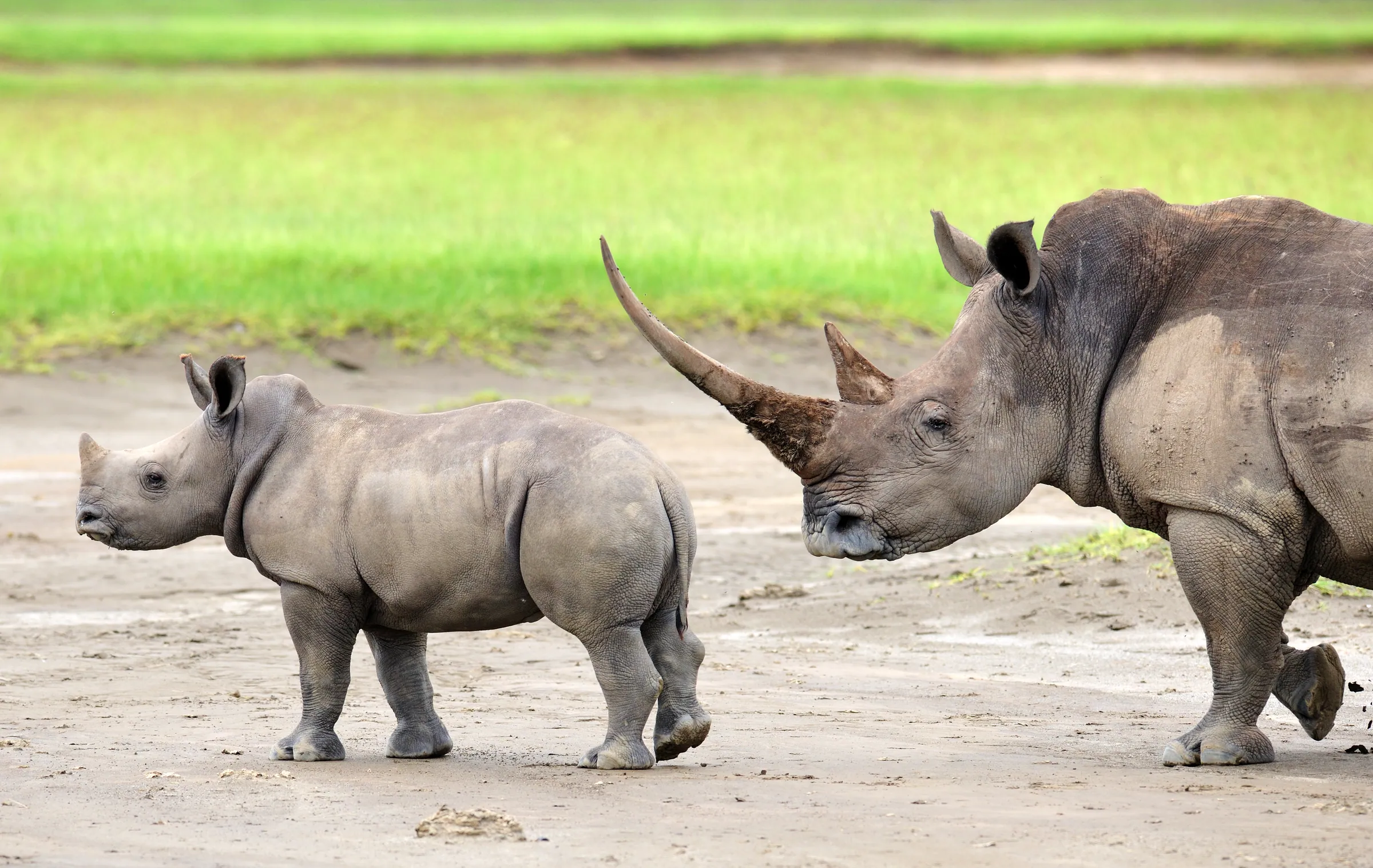
Black rhinos shared with Lewa, horses, mountain bikes and Mount Kenya filling the southern sky. The things people go for: rhinos on horseback; mountain biking; walks and night drives; mount Kenya views.
Choose Samburu if
- You want the dry-north species: Grevy's zebra, reticulated giraffe, gerenuk.
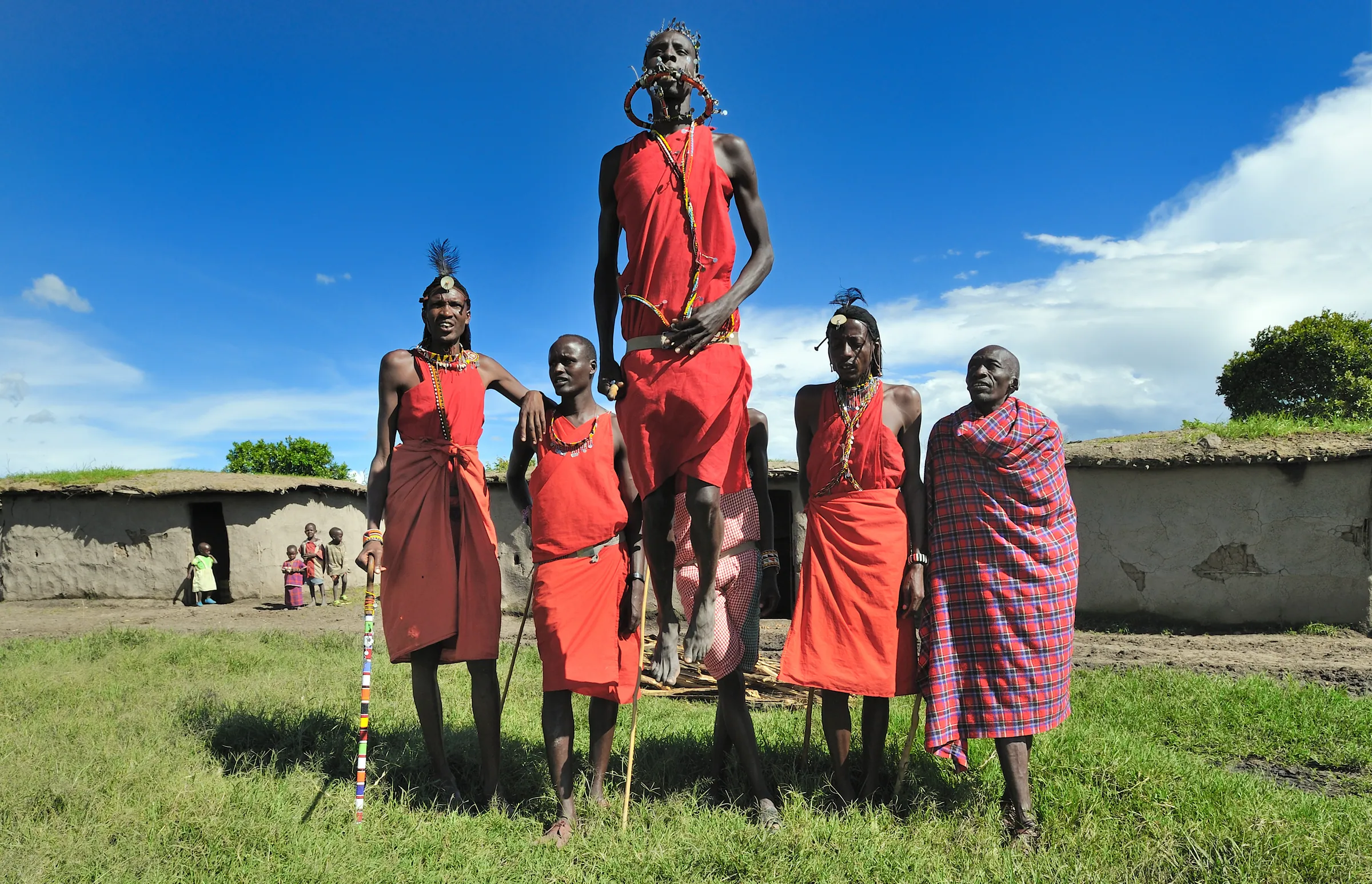
The dry north: the Samburu Special Five, elephants on the Ewaso Nyiro and the red-robed Samburu people. The things people go for: grevy's zebra, reticulated giraffe, beisa oryx, gerenuk and Somali ostrich; elephants bathing in the Ewaso Nyiro; leopards along the river; a Samburu village visit.
When to go to each
Borana's best months are Jan, Feb, Mar, Jun, Jul, Aug, Sep, Oct; Samburu's are Jan, Feb, Mar, Jun, Jul, Aug, Sep, Oct. Both are at their best in January, February, March, June and more, so a trip that includes both works in those months. The weather differs: the Laikipia plateau is dry, sunny and crisp, with Mount Kenya on the horizon and cold nights under clear skies, while Samburu and the northern rangelands is hot, dry and bright, with the rivers deciding where the wildlife is. Each place's month pages give the detail for your exact dates.
Cost
Daily fees: Conservancy fee of about $130 per adult per day, built into the lodge rate (verify) at Borana, against $70 per adult per day (county reserve) at Samburu. Beyond the fee, the lodge tier you choose decides the cost: budget camps run about $150 to $300 per person per night, mid-range $300 to $600 and luxury $600 to $1,500, in either place. Samburu is the cheaper place to spend a day, all else equal. Both have airstrips, so flying is possible to either.
Doing both
Borana and Samburu are far apart. The practical pairing is a flight between them or a night in Nairobi in the middle, which most 10-day itineraries can absorb; on a week or less, pick one.