
Wildlife. Updated November 2026. 3 min read.
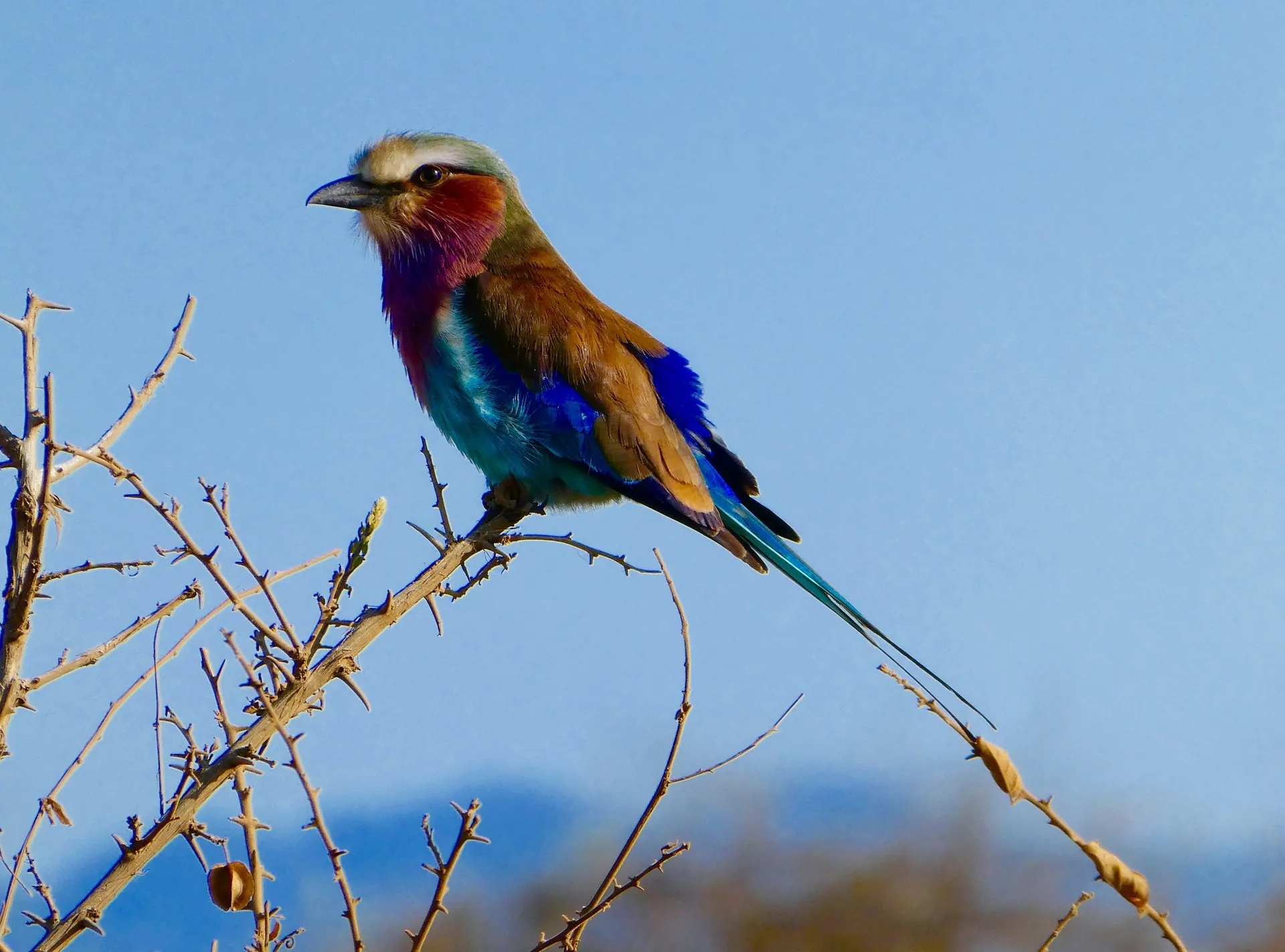
Chestnut and gold above, turquoise below, with a yellow throat. European bee-eater (Merops apiaster) is 28 cm long and common and not threatened; it is a migrant, present in Kenya in October, November, March, April. On passage through Kenya in October and March; flocks of hundreds over Nairobi.
Where to see European bee-eater
- Maasai Mara: Kenya's most famous reserve: the Great Migration from July to October and the densest big-cat country in Africa all year.
- Lake Naivasha: A freshwater lake of hippos, fish eagles and flower farms, and the easiest weekend out of Nairobi.
- Nairobi: The safari capital: a national park inside the city limits, elephant orphans, giraffes and the best food and nightlife in East Africa.
- Tsavo East: Kenya's largest park: red elephants, the Yatta plateau and huge skies, an easy add-on to the coast.
Flocks pass high overhead calling, pausing to hawk bees over the plains. It is widespread enough that a standard safari finds it without trying; the best months are October, November, March, April.
How to identify it
Chestnut and gold above, turquoise below, with a yellow throat. Size: about 28 cm, thrush-sized. Family: bee-eaters. Flocks pass high overhead calling, pausing to hawk bees over the plains.
Status and conservation
European bee-eater is common and not threatened. No special measures are needed to see it, and your park fees support the habitats it uses.
On a Kenya Experience trip
Our guides carry binoculars and the East African field guide in every vehicle, and our birding itineraries put a specialist bird guide in the front seat. For European bee-eater we would start at Maasai Mara and Lake Naivasha. Tell us the species on your list and we build the days around them.