Itineraries. Updated November 2026. 5 min read.
Three days is the shortest Maasai Mara trip we will sell you, and only by air. In 48 hours on the ground you get two dawns, two sunsets and one full day on the plains, which is enough to see the Mara properly if nothing is wasted. Here is exactly how to spend it.
The plan: fly from Nairobi's Wilson Airport and land on a Mara airstrip by about 11am on day 1, with a game drive on the way to camp and an evening drive after lunch. Day 2 runs from dawn to dusk, with a bush breakfast and, in season, the river. Day 3 is a last dawn drive and the flight out at about 11am, in time for an evening international flight. In a mid-range camp it starts at about $1,200 per person sharing, flights included. It is a sample plan we tailor, not a fixed departure.
Who three days suits
- Business travelers with two spare days after meetings in Nairobi
- Diaspora families home for a wedding or a funeral who want one short safari with the children
- Travelers on a Nairobi stopover who have never seen the Mara
- Anyone testing safari before committing to a longer trip next year
If you can find a fourth or fifth day, take it. Our 5-day route adds a night in the Mara and a night on Lake Naivasha, and the guide to how many days you need explains why three nights in one park is our rule for a full safari. Three days is the exception: worth taking when it is all you have.
Why we only sell three days by air
Nairobi to the Mara is 5 to 6 hours by road each way, the last stretch slow and bumpy. On a three-day trip, that turns two of your three days into travel days. Flying keeps nearly all of your time in the reserve. If you want to go by road, we stretch the trip to four days and three nights, which gives you about the same time with the animals at a lower price.
| Version | Nights in the Mara | Game drives | Travel |
|---|---|---|---|
| 3 days by air (this plan) | 2 | A drive on arrival, an evening drive, a full day, a last dawn drive | About 45 minutes each way by air, plus short transfers |
| 3 days by road | 2 | An evening drive, a full day, a short morning drive | 5 to 6 hours each way; we do not recommend it |
| 4 days by road | 3 | An evening drive, two full days, a last dawn drive | 5 to 6 hours each way, broken by a stop in Narok |
Where to stay for two nights
With only two nights, the camp's position matters more than its style. We choose one close to your airstrip, so the drive to camp is a game drive and not a transfer, and close to the area where the animals are that month. The Mara has several airstrips, including Keekorok, Ol Kiombo, Musiara and Serena, and light aircraft hop between them, so the airstrip decides the camp as much as the camp decides the airstrip.
Inside or beside the main reserve, you pay the reserve fee of $100 a day from January to June and $200 a day from July to December, at the time of writing. In a private conservancy, you pay a conservancy fee instead, usually built into the camp rate, with fewer vehicles at sightings and the option of a night drive. On a short trip, a conservancy can make 48 hours feel longer. Our Maasai Mara stay guide compares the areas and the camps.
What 48 hours can show you, honestly
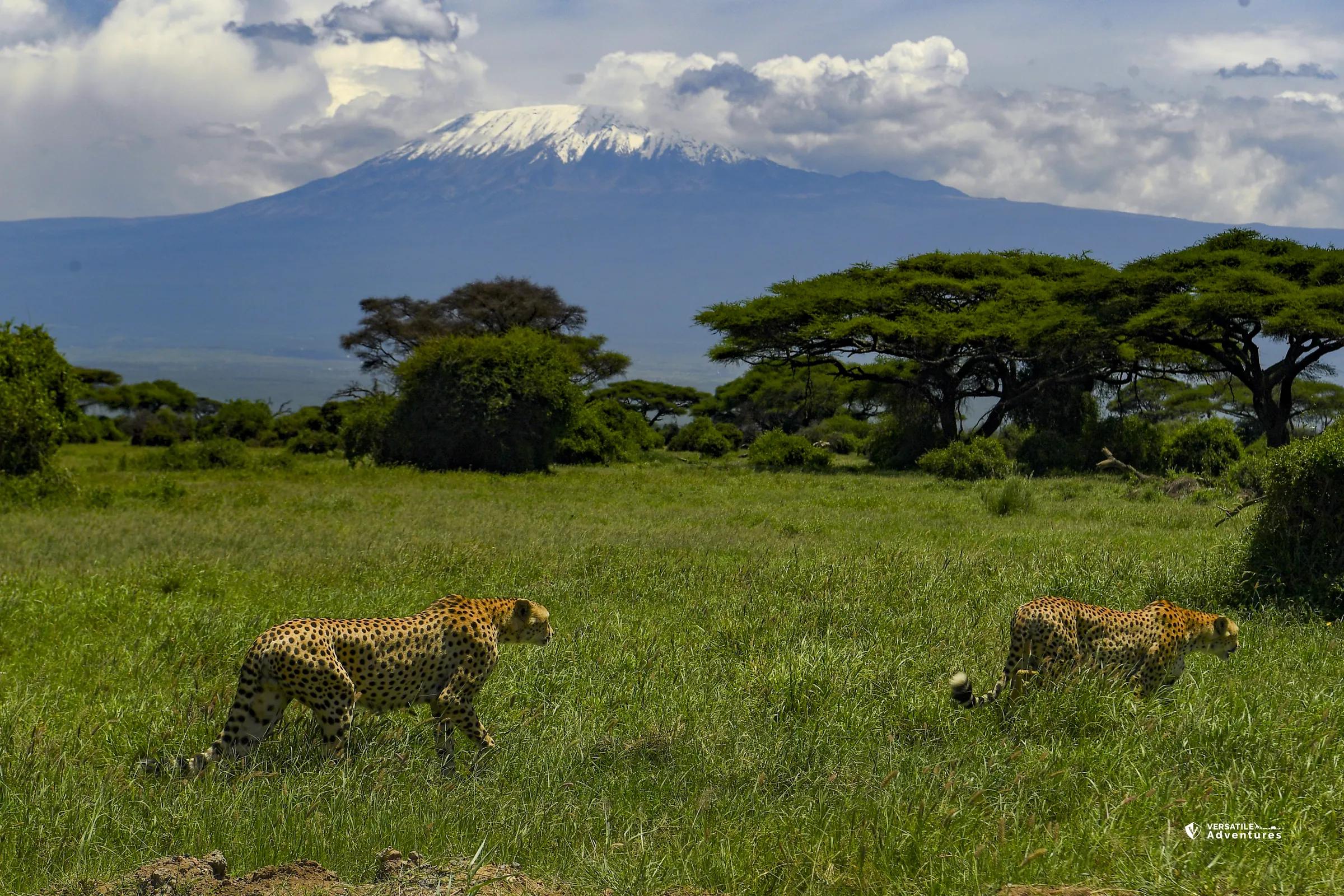
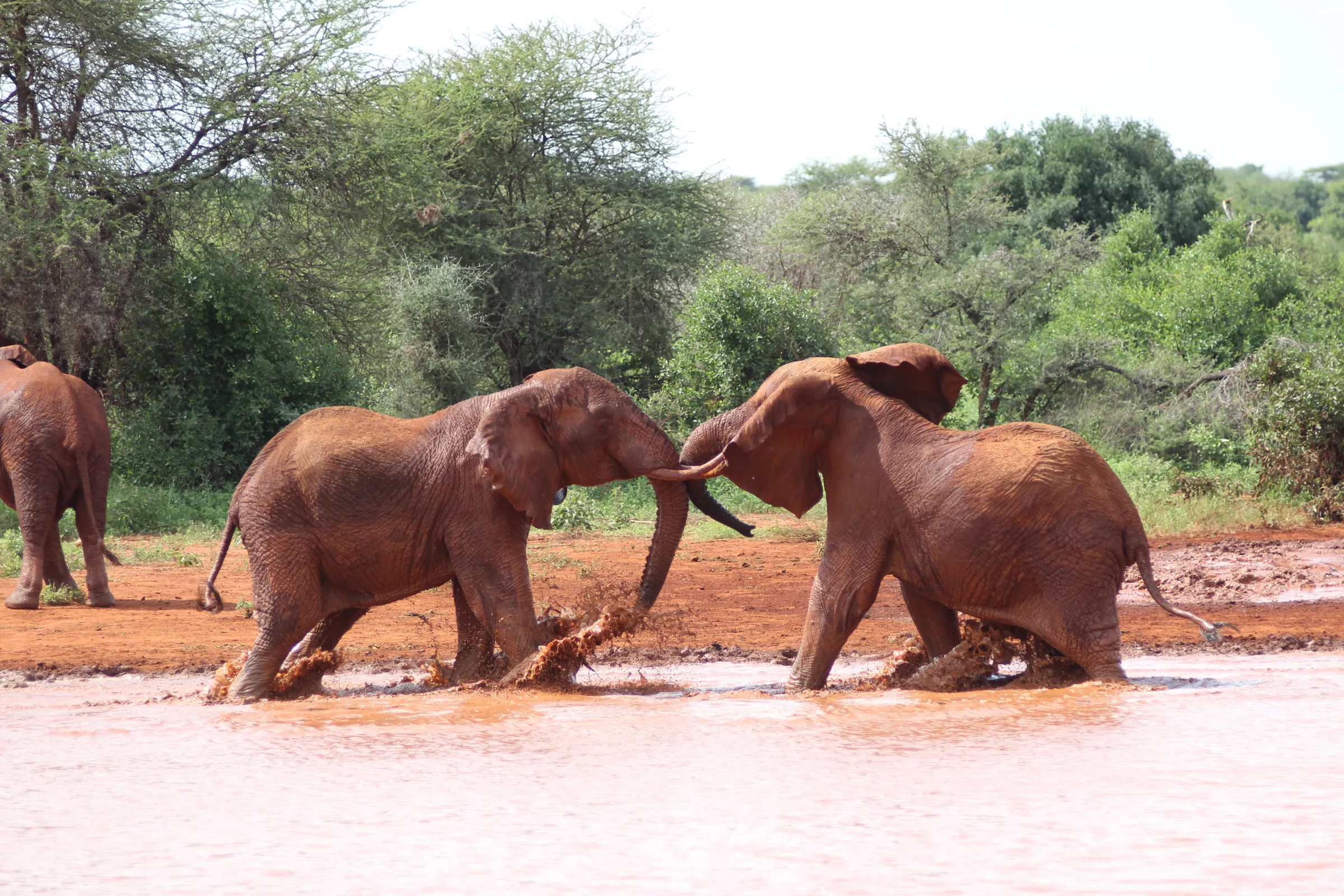
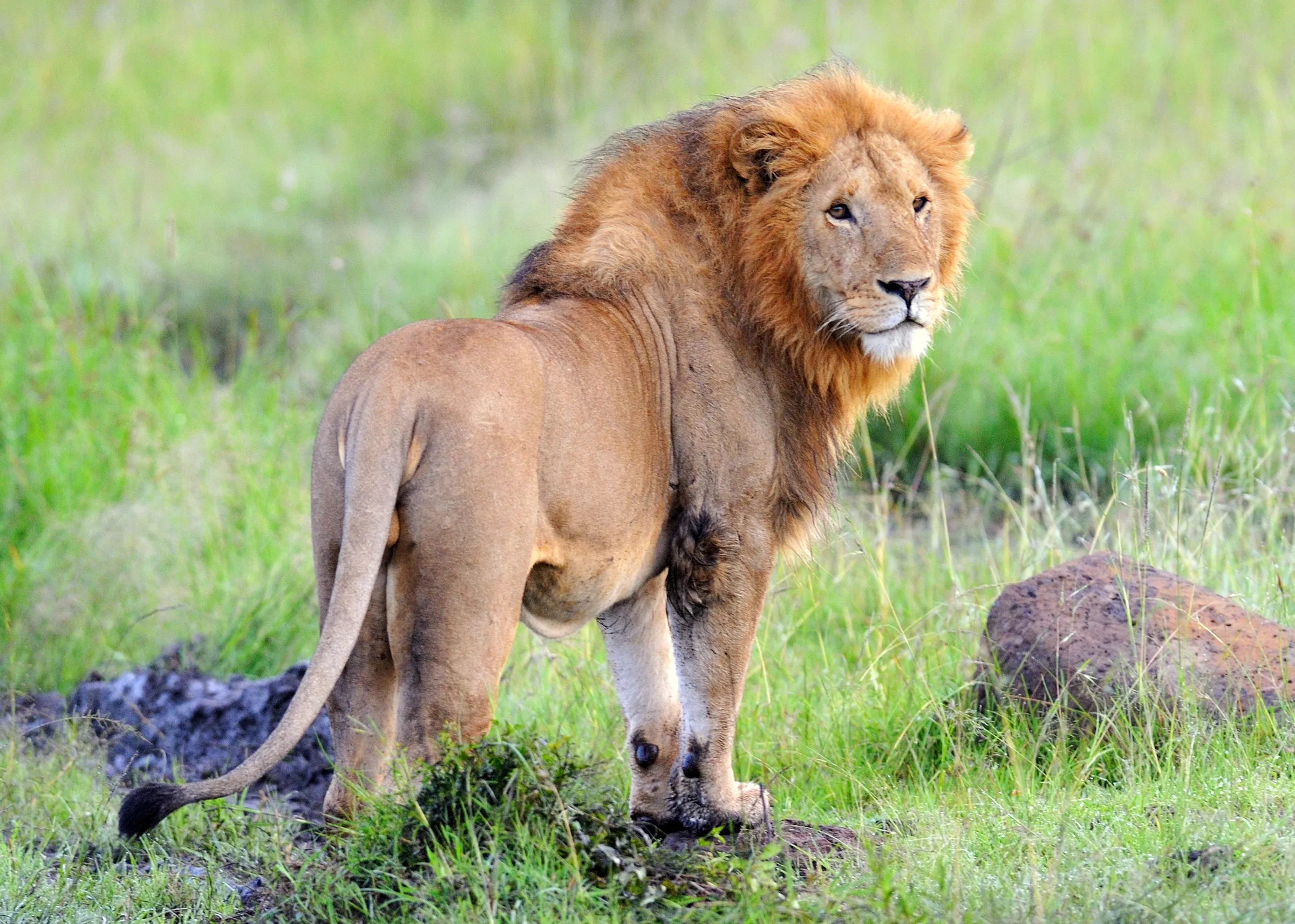
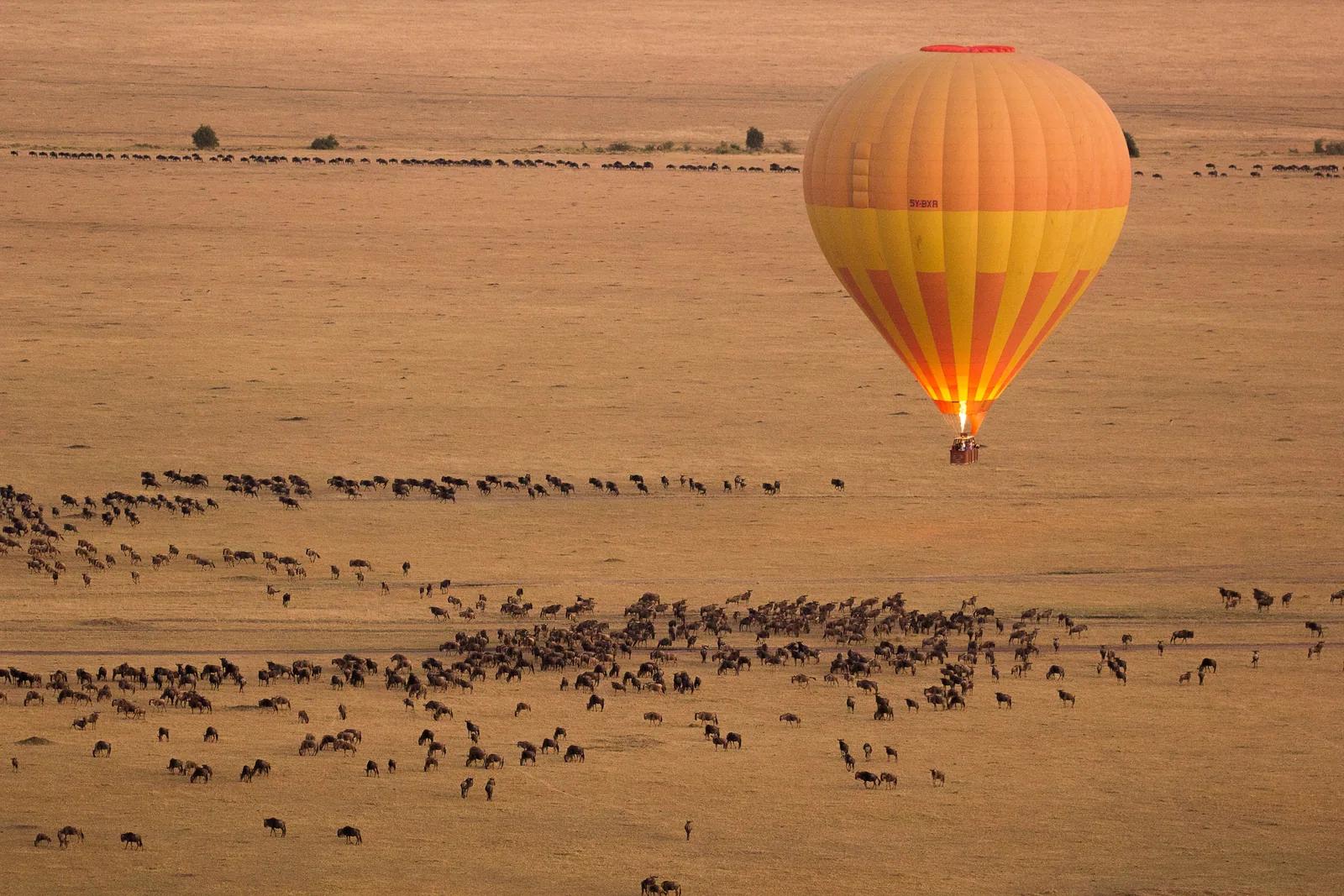
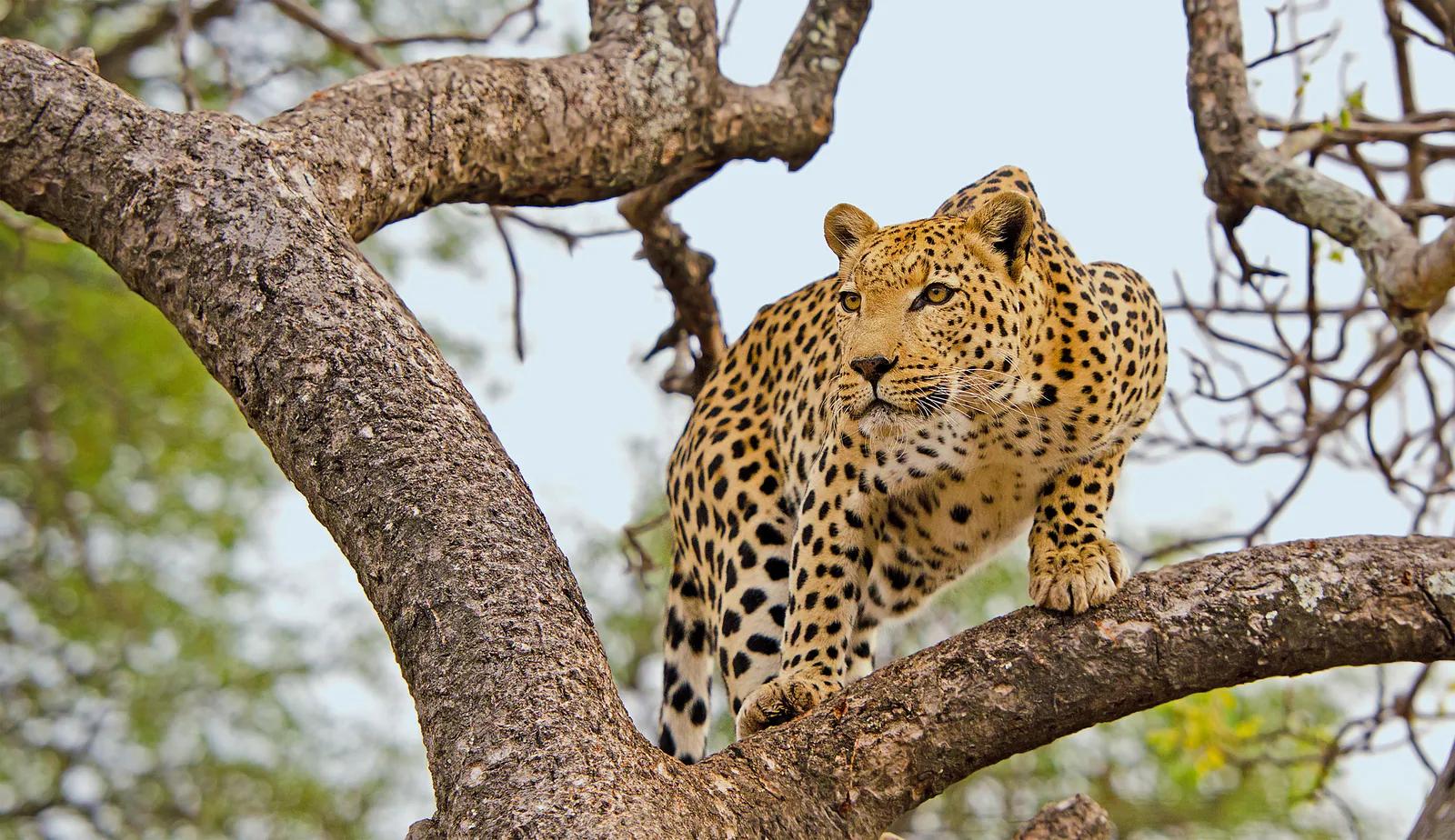
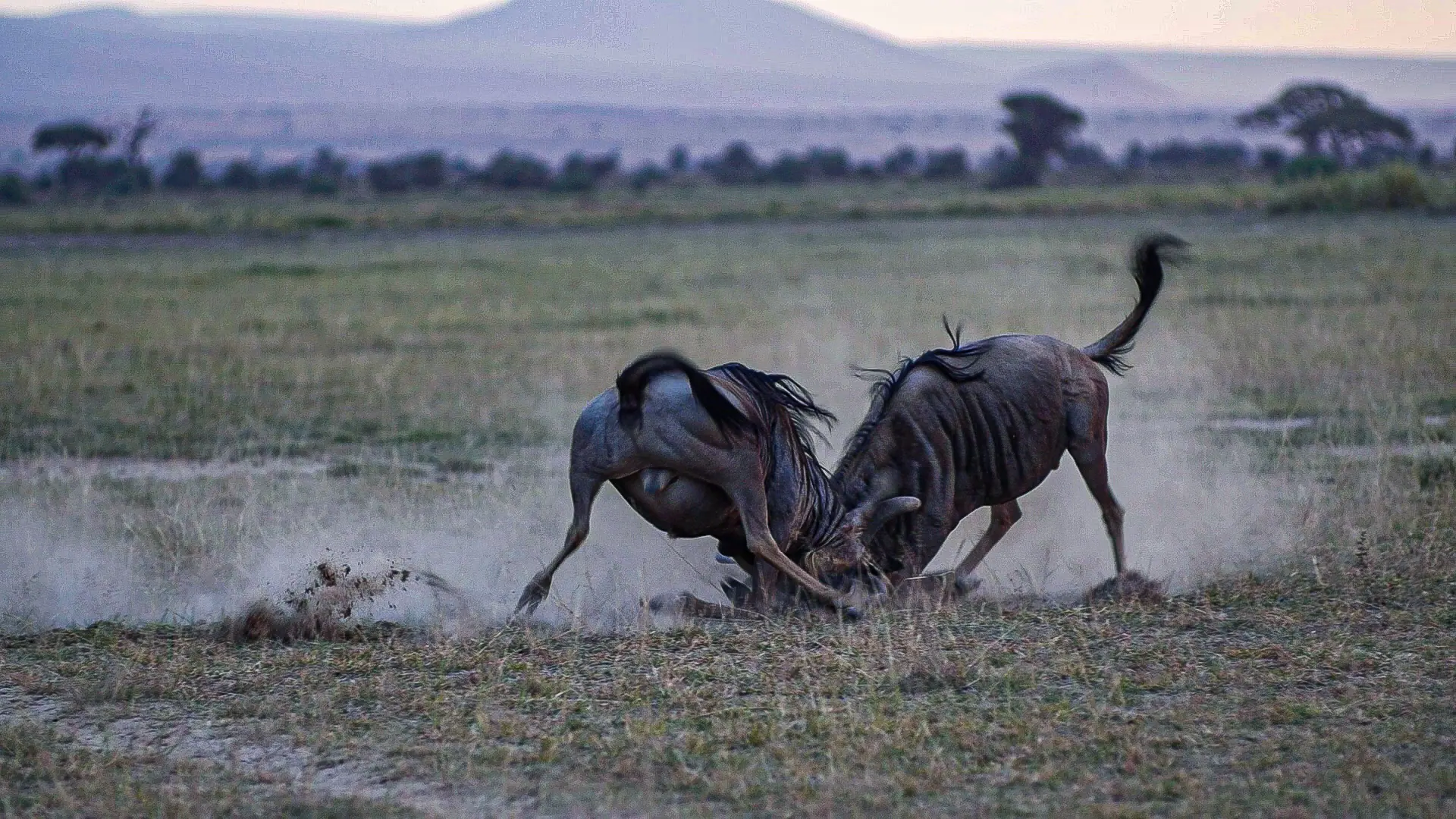
In two days in the Mara, most visitors see lions, elephants, buffalo, giraffes, zebras, hippos and a great many antelope. Cheetahs are common on the open plains, and leopards are seen often but never promised. Rhinos are rare in the Mara and not something to plan a short trip around. From about late July to October, the wildebeest herds are usually in the Mara, and a river crossing is possible on your full day, though never guaranteed: crossings can happen three times in a morning or not at all for days.
Add-ons that fit
- A hot-air balloon at dawn on day 2: about $450 to $550 per person, with breakfast on the plains, and you join your guide for the rest of the day after
- A Maasai village visit on the afternoon of day 1 or the morning of day 3: about $30 to $50 per person, run by the community
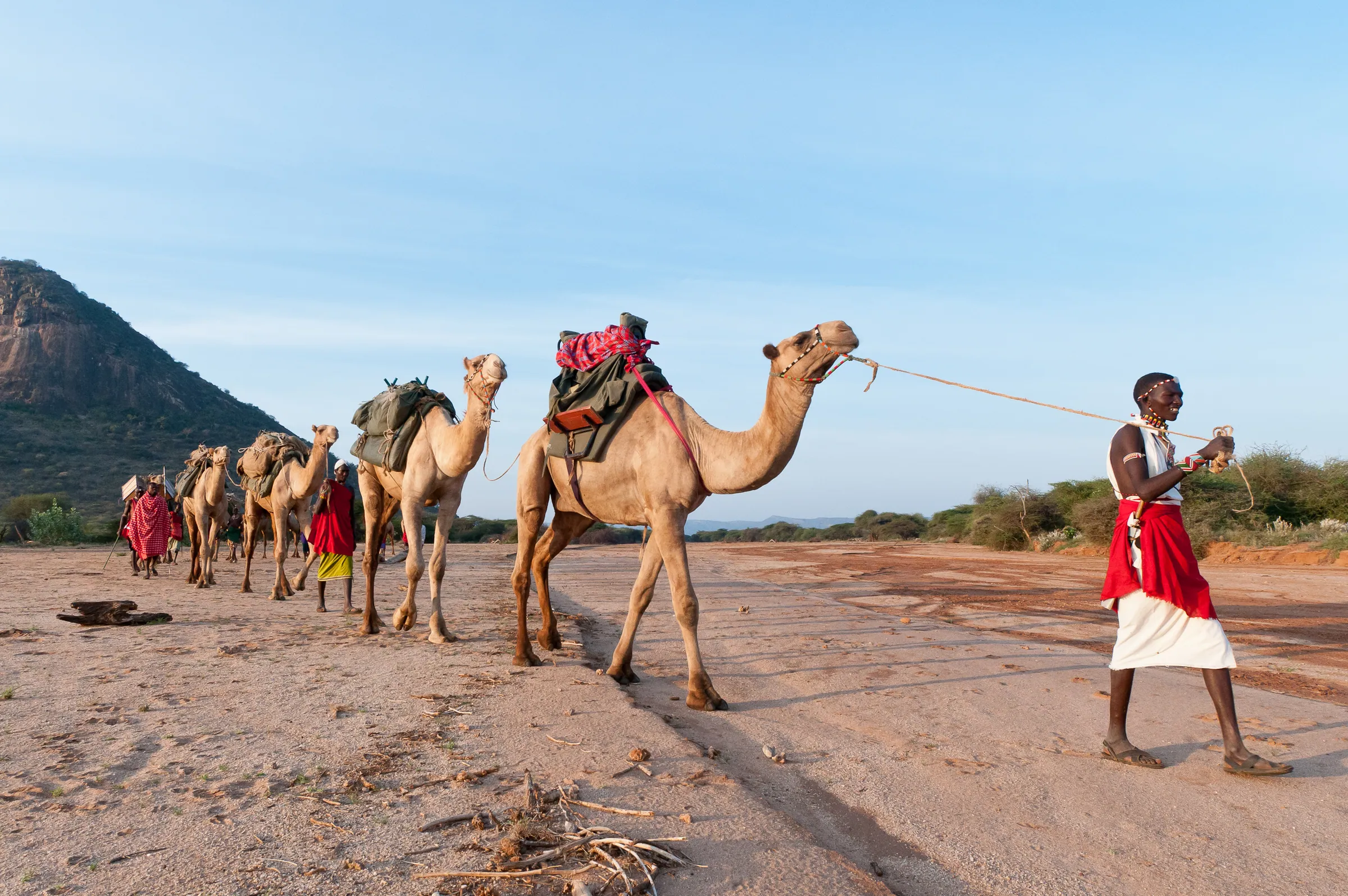
- A walk with Maasai guides in a conservancy, where the camp offers it
- One more night: the best upgrade there is, and the one we suggest first
When to go
The Mara is good all year, because its big cats stay put. Late July to October usually brings the migration and the highest prices, so book early. January to June has the reserve fee at half the July to December rate, and January to March is dry and often the best value of the year. April and May are the long rains: some camps close and drives get muddy, but prices drop furthest.
What is included
- Transfers between your Nairobi hotel or the airport and Wilson
- Return flights from Wilson to the Mara
- Two nights in a mid-range tented camp, full board
- Game drives with a professional guide, and the park or conservancy fees for your days
- Drinking water and our 24-hour support
What is not included
- International flights and your Nairobi hotel nights
- Kenya eTA, Kenya's inbound health insurance and travel insurance
- The balloon flight and village visit
- Tips, premium drinks and personal items
How to book
Tell us your two nights and where you will be in Nairobi. We match the flight times to your schedule, pick a camp near the right airstrip, and send a written quote with every fee listed. The from-price is for the low season with shared drives at the camp; July to December, private vehicles and conservancy camps cost more, and we show you the difference. You can pay in full or monthly with no deposit.