Comparisons. Updated November 2026. 3 min read.
Kakamega Forest or Lake Turkana? Choose Kakamega Forest if forest walks and primates appeal; choose Lake Turkana if your heart is set on koobi fora and the sibiloi fossil beds. They are in different parts of Kenya, so doing both means a flight or a long drive between them. Here is the side-by-side: what each is for, what it costs, when to go, how you get there and how they combine.
| Kakamega Forest | Lake Turkana | |
|---|---|---|
| Best for | Kenya's last rainforest: 400 bird species, blue monkeys, colobus and 400 kinds of butterfly. | The world's largest desert lake, the cradle of mankind at Koobi Fora and the Turkana, El Molo and Rendille peoples. |
| Wildlife | monkeys and chimpanzees; exceptional birding | exceptional birding |
| Daily fee | $22 per adult per day | Sibiloi National Park $26 per adult per day; no fee for the lakeshore |
| From Nairobi by road | 400 km, 7h | 650 km, 14h |
| Flights | about 50 min from JKIA | about 90 min from Wilson |
| Best months | Jan, Feb, Jun, Jul, Aug, Sep, Dec | Jan, Feb, Jun, Jul, Aug, Sep |
| Climate | Warm and humid, with afternoon storms through much of the year and no real dry season | One of the hottest, driest places in Kenya, with a steady wind off the lake |
| Malaria risk | high | moderate |
| Where to stay | A forest guesthouse, a bandas camp at Isecheno and an eco-lodge at the forest edge. | Basic camps at Loiyangalani and Eliye Springs, and the Lodwar hotels; this is expedition country. |
Choose Kakamega Forest if
- Forest walks and primates appeal.
- You have less time: it is the shorter drive from Nairobi.
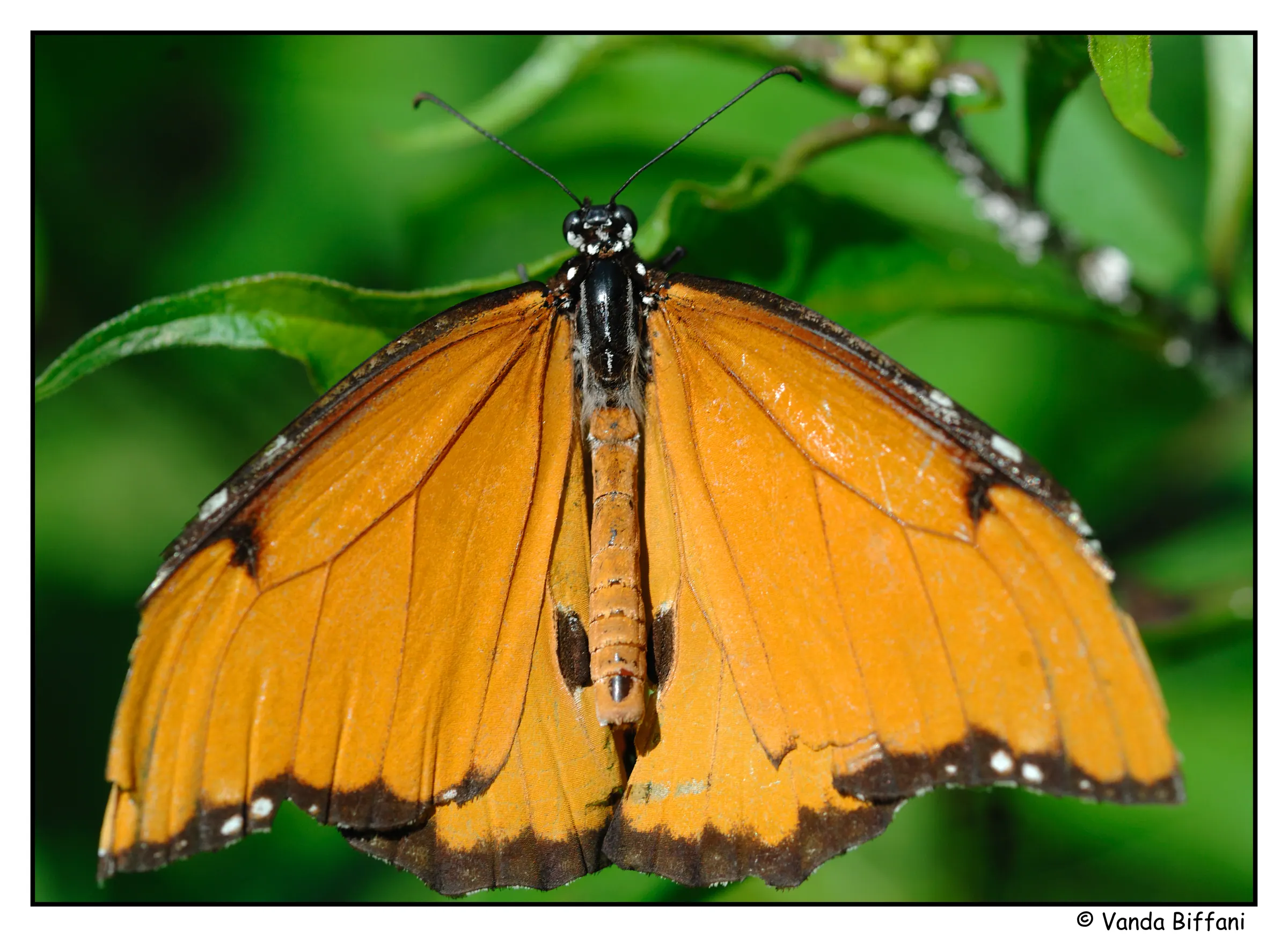
Kenya's last rainforest: 400 bird species, blue monkeys, colobus and 400 kinds of butterfly. The things people go for: dawn birding walks with a forest guide; colobus and blue monkeys; butterflies at the forest edge; the Isiukhu Falls and Buyangu Hill.
Choose Lake Turkana if
- Your heart is set on koobi fora and the sibiloi fossil beds.
The world's largest desert lake, the cradle of mankind at Koobi Fora and the Turkana, El Molo and Rendille peoples. The things people go for: koobi Fora and the Sibiloi fossil beds; the Lake Turkana Festival at Loiyangalani; central Island's crater lakes and crocodiles; el Molo villages and the Chalbi desert on the way.
When to go to each
Kakamega Forest's best months are Jan, Feb, Jun, Jul, Aug, Sep, Dec; Lake Turkana's are Jan, Feb, Jun, Jul, Aug, Sep. Both are at their best in January, February, June, July and more, so a trip that includes both works in those months. The weather differs: western Kenya and the lake basin is warm and humid, with afternoon storms through much of the year and no real dry season, while Lake Turkana and the far north is one of the hottest, driest places in Kenya, with a steady wind off the lake. Each place's month pages give the detail for your exact dates.
Cost
Daily fees: $22 per adult per day at Kakamega Forest, against Sibiloi National Park $26 per adult per day; no fee for the lakeshore at Lake Turkana. Beyond the fee, the lodge tier you choose decides the cost: budget camps run about $150 to $300 per person per night, mid-range $300 to $600 and luxury $600 to $1,500, in either place. Spending a day at either costs about the same once the lodge is chosen. Both have airstrips, so flying is possible to either.
Doing both
Kakamega Forest and Lake Turkana are far apart. The practical pairing is a flight between them or a night in Nairobi in the middle, which most 10-day itineraries can absorb; on a week or less, pick one.