
Month by month. Updated November 2026. 3 min read.
June in Ol Pejeta is the cool dry season in Kenya: typically mild days around 72°F, chilly nights near 51°F and a few showers, about 1.1 inches over the month. For Ol Pejeta that makes June one of the best months.
East Africa's largest black rhino sanctuary, the last two northern white rhinos and the only chimpanzees in Kenya. June sits inside the place's best window, so this page covers the weather you will actually get, what the wildlife is doing, how busy and expensive it is, what to pack and whether a different month or a different place would serve you better.
Weather in Ol Pejeta in June
The Laikipia plateau sits at about 5,900 to 6,500 ft, dry, sunny and crisp, with Mount Kenya on the horizon and cold nights under clear skies. In June the typical daytime high is 72°F and the night low 51°F, with roughly 3 days that see rain, mostly brief. Day-to-night swings are moderate. This is the dry season: dusty tracks, clear mornings and the most reliable driving conditions of the year.
| June | May (before) | July (after) | |
|---|---|---|---|
| Daytime high | 72°F | 73°F | 71°F |
| Night low | 51°F | 54°F | 50°F |
| Rainfall | 1.1 in | 3.0 in | 1.3 in |
| Wet days | about 3 | about 8 | about 3 |
| Crowds | rising | very quiet | busy |
| Lodge rates | mid | lowest | peak |
Wildlife and what to do in Ol Pejeta in June
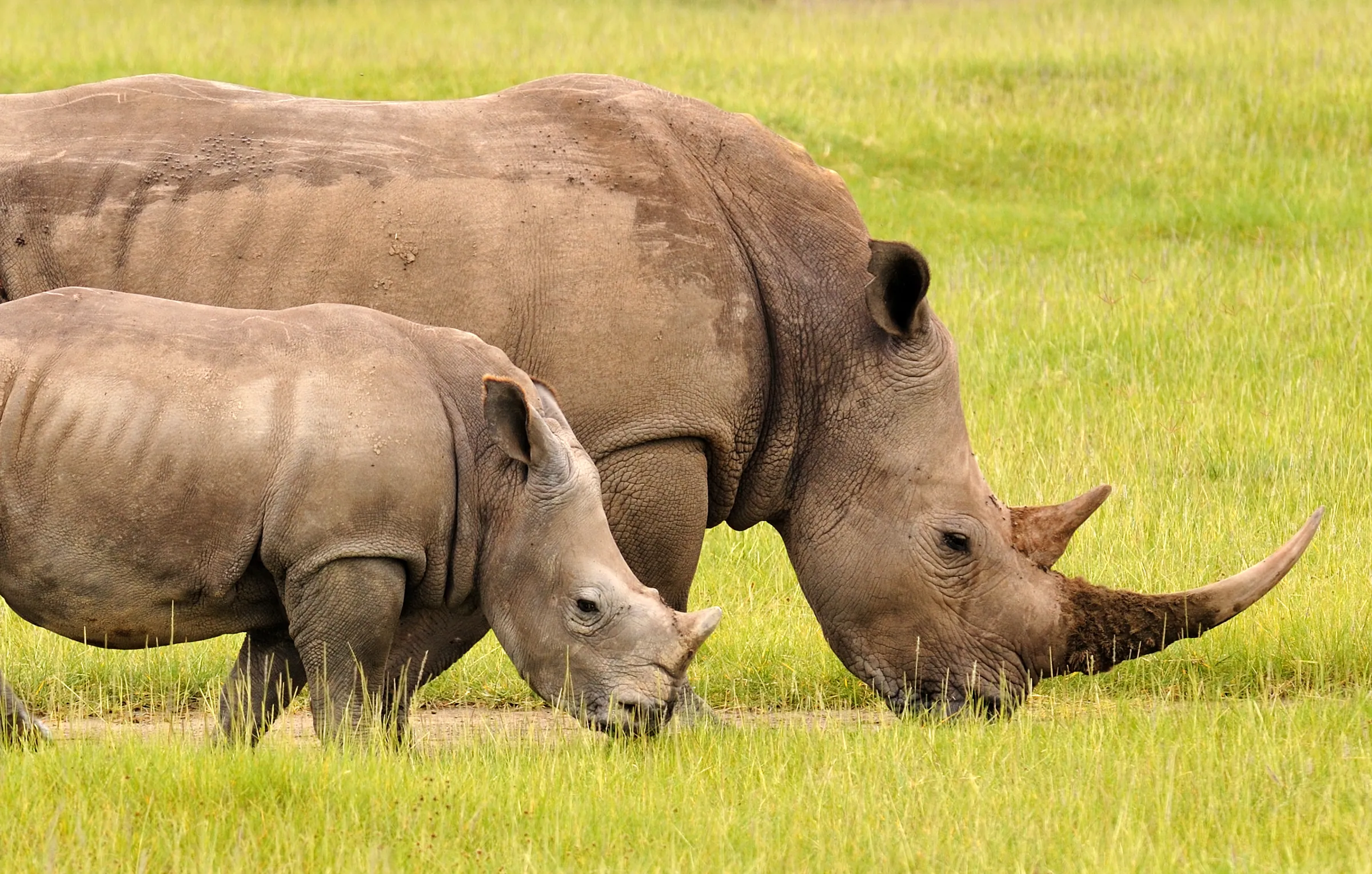
Grass is dropping and rhino sightings get easier each week.
The grass is dropping and sightings improve; cats concentrate near the returning herds.
Drier trails and busy monkeys as the fruiting season begins.
- Black and white rhinos, including Najin and Fatu.
- The Sweetwaters chimpanzee sanctuary.
- Night drives and lion tracking.
- Walking and horse riding on the plains.
- Mount Kenya at dawn.
Crowds and prices in June
Across Kenya, June is a rising month with mid-season rates. Entry in Ol Pejeta: $110 per adult per day (conservancy fee; verify). Booking two to three months ahead is usually enough, except over public holidays.
For the full cost picture, including flights from your city, see the Kenya safari cost guide and the cost calculator. Malaria risk in Ol Pejeta is low because of the altitude, though repellent at dusk is still sensible.
What to pack for Ol Pejeta in June
- A warm fleece or down jacket and a beanie for dawn game drives; open vehicles feel colder than the thermometer says
- Binoculars (8x42 is the safari standard), a headlamp for camp paths and a power bank
- A light jacket for evenings in every month; altitude keeps the nights cool
Is June the right month for Ol Pejeta?
Yes. June is one of the months we recommend for Ol Pejeta. If you want the same weather with fewer people, July is the quieter neighbour.