
Month by month. Updated November 2026. 3 min read.
February on Mount Longonot is the warm dry season in Kenya: typically warm days around 82°F, chilly nights near 51°F and a few showers, about 1.8 inches over the month. For Mount Longonot that makes February one of the best months.
The crater-rim hike an hour from Nairobi: 3 km up, 7 km around the rim, and the Rift at your feet. February sits inside the place's best window, so this page covers the weather you will actually get, what the wildlife is doing, how busy and expensive it is, what to pack and whether a different month or a different place would serve you better.
Weather on Mount Longonot in February
The Rift Valley lakes sits at about 5,800 to 6,200 ft, warm days and cool nights, with the lakes rising and falling on the rains. In February the typical daytime high is 82°F and the night low 51°F, with roughly 5 days that see rain, mostly brief. The swing between day and night is large, so layers matter more than any single warm or light item. Roads are generally good.
| February | January (before) | March (after) | |
|---|---|---|---|
| Daytime high | 82°F | 80°F | 81°F |
| Night low | 51°F | 50°F | 54°F |
| Rainfall | 1.8 in | 1.5 in | 3.1 in |
| Wet days | about 5 | about 4 | about 8 |
| Crowds | quiet | moderate | quiet |
| Lodge rates | low | mid | low |
Wildlife and what to do on Mount Longonot in February
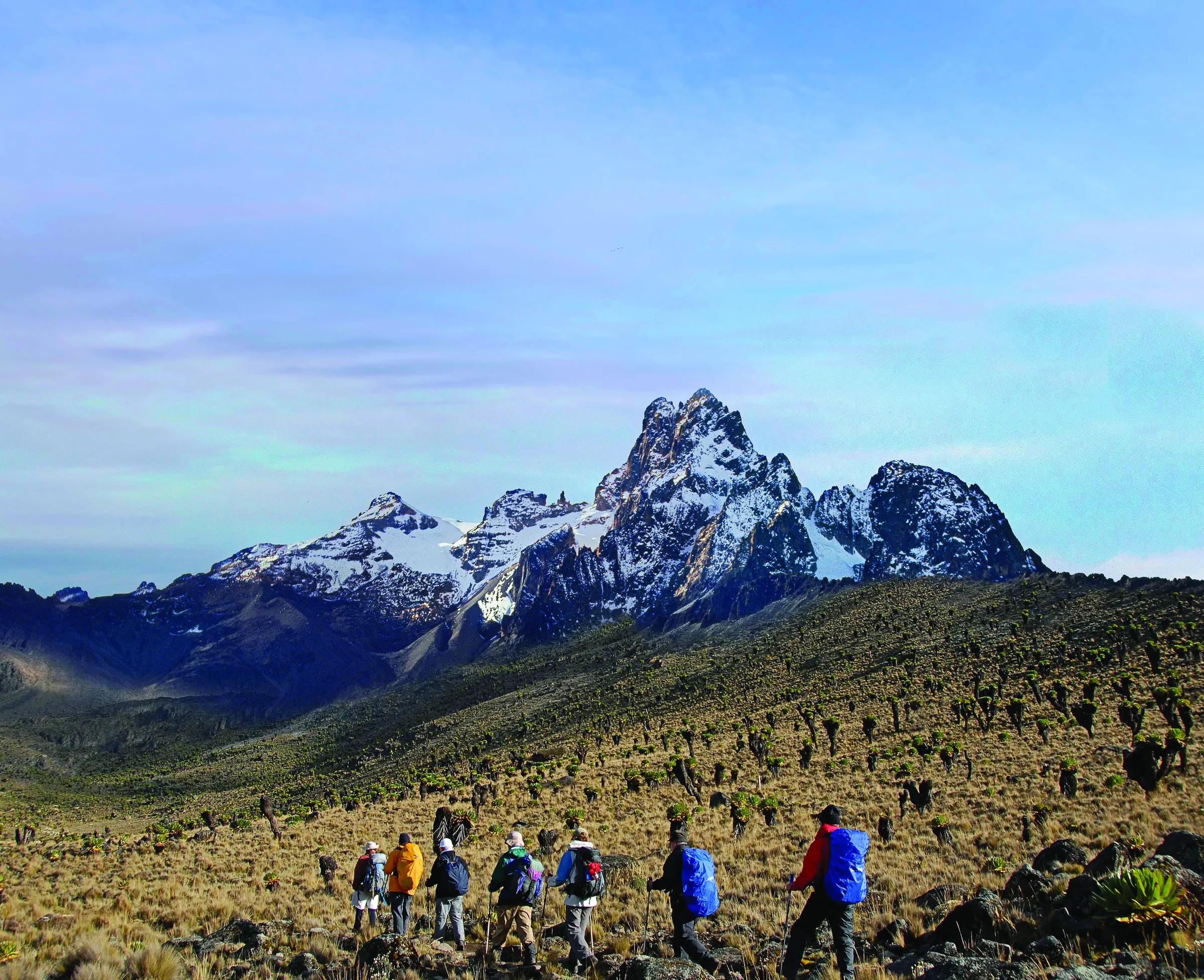
The driest, clearest trekking month; book huts early.
- The rim hike, 3 to 6 hours.
- Views over Naivasha and the Rift.
- Buffalo and zebra on the lower slopes.
- A day trip from Nairobi or Naivasha.
Crowds and prices in February
Across Kenya, February is a quiet month with low lodge rates. Entry on Mount Longonot: About $26 per adult per day (KWS; verify). Booking two to three months ahead is usually enough, except over public holidays.
For the full cost picture, including flights from your city, see the Kenya safari cost guide and the cost calculator. Malaria risk on Mount Longonot is low because of the altitude, though repellent at dusk is still sensible.
What to pack for Mount Longonot in February
- A warm fleece or down jacket and a beanie for dawn game drives; open vehicles feel colder than the thermometer says
- Layers for four seasons in one day, a sleeping bag rated to 20°F for the summit huts and sunglasses for the glare
- Binoculars (8x42 is the safari standard), a headlamp for camp paths and a power bank
Is February the right month for Mount Longonot?
Yes. February is one of the months we recommend for Mount Longonot. If you want the same weather with fewer people, January is the quieter neighbour.