Travel essentials. Updated November 2026. 3 min read.
Lake Naivasha charges No park fee for the lake; Crescent Island and Hell's Gate charge separately. Fees are small and paid at the entrance. Here is what the fee buys, how the ticket works, what children and vehicles pay, how it compares with the places around it, and how it sits inside a trip price.
How the ticket works
- Conservancy fees are charged per night of your stay and cover drives, walks and night drives on the conservancy.
- Nothing to do at a gate: the camp has already paid your fee to the conservancy when you book.
- Keep the receipt or e-ticket on your phone; rangers check it at the gate and sometimes on patrol.
- Rates are for non-residents; East African residents and Kenyan citizens pay far less, which matters for diaspora travelers with Kenyan passports (see our citizen-rates guide).
Children, vehicles and extras
Children's conservancy fees are usually about half the adult rate, and some camps waive them for under-sixes; ask at booking. Vehicles pay a daily fee by seat count (a safari van or Land Cruiser is a few dollars a day), paid with the ticket. Balloon flights, walking safaris, night drives and cultural visits are priced separately by the operator or camp.
What the fee pays for
Fees go to the community or body that maintains the trails and boardwalks.
Lake Naivasha against the places around it
| Place | Fee per adult per day | Distance |
|---|---|---|
| Lake Naivasha | No park fee for the lake | — |
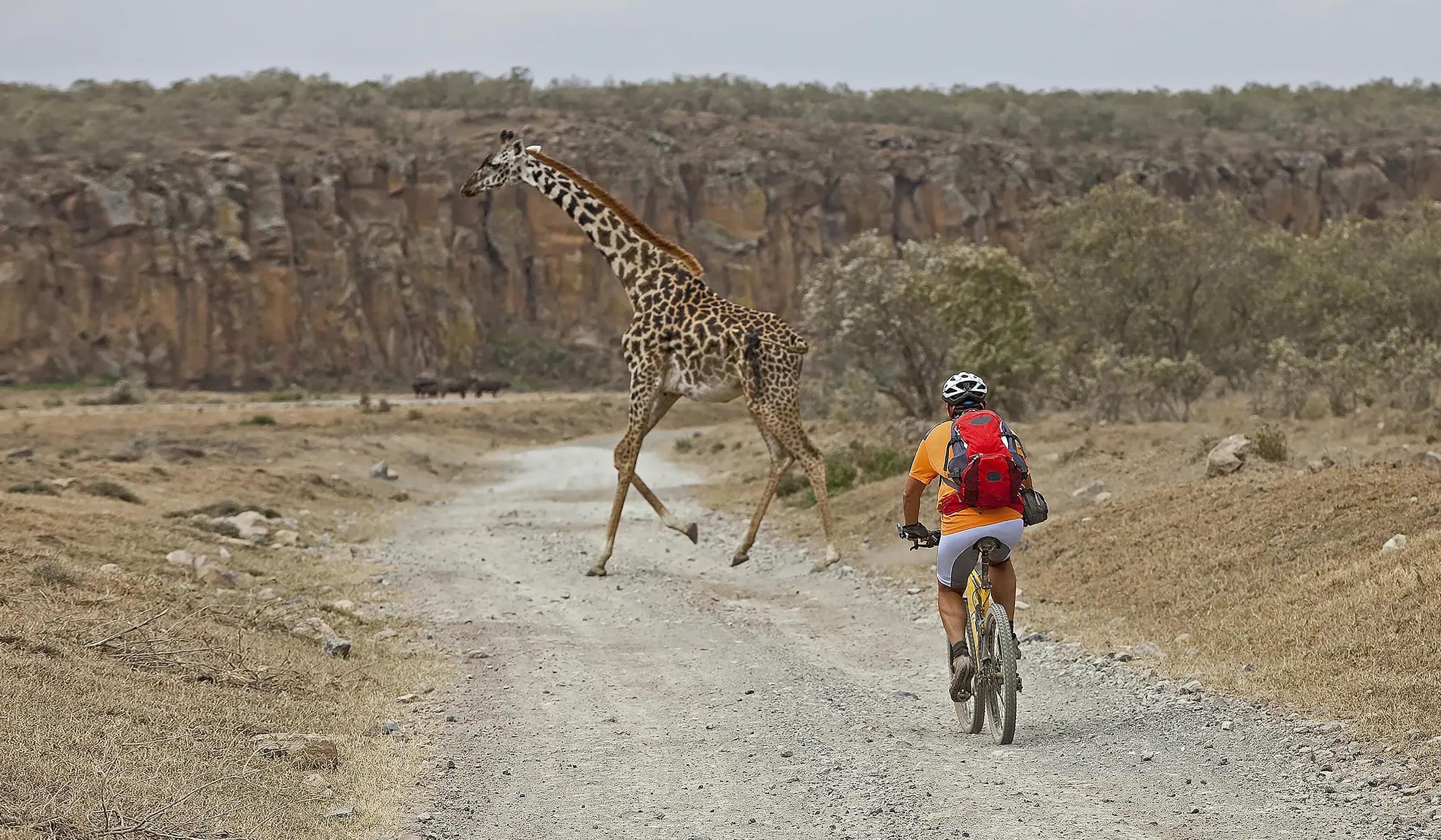
| Hell's Gate | $50 per adult per day, plus a bike hire fee at the gate | about 20 km |
| Mount Longonot | About $26 per adult per day (KWS | about 20 km |
| Lake Elementaita | No park fee | about 50 km |
How fees sit inside a trip price
Our safari prices include every park, reserve and conservancy fee for the itinerary, so the number you see is the number you pay. As a rule of thumb, fees are 10 to 20 percent of a mid-range safari's land cost. The bigger levers are the lodge tier and the season, which the cost guide explains.