Kenyans in the U.S.. Updated November 2026. 5 min read.
Your spouse has met your mother on video calls. Now they are meeting her in person, in the village, with the whole clan watching. They will be fed four times before lunch, asked when the children are coming, teased about the dowry and offered the best piece of the goat. Here is how to prepare them, and how to protect them from the goat.
The short version: brief them properly before you fly, plan the trip in short stretches, and stay close, especially on the first day. Kenyan families are warm and curious, and most of what feels intense to an American spouse is love in a form they have not met before. With a little preparation, the trip goes from an ordeal to the visit your family talks about for years.
What to expect
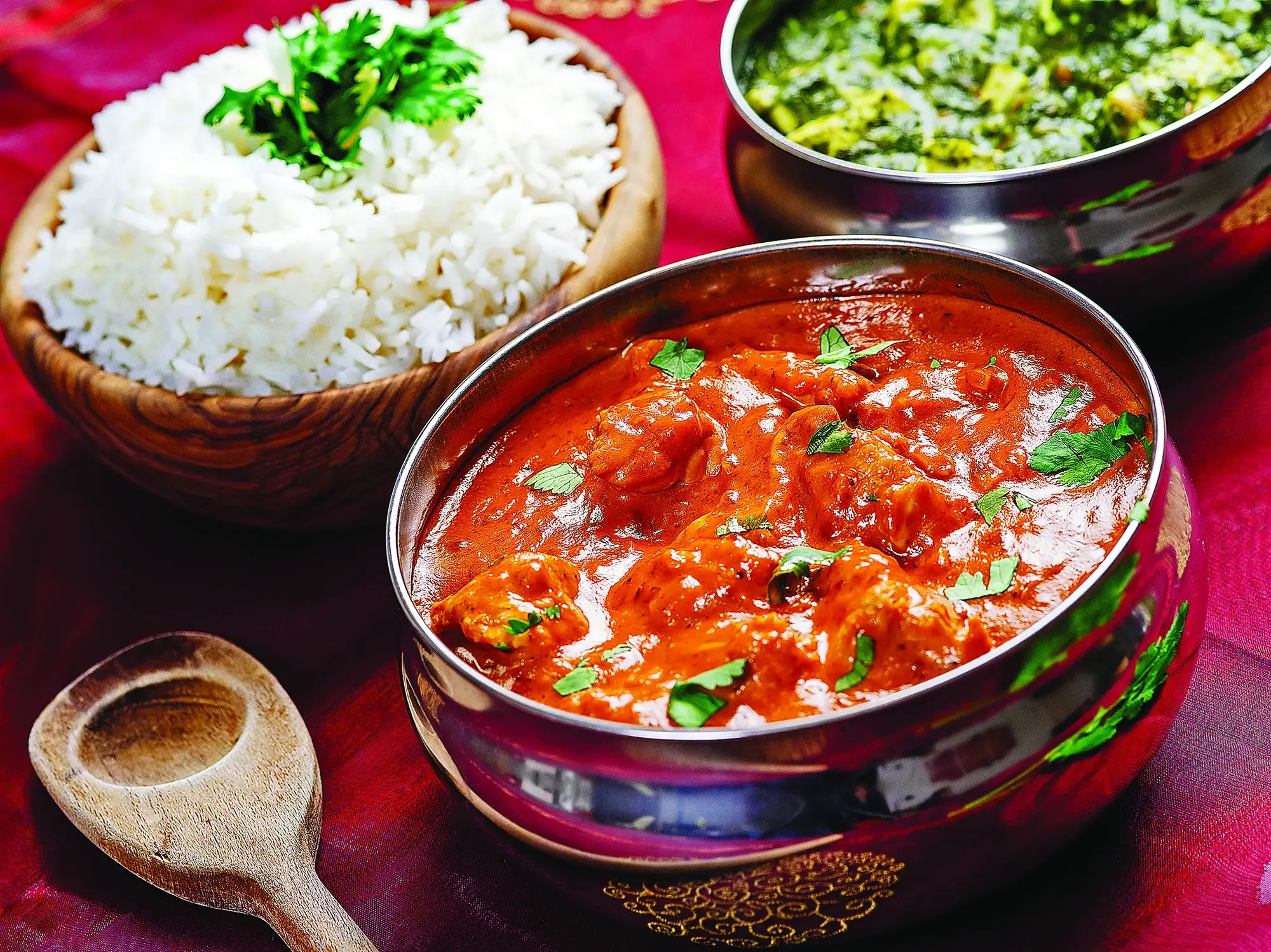
- Hospitality without limits: visitors are fed, and fed again; refusing food can read as refusing the host
- Visitors all day: neighbors, church members and relatives will come to greet 'the one from America'
- Questions you would not ask in the U.S.: how much you earn, when the babies are coming, why you have only one, what your parents do
- Dowry jokes: if a bride price has not been paid, expect uncles to raise it with a smile; it is usually a joke, but sometimes it is not
- Language: conversations will switch between English, Kiswahili and your mother tongue, sometimes mid-sentence, and your spouse will be talked about while sitting right there
- Names and titles: elders are rarely called by first name; your spouse may be called by a family name or a new name given on the spot
Before you fly: the briefing
Sit down together a few weeks before the trip and walk through the family. Use photos. Who is who, who is close to whom, which uncle speaks for the family, which aunt raised you. Tell them the topics to leave alone, the history they should know and the names they should learn. Teach them a few words: habari and asante, karibu, and the greeting in your mother tongue. A greeting in the family's language, even a clumsy one, will win over a grandmother faster than any gift. Our Kiswahili lessons start with greetings and the family.
- Agree in advance how long you will stay at each home, and stick to it
- Agree a signal for 'I need a break', and honor it
- Agree how you will answer the money questions and the children questions, so you give the same answer
- Decide together what you will give, and when; it is much easier than deciding in the moment
What to wear
| Where | What works | What to avoid |
|---|---|---|
| The village | Long skirts or trousers, shirts with sleeves, sandals or shoes for mud | Very short shorts, low necklines, white shoes |
| Church on Sunday | Your smart clothes; many women wear a dress and a headscarf or hat, men a shirt and often a jacket | Jeans and T-shirts, unless your family says otherwise |
| Nairobi | What you would wear in an American city | Flashy jewelry in crowds |
| Evenings upcountry | A sweater or fleece; the highlands get cold at night | Assuming Africa is always hot |
Our guide to what to wear in Kenya covers the safari and the coast.

Gifts
Your spouse should arrive with something for your parents, and ideally something small for the people who will host you. Let the gift come from them, in their hands. Our gifts and shipping guide covers what families expect and what customs allow, and our gifts for hosts guide covers the small things for visits.
The first day
- Arrive in daylight and rested: spend a night in Nairobi first, not straight off the plane
- Greet the elders first, with a handshake held a little longer than usual, and in many families with the right hand supported by the left
- Sit where you are told; there is usually an order
- Accept the tea; it will be sweet and milky, and there will be more
- Expect a short speech of welcome, and be ready to say a few words back; thank them for raising your spouse
- Leave before you are exhausted; you are coming back tomorrow

Life in the compound
Be honest with your spouse about the practical things. Many rural homes have an outdoor latrine, water drawn from a tank or a borehole, a bucket shower heated on the fire, and electricity that comes and goes. Rooms are shared, walls are thin, and the rooster starts at four. None of this is a problem if they know in advance. If it is too much, book a clean hotel in the nearest town and spend the days at home: plenty of Kenyan families do this with guests, and nobody need be offended if you explain that it is for your spouse's rest. Privacy is hard to find; a walk together in the evening is often the only time you will be alone.
About the goat
For an honored guest, a family may slaughter a goat or a chicken. It is a compliment, and in many homes it happens in the compound, in full view. Your spouse does not have to watch; it is fine to go inside. At the meal they may be offered a special piece: the liver, a kidney, part of the head or the best ribs. They can accept a small piece, eat a little and pass the plate on. If your spouse is vegetarian, tell the family well before you arrive, so the host can prepare something else and nobody is embarrassed. Our dietary needs guide has the words to explain it.
Your job as the bridge
You are the translator, the cultural explainer and the bodyguard. Step in when the questions go too far. Translate the jokes, and the context. Tell your family what your spouse finds hard, privately, so they can adjust. And tell your spouse, often, what they are doing well. The couples who enjoy these trips most are the ones who act as a team and who leave the arguments for the drive back to Nairobi.
For Black American spouses
If your spouse is African American, the trip can carry another layer: the first time in Africa, questions of heritage, and a family that may treat them as one of their own from the first hour, or address them in Kiswahili and be surprised they do not answer. Many find it deeply moving; some find the assumptions about America surprising. Give them space to have their own experience, and consider adding a day or two on the heritage trail, from the Nairobi National Museum to Mombasa's Fort Jesus. Our Black heritage travel page has the ideas.
The safari as a break
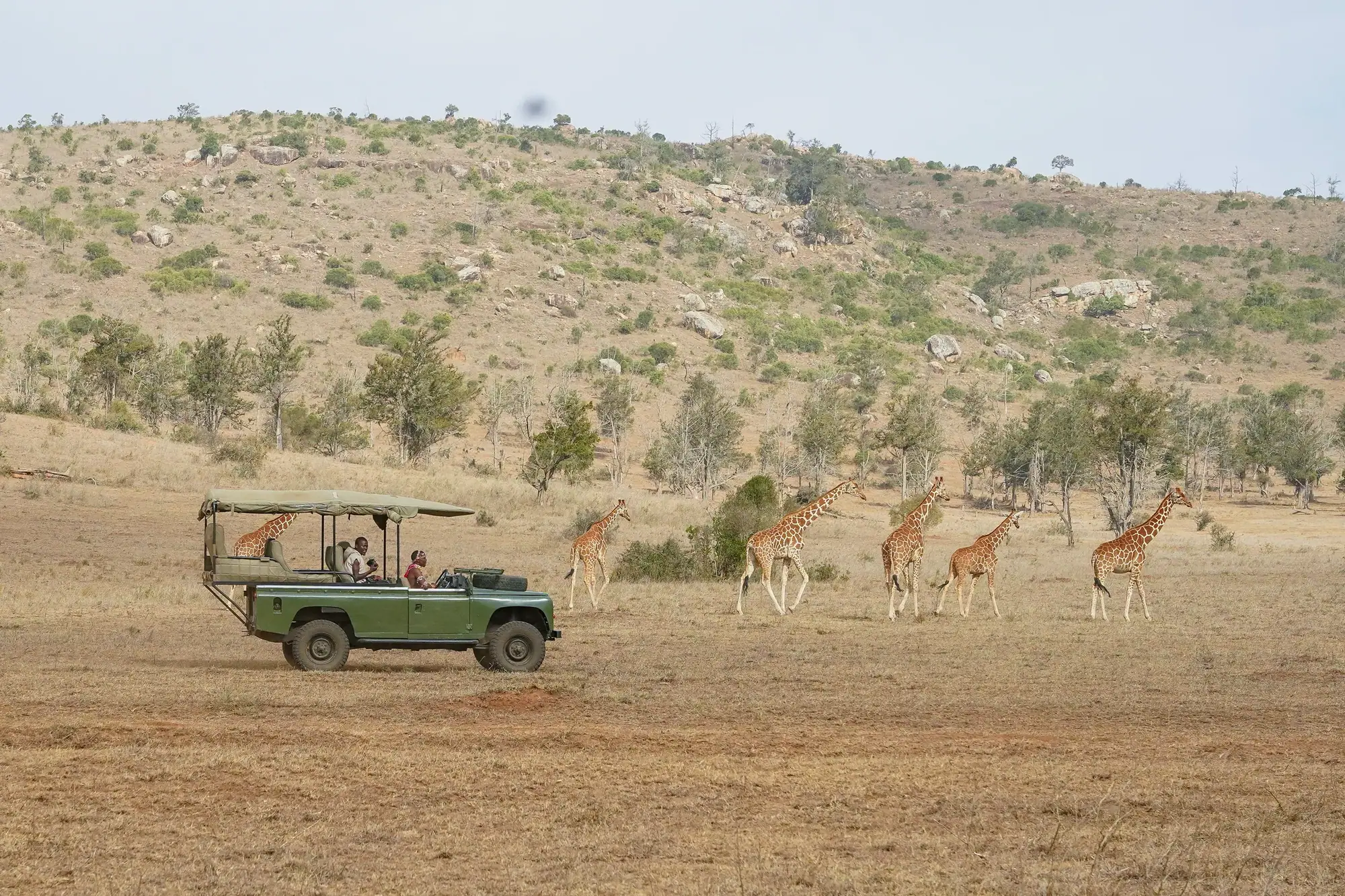
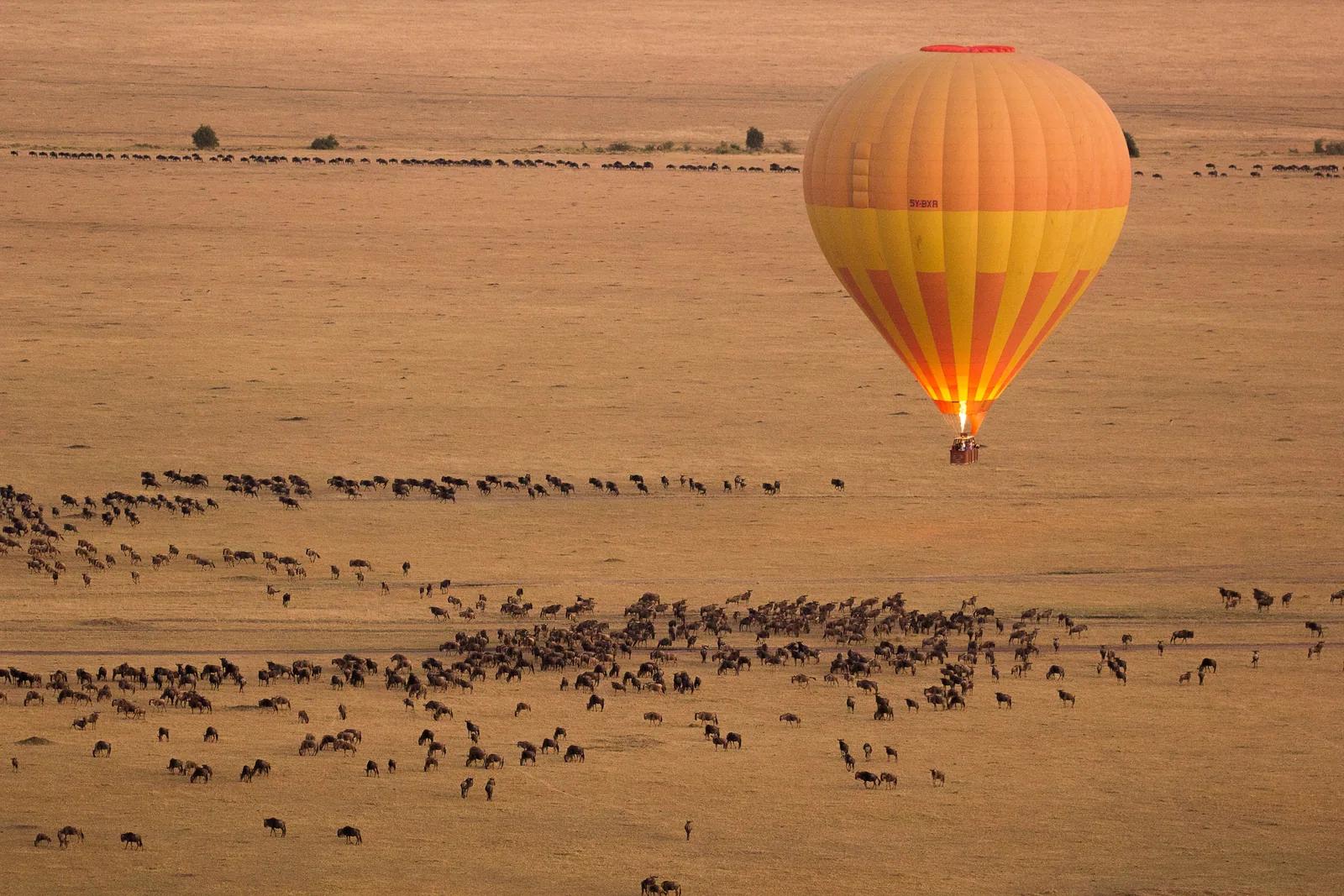
Build in two or three nights where the two of you, or the family, are on holiday. A short safari in the Mara or Amboseli after the village days, or a few days at Diani, gives your spouse their own memories of Kenya and gives both of you a rest. Many couples do the family days first, then the safari, then a last visit to say goodbye before flying home.