
Month by month. Updated November 2026. 3 min read.
February in Mombasa is the warm dry season in Kenya: typically warm to hot days around 91°F, warm nights near 75°F and almost no rain, about 0.6 inches over the month. For Mombasa that makes February one of the best months.
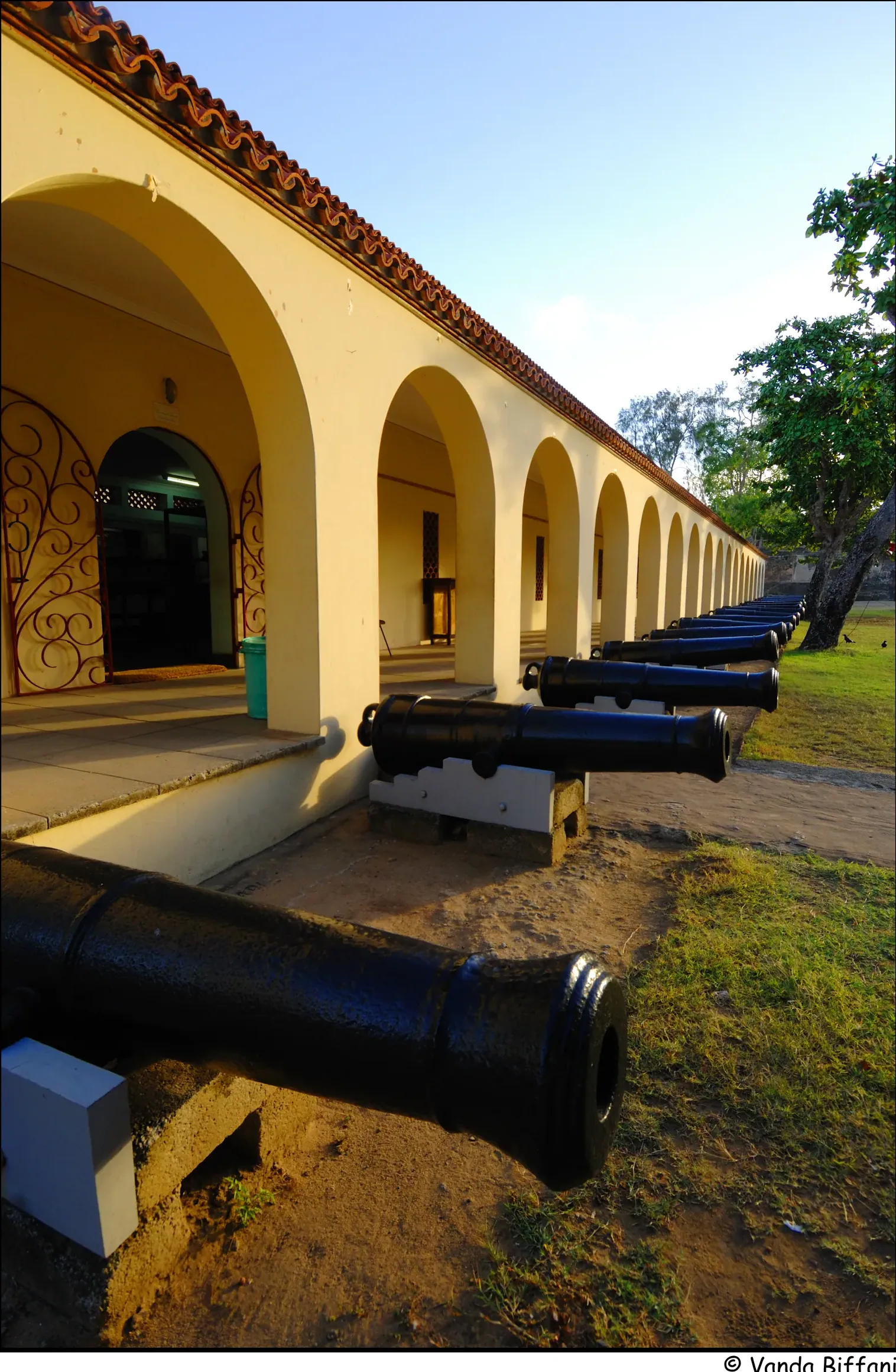
Fort Jesus, the Old Town's carved doors and the north-coast beaches, with the whole Swahili coast within reach. February sits inside the place's best window, so this page covers the weather you will actually get, what the wildlife is doing, how busy and expensive it is, what to pack and whether a different month or a different place would serve you better.
Weather in Mombasa in February
The Indian Ocean coast sits at sea level, hot and humid all year, with the heaviest rain in April and May and the clearest water from December to March. In February the typical daytime high is 91°F and the night low 75°F, with roughly 2 days that see rain, and most years none at all. Day-to-night swings are moderate. Roads are generally good.
| February | January (before) | March (after) | |
|---|---|---|---|
| Daytime high | 91°F | 90°F | 91°F |
| Night low | 75°F | 75°F | 76°F |
| Rainfall | 0.6 in | 1.1 in | 2.3 in |
| Wet days | about 2 | about 3 | about 6 |
| Crowds | quiet | moderate | quiet |
| Lodge rates | low | mid | low |
Wildlife and what to do in Mombasa in February
Hot, calm seas and the best visibility for diving and snorkelling; sailfish and marlin peak offshore.
The warmest month, with clear skies and long evenings.
- Fort Jesus and the Old Town.
- Nyali and Bamburi beaches.
- Haller Park's giraffes.
- Mombasa Marine Park by glass-bottom boat.
- The tusks on Moi Avenue.
Crowds and prices in February
Across Kenya, February is a quiet month with low lodge rates. Entry in Mombasa: Fort Jesus about $12; the marine park $17. Booking two to three months ahead is usually enough, except over public holidays.
For the full cost picture, including flights from your city, see the Kenya safari cost guide and the cost calculator. Mombasa is a malaria area in every month; take prophylaxis.
What to pack for Mombasa in February
- Light, long-sleeved shirts, a wide-brimmed hat and at least a litre of water per person per game drive
- Reef-safe sunscreen, a rash vest for snorkelling and something to cover shoulders and knees in town
- Malaria prophylaxis started before you travel, repellent with DEET or picaridin and long trousers at dusk
- Binoculars (8x42 is the safari standard), a headlamp for camp paths and a power bank
Is February the right month for Mombasa?
Yes. February is one of the months we recommend for Mombasa. If you want the same weather with fewer people, January is the quieter neighbour.