
Towns and places. Updated November 2026. 4 min read.
U.S. travel advisory
The U.S. advisory lists Kilifi County north of the Malindi area; Kilifi town, Watamu and Malindi are outside the listed zone and we travel there as normal.
Read the advisoryVasco da Gama landed at Malindi in 1498, and his pillar still stands. Kilifi also holds most of UNESCO's sacred Mijikenda kaya forests. Kilifi covers the north coast between Mombasa and the Tana Delta, with creeks, beaches and coastal forest. It is the heartland of the Mijikenda, especially the Giriama. Malindi is its largest town and Watamu its relaxed beach village.
Here are the 8 things to do in Kilifi County that we would send a visitor to, in rough order of how often our travelers ask for them, followed by how to fit them into a trip.
1. Gede Ruins
A forest-shrouded Swahili town of the 13th–17th centuries, with a palace and Great Mosque. This is the county's headline stop and the one to anchor a day around.
2. Arabuko-Sokoke Forest
The largest surviving East African coastal forest, home to the golden-rumped elephant shrew. Pairs well with Watamu Marine National Park, which is usually done the same day.
3. Watamu Marine National Park
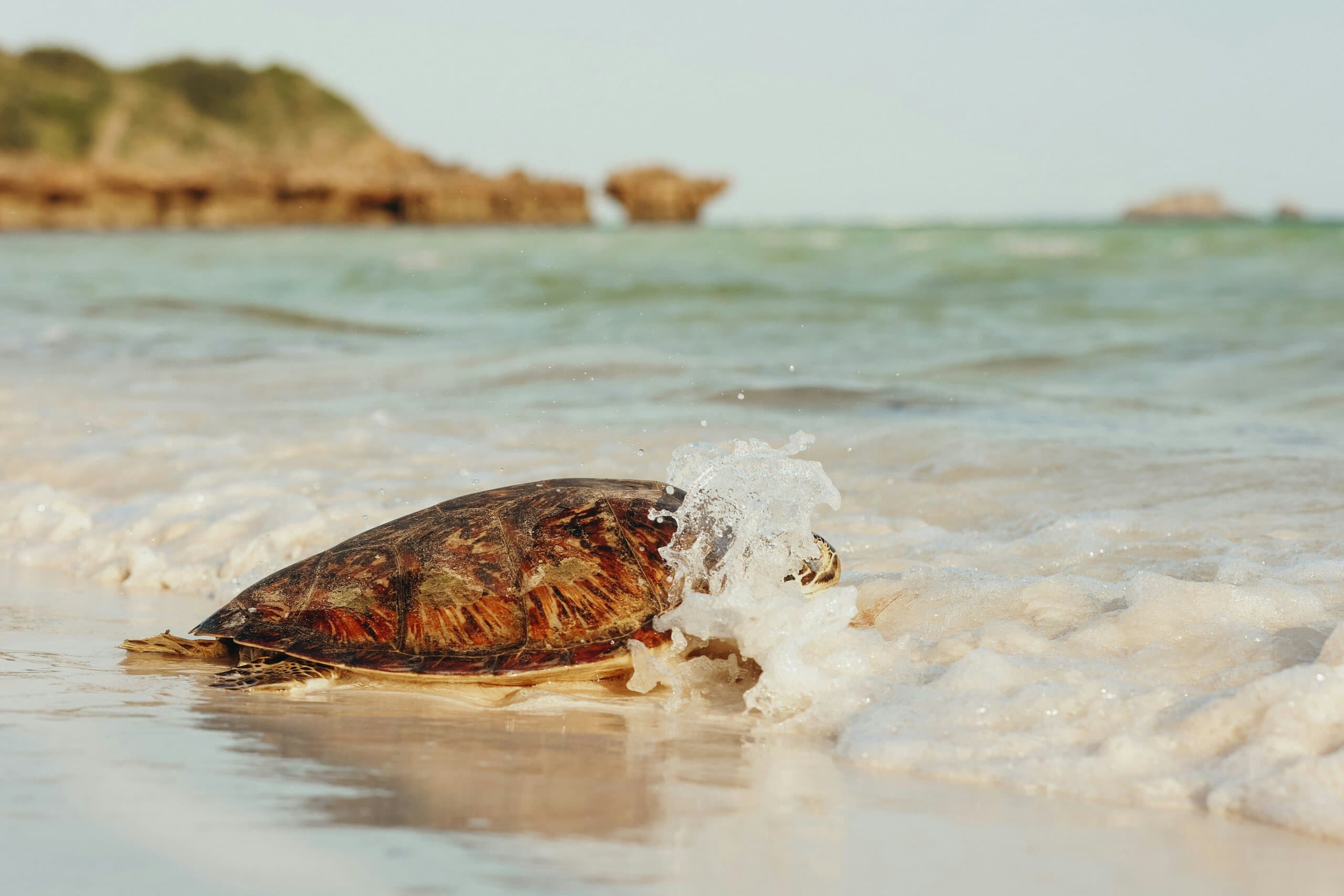
Coral reefs, turtles and colourful fish just off Watamu's bays. Pairs well with Mida Creek, which is usually done the same day.
4. Mida Creek
A mangrove-lined tidal creek with a boardwalk loved by birdwatchers. Pairs well with Vasco da Gama Pillar, Malindi, which is usually done the same day.
5. Vasco da Gama Pillar, Malindi
A national monument from 1499 and Malindi's top heritage site. Pairs well with Malindi Marine National Park, which is usually done the same day.
6. Malindi Marine National Park
Reefs and turtles off Kenya's original resort town. Pairs well with Marafa Depression (Hell's Kitchen), which is usually done the same day.
7. Marafa Depression (Hell's Kitchen)
Eroded sandstone canyons glowing red and orange at sunset. Pairs well with Mnarani Ruins, which is usually done the same day.
8. Mnarani Ruins
Mosque and tomb ruins overlooking Kilifi Creek. A good last stop on the way out of the county.
Culture and daily life in Kilifi
The nine Mijikenda sub-groups share clan and age-set traditions celebrated with drumming and dance. Coastal Swahili food is everywhere, from seafood and coconut curries to mahamri with chai.
Farming, tourism and fishing lead. Crops include cashews, coconuts, sisal, pineapples and mangoes, and gypsum and limestone are mined.
A day in Kilifi
| Time | Plan |
|---|---|
| Early morning | Gede Ruins: a forest-shrouded Swahili town of the 13th–17th centuries, with a palace and Great Mosque. Go first, before the heat and the crowds. |
| Late morning | Arabuko-Sokoke Forest: the largest surviving East African coastal forest, home to the golden-rumped elephant shrew. |
| Lunch | Samaki wa kupaka, fish in a thick coconut sauce, at a local restaurant in Kilifi or the nearest town. |
| Afternoon | Watamu Marine National Park: coral reefs, turtles and colourful fish just off Watamu's bays. |
| Late afternoon | Mida Creek: a mangrove-lined tidal creek with a boardwalk loved by birdwatchers. |
| Evening | The nine Mijikenda sub-groups share clan and age-set traditions celebrated with drumming and dance. Ask your host where the music or the choma is that night. |
Nearby, and how to fit Kilifi into a trip
Kilifi is about 550 km from Nairobi (10½ hours by road; see the getting-there page). The attractions above fill two full days comfortably, or one long one if you pick the first three. The best months are october to january offers clear water for snorkelling; the when-to-go page has the month-by-month weather.
- Watamu, in the county: A marine park, turtle nesting beaches, the Gedi ruins and the best deep-sea fishing on the coast.
- Malindi, in the county: An old Swahili port with an Italian accent: the Vasco da Gama pillar, Malindi marine park and the Marafa canyon.
- Kilifi, in the county: A creek town of boatyards, bioluminescent night swims and quiet beaches halfway between Mombasa and Watamu.
- Arabuko-Sokoke Forest, in the county: The largest coastal forest in East Africa: Sokoke scops owl, Clarke's weaver, golden-rumped sengi and forest elephants.
- Mida Creek, in the county: A mangrove boardwalk, crab plovers and sunset canoes on the tidal creek behind Watamu.
- Malindi Marine Park, in the county: Kenya's first marine park, with glass-bottom boats and snorkelling from Casuarina Point at low tide.
- Watamu Marine Park, in the county: Coral gardens, turtles and Mida Creek in Kenya's oldest marine park, snorkelled from a glass-bottom boat.
- Mombasa County, about 70 km away: The Port of Mombasa is East Africa's largest seaport and the gateway for Uganda, Rwanda, Burundi, South Sudan and eastern DRC.
- Kwale County, about 100 km away: Kwale protects sacred Mijikenda kaya forests, part of a UNESCO World Heritage Site since 2008.
- Taita-Taveta County, about 210 km away: The county safeguards much of the Tsavo ecosystem, Kenya's largest protected area.
- Lamu County, about 250 km away: Lamu Old Town is a UNESCO World Heritage Site and East Africa's oldest and best-preserved Swahili settlement, lived in for over 700 years.
Who it suits
Beach and sea travelers, families and anyone pairing a safari with the coast. Vasco da Gama landed at Malindi in 1498, and his pillar still stands. Kilifi also holds most of UNESCO's sacred Mijikenda kaya forests.