Towns and places. Updated November 2026. 3 min read.
U.S. travel advisory
The U.S. advisory lists Kilifi County north of the Malindi area; Kilifi town, Watamu and Malindi are outside the listed zone and we travel there as normal.
Read the advisoryThe nine Mijikenda sub-groups share clan and age-set traditions celebrated with drumming and dance. Coastal Swahili food is everywhere, from seafood and coconut curries to mahamri with chai. This page covers what people eat in Kilifi, the dishes to look for, the manners that matter at a Kenyan table, and where the county's culture is on show.
What people eat in Kilifi
Swahili cooking built on coconut, rice and the sea: pilau and biryani for feasts, wali wa nazi (coconut rice) with fish curry on an ordinary day, and mahamri with mbaazi (coconut pigeon peas) for breakfast.
- Samaki wa kupaka, fish in a thick coconut sauce
- Viazi karai and bhajia from the roadside fryers
- Mishkaki, skewered beef grilled over charcoal
- Kaimati, sweet dumplings in syrup, and halua
- Madafu, green coconut water, from a cart on the seafront
To drink: Tangawizi (ginger) coffee from the kahawa sellers' brass pots in the evening, and fresh sugar-cane juice.
Table manners and hospitality
A guest is fed first and well. Wash your hands when the jug and basin come round (or before the meal where there is a sink), eat ugali with the right hand, and take a little of everything. Declining food outright can read as refusing the welcome; a small portion accepted is the polite route. Tea is offered at every visit and it is sweet and milky unless you ask otherwise. In Muslim households on the coast and in the north-east, dress modestly and skip alcohol.
Where the culture is on show
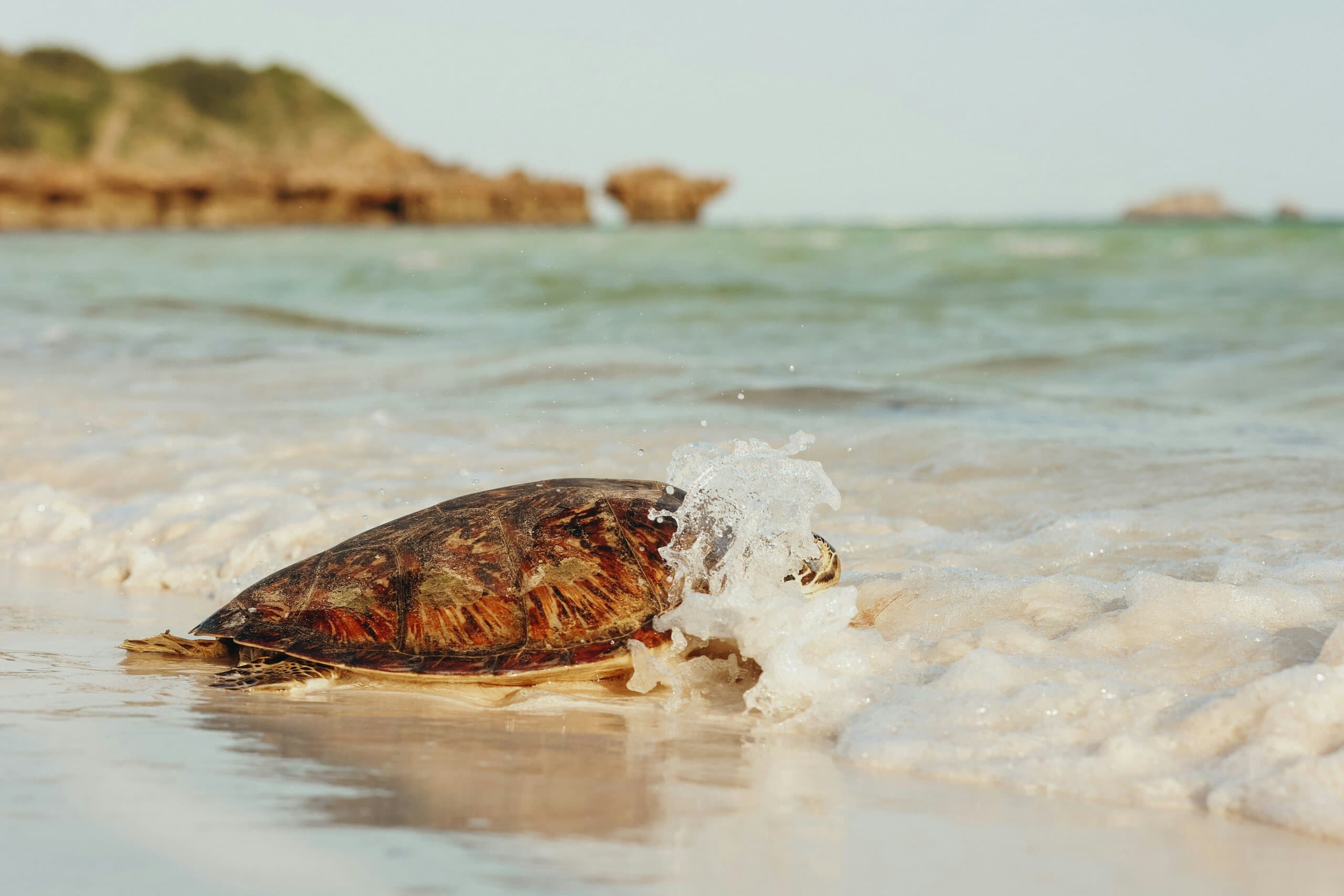
Gede Ruins: a forest-shrouded Swahili town of the 13th–17th centuries, with a palace and Great Mosque. Vasco da Gama Pillar, Malindi: a national monument from 1499 and Malindi's top heritage site. Malindi Marine National Park: reefs and turtles off Kenya's original resort town. Mnarani Ruins: mosque and tomb ruins overlooking Kilifi Creek. Markets are the everyday museum: the main market in Kilifi is busiest on its market days and is where the county's produce, cloth and cooking are easiest to see.
Eating out: what things cost
A plate of ugali and stew at a kibanda (a small local eatery) in Kilifi costs about KSh 150 to 300 ($1 to $2.50); a meal at a mid-range restaurant KSh 800 to 1,500 ($6 to $12); and dinner at a lodge or hotel, where it is not already in your rate, $25 to $40. Bottled water is KSh 50 to 100, a soda about the same, a Tusker KSh 250 to 400 in a bar. Tip around 10 percent in restaurants where service is not added. Street food is safe where it is cooked in front of you and busy; roast maize, mandazi and samosas are the standards.
Economy and daily life
Farming, tourism and fishing lead. Crops include cashews, coconuts, sisal, pineapples and mangoes, and gypsum and limestone are mined. Vasco da Gama landed at Malindi in 1498, and his pillar still stands. Kilifi also holds most of UNESCO's sacred Mijikenda kaya forests.