
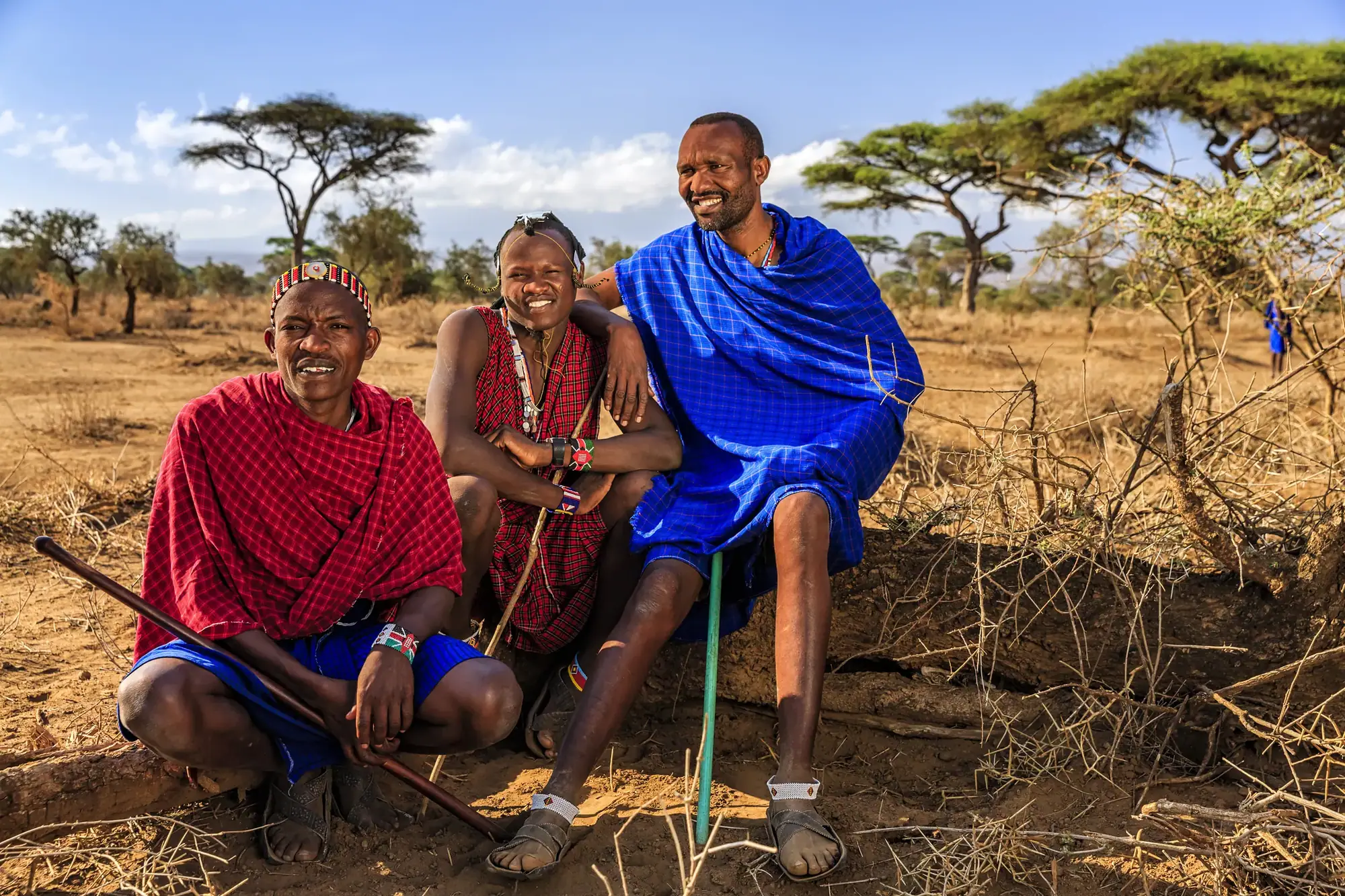
Kiswahili. Updated November 2026. 3 min read.
Mzee means "Elder; old man (respectful)". Say it m-ZEH, with the stress on the capitalised syllable; Swahili vowels are pure (a as in father, e as in bed, i as in machine, o as in more, u as in rule) and every one is sounded. A term of respect for an older man: shikamoo mzee. Wazee are the elders.
In conversation
| Kiswahili | English |
|---|---|
| Mzee | Elder; old man (respectful) |
Calling a man mzee is a compliment, not an insult, in Kenya.
Related words and phrases
- Shikamoo: respectful greeting to an elder (shee-kah-MOH).
- Baba: father; a respectful 'sir' (BAH-bah).
Where you will use it
Family and home. For diaspora families bringing children home, these are the words the grandparents are waiting to hear.
Learn the rest
This phrase is from our Kiswahili lessons; the family and home lesson covers the set, and the ten-lesson course takes a traveler from jambo to a short conversation in an hour a week. Our guides will happily test you on the road.