Towns and places. Updated November 2026. 3 min read.
U.S. travel advisory
Marsabit County within 50 km of the Ethiopian border is on the U.S. Do Not Travel list. Marsabit town and the national park sit outside that zone; we visit only on vetted northern itineraries.
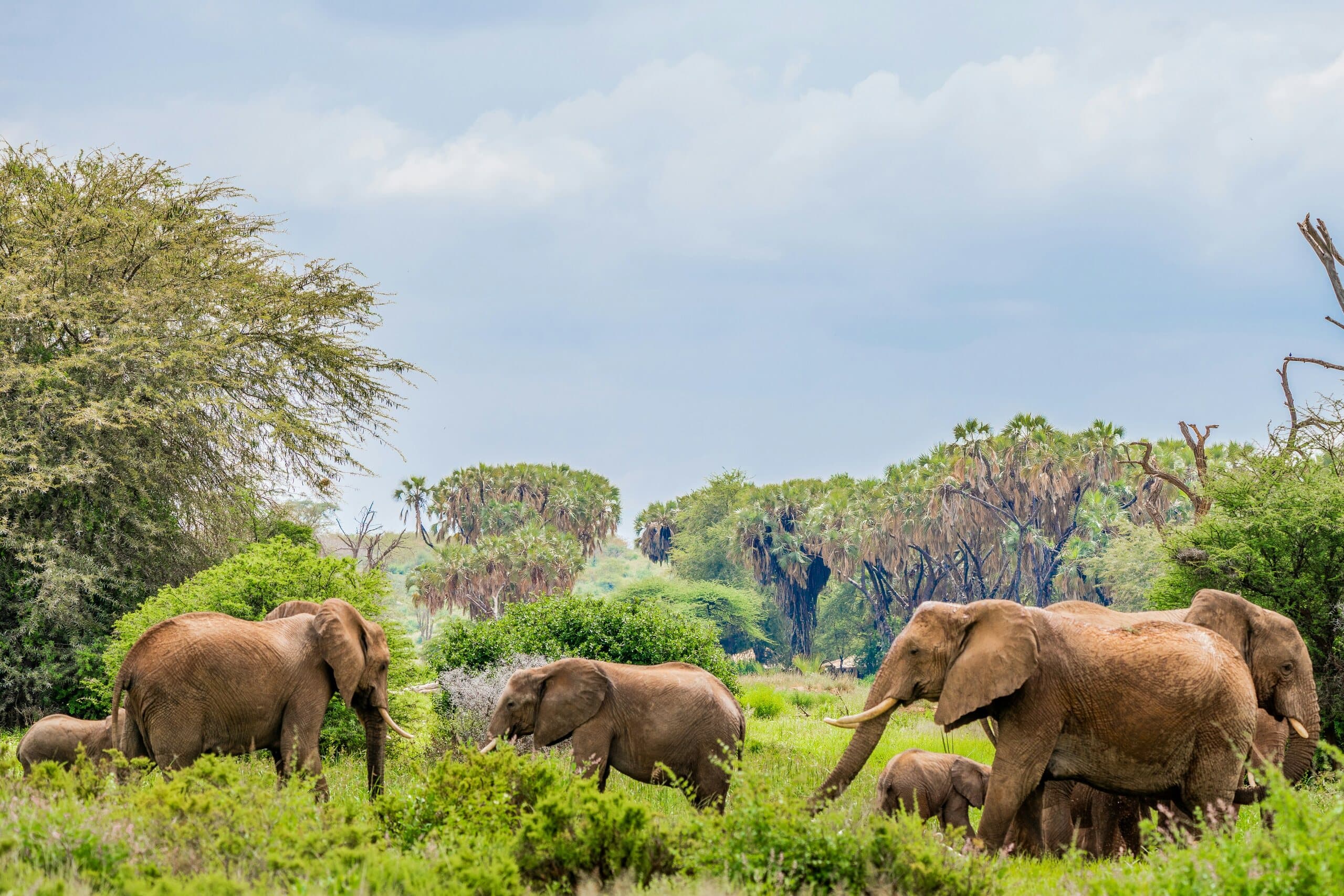
Read the advisoryJune–September and January–February, when desert tracks are easier and wildlife gathers at the crater lakes. Early December for the festival. Marsabit sits at about 4400 ft in Samburu and the northern rangelands, hot, dry and bright, with the rivers deciding where the wildlife is. The driest month is typically June and the wettest April; the warmest is February at about 94°F.
Marsabit month by month
| Month | High | Low | Rain | What it is like |
|---|---|---|---|---|
| January | 92°F | 68°F | 0.6 in | Almost no rain; about 2 wet days |
| February | 94°F | 69°F | 0.4 in | Almost no rain; about 1 wet days |
| March | 94°F | 70°F | 1.8 in | A few showers; about 5 wet days |
| April | 88°F | 69°F | 4.5 in | Regular rain, usually in the afternoon or overnight; about 12 wet days |
| May | 86°F | 67°F | 1.6 in | A few showers; about 4 wet days |
| June | 85°F | 65°F | 0.3 in | Almost no rain; about 1 wet days |
| July | 84°F | 64°F | 0.3 in | Almost no rain; about 1 wet days |
| August | 85°F | 64°F | 0.3 in | Almost no rain; about 1 wet days |
| September | 89°F | 65°F | 0.4 in | Almost no rain; about 1 wet days |
| October | 90°F | 67°F | 1.9 in | A few showers; about 5 wet days |
| November | 86°F | 67°F | 3.9 in | Some afternoon showers; about 10 wet days |
| December | 88°F | 67°F | 1.5 in | A few showers; about 4 wet days |
The seasons
January and February are warm and dry almost everywhere in Kenya, and good months for Marsabit. The long rains run from late March to May, lighter here than in the highlands. June to September is the cool dry season, the most reliable travel weather. October and November bring the short rains, usually as afternoon storms, and December dries out for the holidays, when Kenyans travel home in numbers and transport fills.
Events and harvests
The Marsabit Lake Turkana Cultural Festival at Loiyangalani brings all 14 communities together for dance, storytelling, camel processions and crafts. It ran on 3–7 December 2025. Camel milk and meat are staples. Pastoralism, especially camels, supports most people. The El Molo and others fish Lake Turkana, and cultural tourism is growing.
What to pack
- Light clothing; evenings are mild.
- A light rain jacket for the short rains.
- Malaria precautions: prophylaxis, repellent and long sleeves at dusk.
- Sun protection year round; the equatorial sun is strong even on cloudy days.